In an increasingly digital world, Touch Screen technology stands at the forefront of innovation. Each year, advancements redefine user experiences across industries. From smartphones to interactive kiosks, Touch Screens gain prominence due to their versatility.
The 2026 landscape promises groundbreaking innovations for global buyers. With improvements in responsiveness and durability, manufacturers focus on enhancing user interaction. Embedded sensors and advanced haptic feedback aim to make Touch Screens more intuitive. These developments cater to diverse needs, but the market remains saturated with options.
Buyers face the challenge of discerning quality from gimmicks. Comprehensive research is vital to navigate this complex landscape. Embracing the latest trends requires a balance of innovation and practicality. In a world driven by technology, staying informed about Touch Screen advancements is crucial for making timely decisions.
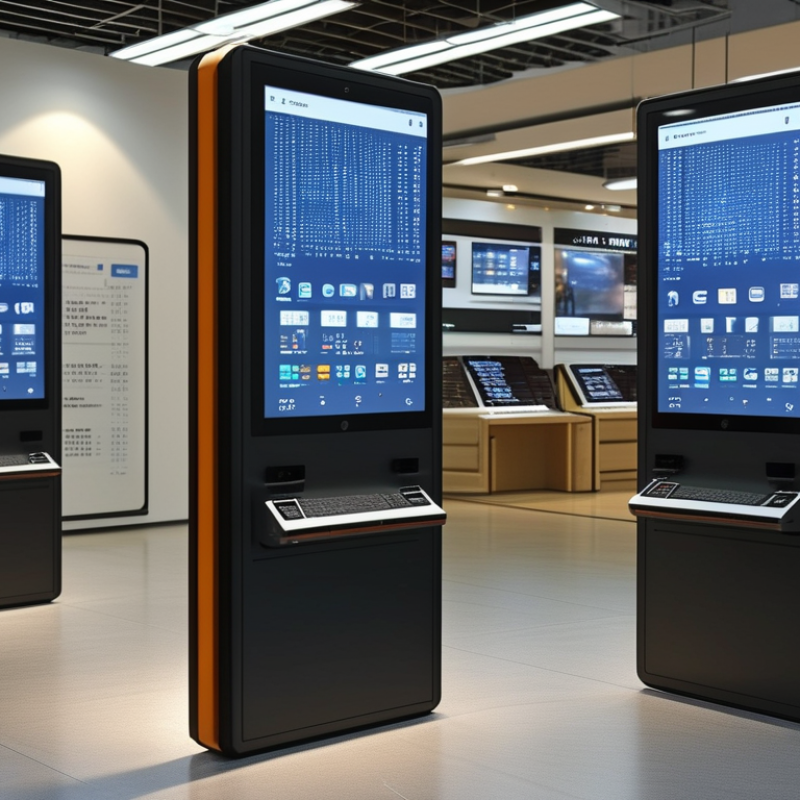
As we look towards 2026, touch screen technology is on the brink of exciting innovations. Among the emerging trends, artificial intelligence integration stands out. AI-powered touch screens are becoming smarter, enabling them to learn user preferences and adapt accordingly. According to a recent industry report, the global touch screen market is expected to grow by 8.9% annually, highlighting the increasing demand for responsive technology.
New material advancements are also shaping the industry. Flexible and transparent displays are likely to enhance user interaction. These screens are not just versatile; they offer a more immersive experience. Companies are exploring new touch sensor technologies that promise increased accuracy and responsiveness. This evolution may lead to enhancements in devices we use daily, making interactions faster and more intuitive.
Tip: When selecting touch screens for your needs, consider their compatibility with emerging technologies. Staying ahead of trends can maximize efficiency and user satisfaction. Remember, not all innovations are seamless; some may require adjustments and troubleshooting. Embrace the journey of adopting new tech while recognizing that refinement is part of development.
Touch screen innovations are transforming a variety of industries globally. From healthcare to retail, these advanced technologies are enhancing user interactions. In healthcare, touch screens facilitate medical data entry, making processes more efficient. Doctors can quickly access patient information. This innovation improves accuracy but raises concerns about data privacy.
Retail environments are also embracing touch screens. Customers can navigate products easily, enhancing their shopping experience. Interactive kiosks allow for personalized recommendations. However, this reliance on technology can lead to technical difficulties. Some consumers may feel overwhelmed by too many options.
In education, touch screen tablets are changing how students learn. They promote interactive learning and engagement. However, not all students adapt well to this method. There can be disparities in access to technology, making it difficult for some to keep up. These challenges highlight the need for ongoing evaluation of touch screen integration.
In 2026, touch screens are set to revolutionize user interaction. Emerging innovations promise dynamic experiences that cater to diverse needs. The aim is to create interfaces that are more intuitive and engaging.
One significant feature is multi-sensory feedback. Users will feel vibrations and temperature changes as they interact. This technology enhances tactile response, making actions more satisfying. Moreover, adaptive touch sensitivity will be a game-changer. Screens will adjust their response based on user intent. This leads to a smoother experience, especially for applications requiring precision.
However, the advancements come with challenges. Not all users will adapt quickly to these new features. Additionally, ensuring compatibility across devices can be complicated. As technology evolves, designers must balance innovation with usability. Ultimately, providing a seamless experience is the primary goal.
Sustainability is becoming crucial in touch screen designs. As global awareness of environmental issues increases, manufacturers are pressured to adapt. According to a recent report by the International Data Corporation (IDC), approximately 70% of consumers now prioritize eco-friendly products when making purchasing decisions. This trend is reshaping the touch screen industry, urging creators to innovate sustainably.
Materials used in touch screens are pivotal. Components like recycled plastics and sustainable glass are gaining traction. A study by the Environmental Protection Agency (EPA) revealed that using recycled materials can reduce energy consumption by up to 50% in production. While this is promising, only a small fraction of manufacturers currently implement such practices consistently. The need for a shift remains clear.
Moreover, energy efficiency is critical. Touch screens consume significant amounts of power, contributing to environmental strain. The Global Energy Agency (IEA) estimates that improving device efficiency could lower global electricity demand by 10%. However, integrating these technologies into standard production remains an ongoing challenge. Future designs must address these issues more effectively to align with the sustainability movement.
| Innovation | Material Used | Eco-Friendly Rating | Sustainability Features | Projected Market Impact |
|---|---|---|---|---|
| Flexible OLED Touch Screens | Recycled PET | A+ | Low energy consumption, lightweight design | High growth in portable devices |
| Self-Cleaning Touch Surfaces | Nanotechnology Coatings | A | Antimicrobial properties, reduces cleaning agents | Increased demand in hygiene-conscious sectors |
| Biodegradable Touch Panels | Bio-based plastics | A+ | Fully compostable, reduces plastic waste | Significant impact on consumer electronics |
| Energy-Harvesting Touch Screens | Piezoelectric materials | B | Generates energy from touch, reduced power needs | Potential to revolutionize low-power applications |
| Recyclable Touch Screen Components | Modular design materials | A | Easy disassembly, minimizes waste | Increasing regulatory support for sustainability |
The touch screen market is rapidly evolving and becoming more competitive. Key players are investing significantly in innovative technologies. Their aim is to enhance user experience and broaden application areas. This innovation is especially crucial as industries adopt touch screens in various functions. These advancements push the boundaries of design and functionality. Companies are now exploring flexible displays and improved haptic feedback.
Market leaders are focusing on sustainability, integrating eco-friendly materials into their products. This movement resonates with consumers who prioritize green technology. However, challenges exist in balancing costs and innovation. Some companies struggle to keep up with rapidly changing consumer expectations. Additionally, staying ahead of cybersecurity threats remains a critical concern.
Emerging technologies like OLED and transparent displays are gaining traction. They offer significant advantages, but many companies face technical hurdles. The path to full adoption can be uneven, requiring careful planning and market analysis. Continuous feedback and refinement are essential in this dynamic landscape. Understanding customer needs will ultimately guide successful innovations in touch screen technology.
: AI integration in touch screens is a key trend, allowing screens to learn user preferences.
The touch screen market is expected to grow by 8.9% annually, reflecting rising demand.
Flexible and transparent displays are being developed to enhance user interaction and immersion.
Multi-sensory feedback provides vibrations and temperature changes during interaction for a satisfying experience.
It adjusts the screen's response based on user intent, allowing for smoother, more precise usage.
Some users may struggle to adapt quickly, and compatibility across devices can be complex.
It maximizes efficiency and satisfaction, though some innovations may need refining or adjustments.
No, some innovations may require troubleshooting and adjustments during adoption.
They need to ensure that new features enhance, not complicate, the user experience.
Compatibility with emerging technologies is crucial for optimizing their experience and efficiency.
The article "2026 Top Touch Screen Innovations for Global Buyers" explores the transformative advancements anticipated in touch screen technology by 2026. Emerging trends highlight the integration of advanced sensors and AI capabilities, which are expected to significantly enhance interactivity and responsiveness. Industries such as healthcare, education, and retail are rapidly adopting these innovations, utilizing touch screens to improve user engagement and streamline operations.
Furthermore, the article discusses game-changing features designed to enhance the user experience, such as multi-functional displays and adaptive interfaces that cater to diverse needs. Sustainability is also a critical focus, with future touch screen designs prioritizing eco-friendliness through recyclable materials and energy-efficient manufacturing processes. Key players in the market are continuously pushing the boundaries of touch screen technology, setting the stage for a dynamic shift towards more intuitive and environmentally conscious solutions in the digital landscape.

Xiangrui Optoelectronics