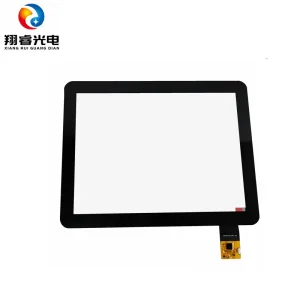
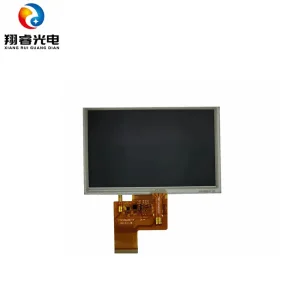
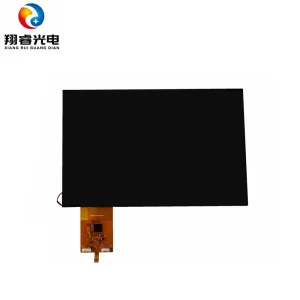
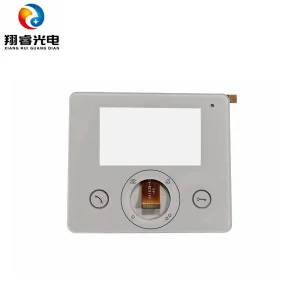
Explore our leading industrial capacitive and specialized resistive touch panels optimized for outdoor, medical, and control panels.
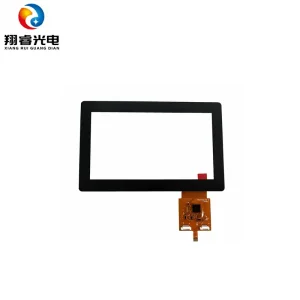
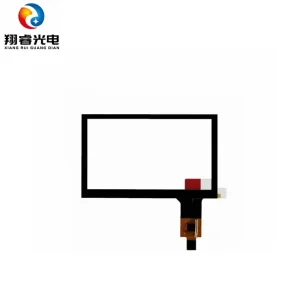
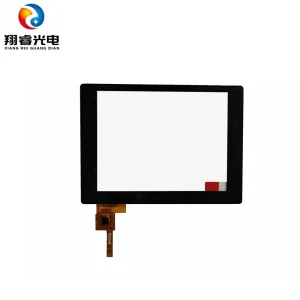
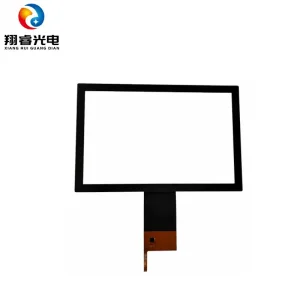
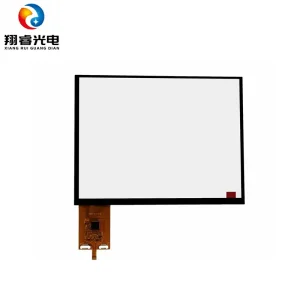
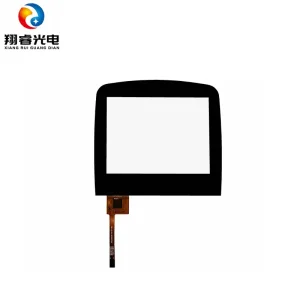
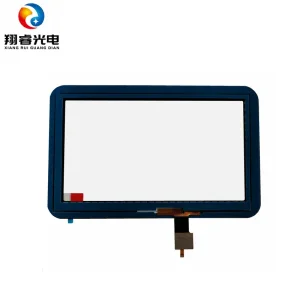
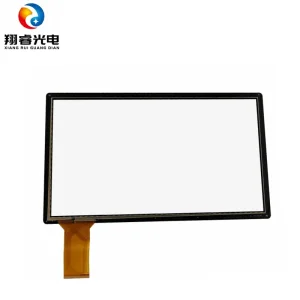
Comprehensive analysis of architectural composition, material advancements, and design principles under strict regulatory environments.
Unlike surface capacitive screens, Projected Capacitive Touch Panels (PCAP) utilize an electrostatic field etched onto multi-layered conductive patterns (commonly ITO or Metal Mesh). When a finger approaches, it alters the local mutual capacitance between the intersecting nodes, allowing for sub-millimeter tracking and robust multi-touch support.
By implementing advanced controller IC systems (such as EETI, Ilitek, and Cypress), our touch panels filter out high-frequency EMI noise, enabling operations under running water, saline mist, or while wearing thick protective gloves.
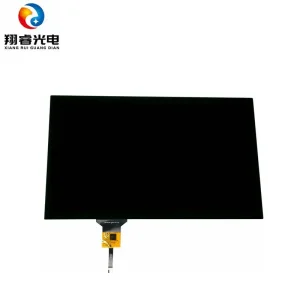
Our manufacturing facility utilizes advanced Optical Bonding processes (using Liquid Optically Clear Adhesive - LOCA or dry OCA film) to laminate the touch sensor directly onto the LCD panel. This eliminates the air gap, significantly improving optical performance and durability.
This process reduces internal reflections from 4.5% to less than 0.2%, dramatically increasing outdoor readability under direct sunlight. Furthermore, it prevents condensation inside the module and increases structural impact resilience by up to 300%.
Modern HMI applications demand continuous operation under extreme fluctuations. Our touch panels feature a wide temperature tolerance, operating consistently from -30°C to +85°C. Front-end cover glasses are enhanced with custom coatings:
Headquartered in Guangzhou, China, we are a leading developer and high-volume manufacturer of resistive touch panels, projected capacitive touch panels, customized cover glass, and integrated module bonding assemblies. From standard product offerings to highly complex OEM and ODM customizations, we deliver end-to-end interface systems tailored for strict medical, industrial, and outdoor installations.
Our operations are housed within a modern 3,000 square meter factory integrated with specialized ISO-certified Class 100, Class 1,000, and Class 10,000 cleanroom environments. This staging prevents micro-particle contamination during sensor patterning, FPC bonding, and optical laminations, guaranteeing zero-pixel defect criteria.
A rigorous commitment to high-standard execution, from components sourcing to regulatory approvals.
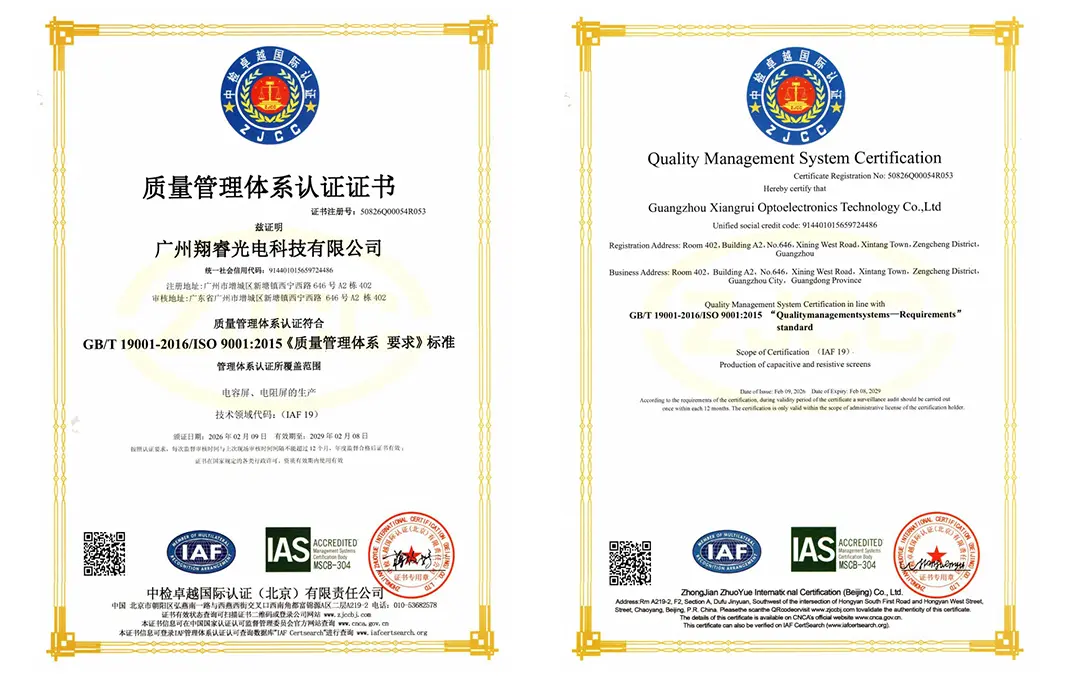
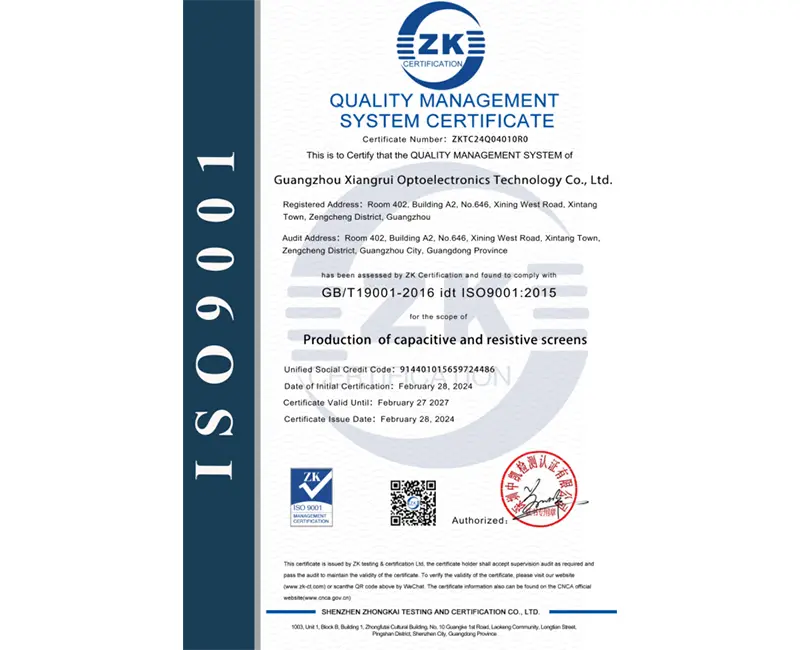
Our processes are fully certified under ISO 9001:2015 for quality management and ISO 14001:2015 for environmental protection. Standardized operation protocols control every production stage to ensure consistent, reliable quality.
Recognized as a High-Tech Enterprise in Guangdong Province (2022), our R&D department continues to develop advanced utility model patents. We customize controller drivers to fit challenging parameters, including thick safety cover glass (up to 15mm) and high electromagnetic interference.
We work closely with global industry leaders and key equipment manufacturers. We guarantee design consistency and stable product availability for long-term lifecycles (5 to 10 years), preventing unexpected component changes.
Applying custom physical structures and tailored firmware to meet unique industry standards.
| Vertical Segment | Technical Challenges | Specific Solution & Material Stack | Compliance & Certifications |
|---|---|---|---|
| Medical Equipment | Antibacterial wash-downs, blood/saline resistance, surgical glove multi-touch, low EMI emission. | Chemically strengthened Soda-Lime cover glass with Anti-Microbial coatings. Tuned controllers supporting wet-hand and double-layered medical gloves. | IEC 60601-1-2 EMC compliant, medical-grade optical bonding. |
| Industrial HMI & CNC | Constant vibration, high voltage noise, metal shavings, mechanical impacts, solvent exposure. | IK08/IK10 rated cover glass (3mm to 6mm thick), high-durability sensor traces, EETI high-voltage noise immunity drivers. | IP65 dust/waterproof ingress protection, UL94 V-0 flame ratings. |
| Outdoor Kiosks & EV Chargers | Sunlight readability, high UV degradation, direct rainfall, vandalism, thermal stress. | Optically bonded High-Bright LCD with capacitive touch panels. Dual AR+AF coatings, UV-blocking OCA film. | IK10 impact resistance, UV resistance (ASTM G154), IP67 front face. |
| Marine & Transportation | Highly corrosive salt fog, wide temperature swings, intense night-glare. | Anti-Glare (AG) surface treatment, anti-corrosive silver ink lines, marine-approved bonding. | EN50155 railway standard, marine-class durability profiles. |
Continuous investment in next-generation material science and smart interface integration.
A structured approach that turns your technical specifications into high-volume production realities.
Clear, direct technical answers to assist developers and procurement teams with touch panel integration.
Self-Capacitance monitors the entire column or row sensor electrode. While highly sensitive, it can lead to "ghost touches" when multiple fingers are used, making it best suited for single-touch or simple button actions.
Mutual Capacitance monitors the specific intersection of each row and column electrode. This creates a detailed coordinate grid, allowing for true multi-touch performance, gesture recognition, and better noise filtering in harsh industrial environments.
Water droplets conduct electricity and can register as a touch on standard capacitive screens. By utilizing advanced algorithms on controllers like EETI or Ilitek, we analyze the signal profile differences between water (which changes mutual capacitance across a broad area) and a real finger press.
For gloved operation, we increase the sensitivity of the sensor and configure the controller's threshold to detect the smaller capacitance changes caused by a finger through gloved layers.
Air bonding leaves an air gap between the touch sensor and the LCD, which can trap dust and moisture and cause internal condensation. Additionally, this gap creates refractive index mismatches that degrade visibility.
Optical bonding eliminates the air gap, increasing transmittance by up to 98%, improving contrast, preventing internal condensation, and making the screen significantly more resistant to physical impact and vibration.
Yes. We offer cover glass customization options from 0.55mm to 15.0mm. We can include custom shapes, physical cutouts for mechanical buttons, colored bezels, and specialized surface treatments like chemical strengthening, Anti-Glare (AG), Anti-Reflective (AR), and Anti-Fingerprint (AF) coatings.
Our manufacturing facility is ISO 14001:2015 certified. All raw materials, including cover glasses, ITO films, FPC connectors, and adhesives, are tested and certified to comply with RoHS and REACH standards. We provide complete documentation to support compliance requirements for international shipments.
Explore our industrial resistive panels and optical bonding assemblies for harsh environment applications.
 Xiangrui Optoelectronics