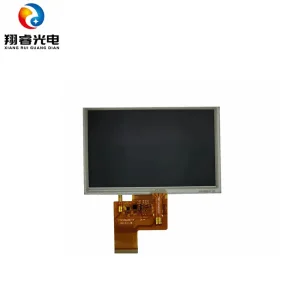
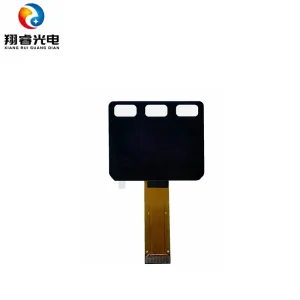
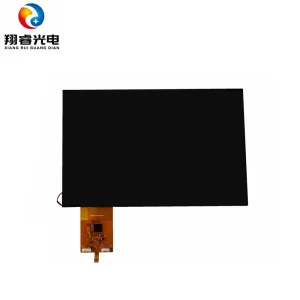
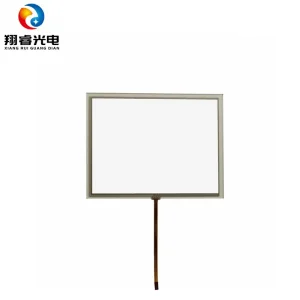
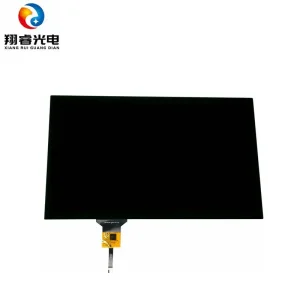
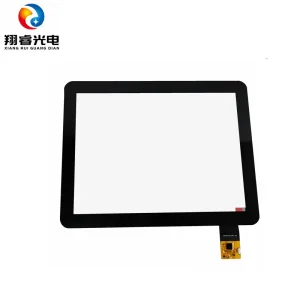
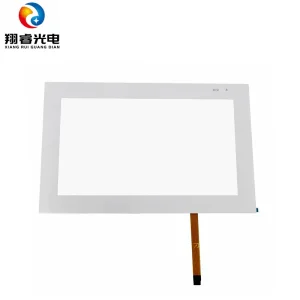
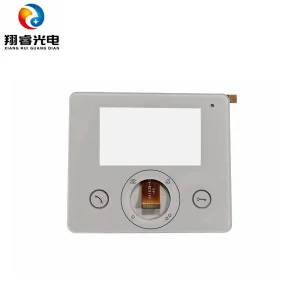
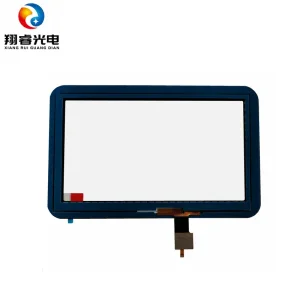
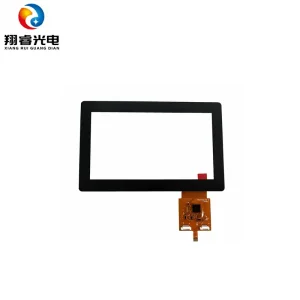
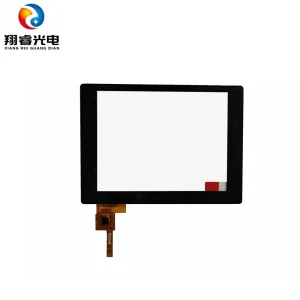
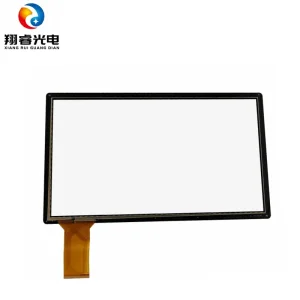
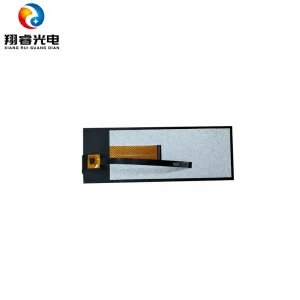
Explore our engineering catalog featuring state-of-the-art resistive and capacitive touch panel assemblies configured with optical grade frame-fitting layers.
In modern industrial design, Human-Machine Interface (HMI) performance dictates product reliability. Frame fitting—the method of joining a display panel to its protective lens or touch sensor perimeter frame using specialized adhesives—acts as a key technique in display manufacturing. Unlike full surface liquid bonding, frame fitting offers an optimal trade-off between structural stability, design repairability, and manufacturing yield.
Globally, sectors such as automated logistics, medical diagnostics, aerospace instrumentation, and public infrastructure kiosks demand rugged touch display solutions. Frame fitting provides a cost-effective alternative to optical bonding for large-format displays or indoor applications where extreme sunlight glare is not a primary concern. The technical selection between frame fitting (air gap bonding) and optical bonding relies heavily on thermal characteristics, physical impact profiles, and optical requirements.
Preserves physical alignment while isolating vulnerable display electronics from dust, moisture, and chemical cleaning agents.
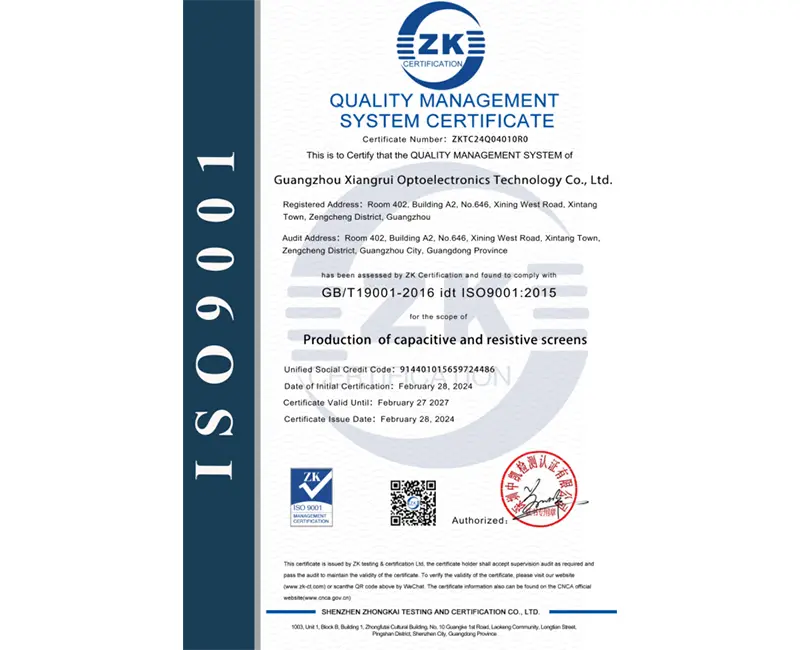
Guangzhou Xiangrui Optoelectronics Technology Co., Ltd. is a market-leading OEM/ODM manufacturer established in 2010.
With a comprehensive footprint in Guangzhou, China, we specialize in the research, development, production, and high-precision assembly of capacitive touch screens, resistive touch panels, cover glass, and display module bonding systems. Our facility covers a modern 3,000 square meter plant engineered to comply with ISO 9001 and ISO 14001 international quality standards.
To serve highly sensitive industrial and medical applications, we maintain state-of-the-art dust-free cleanrooms categorized into Class 100, Class 1,000, and Class 10,000 environments. This prevents airborne particulates from contaminating the optical area during frame fitting assembly, ensuring zero-defect product runs for critical applications.
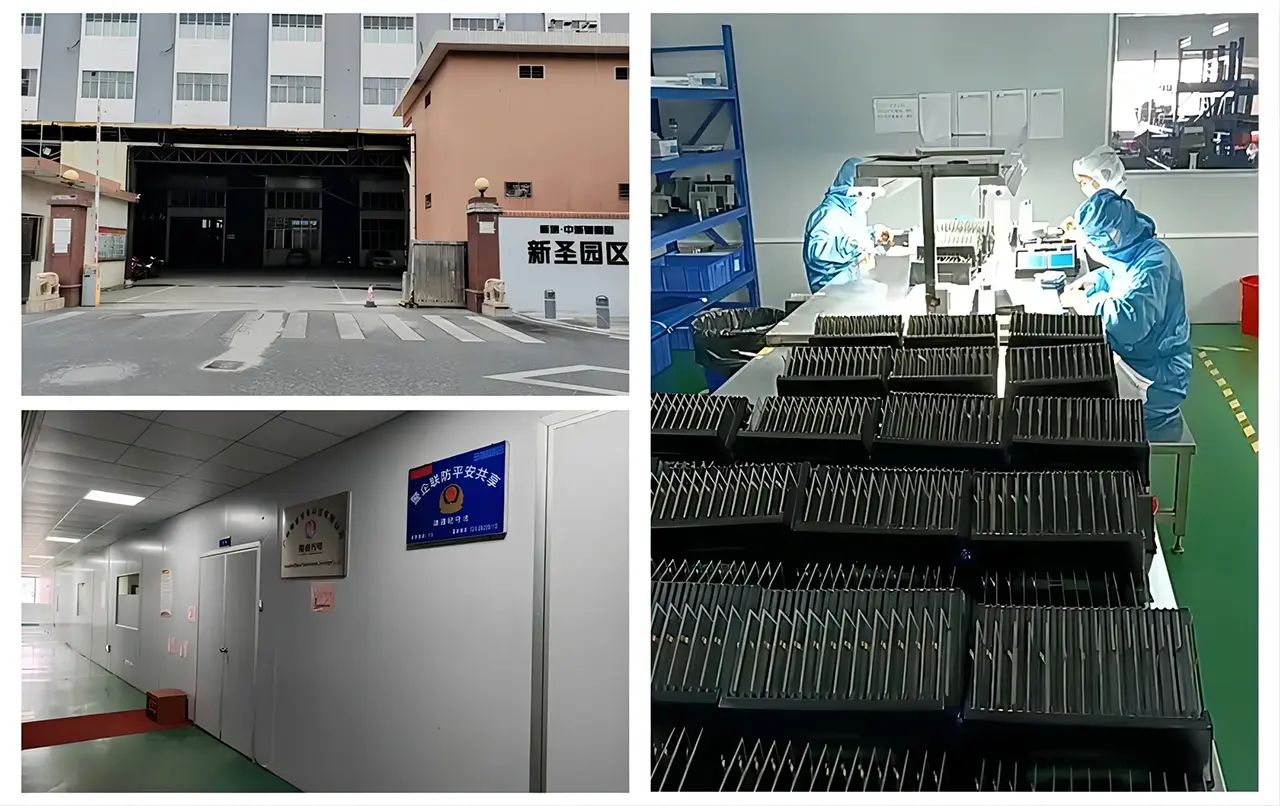
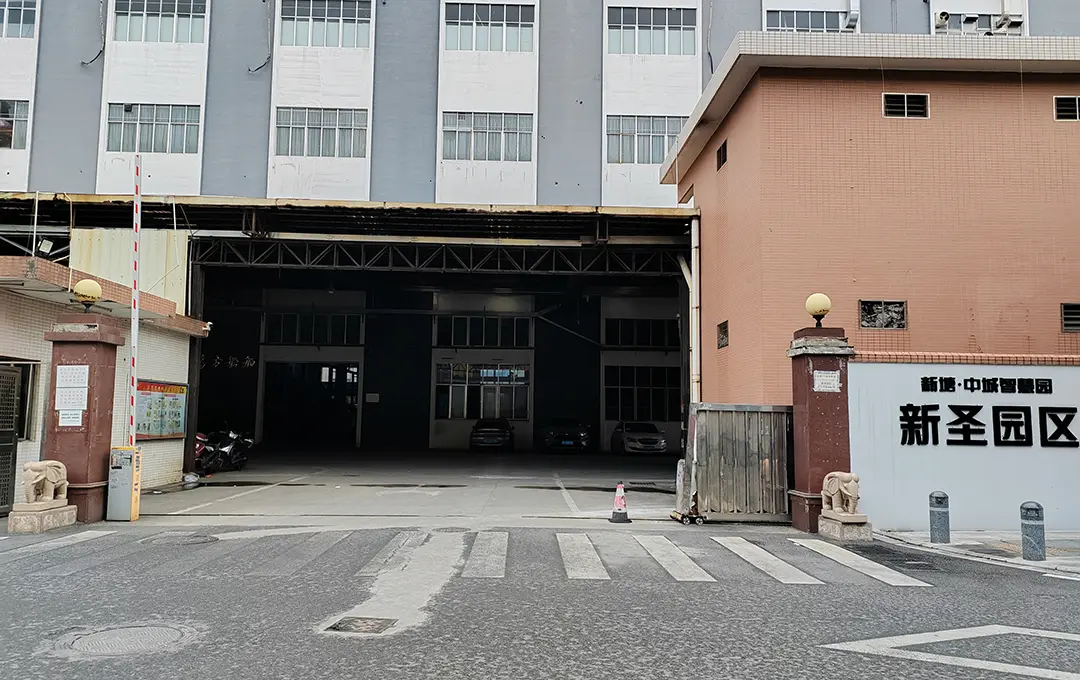
China's industrial clustering provides an advanced ecosystem for optical display technologies. Our facility combines high manufacturing throughput with rapid engineering iteration to deliver cost-effective and reliable products.
Adhering to strict Class 100 standards in active lamination bays allows us to isolate the air gap within frame-fitted display stacks, eliminating microscopic dust that causes optical distortions or point failures.
Our localized supply chain in South China's electronics hub ensures same-week access to custom double-sided die-cut adhesives (3M, Nitto, Tesa), minimizing custom prototyping and project ramp-up schedules.
Every batch of frame-fitted assemblies undergoes rigorous testing in our environmental simulation chambers, including thermal cycling, mechanical stress testing, and IP65 dust/water protection verification.
Selecting the proper integration topology depends heavily on the operational environment of the end application. We engineer specialized solutions for key market verticals:
By engineering custom adhesive profiles and venting structures within the frame layer, we mitigate pressure differentials that can cause touch panel warping or optical Newton’s rings.
System designers face a critical decision when choosing between frame fitting (air bonding) and optical bonding. The table and sections below outline the mechanical, optical, and cost differences between these integration styles.
| Technical Parameter | Perimeter Frame Fitting | Full Surface Optical Bonding (OCA/OCR) |
|---|---|---|
| Optical Path Interferences | Air-gap creates two refractive index boundaries (~3% light reflection increase) | Refractive index matched (~1.5); reflection reduced to near zero |
| Maintenance & Reworkability | High. Cover lenses or sensors can be separated and replaced. | Low. Separation typically requires high heat or solvent baths, risking LCD damage. |
| Thermal Cycling Characteristics | Excellent. Air gap acts as a thermal buffer zone for hot-running displays. | Good, but prone to localized shear stress if coefficient of expansion mismatch occurs. |
| Relative Unit Cost Factor | Baseline (Cost-efficient, simpler assembly equipment). | 1.5x - 2.2x baseline (Requires autoclave, curing stations, and cleanroom vacuum). |
To minimize reflections in air-gap frame-fitted assemblies, we apply high-transmittance cover lenses with Anti-Reflective (AR) and Anti-Glare (AG) chemical etch treatments, mitigating ambient glare for indoor and outdoor readability.
Our engineers specify high-shear acrylic or silicone-based double-sided die-cuts. These formulations are chosen for their UV aging resistance and clean peeling properties, ensuring the panel remains securely bonded over long lifecycles.
By utilizing continuous-path adhesive gaskets and closed-cell structural foams, we prevent moisture ingress. This allows us to supply frame-fitted assemblies that pass demanding water-jet and dust-infiltration testing protocols.
Review technical answers regarding customized touch screen configurations, integration methods, and logistics parameters.
Our operations isolate the lamination phase inside Class 100 laminar flow benches located inside our Class 1,000 cleanroom suite. Air ionization bars neutralize electrostatic charges on the screen surfaces, preventing particle attraction. Finally, we run automated clean-visual verification scanning under high-lux inspection lights prior to packing.
Yes. Our wide-temperature industrial configurations operate reliably from -30°C up to +80°C. For these applications, we utilize premium thermosetting acrylic tapes that maintain high shear adhesion across broad thermal ranges, avoiding bubble formation or edge lifting.
For custom cover glass sizing or resistive sensor routing, initial CAD blueprints are supplied within 48 hours. Upon mechanical design approval, physical prototypes are fabricated in 10-15 business days. Mass production runs are typically completed within 3 to 4 weeks, depending on materials availability.
We offer integrated ITO shielding layers on the back of the cover glass, along with copper conductive tape paths routed back to the host grounding circuit. This protects the capacitive controller IC from heavy electrical noise commonly found in industrial settings.
Yes, all touch panel components and adhesives conform to RoHS and REACH directives. Our factory operations are certified under ISO 9001 for quality control systems and ISO 14001 for environmental management guidelines.
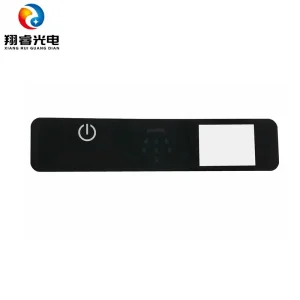
Select from our wide-temperature display configurations and custom capacitive touch button interfaces built to meet industrial and medical standards.
 Xiangrui Optoelectronics