In recent years, the resistive touch screen has gained popularity in various sectors in China. These screens use pressure to detect touch, making them reliable in many applications. Expert Jane Zhao highlights their benefits by stating, “Resistive touch screens offer flexibility and accuracy, especially in demanding environments.” Her insights reflect the growing appreciation for this technology.
The resistive touch screen is favored in industries like healthcare and manufacturing. It can function in harsh conditions where other touch technologies fail. For example, these screens can work with gloves or in humid conditions, expanding their usability. Businesses often turn to resistive touch screens to enhance user experience and efficiency.
However, they are not without limitations. The durability can be less than that of capacitive screens. Users sometimes wish for better responsiveness under certain conditions. While they deliver notable advantages, the industry must continually address these challenges to remain competitive. As the technology evolves, the potential applications for resistive touch screens will likely expand even further.
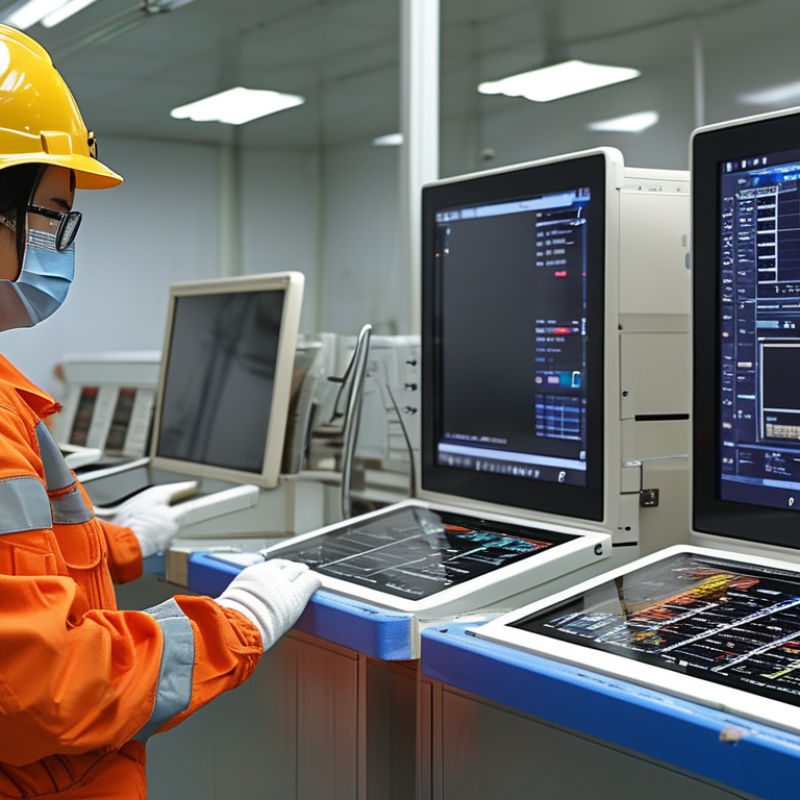
Advantages of Resistive Touch Screens in Modern Devices
Resistive touch screens are gaining traction in various modern devices across China. Their key advantage lies in their ability to function effectively under diverse conditions. For instance, they can be operated with a stylus, gloved hands, or even a fingernail. This versatility makes them particularly appealing for industrial and outdoor environments.
According to a report by Grand View Research, the global market for touch screens is projected to expand at a compound annual growth rate (CAGR) of 11.4% from 2021 to 2028. Resistive technology accounts for a significant share of this market, especially in sectors such as healthcare and manufacturing. The emphasis on reliability in these fields speaks to the touch screen's durability and cost-effectiveness.
However, it’s important to consider their limitations. Resistive screens do not support multi-touch functionality as effectively as capacitive screens, which can be a drawback in consumer electronics. This aspect raises questions about their future in rapidly evolving tech landscapes. Continuous innovation is vital to enhance their performance and usability.
Key Features of Resistive Touch Screens in the Chinese Market
Resistive touch screens have gained popularity in the Chinese market for several compelling reasons. One key feature is their cost-effectiveness. These screens often come at a lower price point compared to their capacitive counterparts. Businesses operating on tight budgets find them advantageous. However, the diminished sensitivity to lighter touches can be a drawback. Users may need to apply more pressure, which could lead to frustrations in specific applications.
Durability is another critical attribute. Resistive touch screens can withstand harsh environments. They perform well in outdoor settings, where exposure to dust and moisture occurs. This resilience makes them a preferred choice for industries like manufacturing and logistics. Nevertheless, the screen's visibility under sunlight can sometimes be less than ideal. Users might find it challenging to see the display in bright conditions.
Another feature is compatibility with various input methods. Users can interact with resistive screens using gloved hands, styluses, or even sharp objects. This versatility broadens their usability in specialized scenarios. However, this could lead to inadvertent inputs if not utilized carefully. Overall, while resistive touch screens offer numerous benefits, certain limitations require thoughtful consideration before implementation.
Comparative Analysis: Resistive vs. Capacitive Touch Screens
When comparing resistive and capacitive touch screens, one must consider their unique functionalities. Resistive screens are known for their simplicity, making them suitable for various environments, especially in industrial settings. They respond to pressure, allowing users to interact with the device even wearing gloves. This feature is crucial in workplaces where touch precision matters.
Capacitive screens, on the other hand, require a conductive input, such as human skin. This allows for multi-touch capabilities, making them popular in consumer electronics. Their responsiveness is impressive, but they fall short in robust environments. For instance, in extreme conditions, capacitive screens may fail. Each type has advantages and shortcomings, making the choice context-dependent.
Furthermore, resistive screens can be less sensitive. Users sometimes face challenges when using them for intricate tasks. The durability of resistive screens is commendable, but they can wear out quicker than capacitive ones. Each offers a distinct approach to touch interaction; understanding these differences is crucial for informed decision-making in product selection.
Top Brands Offering Resistive Touch Screen Products in China
In recent years, resistive touch screens have gained popularity in various sectors across China. This surge can be attributed to their unique capabilities and advantages. A report from the China Electronics Industry Association highlights that the resistive touch screen market has grown by over 15% annually. This growth reflects the increasing demand in industries such as healthcare, retail, and manufacturing.
Top brands specializing in resistive touch screen products emphasize durability and responsiveness. Researchers from the Institute of Electrical and Electronics Engineers note that resistive screens can withstand harsh environments, making them ideal for industrial applications. Additionally, these screens perform well with gloved hands or styluses. However, they may lack the vibrant color contrast found in capacitive screens.
This limitation could deter some users seeking cutting-edge technology. Yet, many manufacturers are innovating ways to enhance resistive touch screen performance. Customization options are also increasing, allowing businesses to tailor products to specific needs. Many brands balance traditional design and modern functionality, aiming to meet diverse customer requirements.
Top Benefits of Resistive Touch Screens
Future Trends of Resistive Touch Technology in China
Resistive touch technology has gained traction in various sectors within China. The future trends indicate significant advancements in functionality. Touchscreens are evolving to provide more sensitive, accurate responses. This means users can expect better usability in daily interactions. As devices become commonplace, resistive screens may be favored for their cost-effectiveness.
In terms of applications, resistive screens are becoming more versatile. They're being utilized in industrial environments and healthcare, where durability is essential. The ability to operate even with gloves or styluses adds to their appeal. This increases productivity, especially in challenging conditions. Yet, concerns remain about their overall compatibility with emerging technologies.
Tip: Consider how your device's interface affects workflow. A well-designed touchscreen can lead to substantial efficiency gains. Additionally, gathering user feedback can illuminate areas needing improvement. Constantly refining the technology is crucial, as user expectations continue to rise. This cycle of input and innovation is necessary for long-term success.
FAQS
: They work well in various conditions and can be operated with different tools, like styluses or gloves.
They are popular in healthcare, manufacturing, and industrial environments due to their durability and reliability.
The market is expected to grow at a CAGR of 11.4% until 2028, with resistive screens holding a significant share.
They do not support multi-touch functionality as well as capacitive screens, which can limit their use in consumer electronics.
Future advancements will focus on improving sensitivity and accuracy for better usability in daily tasks.
Their ability to function in challenging environments boosts efficiency, especially in healthcare and industrial settings.
Innovation is key to meeting rising user expectations and maintaining relevance in a fast-evolving tech landscape.
Collecting user feedback helps identify improvement areas, ensuring that technology aligns with user needs.
Yes, one of their advantages is the ability to operate even when wearing gloves, enhancing usability.
Their compatibility with emerging technologies and user expectations for advanced features could affect their market presence.
Conclusion
Resistive touch screens have gained significant traction in modern devices, particularly in the Chinese market, due to their unique advantages. These screens offer high durability, resistance to environmental factors, and compatibility with various input methods, making them suitable for diverse applications. The key features contributing to their popularity include their affordability and reliability in various settings, from industrial to consumer electronics.
In a comparative analysis with capacitive touch screens, resistive technology stands out for its effectiveness in environments where users may wear gloves or need precise control. As the demand for versatile and cost-effective touch solutions continues to grow, the future trends of resistive touch technology in China indicate a promising path, with ongoing innovations aimed at enhancing user experience and expanding applications across sectors.

 Xiangrui Optoelectronics