In the rapidly evolving world of technology, the demand for an exceptional Industrial Touch Display is more pronounced than ever. Experts affirm that these displays are crucial for enhancing human-machine interaction in various industries. Emily Zhang, a leading specialist in touch display technologies, emphasizes, “The right interface can significantly increase efficiency in industrial settings.”
Organizations are searching for displays that combine durability, visibility, and responsiveness. A well-designed Industrial Touch Display can withstand tough environments while offering intuitive usability. Many companies are still navigating their options, facing challenges in implementation and integration. Some might wonder if the investment truly aligns with their operational goals.
As we approach 2026, global buyers are eager to discover the best available options. Key factors must be evaluated, such as screen size, resolution, and touchscreen technology. Improvements are necessary, yet some solutions fall short of expectations. Buyers must weigh the benefits against potential issues. The landscape is evolving, and staying informed is essential for making the right choice in Industrial Touch Displays.
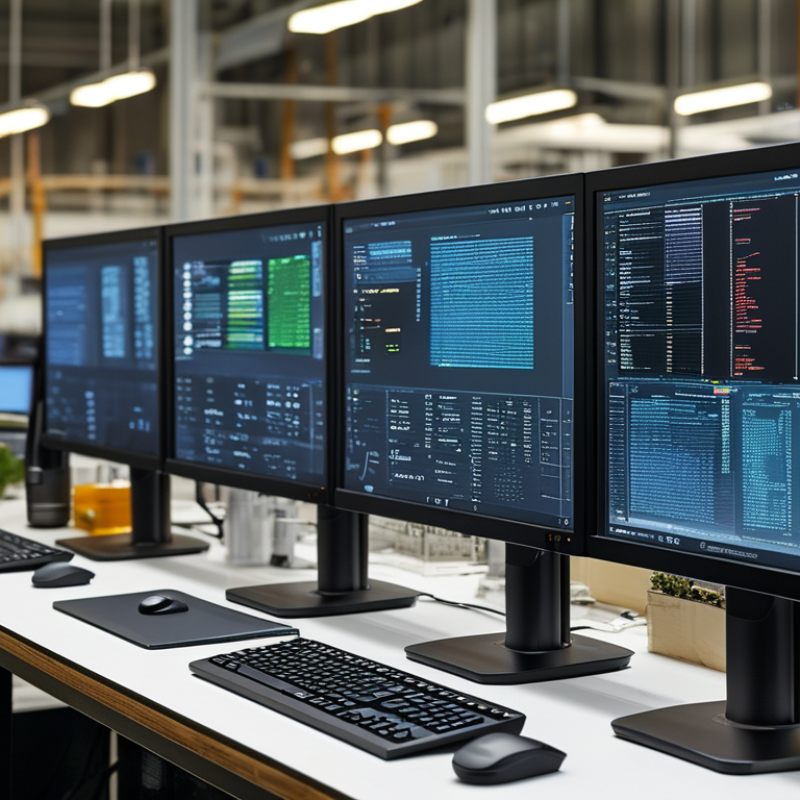
Overview of Industrial Touch Displays in 2026
As we approach 2026, the industrial touch display market reflects significant advancements driven by automation and operational efficiency. According to a recent report, the global market for industrial touch displays is projected to reach $5.6 billion by 2026, growing at a compound annual growth rate (CAGR) of 8.3%. This growth is primarily fueled by the surge in demand for smart manufacturing solutions. Factories are increasingly adopting touch displays as user interfaces for machines, enhancing usability and monitoring capabilities.
Touch displays are becoming critical in various sectors, including healthcare and logistics. For instance, in healthcare, touchscreens streamline information access for medical professionals. In logistics, they facilitate real-time monitoring of inventory levels. However, not all displays meet industrial standards. Some may not withstand the harsh environments typical in manufacturing settings. It's crucial to evaluate durability and responsiveness before selection.
When considering industrial touch displays for your operations, ensure compatibility with existing systems. Analyze user experiences and seek feedback on interfaces. Always prioritize displays that offer robust technical support. Many buyers overlook the importance of service and maintenance options, which can impact long-term performance.
Key Features to Consider for Buying Industrial Touch Displays
When selecting industrial touch displays, several key features are crucial to consider. Durability is paramount. Many environments pose risks such as dust, moisture, and extreme temperatures. According to a recent market report, nearly 30% of industrial screens fail due to environmental factors. Thus, ensuring an IP rating of at least IP65 can significantly enhance the display’s longevity.
Touch technology is another essential feature. Capacitive touchscreens offer superior responsiveness compared to resistive types, which can be crucial in fast-paced settings. The market for capacitive touch technology is projected to grow by 15% annually, reflecting its increasing preference in industries. Additionally, multi-touch capabilities can enhance usability. This allows operators to interact with the display more efficiently, making complex tasks easier.
Screen resolution should not be overlooked. A resolution of 1920x1080 pixels or higher generally offers clearer visuals, which aids operators in making quick decisions. A 2023 study indicates that higher resolution displays can improve productivity by up to 20%. Despite these advancements, it's essential to evaluate whether these features align with specific operational needs and conditions, as selecting the wrong configuration may lead to inefficiencies.
Top Brands and Models of Industrial Touch Displays
The market for industrial touch displays is evolving rapidly. As of 2023, the global industrial touchscreen display market was valued at approximately $4.5 billion. This growth reflects increased demand in manufacturing and automation sectors. Companies are increasingly adopting touch technology to enhance user experience and operational efficiency.
Key industry players are focusing on durability and responsiveness. Displays need to withstand harsh environments and constant use. Research indicates that by 2026, market growth may reach 6% annually. Leading models feature enhanced touch sensitivity, anti-glare coatings, and waterproof capabilities. These attributes ensure reliability in challenging settings.
However, there are challenges. Compatibility with existing systems remains a concern for many businesses. Choosing the right model can be daunting due to the variety of specifications. Data reveals that 30% of buyers report dissatisfaction with performance after deployment. This highlights the need for thorough evaluation during the purchasing process.
Ultimately, selecting the best industrial touch display requires careful consideration of both operational needs and technological advancements.
Applications of Industrial Touch Displays Across Various Industries
Industrial touch displays have become essential tools across various sectors. In manufacturing, they streamline processes by providing real-time data. Workers use them to monitor machine performance and track productivity. These displays can withstand harsh conditions, ensuring reliability in challenging environments.
In the healthcare industry, touch displays offer a user-friendly interface for medical professionals. They help in accessing patient records and managing equipment with ease. Yet, there are challenges, such as ensuring that these devices are compliant with health regulations. Moreover, staff training is crucial to maximize their potential.
Retail environments also benefit significantly from industrial touch displays. They enhance customer engagement through interactive kiosks. However, ensuring consistent performance in high-traffic areas proves difficult. Maintenance and updates can sometimes fall by the wayside, leading to potential downtimes that affect service. Each industry has unique needs and must adapt accordingly.
2026 Best Industrial Touch Display Applications Across Various Industries
Future Trends Impacting Industrial Touch Display Technology
The future of industrial touch display technology is shaped by several emerging trends. As industries increasingly adopt automation and IoT, touch displays will evolve to become more interactive and intuitive. Touch-sensitive surfaces will need to enhance user experience by offering seamless integration with various devices. Intuitive interfaces will be pivotal, allowing users to navigate complex systems effortlessly.
Tips: Consider investing in displays with responsive touch capabilities. This can significantly improve operational efficiency. Also, look for options that support multi-touch functionality.
Sustainability is another crucial trend. Manufacturers are focusing on eco-friendly materials for touch displays. This shift aligns with global efforts for greener technology. Moreover, displays are expected to incorporate energy-saving features to reduce power consumption, contributing to overall sustainability goals.
Tips: Evaluate products' energy ratings before purchase. Selecting energy-efficient options can reduce long-term costs and environmental impact.
As we look forward, customization will play a role in display technology. Industries will seek tailored solutions that meet specific needs. This can lead to more effective workflows and enhanced user satisfaction. Be prepared for displays that adapt to unique operational requirements, bringing forth both challenges and opportunities in design and functionality.
FAQS
: Durability is crucial. Look for displays with an IP rating of at least IP65 for longevity.
Capacitive touchscreens are more responsive than resistive ones, which is vital in fast-paced environments.
A resolution of 1920x1080 pixels or higher helps operators make quicker decisions with clearer visuals.
Increased interaction and intuition will be key as industries adopt automation and IoT technologies.
Manufacturers are using eco-friendly materials and energy-saving features to support greener technology initiatives.
Yes, tailored solutions can improve workflows and user satisfaction but may introduce design challenges.
Assess the product’s durability, touch technology, screen resolution, and energy ratings for optimal efficiency.
Multi-touch allows for more efficient interactions, making complex tasks easier for operators.
Environmental factors like dust, moisture, and temperature can lead to display failures and inefficiencies.
Absolutely! Energy-efficient options can lower long-term costs and reduce environmental impact.
Conclusion
In 2026, the landscape of Industrial Touch Displays is evolving rapidly, driven by advancements in technology and increasing demand across various sectors. These displays are essential for enhancing user interaction in environments such as manufacturing, logistics, and healthcare. When purchasing an Industrial Touch Display, buyers should consider key features like screen size, durability, resolution, and touch sensitivity, which play critical roles in usability and functionality.
The applications of Industrial Touch Displays are diverse, ranging from automation control to real-time data visualization. As industries continue to advance, trends such as increased integration of AI, improved touchscreen technology, and a focus on ergonomic designs are set to shape the future of Industrial Touch Displays. Understanding these trends will help buyers make informed decisions that align with their specific operational needs.

 Xiangrui Optoelectronics