The choice of the right Industrial Touch Panel is crucial for operational efficiency. According to a report by MarketsandMarkets, the global touchscreen market is expected to reach $64.9 billion by 2026, driven by various industries adopting advanced technologies. Choosing the appropriate panel can enhance user experience and productivity.
Industrial Touch Panels vary in specifications and technologies. Factors like resolution, durability, and interface compatibility matter significantly. For instance, panels used in harsh environments require more resilience and specific functionalities. Some panels work better in bright sunlight, while others excel in low-light conditions.
Selecting a panel isn't always straightforward. Manufacturers often present similar features, making it challenging to choose. Understanding unique needs is vital. Balancing cost against capability often requires careful consideration. Given the rapid advancement of technology, it's essential to stay informed about trends and updates. This complexity underscores the importance of making an educated choice in selecting the ideal Industrial Touch Panel.
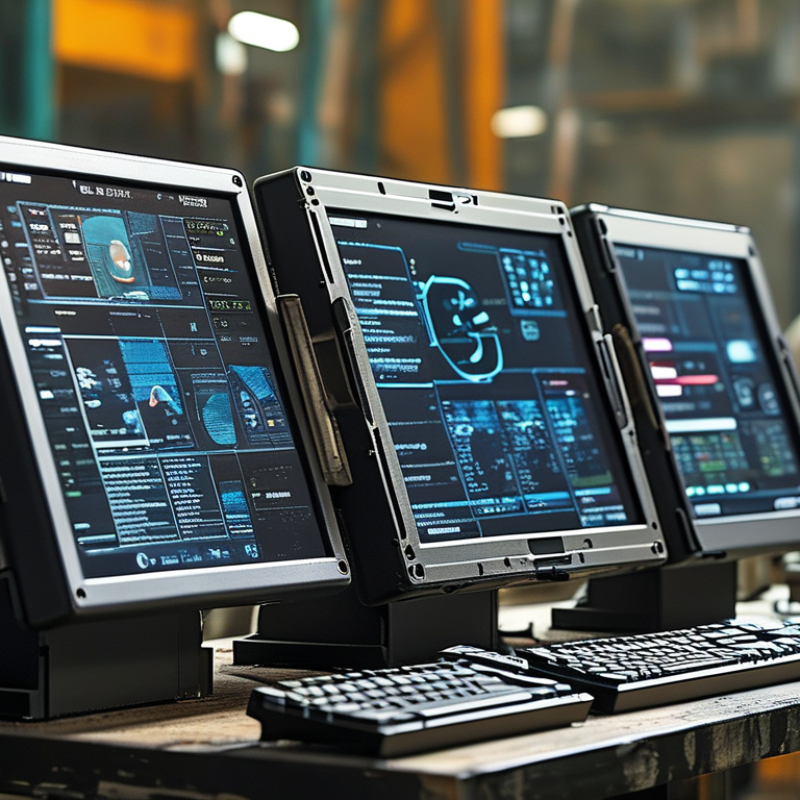
Understanding Industrial Touch Panel Types and Technologies
When selecting an industrial touch panel, understanding the types and technologies is crucial. There are several types of touch panels commonly used in industrial applications. Resistive touch screens are sensitive to pressure and are often used in environments where gloves are worn. They are affordable and simple. On the other hand, capacitive touch panels provide a more responsive experience. They can detect multiple touch points. This feature is critical in applications that require multitasking.
According to a recent industry report, the global industrial touch panel market is expected to grow at a compound annual growth rate (CAGR) of 8.5% from 2022 to 2028. This growth reflects the increasing demand for user-friendly interfaces across various industries. The study also noted that projected annual sales could reach nearly $5 billion by 2026. However, navigating this market can be complex, especially with varying specifications and technologies. Not every touch panel suits every application.
The choice between different technologies, like projected capacitive or surface acoustic wave, depends on specific use cases. For instance, projected capacitive technology offers a clearer display and better durability. Yet, it may struggle in extreme temperatures. Surface acoustic wave panels, while providing higher touch sensitivity, are more susceptible to environmental factors. Evaluating these trade-offs is essential for making an informed decision.
Evaluating Key Features and Specifications for Your Application
Choosing the right industrial touch panel requires careful evaluation of key features and specifications. One essential aspect is the display technology. Capacitive and resistive touch screens are common, each with unique benefits. Capacitive panels are known for their responsiveness and clarity. In contrast, resistive panels may perform better in harsh environments, allowing for use with gloves or in wet conditions.
Another vital specification to consider is durability. According to industry reports, over 70% of industrial equipment failures stem from environmental factors like dust and moisture. Touch panels rated with IP65 or higher offer protection against such elements. Additionally, selecting a panel with a robust housing material can enhance longevity.
Screen size and resolution also play significant roles in usability. A study from market analysts shows that 50% of users prefer larger displays for complex data visualization. Higher resolution screens provide clearer images, which can improve productivity. However, larger panels may occupy more space and require advanced integration. Balancing these factors is essential for effective application performance.
How to Choose the Right Industrial Touch Panel for Your Needs?
| Feature |
Description |
Importance |
Recommended Value |
| Screen Size |
The diagonal measurement of the screen, affecting visibility. |
High |
10" to 22" |
| Resolution |
The clarity of the displayed images, influenced by pixel count. |
High |
1920 x 1080 or higher |
| Touch Technology |
Type of touch technology used (e.g., capacitive, resistive). |
Medium |
Capacitive preferred |
| Environmental Rating |
Protection level against dust and water (e.g., IP rating). |
High |
IP65 or higher |
| Connectivity Options |
Available ports for data transfer and integration. |
Medium |
USB, Ethernet, Serial |
| Operating Temperature |
Temperature range where the device operates optimally. |
High |
-20°C to +60°C |
| Power Supply |
Type of power input required for operation. |
Medium |
AC 100-240V |
Assessing Environmental and Durability Requirements
Choosing the right industrial touch panel requires careful consideration of environmental and durability requirements. Industrial settings often expose equipment to harsh conditions. This includes extreme temperatures, humidity, and dust. Ensuring the device can withstand these factors is crucial.
When assessing environmental requirements, think about the specific conditions of your workspace. For instance, does the panel need to function in a wet environment? If so, look for IP-rated panels that provide moisture resistance. A higher IP rating indicates better protection against dust and water.
Tips: Evaluate the temperature range and humidity levels. Confirm that the touch panel meets or exceeds these conditions.
Durability is equally important. Industrial panels should be resilient to mechanical stress and chemical exposure. Consider materials used for construction. Corrosion-resistant options can prolong the panel's lifespan.
Tips: Research potential vulnerabilities of your selected panel. Check user reviews or technical specifications for real-world insights.
Lastly, consider the screen technology. Resistive screens might perform well in dusty areas, but may not offer the same clarity as capacitive screens. Assessing these factors can help in making a well-informed decision.
Determining Budget and Cost Considerations
Choosing the right industrial touch panel requires careful consideration of budget and costs. The global market for industrial touch screens is projected to grow significantly, expected to reach USD 15.3 billion by 2026. Understanding what drives costs is essential for making informed decisions.
The complexity of touch panel features greatly impacts pricing. For instance, panels equipped with advanced multi-touch capabilities and rugged designs often come at a premium. A report by Grand View Research highlights that industrial touch panels may vary from $100 to over $1,000, depending on specifications. This wide range necessitates a clear evaluation of features versus budget constraints.
Additionally, ongoing maintenance and support costs must be factored in. Some manufacturers may offer extended warranties, which add to initial costs but provide long-term value. Assessing these ongoing expenses can be challenging but is vital. Often, organizations overlook these factors, leading to unexpected financial strains. Therefore, careful analysis of both initial and hidden costs is crucial for sustainable investment decisions.
Cost Comparison of Industrial Touch Panels by Type
Exploring Integration and Compatibility with Existing Systems
When choosing an industrial touch panel, integration and compatibility are crucial factors. Many facilities use a variety of systems. The touch panel should seamlessly fit into this existing setup. Check communication protocols like Ethernet, RS-232, or Modbus. These ensure devices can exchange data effectively. A panel that doesn’t support your current systems may lead to frustration and inefficiency.
Compatibility also extends to software. An ideal touch panel should run your existing applications without major modifications. Investigate the operating systems that work best with your current devices. A mismatch can cause delays and need for retraining staff. Some panels may lack adequate support for legacy systems. This could restrict functionality and reduce your return on investment.
Moreover, consider the physical environment. Will the touch panel be exposed to dust or moisture? This can impact performance. A touchscreen that isn’t durable may fail prematurely. Look into panels that offer protective ratings, ensuring they withstand challenging conditions. Ergonomics matter too. Users should find it intuitive to use, regardless of their technical skill level. Thoughtful design promotes efficiency and enhances user satisfaction.
Conclusion
When selecting the appropriate Industrial Touch Panel for your specific needs, it's essential to understand the various types and technologies available. This foundational knowledge helps in evaluating the critical features and specifications that cater to your application's demands. Additionally, assessing the environmental conditions and durability requirements will ensure that the panel can withstand the operational challenges it may face.
Budget and cost considerations play a vital role in the decision-making process, balancing quality and financial feasibility. Finally, exploring integration and compatibility with existing systems is crucial for seamless operation and efficiency. By following these guidelines, you can make a well-informed choice when investing in an Industrial Touch Panel that best fits your requirements.

 Xiangrui Optoelectronics