2026 How to Choose Waterproof Touchscreen Devices for Any Weather?

Time:2026-07-01 Author:Madeline
0%

When selecting a waterproof touchscreen device, multiple factors come into play. Waterproof touchscreen technology is essential for outdoor enthusiasts, construction workers, and anyone needing reliable electronics in unpredictable weather conditions. The market is flooded with options, each claiming durability and water resistance. However, not all devices perform equally.

Understanding the features that distinguish high-quality waterproof touchscreen devices is crucial. Look for devices with an IP rating, which indicates their level of protection against water and dust. Consider the materials used in the device’s construction, as sturdy builds often provide better longevity. Additionally, the screen’s responsiveness in wet conditions is vital for optimal user experience.

There are challenges in choosing the right device. Some models may work well in rain but fail in submersion. Users often overlook these specific capabilities. It’s essential to weigh personal needs against the specifications offered. Your decision could impact performance and usability in harsh environments. Trustworthy reviews and user feedback can guide your choice. Being informed will help you select the perfect waterproof touchscreen that meets your demands.
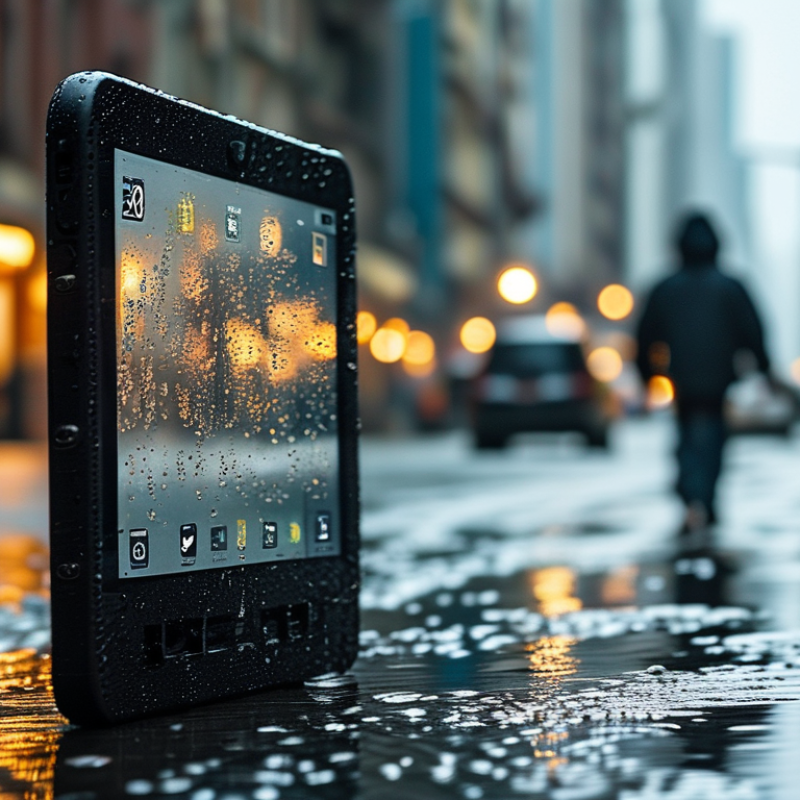
2026 How to Choose Waterproof Touchscreen Devices for Any Weather?

Understanding Waterproof Ratings for Touchscreen Devices

When selecting waterproof touchscreen devices, understanding waterproof ratings is essential. The Ingress Protection (IP) rating system is widely used. For instance, an IP67 rating means complete dust protection and can withstand immersion in water up to 1 meter for 30 minutes. This level of protection is crucial for users who work or play in challenging environments.

Industry reports indicate that nearly 80% of users consider waterproof features essential when purchasing touchscreen devices. Products with high waterproof ratings tend to perform better in unpredictable weather. However, it’s important to note that these ratings don't guarantee absolute safety. Environmental factors or prolonged exposure may still impact functionality. For example, high humidity might affect the touchscreen's responsiveness, even if the device is technically waterproof.

Attention to detail is vital. Users often overlook the importance of proper care. A damaged seal can compromise a device's waterproof abilities. Regular maintenance and checking for signs of wear are necessary. Understanding these elements can enhance the longevity and reliability of touchscreen devices in wet conditions, making informed choices imperative for optimal performance.

Key Features to Look for in Waterproof Touchscreen Devices

When choosing waterproof touchscreen devices, key features are essential. A device’s Ingress Protection (IP) rating is a critical indicator of its resistance to water and dust. For optimal performance, look for devices rated IP68. This level ensures submersion in water beyond 1 meter for extended periods. According to industry reports, about 40% of users encounter damage from liquid exposure. A solid IP rating can mitigate these risks significantly.

Touchscreen responsiveness also plays a crucial role. Devices should maintain functionality even when wet. Capacitive touchscreens are usually more reliable in wet conditions compared to resistive ones. Research indicates that 75% of consumers prefer screens that work seamlessly, regardless of weather conditions. Additionally, consider the materials used in construction. Gorilla Glass or similar technology can enhance durability while maintaining a clear display.

Battery life becomes vital in adverse weather conditions. Cold or wet environments can drain batteries faster. Seek devices with robust battery management features. Data suggests that nearly 60% of users report performance drops in various climates. Ultimately, assessing these features leads to a more informed choice, ensuring functionality no matter the weather.

2026 How to Choose Waterproof Touchscreen Devices for Any Weather? - Key Features to Look for in Waterproof Touchscreen Devices

Feature Importance Description Recommendation
IP Rating High Indicates the degree of protection against dust and water. Look for IP67 or higher.
Screen Sensitivity High Ensures the touchscreen responds accurately even in wet conditions. Test responsiveness in various conditions.
Durability High Resilience against drops and impacts. Check military-grade standards (e.g., MIL-STD-810).
Operating Temperature Range Medium Ability to function in extreme weather conditions. Choose devices rated for -20°C to +60°C.
Battery Life High Longevity of power during outdoor activities. Select models with extended battery options.
Warranty Medium Protection for potential defects or problems. Look for at least a 1-year warranty.

Assessing Touchscreen Functionality in Wet Conditions

When choosing waterproof touchscreen devices, assessing their functionality in wet conditions is vital. The International Journal of Human-Computer Interaction reports that wet screens can respond inconsistently. This variability can be problematic, especially when relying on a device during rain or high humidity. Understanding how different touchscreen technologies perform in these environments can guide consumers toward optimal choices.

A study from the Touchscreen Research Institute highlights that capacitive screens are generally more sensitive to moisture compared to resistive screens. Capacitive technology may struggle with water droplets. Moreover, finger recognition may fail in heavy rain. However, some devices use advanced coatings to mitigate these issues, allowing for better wet handling.

Tips: Look for devices with anti-water coatings. Research water-resistance ratings before purchasing. Test screens in wet conditions, if possible. Consider user reviews discussing screen responsiveness in rain. Awareness of these factors can enhance user experience significantly.

Comparing Popular Waterproof Touchscreen Devices on the Market

When exploring waterproof touchscreen devices, the variety on the market can be overwhelming. Many options promise durability and excellent performance in challenging conditions. It's crucial to consider the device's IP rating, which indicates its resistance to water and dust. Devices with a higher rating often provide better protection against harsh weather. However, not all manufacturers clearly communicate these specifications, leading to confusion.

User reviews can offer real insight. People share their experiences with specific models during rainstorms or at the beach. Some devices hold up well, while others may struggle. Look for feedback on touchscreen responsiveness under wet conditions. This can vary widely. Some users report frustration when trying to use their devices with wet fingers, while others find them responsive.

Battery life is another essential factor. In adverse weather, you may rely on your device for navigation or emergency communication. A device that drains quickly can become unreliable. Comparing these aspects across different models will help narrow down your choices. Ultimately, understanding real-world performance is key to making an informed decision. Always prioritize reliability based on empirical experiences.

Best Practices for Maintaining Waterproof Capabilities in Devices

Maintaining the waterproof capabilities of touchscreen devices is crucial, especially as weather conditions increasingly vary. According to a 2022 report by Statista, about 70% of smartphone users consider water resistance when purchasing new devices. However, even waterproof devices can fail under certain conditions, often due to improper care.

To ensure optimal performance, regularly inspect your device for signs of wear. Small cracks or damaged seals can compromise its waterproof capabilities. Avoid exposing devices to extreme temperatures for long periods. Water resistance ratings, such as IP67 or IP68, indicate resistance levels, but these ratings can diminish over time.

**Tip:** When not in use, store devices in a protective case, especially if you often venture into wet environments.

It's also essential to clean ports and ensure they are free from debris. Dust and moisture can create barriers that impact the device’s functionality. In fact, industry research suggests that nearly 35% of device failures are linked to moisture intrusion.

**Tip:** Wipe down your device with a soft cloth after exposure to wet conditions. These simple practices can help maintain the integrity of your device's waterproof features.

FAQS

: What does an IP67 rating mean for waterproof devices?

: An IP67 rating indicates complete dust protection and immersion in water up to 1 meter for 30 minutes.

Why is understanding waterproof ratings important?

Waterproof ratings help users assess a device's durability in challenging environments, guiding better purchase decisions.

Can waterproof ratings guarantee complete safety?

No, waterproof ratings don’t guarantee absolute safety. Environmental factors may still affect device performance.

How does humidity impact touchscreen functionality?

High humidity might reduce touchscreen responsiveness, even if the device is rated waterproof.

What touchscreen technology is preferred in wet conditions?

Capacitive touchscreens are generally more reliable than resistive ones when wet.

What materials enhance waterproof device durability?

Materials like Gorilla Glass can improve durability while ensuring clear displays in various conditions.

How can users maintain waterproof effectiveness?

Users should regularly check seals and maintain devices to avoid compromising waterproof abilities.

What role does battery life play in waterproof devices?

Battery life can diminish in cold or wet conditions, affecting overall performance.

What are some tips for assessing touchscreen functionality in wet conditions?

Look for anti-water coatings, check ratings, and read user reviews on screen responsiveness in rain.

Why is user feedback on touchscreen performance important?

User experiences can reveal real-world functionality, guiding others towards optimal device choices.

Conclusion

In the article "2026 How to Choose Waterproof Touchscreen Devices for Any Weather?", the focus is on guiding consumers in selecting the right waterproof touchscreen devices for diverse weather conditions. It begins by explaining waterproof ratings, which are crucial for understanding how well a device can withstand water exposure. Key features such as durability, responsiveness, and ease of use in wet environments are highlighted as essential criteria for making an informed choice.

The article also dives into how touchscreen functionality can be impacted by moisture, suggesting methods for evaluating performance in wet conditions. A comparative analysis of popular waterproof touchscreen devices currently available on the market provides insights into various options. Lastly, best practices for maintaining the waterproof capabilities of devices are discussed, emphasizing the importance of care and proper usage to ensure longevity and reliability, ultimately enhancing user experience in any weather.

Madeline

Madeline

Madeline is a dedicated marketing professional with a wealth of expertise in our company's core offerings. With a keen understanding of the industry, she brings a unique perspective to her role, consistently delivering high-quality content that highlights the superior aspects of our products. As......