The demand for Outdoor Touch Screens has surged in recent years. According to a report by MarketsandMarkets, the global market for outdoor displays is expected to reach $24 billion by 2025, growing at a compound annual growth rate of 10%. This growth is driven by increased adoption in sectors such as retail, transportation, and tourism. Experts highlight the importance of durability and visibility in outdoor environments.
John Smith, a leading analyst in the outdoor display industry, noted, “The future depends not only on technology but also on user experience.” This perspective emphasizes that delivering reliable and interactive touch solutions is critical. Brands must ensure their Outdoor Touch Screen products withstand adverse weather and provide clear visibility under sunlight.
However, the marketplace faces challenges, including cost and maintenance. While many businesses invest heavily in outdoor technology, some underestimate the importance of ongoing support. Customers often seek robust solutions but may overlook potential long-term costs. Engaging with industry experts can guide better decision-making. It’s essential to reflect on these aspects to optimize user experience in a growing field.
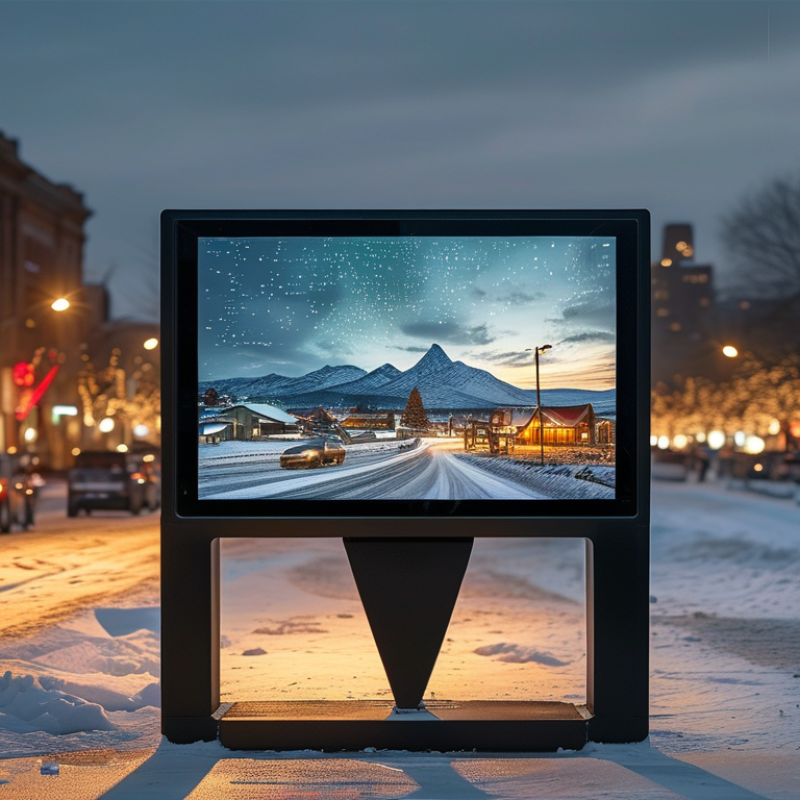
Outdoor touch screen technology has rapidly evolved. These screens are designed to withstand harsh weather conditions. They offer durability and visibility in bright sunlight. Many industries utilize these screens, including retail, transportation, and tourism.
Applications vary widely. In retail, touch screens enhance customer engagement. They serve as digital kiosks, providing information and promotions. In transportation hubs, they assist in navigating complex environments. People can access real-time updates and schedules effortlessly.
However, some challenges remain. The technology can be sensitive to extreme temperatures. Touch accuracy may wane in heavy rain or snow. Manufacturers continually adjust designs to improve functionality. It's essential for potential buyers to weigh these factors carefully. Understanding the environment and specific needs is crucial for successful implementation.
When selecting outdoor touch screen solutions, several key features must be considered. The display's brightness is crucial. Outdoor screens should have high brightness levels to remain visible under direct sunlight. Look for screens with a brightness rating of at least 3000 nits. This ensures clear visibility in various lighting conditions.
Durability is another essential factor. Outdoor touch screens are exposed to weather elements. They should have a high IP rating, ideally IP65 or above, to protect against dust and water. A rugged design can withstand physical impacts and temperature fluctuations. Additionally, ensure the screen uses a strong anti-glare coating to enhance usability.
Tips for choosing wisely: pay attention to the touch technology used. Resistive and capacitive touch screens offer different benefits. Resistive screens are more affordable but less sensitive. Capacitive screens provide a better user experience, responding to light touch. Lastly, consider the installation method. Some solutions are easier to mount and maintain, which can save time and resources in the long run. Be sure to reflect on your specific needs and usage scenarios to find the best fit.
When evaluating outdoor touch screen displays, several factors come into play. Buyers often seek durability, brightness, and responsiveness. Many screens feature sunlight-readable technology. This enhances visibility during bright conditions. Advanced weatherproofing protects against moisture and dust. These attributes contribute to their overall reliability.
Brand A stands out for its robust construction and high brightness levels. Users appreciate its high contrast ratio, ensuring clear images. However, the price point can be a barrier for some buyers. On the other hand, Brand B offers a cost-effective option. While it lacks some high-end features, it performs adequately in various outdoor settings. It's a choice for budget-conscious buyers.
Another contender, Brand C, excels in touch sensitivity. Users often report a seamless experience in interactive environments. Yet, its weatherproofing is not as reliable as its competitors. This raises concerns for long-term use in harsher climates. Each brand has strengths and weaknesses. Potential buyers must consider their specific needs before making a decision.
Outdoor touch screens must withstand various environmental challenges. Factors like temperature fluctuations, rain, and dust can affect performance. Evaluating durability is crucial for selecting the right solution. Some touch screens claim to be weatherproof but may fall short in real-world settings. It’s essential to consider the materials used and the testing standards applied.
Weather resistance also involves how screens handle UV exposure. Prolonged sunlight can cause fading and degradation over time. Many screens struggle with glare under bright conditions, making them hard to use. Reflective surfaces often amplify these issues. Users should test screens in sunlight to determine visibility and functionality.
Moreover, accidental impacts are a common concern. Touch screens in outdoor locations face the risk of vandalism and rough handling. Therefore, a robust design is necessary. Features like reinforced glass or protective coatings enhance resilience. But not all products offer the same level of protection. Always verify claims through third-party testing results to ensure reliability before making a purchase.
The world of outdoor touch screens is evolving rapidly. Innovative designs now integrate durable materials to withstand harsh conditions. Manufacturers focus on creating screens that are not only weather-resistant but also user-friendly. Features like anti-glare technology enhance visibility in sunlight. This is crucial for busy outdoor environments, where users need clear interaction.
Touch response is another area where advancements have been made. Capacitive touch technology is increasingly common. It allows for quick, accurate touches, which can improve user experience. However, challenges remain in ensuring functionality during heavy rain or extreme temperatures. Users often report frustrations when screens aren't responsive, especially in critical situations.
Tips: When selecting an outdoor touch screen solution, consider the viewing angle. A broader angle can improve user experience significantly. Test screens under various weather conditions to ensure reliability. Lastly, remember that screen size matters. A larger display can attract more users but might require more installation space. These insights are valuable for anyone looking to invest in touch screen technology.
: Look for a brightness rating of at least 3000 nits. This ensures visibility in direct sunlight.
Outdoor screens face weather elements. A high IP rating, ideally IP65, protects against dust and water.
Resistive screens are cheaper but less sensitive. Capacitive screens are more responsive to light touches.
Some solutions are easier to mount and maintain. Consider options that save you time and resources.
Not all screens claiming weatherproofing deliver. Check materials and testing standards for reliability.
UV exposure can cause fading and degradation, affecting performance over time. Test visibility in bright conditions.
Look for reinforced glass or protective coatings. Not all products offer the same impact protection.
Touch sensitivity matters for interactivity. A seamless experience enhances usability in various environments.
Cost-effective options may lack high-end features. Assess which attributes are necessary for your specific needs.
Yes, reflective surfaces can amplify glare, making screens harder to use. Test screens under direct sunlight.
The article "Top Outdoor Touch Screen Solutions for Global Buyers" provides a comprehensive overview of outdoor touch screen technology and its diverse applications. It emphasizes the importance of understanding key features when selecting outdoor touch screen solutions, such as visibility, responsiveness, and ease of use in various lighting conditions.
Furthermore, the article compares leading brands in the outdoor touch screen market while evaluating critical aspects like durability and weather resistance, which are essential for ensuring long-term functionality in outdoor settings. Additionally, it explores innovative trends in the design and functionality of outdoor touch screens, highlighting advancements that enhance user experience and interaction. Overall, the article serves as a valuable guide for global buyers looking to invest in high-quality outdoor touch screen technology.

Xiangrui Optoelectronics