Choosing the right POS touch screen for your business can be challenging. With many options, it's essential to focus on your specific needs. A reliable POS touch screen can streamline operations, enhance customer experience, and boost sales.
Consider how your business operates. Are you in retail or hospitality? Each sector requires different features. Some touch screens focus on durability, while others emphasize screen clarity. Your choice should reflect the unique demands of your environment.
Think also about integration. Will your POS touch screen work smoothly with existing systems? Compatibility can save time and reduce hassle. Don’t overlook the importance of customer support. Knowledgeable service can guide you through challenges. Ultimately, invest time in understanding your options. The right choice can make a significant difference.
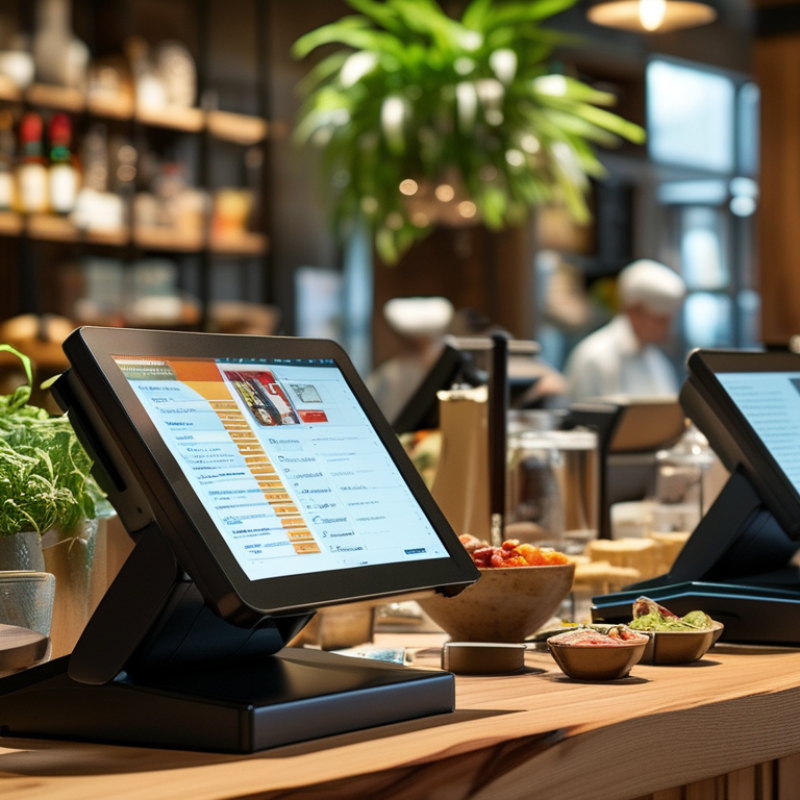
When selecting a POS touch screen system, understanding its key features is crucial. A report by MarketsandMarkets indicates that the global POS terminal market is projected to reach $100 billion by 2025, highlighting its increasing relevance in retail and hospitality sectors. One major feature to consider is screen size. Larger screens enhance usability, allowing staff to handle transactions more efficiently. In fact, a 2022 survey noted that 70% of businesses found that larger screens improved employee satisfaction and performance.
Touch sensitivity is another critical attribute. A responsive touchscreen reduces customer wait times and enhances the overall experience. According to a study by J.D. Power, 82% of customers prefer a quick checkout process. Thus, investing in a high-quality touch screen can yield higher customer retention rates. Additionally, consider the software compatibility of your POS system. Systems that easily integrate with inventory and customer management software streamline operations. However, many users have reported difficulties in finding compatible solutions, resulting in inefficiencies.
Lastly, durability matters. POS systems are subject to daily wear and tear. Choosing a robust touch screen can minimize replacement costs. The industry standard suggests a lifespan of at least five years, but many businesses overlook the need for regular maintenance. Investing in a reliable system means prioritizing features that ensure longevity and support, creating a balance between initial costs and long-term value.
When selecting a POS touch screen for your business, understanding various touch screen technologies is crucial. Each type offers unique advantages and limitations that can significantly affect your operations.
Capacitive touch screens are popular for their responsiveness. They detect touch through electrical properties of the skin. This technology allows for multi-touch capabilities, making it ideal for complex tasks. However, direct contact with the screen may cause issues in some environments.
Resistive touch screens operate differently. They respond to pressure applied to the screen. While generally less sensitive than capacitive screens, they work well in various settings, even with gloves. However, they lack the clarity and responsiveness of capacitive screens. This trade-off can impact user experience.
Infrared touch technology presents another option. It uses an array of sensors to register touch. This allows for accurate detection without physical pressure, making it versatile. Yet, it can be more susceptible to environmental interference. Each type has its strengths and weaknesses, and careful consideration is essential. Selecting the right technology requires balancing these factors with your specific business needs.
When choosing a POS touch screen, size and form factor play critical roles. Businesses must carefully consider their workspace. A small café may benefit from a compact system, while a larger retail store needs a more expansive interface. Choosing the right size ensures your employees can serve customers efficiently without the device hindering movement.
Evaluate how the screen will be used. A fixed setup might require a larger display, while mobile units should be lightweight. It’s also essential to think about customer interaction. Touchscreens should be user-friendly but not overly large, making the workflow awkward. Your choice impacts both staff efficiency and customer experience.
Tip: Look for a screen with a responsive touch function. It enhances user interactions, speeding up transactions. Consider customer feedback on size. They might feel overwhelmed by a screen that’s too big or distracted by one that’s too small. Adapt to your audience's preferences for a better engagement strategy.
When selecting a POS touch screen for your business, compatibility is crucial. You must ensure that the new system works seamlessly with your existing software. This includes inventory management, accounting, and customer relationship tools. A lack of integration can lead to data silos and increased manual work. Consider how information flows between systems. A well-integrated POS can automate many processes, improving efficiency.
Evaluate the integration capabilities of the touch screen system. Look for open APIs that allow customization. Software flexibility is essential, especially as your business grows. Rigid systems may become a hindrance over time. Take the time to assess vendor support as well. Reliable assistance can make a significant difference in your operational efficiency.
Look for user feedback on software performance. Real-world experiences can highlight potential issues. If reviews mention difficulties integrating with common applications, take note. Many businesses overlook software limitations during their selection process. A thorough evaluation can help avoid costly mistakes. Consider this a critical investment in your business's future.
Choosing the right POS touch screen for your business involves evaluating costs against long-term ROI. According to recent industry reports, businesses typically recoup their POS system investment within two years. This period crucially depends on factors such as transaction volume and enhanced customer experience.
Initial costs may appear daunting, especially for high-end models. However, consider that a reliable POS system can improve operational efficiency. For instance, a 2022 study indicated that businesses with efficient POS systems report a 30% increase in transaction speed. Companies that prioritize customer engagement see a corresponding boost in sales.
Maintenance costs are another critical factor. Although higher-end systems may have greater upfront costs, their durability can lead to lower maintenance expenses over time. A poor choice can result in higher long-term costs and potential revenue losses. Thorough analysis ensures you choose a system that fits both your current budget and your long-term growth potential. Striking the right balance between initial investment and long-term benefits is essential for sustainable business success.
| Feature | Cost ($) | Average Lifespan (Years) | Estimated Yearly ROI (%) | Notes |
|---|---|---|---|---|
| Basic Touch Screen | 300 | 3 | 20 | Good for small businesses |
| Mid-Range Touch Screen | 600 | 5 | 25 | Perfect for growing businesses |
| High-End Touch Screen | 1200 | 7 | 30 | Best for enterprises and extensive usage |
| All-In-One System | 1500 | 6 | 40 | Includes hardware and software |
: Compatibility ensures seamless operation with existing systems like inventory and accounting. It reduces manual work.
Look for open APIs that allow customization. Flexibility is important as your business grows.
Lack of integration leads to data silos and inefficiencies. It can increase manual work and errors.
Real-world experiences provide insights into potential issues. Reviews help identify integration difficulties.
Initial costs may seem high, but efficient systems can lead to significant returns within two years.
Higher-end models may cost more initially but often have lower maintenance costs over time.
A poor choice can lead to higher long-term costs and lost revenue. Evaluating options is crucial.
Efficient POS systems can increase transaction speed, enhancing customer experience and driving sales growth.
Factors include transaction volume, customer experience, and overall operational efficiency.
Reliable vendor support enhances operational efficiency. It can assist in resolving issues quickly and effectively.
Choosing the right POS Touch Screen is crucial for optimizing business operations. When selecting a system, consider key features such as durability, ease of use, and responsiveness to ensure it meets your daily business needs. Understanding the different types of touch screen technologies available, such as capacitive or resistive, will help you make an informed decision based on your environment and usage requirements.
Additionally, evaluating the size and form factor is essential, as it should fit comfortably in your workspace while being easy for staff to operate. Assessing software compatibility and integration capabilities is another critical aspect, ensuring the POS Touch Screen can seamlessly connect with your existing systems. Lastly, it’s important to analyze the cost versus long-term ROI, as investing in a high-quality POS Touch Screen can lead to significant savings and efficiency improvements in the long run.

Xiangrui Optoelectronics