Digital Touch Screen technology has moved from a smartphone feature into a critical interface for retail, healthcare, education, transport, manufacturing, and public services. Capacitive panels now appear in checkout terminals, hospital consoles, factory dashboards, and interactive classroom displays. The market is expanding, but its boundaries are not perfectly defined.
MarketsandMarkets estimated the global touchscreen market at approximately USD 77.6 billion in 2022, with strong growth projected through 2027. Grand View Research also reported sustained expansion, although its market scope and valuation differ. This difference matters. Some reports include touch modules, while others count complete display systems. Buyers should examine methodology before accepting any headline figure.
Performance is no longer measured by size alone. Manufacturers compete through touch accuracy, optical clarity, glove compatibility, durability, low power consumption, and integration support. In a busy retail store, a screen must respond quickly despite fingerprints and constant use. In a medical environment, reliability and cleanability become equally important. Small technical choices can affect the user experience.
This overview examines the Top 10 Digital Touch Screen Manufacturers Worldwide through practical and industry-focused criteria. These include production capability, product diversity, innovation, quality systems, global reach, and application expertise. The ranking should not be treated as absolute. Regional strengths, project requirements, and reporting standards can change the result. Still, the comparison offers a useful starting point for companies selecting dependable display partners in a competitive market.
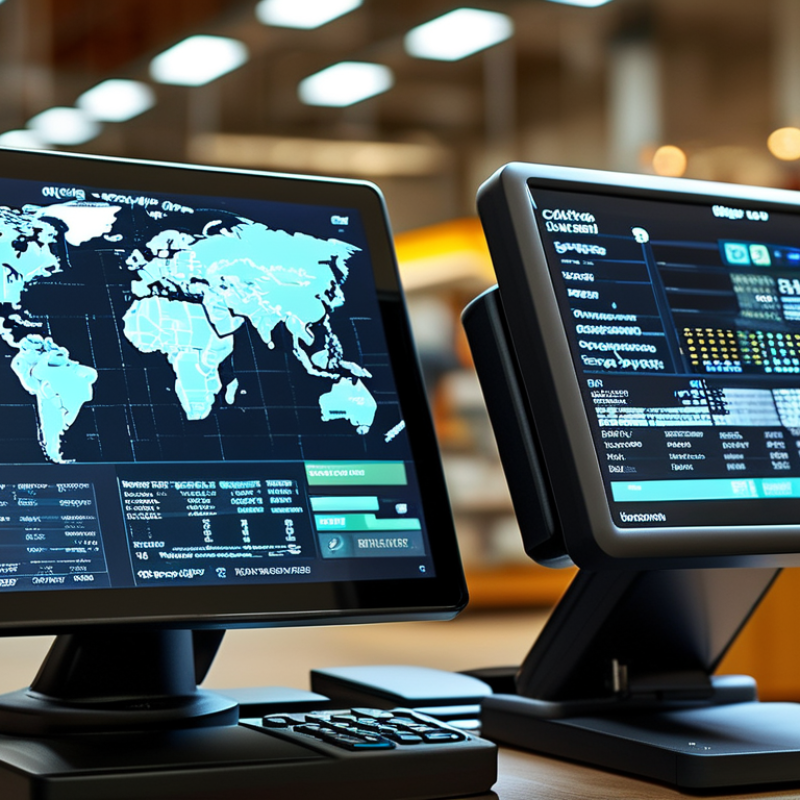
Digital touch screens are display panels that detect a user’s finger, stylus, or gloved hand and convert contact into digital commands. They combine a visual interface with a sensing layer, reducing the need for physical buttons. Common types include resistive, projected capacitive, infrared, and surface acoustic wave screens. Each behaves differently. Resistive panels tolerate dust and gloves, while capacitive panels usually deliver faster, clearer multi-touch control.
Market data shows strong demand across commercial and industrial environments. Grand View Research reported that the global touch screen display market was valued at approximately USD 76 billion in 2023. Its forecast suggests continued growth through 2030. Estimates vary by report scope, however. That difference deserves attention, because some studies include interactive displays, while others count only touch modules. The figures are useful, but not perfectly comparable.
Applications range from self-service kiosks and classroom boards to vehicle dashboards, hospital equipment, factory controls, and retail terminals. In a busy clinic, a sealed screen with easy disinfection matters more than decorative brightness. In manufacturing, operators may need reliable control with gloves, oil, vibration, and changing temperatures. Projected capacitive technology offers precise gestures, but moisture can reduce accuracy without suitable tuning. Infrared systems support larger formats, though their frames may collect dust. Buyers should test the complete device in real conditions, not only inspect the panel specification. That practical step is often missed.
Smartphones are one of the largest application categories for projected-capacitive touchscreens. The chart shows worldwide smartphone shipments from 2020 to 2024, measured in millions of units. Shipments declined after the 2021 peak and began recovering in 2024.
Data basis: publicly reported worldwide smartphone shipment estimates; units are millions.
Touch screen manufacturing combines materials science, electronics, and precise assembly. Projected capacitive technology remains common in phones, control panels, and public devices. It detects changes in electrical fields across transparent electrodes. These electrodes often use indium tin oxide or newer metal-mesh structures. Resistive panels still serve environments requiring gloves, pressure input, or simple operation. Each design involves compromises. Sensitivity, durability, cost, and optical clarity rarely improve together.
The touch controller converts weak electrical signals into accurate screen coordinates. Firmware then filters noise, rejects accidental touches, and supports gestures. Optical bonding joins the cover glass, sensor, and display with adhesive. This reduces internal reflections and improves outdoor readability. Anti-glare coatings can help, but they may slightly soften image sharpness. Manufacturers also test temperature changes, humidity, impact, chemical exposure, and electromagnetic interference. A small calibration drift can create frustrating errors. No process is flawless.
Tips: Check the panel’s intended environment before selecting its technology. Ask for glove, moisture, sunlight, and abrasion test data. Examine edge sealing and bonding quality closely. Test real samples, not only specification sheets. Some performance claims look impressive, yet field conditions can expose weaknesses. Reliable suppliers should explain controller settings, quality controls, and expected service limits clearly.
Criteria for Ranking Global Touch Screen Manufacturers
A global ranking should measure more than production volume or promotional claims. A credible method starts with verified manufacturing capacity, technical records, and customer support performance. Public certifications matter, but factory evidence matters more. Auditors should review clean-room controls, calibration logs, and production traceability.
Product reliability deserves the highest weight. Test panels under repeated taps, wet fingers, gloves, dust, and temperatures from -20°C to 70°C. Measure touch latency, brightness consistency, surface hardness, and false-input rates. A strong manufacturer should provide stable results across different panel sizes. Independent laboratory testing can expose weaknesses hidden by factory samples.
Supply resilience also affects ranking quality. Review component sourcing, backup production lines, repair procedures, and average response times. Ask how the supplier handles a failed batch. That answer reveals practical experience. Environmental performance should include energy use, material reduction, packaging, and responsible recycling processes. Compliance records must be current and verifiable.
Price should not dominate the score. Low bids may conceal higher failure rates and replacement costs. A transparent ranking can use weighted criteria, such as reliability, technical capability, service, delivery stability, compliance, and total ownership cost. The weighting still requires judgment. A method that looks precise may overlook regional labor limits or unusual climate conditions. That imperfection should remain visible, rather than being hidden behind a neat score.
The leading digital touch screen manufacturers differ in scale, engineering focus, and regional strength.
A precision display maker serves medical equipment with low-glare glass and strict calibration records. An industrial specialist builds rugged panels for factory floors, where dust and gloves are constant concerns. A consumer electronics producer prioritizes slim bezels, vivid colors, and fast mass production. An automotive supplier tests screens against heat, vibration, and changing light.
A commercial display manufacturer develops large interactive panels for classrooms and meeting rooms. A point-of-sale specialist focuses on reliable touch response, compact housings, and simple maintenance. An outdoor display producer adds stronger brightness, sealed frames, and weather-resistant coatings. A flexible-screen developer experiments with curved surfaces, lighter structures, and new assembly methods.
The results can be impressive. Durability still needs proof.
Another manufacturer concentrates on embedded touch modules for appliances and smart equipment. It often provides customized sizes, interface boards, and production support. A research-driven supplier invests in optical bonding, improved sensor accuracy, and lower power use.
Across these profiles, professional buyers should inspect more than product images. They should review test methods, sample aging results, touch performance with wet fingers, and replacement lead times. Factory visits can reveal details that brochures omit, including uneven edge finishing or rushed quality checks.
No manufacturer is perfect. Even strong suppliers may struggle with supply changes, software integration, or inconsistent performance across batches. Careful audits and real-use trials remain essential.
The global digital touch screen market is moving toward thinner panels, brighter displays, and lower energy use. Manufacturers now combine projected capacitive touch with stronger glass and improved glove detection. Demand is rising in retail, healthcare, transport, education, and industrial control rooms. These environments require different performance standards. A kiosk may need fast response, while a factory panel needs resistance to dust, vibration, and chemical cleaning.
Manufacturer selection should begin with the application, not the ranking. Top 10 lists offer visibility, but they can hide major differences in production quality. Buyers should examine touch accuracy, viewing angles, brightness, operating temperature, and expected service life. Certification records also matter. Reliable suppliers provide test documentation, traceable components, and clear warranty terms. Delivery capacity deserves attention too. A technically excellent manufacturer may still fail when spare panels arrive slowly.
Practical evaluation is essential. Request samples and test them under real lighting, wet fingers, protective gloves, and repeated touches. Check whether the screen remains readable beside a sunny window. Ask for failure-rate data, repair procedures, and software integration support. Pricing can mislead. A cheaper panel may increase installation labor or replacement costs. No scorecard is perfect. I would also question unusually broad performance claims, especially when independent testing is missing. Regional support, communication speed, and customization flexibility often influence long-term results more than a polished product brochure.
: It detects fingers, styluses, or gloved hands. Contact becomes a digital command. Physical buttons may be reduced.
Common types include resistive, projected capacitive, infrared, and surface acoustic wave screens. Each type behaves differently.
Resistive screens usually tolerate gloves, dust, and basic workplace contamination. They may offer less fluid multi-touch control.
They provide quick responses, clear images, and precise gestures. Moisture can reduce accuracy without proper tuning.
They appear in kiosks, classrooms, vehicles, hospitals, factories, retail terminals, and transport systems.
Test wet fingers, gloves, dust, bright sunlight, repeated touches, vibration, and changing temperatures. Test the complete device.
Healthcare screens should have sealed surfaces for easy disinfection. Factory screens need resistance to oil, vibration, dust, and cleaning chemicals.
Review reliability, production records, technical support, delivery stability, compliance, and total ownership cost. Test samples independently when possible.
Not always. Reports may count different products, making figures difficult to compare. Rankings can also hide regional or climate-related limits.
A low price may conceal failures, repairs, installation work, or delayed replacements. The cheaper option may cost more later.
Digital Touch Screen technology has become an essential interface solution across education, retail, healthcare, transportation, hospitality, industrial automation, and consumer electronics. This article explains the definition, major types, and practical applications of touch screens, while introducing core manufacturing technologies such as projected capacitive sensing, infrared detection, resistive touch systems, display integration, protective glass processing, and precision assembly. It also examines how manufacturers are evaluated through product quality, technological capability, customization options, production capacity, reliability, energy efficiency, service support, and global market experience.
The overview presents ten leading categories of worldwide manufacturers without focusing on specific brand names, helping readers understand the strengths and specializations that distinguish suppliers in this competitive industry. It also discusses current trends, including larger interactive displays, improved durability, multi-touch performance, lower power consumption, smarter interfaces, flexible designs, and stronger demand for customized solutions. These insights can help businesses compare suppliers and select a suitable Digital Touch Screen partner according to application requirements, budget, performance expectations, and long-term development goals.

Xiangrui Optoelectronics