High-sensitivity projected capacitive (PCAP) panel configurations optimized for human-machine interfaces, ruggedized control panels, and diagnostic medical displays.
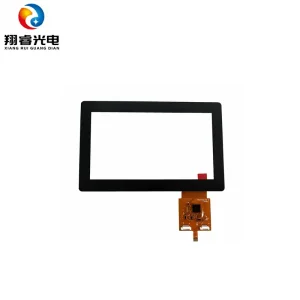
Premium multi-touch integration engineered for clinical monitors and portable healthcare devices.
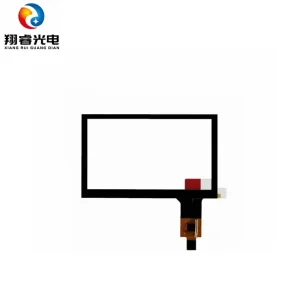
Ergonomic, low-power touchscreen designed to withstand drops and industrial environments.
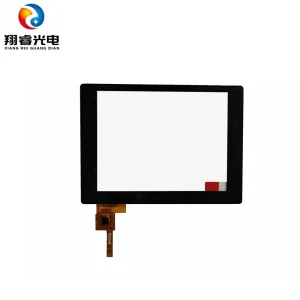
Equipped with Anti-Glare treatment and high luminance capabilities for daylight readability.
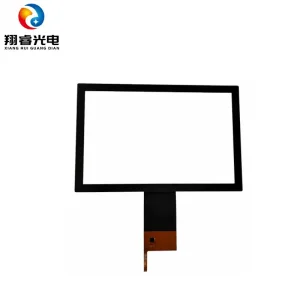
Seamless automotive-grade reliability, supporting glove touch and rain-rejection firmware.
As Australia's manufacturing powerhouse, Victoria—specifically the tech and industrial hubs of Melbourne, Dandenong, and Clayton—is witnessing a swift migration toward smart automation. The demand for ruggedized capacitive touch interfaces has escalated beyond simple customer kiosks. Today, Melbourne's defense contractors, biomedical labs, and agricultural innovators require screen technologies that can withstand harsh operating environments.
Whether it is managing variable weather conditions in outdoor ticketing terminals at Southern Cross Station or maintaining sterilizable surfaces in medical research centers adjacent to the Melbourne Biomedical Precinct, standard commercial touchscreens often fall short. We bridge this gap by delivering projected capacitive panels constructed with optical bonding, anti-reflective (AR) glass, and robust electromagnetic compatibility (EMC) firmware to ensure zero downtime.
Developing dependable human-machine interfaces involves selecting correct optical paths, controller ICs, and robust cover lens coatings.
We configure controllers from industry leaders like EETI, Ilitek, and FocalTech to resolve issues with high electrical noise. Our custom firmware filtering mitigates interference from AC machinery, high-voltage lines, and RF transmitters common in industrial Melbourne sites.
Combat high lux environments with physical surface treatments: Anti-Glare (AG) chemical etching to scatter ambient reflections, Anti-Reflective (AR) vacuum deposition coatings for maximum transmissivity, and Anti-Fingerprint (AF) oleophobic treatments for effortless maintenance.
By filling the air gap between the LCD panel and the capacitive sensor with Liquid Optically Clear Adhesive (LOCA) or dry OCA films, we eliminate internal reflections, prevent condensation under high-humidity conditions, and bolster shock resistance by up to 300%.
| Performance Indicator | Projected Capacitive (PCAP) | Resistive Touch Panel (4-Wire/5-Wire) | Typical Melbourne Application Suitability |
|---|---|---|---|
| Clarity & Light Transmission | > 90% (up to 98% with optical bonding) | 75% - 85% (due to multiple film layers) | PCAP is optimal for medical displays and high-luminance outdoor devices. |
| Scratch/Impact Resistance | Mohs hardness rating of 7H+ (Tempered glass cover) | 3H - 4H (Soft PET film surface layer) | PCAP stands up to high-traffic public transit ticketing & vending. |
| Multi-touch & Gesture Capabilities | Supports 10-point simultaneous touch & gestures | Single-point mechanical actuation only | PCAP allows intuitive map zooming, panning, and modern HMI control. |
| Environmental Durability | Resistant to chemicals, cleaning agents, UV radiation | Vulnerable to surface punctures and plasticizers | PCAP is well-suited for medical cleanrooms and chemical washdowns. |
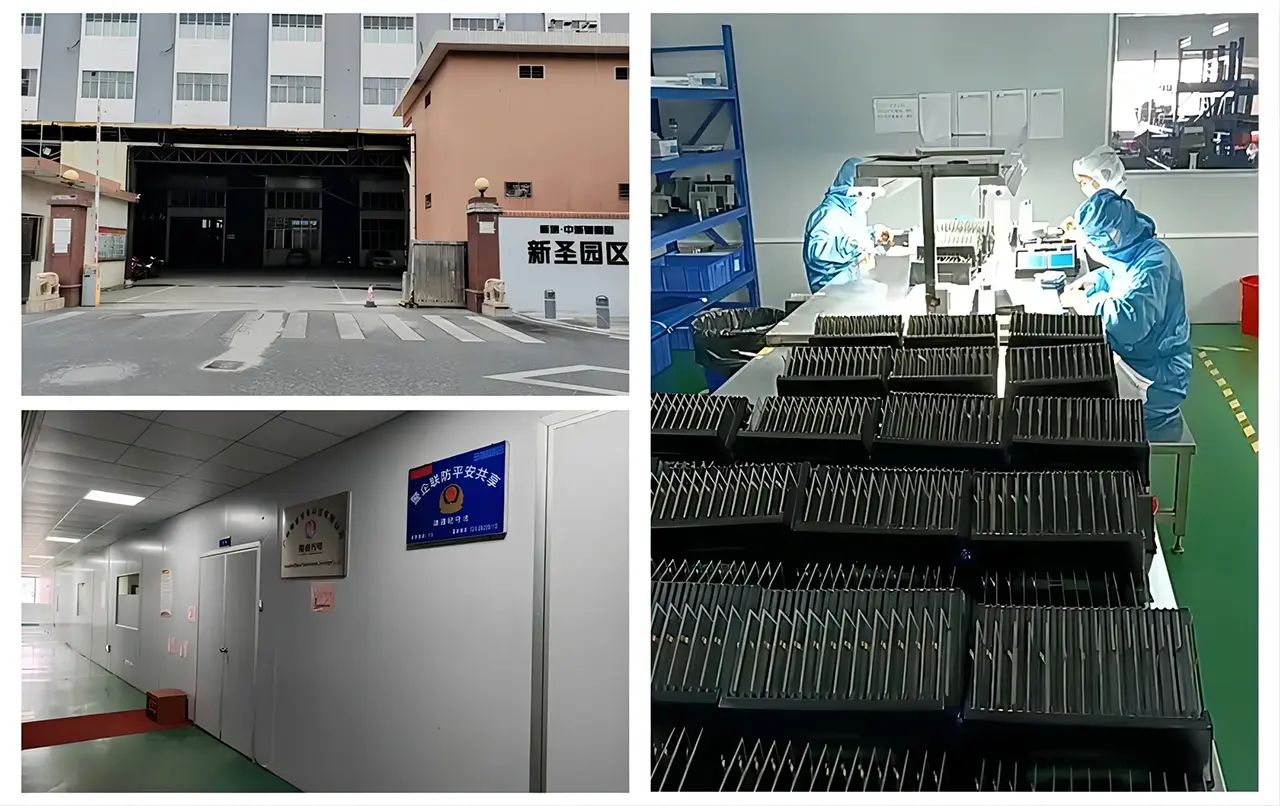
Established in 2010, Guangzhou Xiangrui Optoelectronics is a certified leader in the research, development, and high-volume manufacture of capacitive touch panels, resistive overlays, and optical bonding modules. We design custom glass interfaces that meet strict durability criteria for global export.
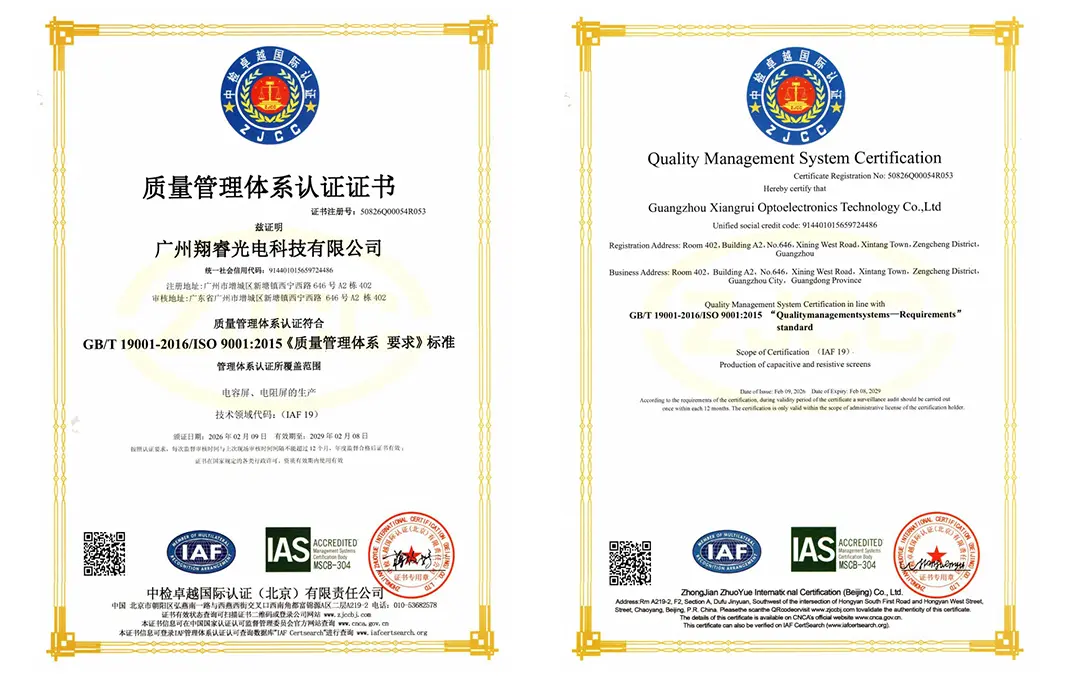
Operating out of a modern facility equipped with Class 100, Class 1000, and Class 10000 cleanroom environments, we guarantee low particulate levels during lamination and assembly. Our ISO 9001 and ISO 14001 certified manufacturing protocols ensure every component meets high standards before shipping to our logistics and integration partners in Australia.
Over the past decade, we have obtained more than 30 utility patents and specialized certifications, enabling us to support complex engineering requirements from concept designs through to final component delivery.
We coordinate physical engineering specs with electrical system components to deliver highly reliable display architectures.
Our production line runs on strict ISO 9001 quality management guidelines and ISO 14001 environmental frameworks. From raw materials like Corning Gorilla Glass to final ITO etching, every step is traceably documented.
Industrial machinery can introduce heavy electrical noise. Our touch sensors are tuned with high-immunity firmware to prevent ghost touches and signal drift in factory environments.
We provide chemical tempering of soda-lime glass or raw aluminosilicate substrates to deliver drop resistance, chemical resistance, and thermal tolerance for rugged field equipment.
Explore our main product configurations. Click on any model to view its dimensions, optical properties, interface options, and CAD files.
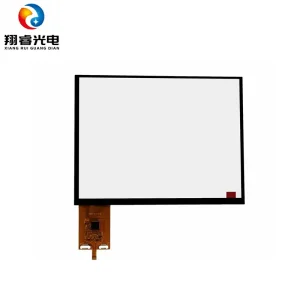
Rugged 4:3 display ratio, designed for industrial CNC and production line terminals.
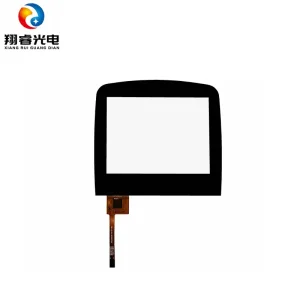
Ultra-compact sensor module with I2C interface, suited for residential automation systems.
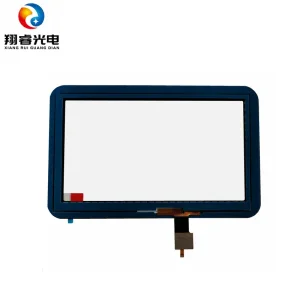
Engineered to reject seawater false touches and function under heavy condensation.
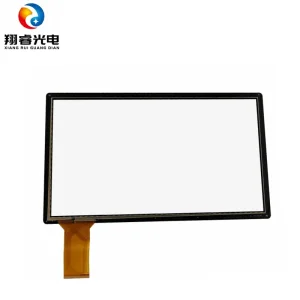
A wide-format 16:9 overlay featuring chemical strengthening and custom logo print areas.
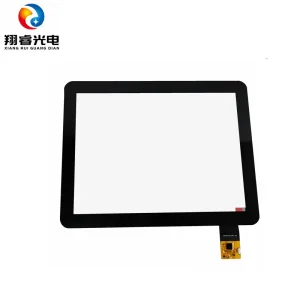
Optimized for commercial retail checkout points, featuring anti-scratch glass.
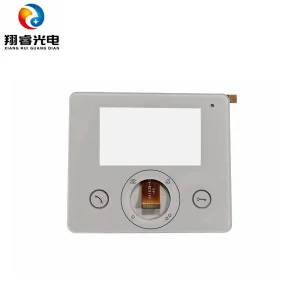
Integrated discrete touch buttons for robust diagnostics panels.
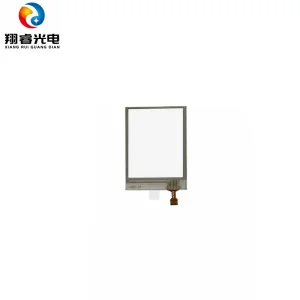
Analog resistive matrix for legacy measurement gear requiring fine stylus input.
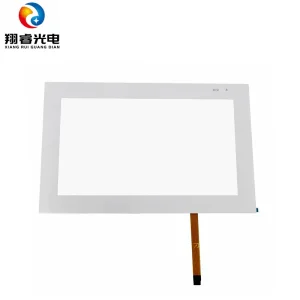
Designed to operate under extreme temperatures, featuring IP65 washdown protection.
We recognize that product consistency and timely delivery are critical for local production lines. Our team works alongside custom electronics manufacturers and engineers across Victoria to streamline local sourcing and supply lines.
Our capacitive touch panel assemblies comply with major international certifications, simplifying local electrical validation processes in Australia. We offer direct technical assistance throughout your integration process—from the initial FPC layout routing to final testing for RCM approvals.
Expert answers to common engineering questions regarding the implementation, ruggedization, and performance of touch systems.
 Xiangrui Optoelectronics