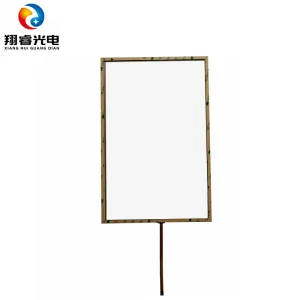
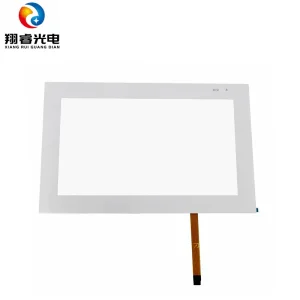
Direct supply paths configured to deliver robust, moisture-resistant, and high-clarity touch screen integration systems across the Sri Lankan subcontinent.
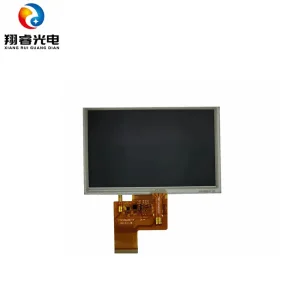
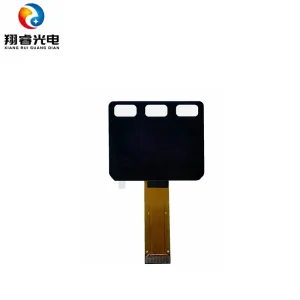
As Sri Lanka emerges as a pivotal hub for maritime trade and advanced textile manufacturing in South Asia, the demand for resilient Human-Machine Interface (HMI) units has witnessed a parabolic rise. Factories located in export processing zones such as Katunayake, Biyagama, and Koggala are rapidly updating manual machinery to IoT-driven automation systems. These systems require touch screen components that can survive harsh floor conditions.
Furthermore, maritime logistics at the Port of Colombo call for specialized, ruggedized control interfaces. The presence of maritime salinity, high ambient humidity (often exceeding 80%), and operational heat creates a challenging setting for electronic displays. Touch panel assemblies, specifically those constructed using advanced frame-fitting techniques, offer the ideal balance of cost efficiency, mechanical repairability, and operational stability. They prevent atmospheric humidity from causing false-touch triggers or optical degradation over long-term deployments.
Understanding the optical path, structural dynamics, and environmental sealing options for your touch display assembly.
In standard touch panel integration, the assembly method directly affects outdoor legibility and durability. Frame Fitting (Air Bonding) utilizes high-performance adhesive tapes or die-cut gaskets along the perimeter of the LCD screen, creating a small air gap between the touch sensor panel (or cover glass) and the active display surface. The refractive index differences between glass ($n \approx 1.5$) and the air gap ($n \approx 1.0$) introduce light reflections at boundaries. This results in a total reflection rate of about 8% to 10% under bright light.
To mitigate this in tropical countries like Sri Lanka, where outdoor solar irradiance is intense, Guangzhou Xiangrui Optoelectronics coats the cover glass with specialized Anti-Reflective (AR) and Anti-Glare (AG) films. This treatment reduces ambient reflections, ensuring excellent display clarity without the higher cost of full liquid optical bonding (OCR/OCA). Additionally, we implement advanced perimeter sealing to protect the internal air cavity from dust and moisture ingress.
A systematic comparison for technical procurement officers in Sri Lankan manufacturing, energy, and medical sectors.
| Performance Metric | Frame Fitting (Air Bonding) with AG/AR Gaskets | Full Optical Bonding (OCA / OCR Resin) | Sri Lanka Field Relevance |
|---|---|---|---|
| Reflective Index (Internal) | Medium (~8% internal reflectivity) | Very Low (<1% internal reflectivity) | Crucial for direct sunlight outdoor kiosks in Colombo. |
| Reworkability & Repair | High (Gasket can be disassembled and replaced easily) | Low (Requires specialized solvents, high scrap risk) | Reduces maintenance costs and minimizes downtime for local factories. |
| Moisture / Condensation | Sealed by industrial-grade double-coated acrylic foam tapes | Absolute immunity (Zero air gap prevents condensation) | High humidity performance is vital for tea sorting plants. |
| Impact Resistance | Dependent on air-gap depth and glass tempering levels | High (Gel layer absorbs shock and disperses impact force) | Essential for rugged handheld terminals in warehouse environments. |
| Initial Project Cost | Economical (Minimal tooling cost and high yields) | Premium (Requires autoclaves, cleanrooms, and UV curing) | Allows cost-effective upgrades for local electronics brands. |
Founded in 2010 and based in Guangzhou, China, we are a dedicated manufacturer specializing in the research, development, production, and assembly of resistive touch panels, capacitive touch panels, cover glass, and module bonding systems. We provide fully customized touch solutions as well as professional OEM and ODM services.
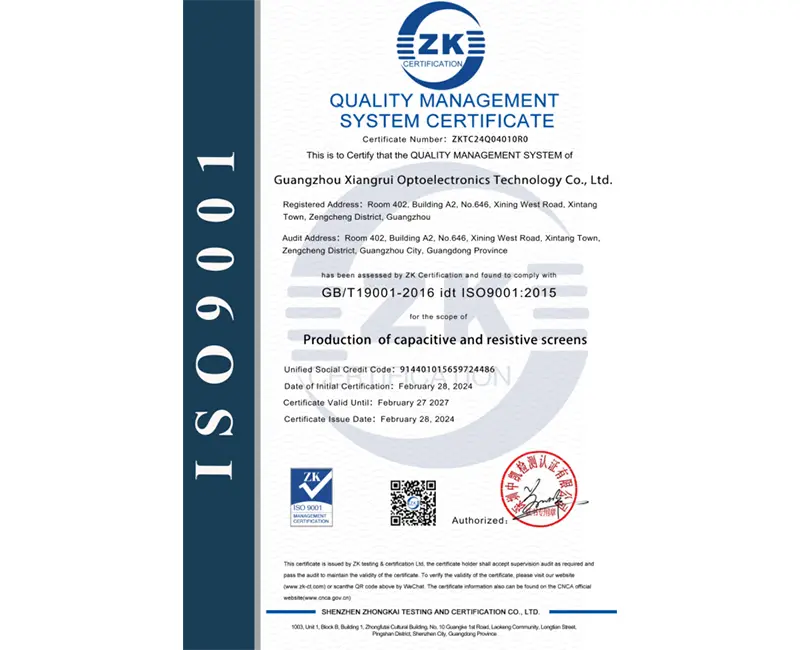
Our operations are certified under ISO 9001 and ISO 14001 quality and environmental management standards. Our products serve diverse sectors worldwide, including industrial automation, medical diagnostics, smart home automation, outdoor public terminals, and secure palm-print payment systems.
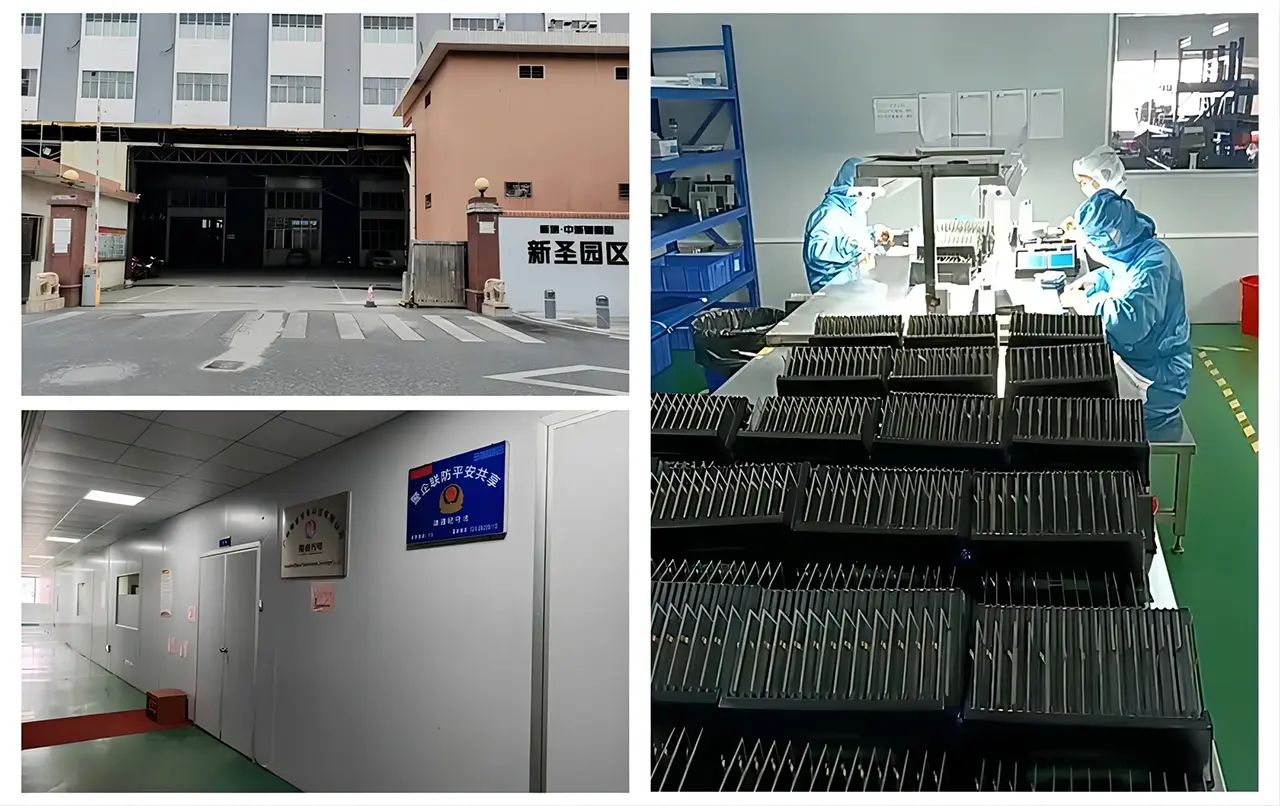
Our facility features a 3,000-square-meter manufacturing plant, equipped with Class 100, Class 1,000, and Class 10,000 dust-free cleanrooms. This environment allows us to meet strict cleanliness and particle control standards for high-yield optical integration.
A comprehensive range of industrial capacitive and resistive panels configured for durability and performance.
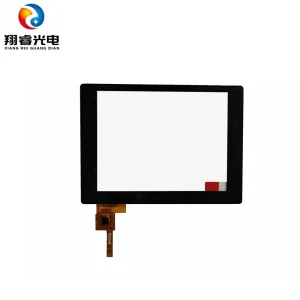
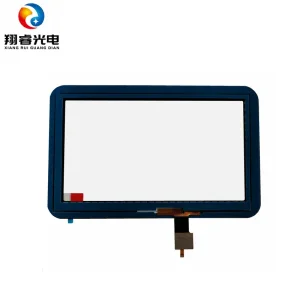
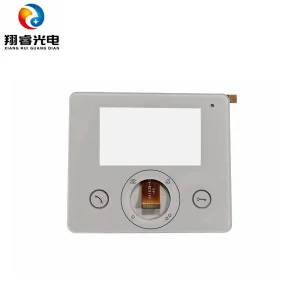
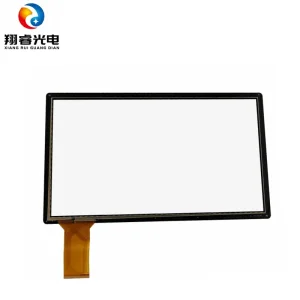
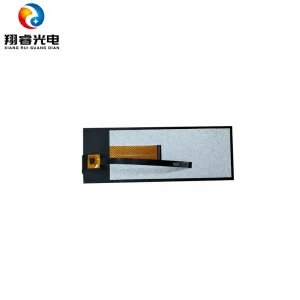
How our custom touch assemblies are configured to solve environmental and operational challenges across various sectors.
Sri Lankan textile factories deal with high concentrations of fabric dust, vibration from mechanical looms, and constant multi-shift usage. We supply resistive and capacitive touch assemblies built with double-sealed outer gaskets to prevent internal air-gap contamination from airborne fibers. Chemically strengthened cover glass (up to 7H hardness) provides protection against impact and wear on the production floor.
Port operations in Colombo require touch panels that remain readable under direct sunlight and are resilient to salt mist and ambient humidity. By combining high-transmittance cover glass with Anti-Reflective (AR) optical coatings and UV-protective films, our frame-fitting touch assemblies deliver long-term optical clarity. They prevent yellowing and delamination, even when exposed to harsh maritime conditions.
Industrial tea drying and sorting units operate under high temperatures and generate fine dust. We provide IP65-rated wide-temperature touch panels that function reliably in temperatures up to 85°C. These systems prevent condensation issues during rapid thermal changes, ensuring uninterrupted operation in drying and packaging facilities.
A look at upcoming developments in HMI systems for industrial operations.
Providing direct, engineering-focused answers to common queries regarding touch panel sourcing and integration.
 Xiangrui Optoelectronics