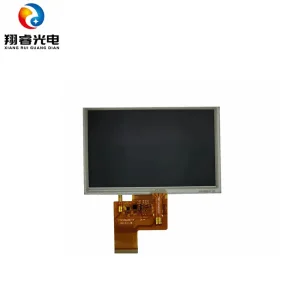
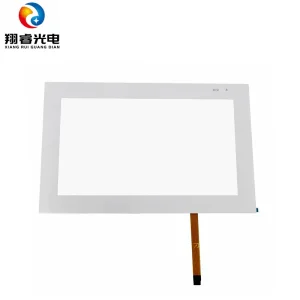
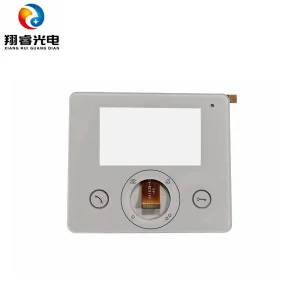
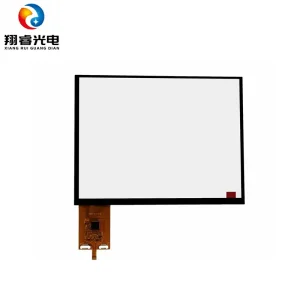
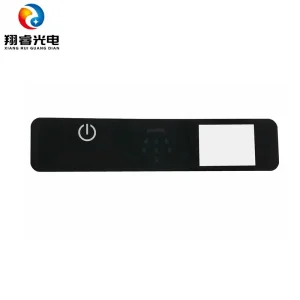
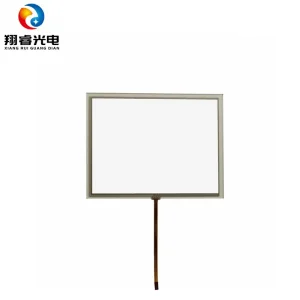
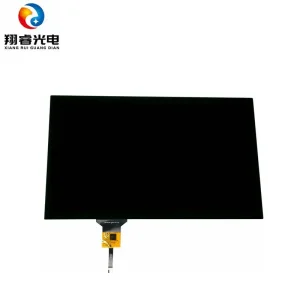
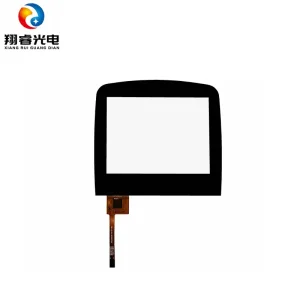
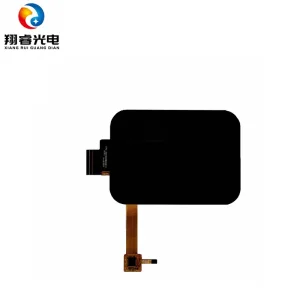
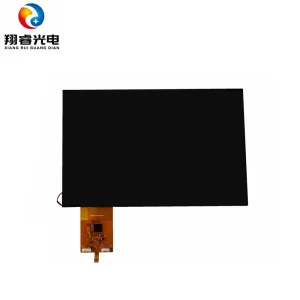
Frame Fitting Suppliers & Factories Serving the Osaka Market

Next-Gen Optoelectronic Integration & Precision Resistive/Capacitive Touch Panels Engineered for Japan's Leading Robotics, Industrial Automation, and Medical Electronics Sectors.

Send Inquiry Now
Corporate Heritage & R&D Excellence

Guangzhou Xiangrui Optoelectronics Technology Co., Ltd.

Founded in 2010 and located in the optoelectronic manufacturing hub of Guangzhou, China, we are a premier ISO 9001:2015 and ISO 14001:2015 certified manufacturer. Over the past decade, we have cemented our position as a reliable supplier of high-precision touch solutions, serving advanced manufacturing corridors globally, with a key focus on the **Osaka industrial ecosystem**.

Our advanced production infrastructure spans over 3,000 square meters, utilizing Class 100, Class 1,000, and Class 10,000 dust-free workshops to fulfill the stringent requirements of dust-free laminations and frame fittings. We specialize in custom designs, offering end-to-end OEM and ODM support for high-end industrial controls, medical instrumentation, smart home interfaces, and rugged outdoor HMI terminals.

Kansai Logistics & Support Integration

Leveraging direct logistics pipelines between South China ports and the Port of Osaka/Kansai International Airport (KIX), we offer seamless supply chain management, minimized customs overhead, and rapid-turnaround localized assistance for systems integrators across Japan.
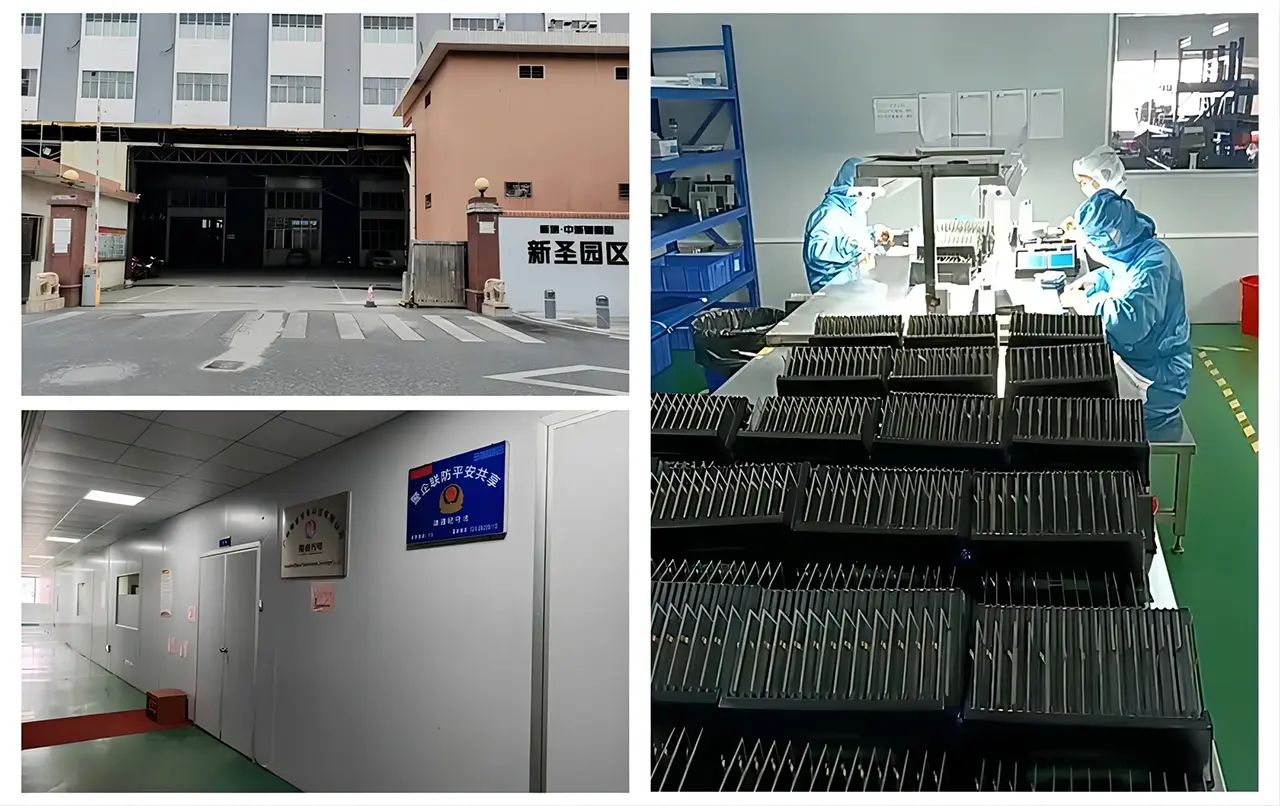
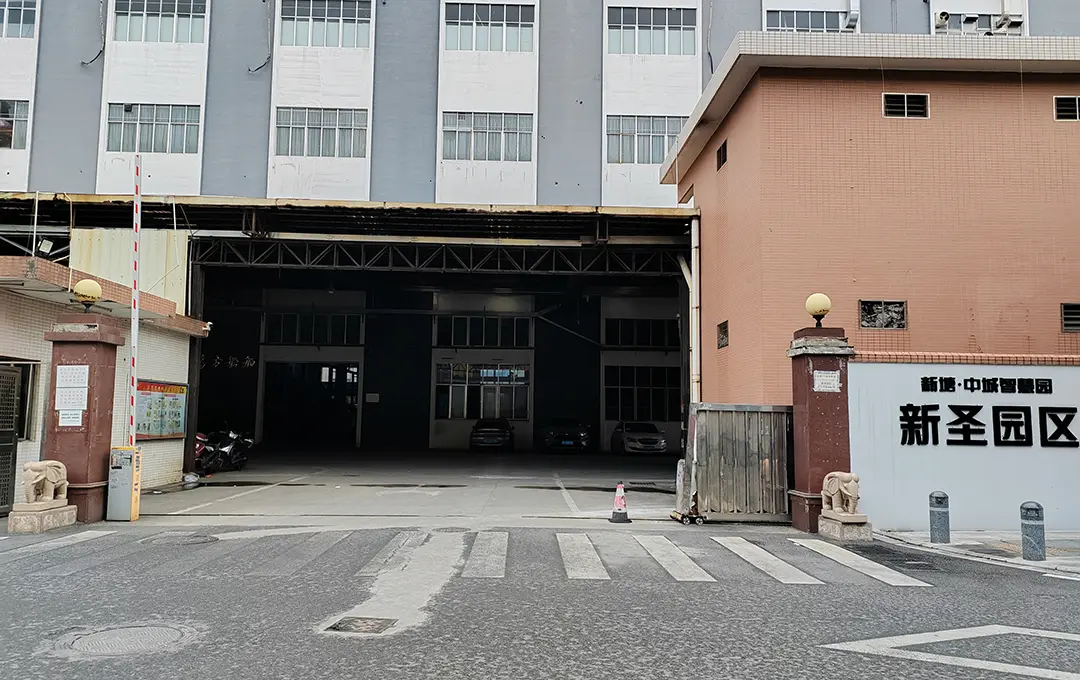
Xiangrui Optoelectronics Cleanroom Production Line High Precision FPC bonding and assembly testing

Xiangrui Optoelectronics in Numbers

Our technological capabilities, global reach, and quality commitments backed by measurable parameters.
10+ Years
Manufacturing Experience
Dedicated touch panel production and custom structural laminations since 2010.
30+
Invention & Utility Patents
Continuous investment in FPC design, anti-interference IC matching, and lamination methodologies.
3,000+ ㎡
High-Tech Production Facilities
Equipped with Class 100 to Class 10,000 cleanrooms optimizing optical performance.
40+
Export Destinations
Supplying industry leaders across Asia-Pacific (including Japan), Europe, and North America.
Quality Inspection on Precision Industrial Touch Screens
Target Market Insight

Meeting Osaka's Rigid Standards for HMI and Touch Control Interfaces

Osaka, as the commercial and industrial anchor of the Kansai region, hosts key hubs for factory automation, robotics, biomedical technologies, and marine instrumentation. Companies operating in these fields require structural robustness, long-term component availability, and extreme electrical safety.

In automation, machinery interfaces must withstand extreme temperatures, electromagnetic noise (EMI), and airborne contaminants. The conventional "air bonding" or frame-fitting method we provide ensures structural reliability, cost efficiencies, and modular repairability, making it ideal for indoor monitoring terminals and human-machine interfaces (HMIs) deployed in Osaka's manufacturing plants.

  • Resilience to Electrical Interference: Specialized controller tunings prevent false triggers in electromagnetic-heavy factory floors.
  • Extreme Environmental Adaptation: Frame fitting with customized gaskets prevents dust ingress in textile, paper, and metal processing settings.
  • Corrosion Resistance: Resistant to chemical cleaning reagents commonly used in medical and food processing centers in Yodogawa and Sakai.

Optical Bonding vs. Frame Fitting: The Technical Roadmap

Choosing the correct integration path based on optical performance, budget boundaries, and mechanical constraints.

Precision Frame Fitting (Tape Bonding)

A structural process where the touch panel and liquid crystal display (LCD) are adhered via high-strength double-sided industrial adhesive along the perimeter frame.

  • ✓ Advantage: Cost-effective, easy module replacement, and lower maintenance costs.
  • ✓ Ideal For: Indoor control panels, retail kiosks, vending machines, and general smart home panels.
  • ✓ Customizations: Integrated high-grade foam gaskets (EVA, Poron) for IP-rated splash protection.

Full Optical Bonding (LOCA/OCA)

A method where a liquid optically clear adhesive (LOCA) or solid optical film (OCA) is applied between the touch panel and the LCD layer to eliminate the internal air gap.

  • ✓ Advantage: Eliminates internal reflection, optimizes readability under direct sunlight, and delivers superior impact resistance.
  • ✓ Ideal For: Medical diagnostic equipment, rugged outdoor terminals, marine GPS displays, and automotive HMI.
  • ✓ Customizations: UV-blocking resins, Anti-Glare (AG), Anti-Reflective (AR), and Anti-Fingerprint (AF) cover layers.
Global Compliance Standards

Reliability Verification & International Certification

For multinational corporations sourcing components for the Japanese market, compliance is not optional. At Xiangrui Optoelectronics, we follow strict quality protocols to guarantee that our products perform reliably over their intended lifespan.

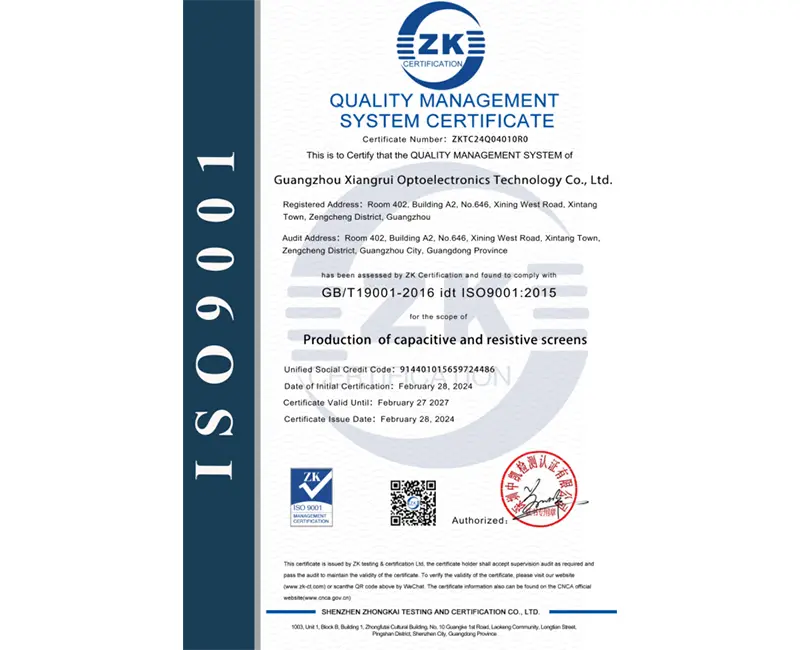
All manufacturing steps are audited according to the ISO 9001:2015 quality management standard and the ISO 14001:2015 environmental guidelines. Our raw materials (including cover glass, ITO films, controller ICs, and OCA tape) comply with RoHS 2.0, REACH, and carry necessary CE certifications.

Quality Control Testing Benchmarks:

• High-Low Temperature Storage: -40°C to +85°C for 240 hours.
• Damp Heat Test: 60°C, 90% RH for 240 hours.
• Drop Test: Ball drop testing (IK ratings) for cover glass impact strength.
Xiangrui ISO 9001 and CE Compliance Badge

Technical FAQ & Procurement Resource

Expert answers addressing the design, procurement, and implementation of touch panels for the Osaka market.

Q1: What are the key differences between resistive and capacitive touch panel frame fitting?
Resistive touch panels rely on pressure to connect the ITO conductive layers, making them compatible with gloved hands or styluses in demanding factory environments. Capacitive touch panels utilize electrostatic fields for multi-touch inputs, offering high optical clarity and chemical scratch resistance. Frame fitting uses perimeter adhesives to secure the touch layer to the display, providing modularity and ease of maintenance.
Q2: Can your touch panels withstand the heavy cleaning agents used in Japanese medical facilities?
Yes. We design touch interfaces with chemically strengthened Soda-Lime or Aluminosilicate cover glass. The outer surfaces can be treated with Anti-Fingerprint (AF) and easy-to-clean coatings, allowing safe sanitization with isopropyl alcohol (IPA), ethanol, or mild detergents without risking touch degradation.
Q3: How does Xiangrui Optoelectronics ensure steady supply for long-term industrial projects?
We understand that industrial automation and medical design cycles can span 5 to 10 years. We collaborate closely with top semiconductor and sensor material vendors to ensure long-term availability, offering form-fit-function equivalents if any components enter end-of-life (EOL) stages.
Q4: What is the typical lead time for custom touch panel design and lamination prototypes?
For custom glass sizing, FPC redesigns, or specific sensor routing, CAD drawings are finalized within 3-5 working days. Once approved, custom tooling and prototype production typically require 3 to 4 weeks. Standard product samples are dispatched within 3-7 business days to our partners in the Osaka/Kansai area.

Ready to Optimize Your Display Lamination Strategy?

Get in touch with our design engineers. We provide comprehensive layout recommendations, electrical performance consulting, and rapid prototyping services optimized for Japan's high industrial quality expectations.

Send Inquiry Now