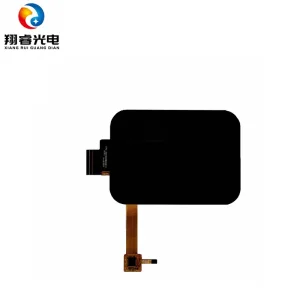
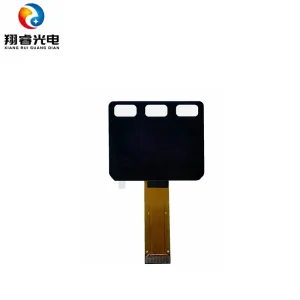
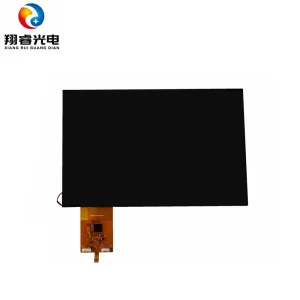
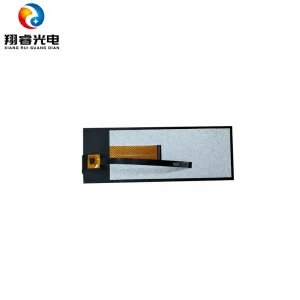
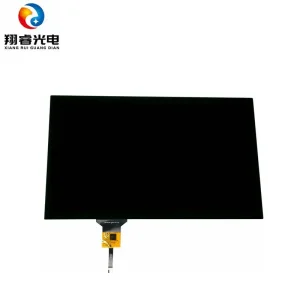
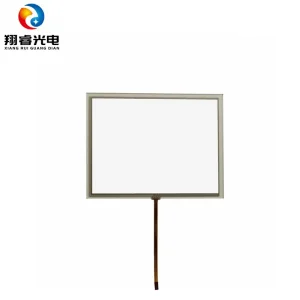
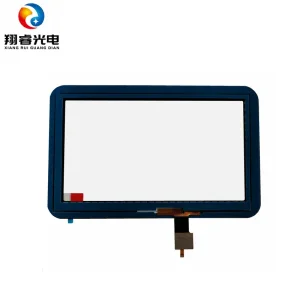
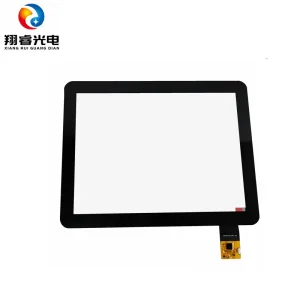
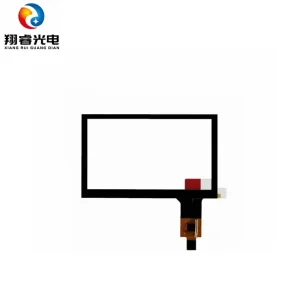
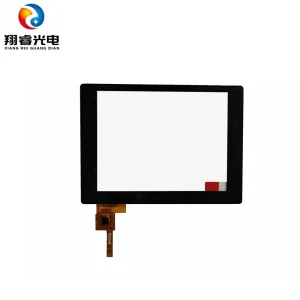
High-transmittance, ultra-durable customized touch screen displays specifically optimized for Istanbul's dynamic commercial marine, smart transit, and manufacturing sectors.
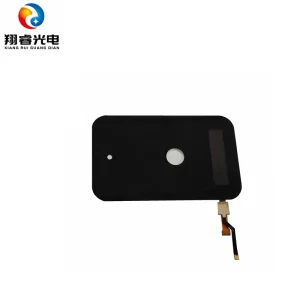
How elimination of the internal air gap between the touch sensor, cover glass, and LCD panel optimizes visual clarity and mechanical integrity in demanding environments.
In standard display assemblies, an air gap exists between the cover glass and the LCD panel. This air gap introduces two additional boundary layers with sudden changes in the refractive index (from glass to air, and air back to polarizers). According to Fresnel reflection formulas, every transition boundary reflects approximately 4.5% of incident light. In high-ambient light environments, such as marine navigation bridges on the Bosphorus or outdoor payment kiosks in central Kadıköy, this cumulative reflection (~9%) washes out the display, rendering it unreadable.
Optical bonding replaces the air gap with an optical-grade resin (Liquid Optically Clear Adhesive - LOCA, or solid Optically Clear Adhesive - OCA) that matches the refractive index of glass (approximately 1.49 to 1.51). By matching the refractive indices, boundary reflections are reduced to less than 0.2%, resulting in a dramatic increase in display contrast ratio (up to 400% improvement under direct sunlight) and overall luminance retention.
For displays operating in demanding environments, optical bonding provides mechanical benefits that extend far beyond visual optics. The solid layer of adhesive acts as an internal shock absorber, distributing impact forces across the entire structural stack. A bonded display is up to 300% more resistant to physical impact and vibration compared to air-bonded equivalents.
Furthermore, the elimination of the internal air gap prevents condensation, fogging, and moisture ingress—a common failure mode for maritime instrumentation and outdoor ticketing machines exposed to the humid climate of the Sea of Marmara. By filling this void, dust, chemical vapors, and moisture have no way to penetrate the inner layers of the TFT-LCD panel.
| Performance Parameter | Air Gap / Tape Bonding | Optical Bonding (OCA / LOCA) | Operational Impact in Istanbul |
|---|---|---|---|
| Refractive Index Mismatch | High (Glass: 1.50 vs. Air: 1.00) | Minimized (Glass: 1.50 vs. Resin: 1.49) | Eliminates internal glare and reflections in bright sunlight. |
| Light Transmission Efficiency | ~86% - 90% | >98% - 99% | Saves backlighting energy, extending battery and thermal life. |
| Impact Resistance (IK Rating) | Low (Cover glass can flex and shatter) | High (IK08 to IK10 capable with PMMA/Toughened Glass) | Prevents vandalism in public transport and rugged industrial areas. |
| Condensation / Fogging | High risk in humid/coastal zones | Physically impossible (No air cavity) | Critical for maritime vessels on the Bosphorus strait. |
| Heat Dissipation | Poor (Air is an insulator) | Excellent (Resin conducts heat to the front panel) | Prevents solar-radiation-induced isotropic blackouts. |
Turkey serves as an industrial hub connecting Europe and Asia. Industrial automation, transit networks, and maritime systems drive the demand for high-reliability optoelectronics in Istanbul.
Shipbuilding yards in Tuzla and Pendik require ECDIS marine navigation displays, radar control units, and outdoor boat instrumentation. These systems demand IP67 water sealing, salt spray resistance, anti-glare (AG) properties, and zero fogging under intense sunlight and temperature shifts.
With a massive metro, metrobus, and ferry network, Istanbul’s smart city initiatives utilize thousands of outdoor ticketing terminals, passenger information displays, and rugged POS kiosks that require reliable outdoor viewability and Vandal-resistant IK10 impact ratings.
Located close to Turkey's automotive manufacturing belt (Kocaeli and Bursa), companies in Istanbul supply interior instrumentation panels, agricultural machine displays, and robust CNC controller interfaces requiring chemical-resistant oil-repellent (AF) cover glass.
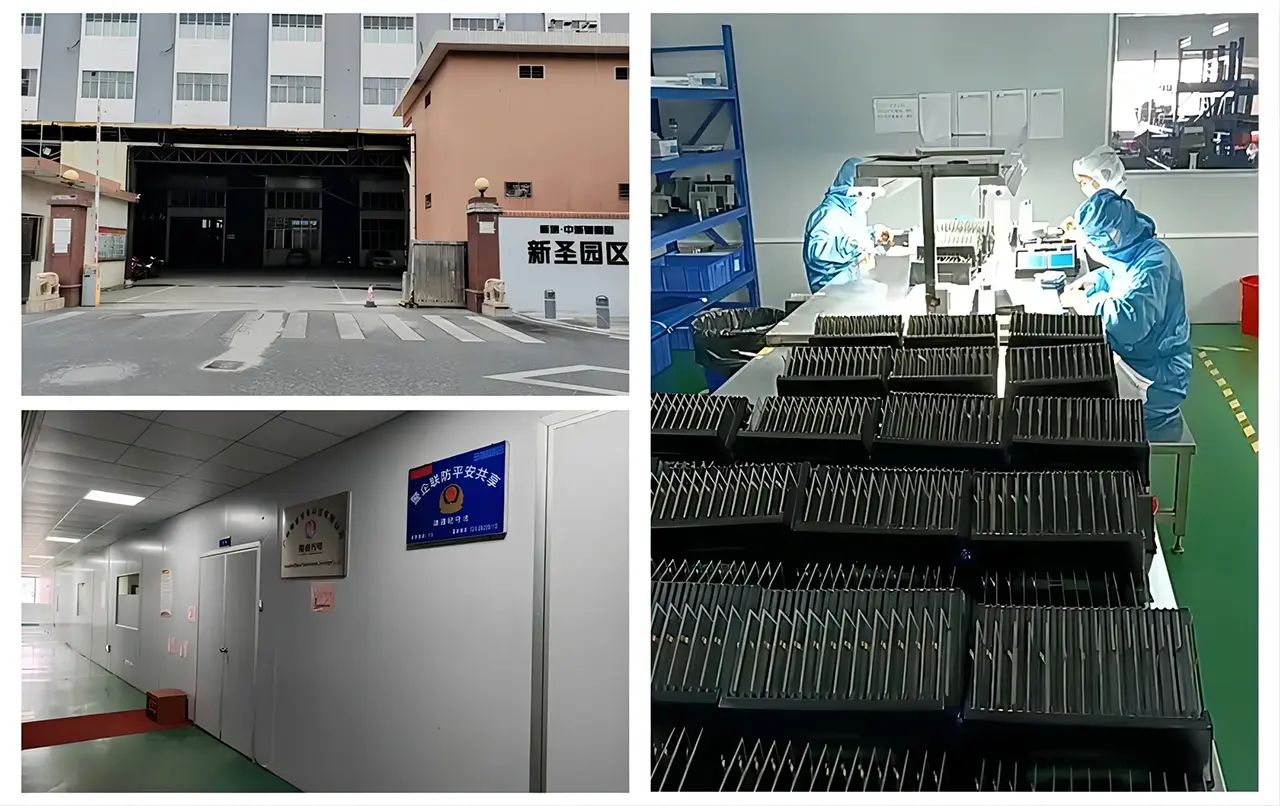
Established in 2010 with a 3,000 square meter state-of-the-art facility featuring Class 100, Class 1,000, and Class 10,000 dust-free clean rooms to guarantee optical excellence.
Optical bonding requires extreme precision. The presence of even a single microscopic dust particle or a micro-bubble can scrap an entire display assembly. At our facility in Guangzhou, China, we operate dedicated Class 100 and Class 1,000 clean rooms. These environments control humidity, temperature, and airborne particulates to prevent defects during the OCA and LOCA lamination processes.
We offer advanced customization options for buyers in Istanbul, including customized cover lens treatments like Anti-Glare (AG), Anti-Reflective (AR), and Anti-Fingerprint/Anti-Smudge (AF) chemical coatings. This ensures that screens installed in public transit stations or marine vessels maintain optimal readability under harsh lighting.
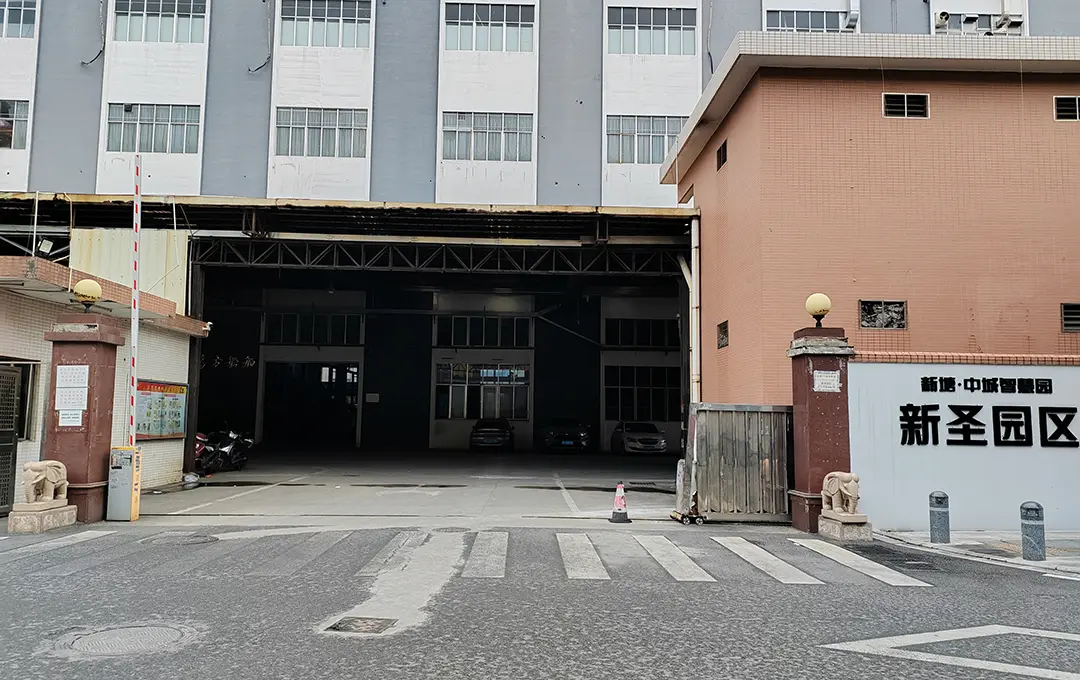
Combining advanced Chinese optoelectronic manufacturing efficiency with local support for the Turkish market.
We handle the entire supply chain, including glass cutting, chemical tempering, silk-screen printing, touch sensor design, and optical bonding. This integration reduces production turnaround times and minimizes material incompatibilities.
Located in Guangzhou's electronics cluster, we access raw materials at highly competitive costs. This enables us to offer competitive pricing for custom touch panels, even for low-to-medium volume runs typical in specialized industrial sectors.
All our products are manufactured under ISO 9001:2015 and ISO 14001:2015 frameworks. They carry CE, RoHS, and FCC certifications, ensuring smooth customs clearance at Turkish ports like Ambarlı and Karaköy.
Explore our range of resistive, capacitive, and wide-temperature touch sensors featuring advanced optical bonding configurations.
Adapting to modern technology trends: the shift toward curved screens, high-durability coatings, and advanced adhesive options.
While OCA tape remains popular for small, flat consumer screens, industrial applications rely on Liquid Optically Clear Adhesive (LOCA). LOCA is well-suited for irregular profiles, thick cover lenses, and large-format panels. Liquid bonding allows the resin to flow over uneven surfaces (like high-profile bezels or curved screens), preventing bubbles and localized stress points. Our R&D team utilizes advanced UV-cure and heat-cure LOCA formulations to protect displays against yellowing and degradation from high-UV exposure.
Modern touch panels require surface treatments to match their high internal optical performance. AR coating (Anti-Reflection) utilizes destructive light interference principles to minimize external glare. AF coating (Anti-Fingerprint) creates a hydrophobic and oleophobic layer, reducing smudges and facilitating easy cleaning. For heavy-duty industrial touch controllers in Istanbul’s manufacturing facilities, this combination improves readability and operational safety.
Automotive cockpits and modern marine bridges are shifting toward curved, non-planar displays. Bonding curved cover glass to curved display assemblies requires precise mechanical alignment and specialized resin viscosity control. Xiangrui Optoelectronics is investing in automated precision fixtures to support curved bonding processes, ensuring uniform adhesive thickness and zero delamination risks over long operational life cycles.
"With standard air gap designs, outdoor ambient light reflections can exceed 8% to 10%. With our advanced optical bonding resins and AR films, we reduce reflection rates to under 0.5%, significantly improving safety in marine navigation and transport applications."
— Xiangrui R&D Engineering Department
Addressing the key operational challenges Turkish engineers and purchasing departments face when importing custom display modules.
Before starting bulk production, CAD drawings, sensor stack designs, and test prototypes must be verified. We provide step-by-step review and visual simulation to align engineering parameters with project needs before clean-room production begins.
Istanbul experiences hot, humid summers and cold winters. Our bonded panels undergo thermal shock testing (ranging from -40°C to +85°C), damp heat aging (up to 95% RH), and UV light exposure testing to prevent localized bubbling and yellowing.
Optical components are fragile. We use vacuum sealing, anti-static trays, and reinforced wooden crates for all export orders, ensuring safe sea and air shipping to Istanbul airport and local ports.
Answers to key technical questions from purchasing directors and engineering leads in the HMI field.
Get in touch with our engineering team for technical advice, custom touch sensor designs, or an introductory quote for your Istanbul-based projects.
Guangzhou Xiangrui Optoelectronics Technology Co., Ltd. © Serving Turkey's HMI Industry since 2010.
 Xiangrui Optoelectronics