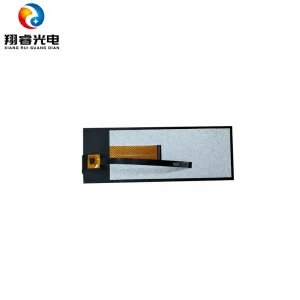
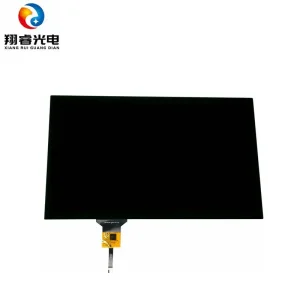
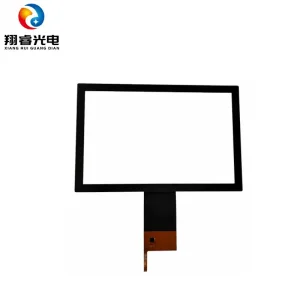
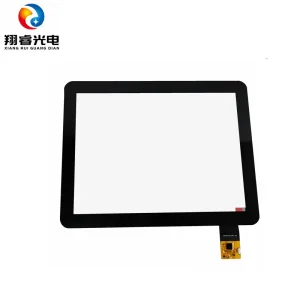
 Xiangrui Optoelectronics
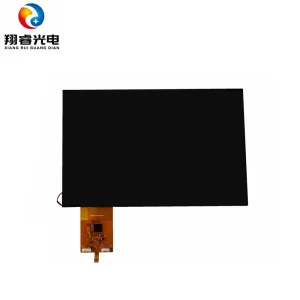
San Francisco's Hardware Frontier: The Demand for Optical Bonding
San Francisco, Silicon Valley, and the broader Bay Area represent the global epicenter of tech innovation. From wearable biotechnology monitors in South San Francisco to autonomous driving vehicle displays in Silicon Valley, clean-energy control hubs, and rugged maritime navigation instruments on the Bay, high-performance visual displays are critical. In these demanding contexts, standard air-gap display assemblies fail to meet the performance and durability requirements of industrial operations.
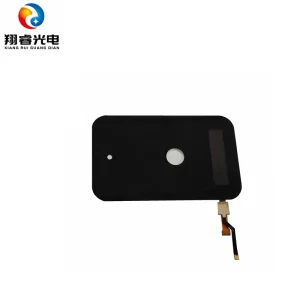
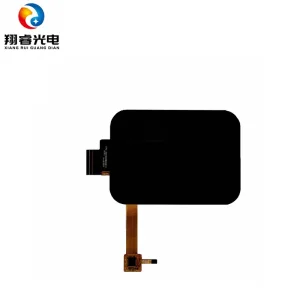
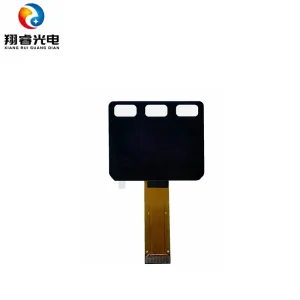
Optical bonding solves these challenges. By filling the microscopic air gap between the cover window (glass or PMMA) and the LCD/OLED display panel with a index-matched Optically Clear Adhesive (OCA) or Liquid Optically Clear Adhesive (LOCA), light reflection is reduced from approximately 8% to less than 0.2%. This page explores the engineering dynamics, local design requirements, and cost-effective offshore production solutions that keep San Francisco display designers at the forefront of the industry.
"By matching the refractive index of the adhesive (approx. 1.49) with the cover glass (approx. 1.52), we eliminate the primary internal reflection surfaces. The result is absolute clarity under direct California sunlight and superior impact resistance." — Senior Optical Engineering Director, Xiangrui Optoelectronics.
Technical Deep-Dive: Refractive Index Matching & Optical Adhesives
Understanding the physics of display optics is key to choosing the correct manufacturing process. A standard non-bonded display has two reflective boundaries where materials meet air. The change in refractive index causes incoming light to reflect back to the user, creating glare and washing out the display colors.
LOCA (Liquid Optically Clear Adhesive) vs. OCA (Optically Clear Adhesive Film)
Choosing the right lamination medium is vital for project success:
- LOCA (Liquid Bonding): Perfect for large displays, curved cover lenses, or designs with variable gaps or 3D surfaces. Liquid adhesive conforms to surface irregularities easily, offering excellent stress relief. It requires UV cure combined with moisture-curing processes for shadow areas under wide bezels.
- OCA (Tape/Film Bonding): Best suited for smaller, flat displays such as wearable devices (e.g., 1.54-inch displays) and handheld medical instrumentation. It ensures uniform thickness and does not require complex liquid dispensing setups, facilitating fast prototyping.
| Feature Parameter | LOCA (Liquid Bonding) | OCA (Dry Film Bonding) | Frame Fitting (Air Gap) |
|---|---|---|---|
| Reflective Index Match | Excellent (1.48 - 1.51) | Excellent (1.47 - 1.49) | Poor (Air gap causes reflection) |
| Moisture Condensation | Zero Ingress Risk | Zero Ingress Risk | High Risk in Humid Environments |
| Impact Resistance (IK Rating) | High (Up to IK10) | Moderate to High | Low (Glass prone to deflection) |
| Cost Efficiency (Mass Prod.) | Highly Cost-Effective (Medium to Large) | Excellent (Small Scale/Wearables) | Lowest initial cost (but low performance) |
Localization Support & Strict Compliance Standards
For engineering firms in San Francisco, product qualification requires compliance with international standards. Display modules must withstand harsh operating parameters, meaning testing protocols must match actual field demands:
- IP65 & IP67 Ratings: Necessary for outdoor kiosks along the Embarcadero or terminal displays. Real optical bonding prevents condensation behind the glass, which occurs in air-gap displays under temperature changes.
- NEMA 4X & Marine Certifications: Resistance to salt spray, corrosives, and high humidity is essential for maritime applications around the Bay Area.
- FDA Compliance & Cleanability: Displays in medical centers (such as UCSF Medical Center or Stanford Health) must resist isopropyl alcohol, bleach, and chemical cleaning agents. Direct bonding prevents liquid ingress beneath the glass.
- Wide Temperature Operations: Industrial displays must function flawlessly from -30°C to +85°C without adhesive yellowing or delamination.
The Hybrid Supply Chain Model: Designing in SF, Manufacturing in China
While local San Francisco NPI (New Product Introduction) groups focus on rapid system design and verification, high-volume production in the United States faces cost and scaling challenges. The optimal solution is a hybrid model: local engineering consultation combined with high-precision manufacturing from specialized partners like Guangzhou Xiangrui Optoelectronics Technology Co., Ltd.
Founded in 2010 with a modern facility of over 3000 square meters, Xiangrui offers advanced cleanroom environments (Class 100, Class 1000, and Class 10000) designed for dust-free lamination. This hybrid approach ensures you receive Silicon Valley-quality design verification combined with cost-competitive scale production.