Engineered for cleanroom instrumentation, life sciences equipment, and high-reliability industrial HMIs deployed across Basel-Stadt and Basel-Landschaft.
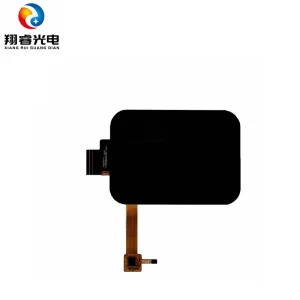
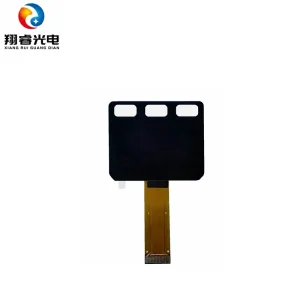
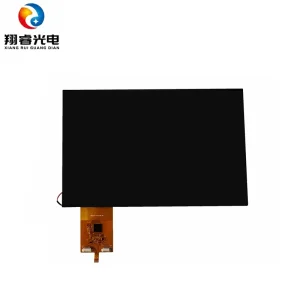
The tri-national Basel metropolitan region—spanning northwestern Switzerland, southern Baden in Germany, and northern Alsace in France—represents Europe’s premier hub for life sciences, pharmaceutical manufacturing, precision diagnostics, and high-tech process automation. With international headquarters of pharmaceutical giants, biotech incubators in Rosental and Bachgraben, and heavy industrial chemical operations along the Rhine river ports, the demand for high-reliability display electronics is exceptionally stringent.
Original Equipment Manufacturers (OEMs) and systems integrators operating within the Basel ecosystem require display solutions that perform flawlessly under extreme cleanliness standards, intense ambient lighting, high chemical exposure, and continuous 24/7 operational stress. **Optical bonding**—the advanced process of applying a liquid resin (LOCA) or dry optical film (OCA) between the display glass surface layer and the underlying LCD/OLED panel—has shifted from a premium option to a mandatory design engineering standard across Swiss industrial and medical equipment production lines.
Selecting the appropriate bonding chemistry is pivotal when designing human-machine interfaces (HMIs) for Switzerland's high-tech manufacturing sector. The two dominant material paradigms are Liquid Optically Clear Adhesive (LOCA) and Optically Clear Adhesive (OCA tape/film).
| Technical Parameter | Liquid Optically Clear Adhesive (LOCA) | Optically Clear Adhesive (OCA Film) |
|---|---|---|
| Adhesive Chemistry | UV-curable silicone, acrylic, or polyurethane liquid resins | Pre-cut acrylic or silicone dry adhesive sheets |
| Gap Filling Capability | Exceptional (Ideal for thick, curved, or 2.5D/3D cover glass) | Limited to flat, uniform surfaces (Typically < 0.25mm thickness) |
| Refractive Index ($n$) Matching | 1.40 – 1.48 (Near-perfect match to glass $n=1.52$) | 1.47 – 1.49 |
| Mura Effect & Stress Relief | Very Low (Liquid resin cures with minimal internal stress) | Moderate to High on large displays due to film tension |
| Thermal Stability Range | -40°C to +105°C (Silicone-based LOCA offers maximum stability) | -20°C to +75°C |
| Ideal Basel Applications | Heavy industrial automation, outdoor logistics monitors, medical cleanroom equipment | Consumer handhelds, compact medical monitors, ultra-thin flat smart devices |
A major failure mode in low-tier optical bonding is display degradation over time—manifesting as edge yellowing (browning), delayed bubble formation (re-boil under thermal stress), or resin delamination. For Basel life-science engineers who design devices with 7-to-10-year active lifespans, choosing a manufacturing supplier with stringent resin chemistry selection is crucial.
Our optical bonding process utilizes premium UV-curing silicone and acrylic polymers formulated with low-volatility monomers. This eliminates outgassing when paired with polycarbonate or specialized PMMA cover lenses and guarantees an initial Yellowing Index ($\Delta YI$) of less than 0.5 over 5,000 continuous operating hours.
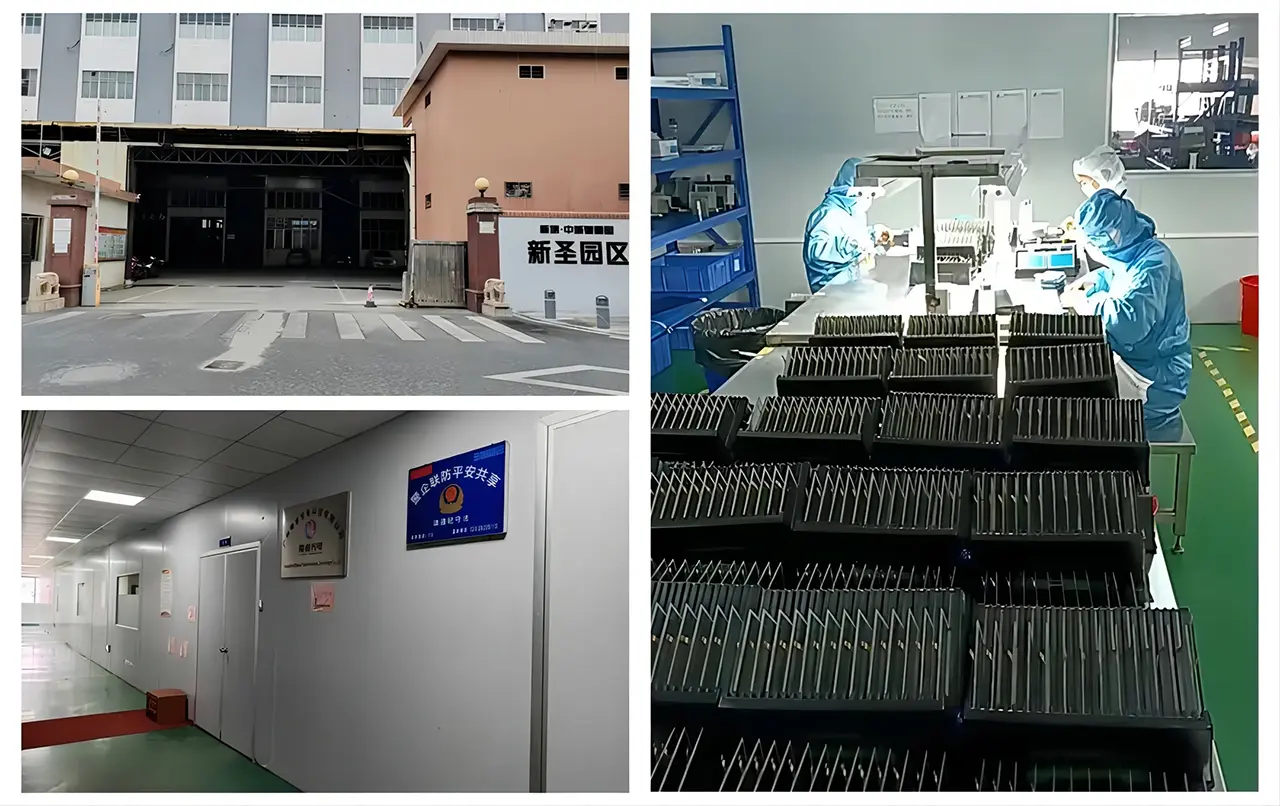
Guangzhou Xiangrui Optoelectronics Technology Co., Ltd. combines high-yield automated cleanroom assembly with direct global delivery efficiency.
Different industrial clusters within the Greater Basel area require highly customized optical bonding configurations. Below are key deployment verticals engineered by our technical team:
Requirement: In pharmaceutical formulation facilities, operators wear heavy latex or nitrile gloves while handling touchscreens. Displays must withstand frequent wipe-downs with harsh sterilizing chemicals.
Bonding Solution: Full LOCA optical bonding of anti-microbial cover glass to high-contrast IPS LCD panels. Integration of projected capacitive (PCAP) controllers calibrated for multi-touch glove operation and water-rejection functionality.
Requirement: Micro-fluidic screen interfaces, spectrometers, and centrifuge controllers demand absolute visual clarity without optical distortion or chromatic aberration.
Bonding Solution: Ultra-thin dry OCA bonding of chemical-strengthened glass with Anti-Reflective (AR) and Anti-Fingerprint (AF) surface coatings. Zero optical distortion ensures micro-scale visual data is interpreted with perfect accuracy.
Requirement: Control rooms and plant floor terminals in chemical industrial parks require robust shock-proofing against machinery vibration and thermal shock.
Bonding Solution: Wide-temperature optical bonding with UV-silicone resins that remain elastic from -40°C to +85°C. Toughened 4mm to 6mm vandal-proof cover glass rated to IK10 mechanical impact standards.
Requirement: Freight logistics management terminals at the Port of Switzerland operate under direct sunlight, ambient moisture, and rain.
Bonding Solution: Sunlight-readable optical bonding with high-brightness LED backlights (1,000+ nits) combined with Circular Polarizer optical films to eliminate glare and internal condensation completely.
Navigating global procurement requires balancing rigid Swiss quality expectations with competitive bill-of-materials (BOM) costs and rapid prototype turnaround times. Guangzhou Xiangrui Optoelectronics Technology Co., Ltd. serves as a direct strategic bridge for European OEMs.
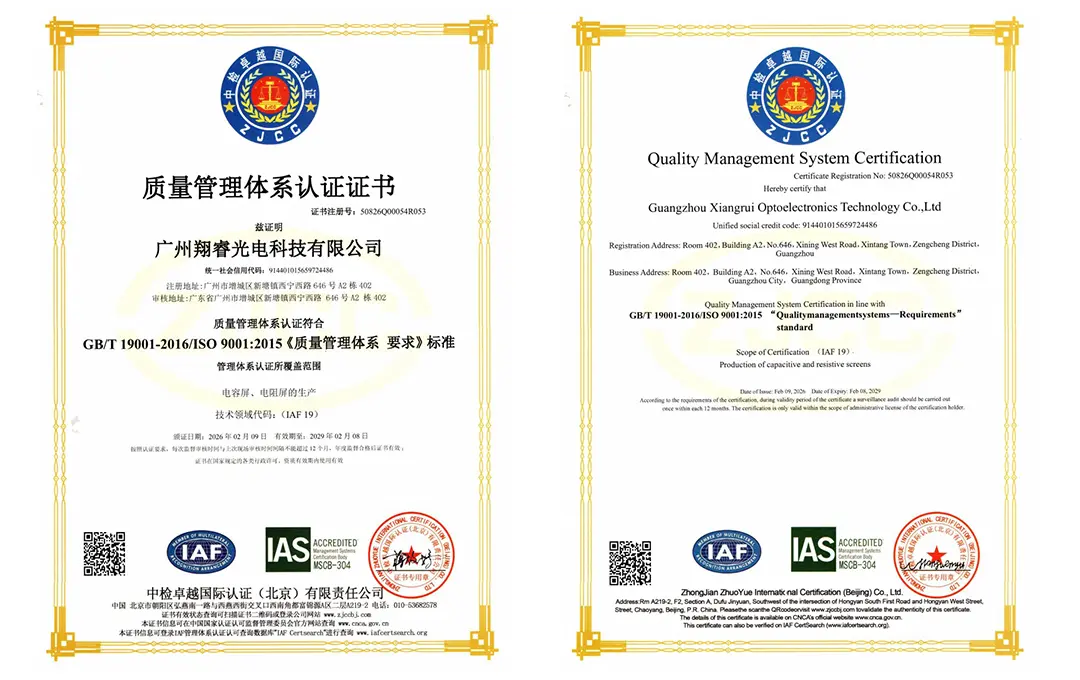
Quality assurance is embedded in every step of our manufacturing workflow. From incoming material inspection (IQC) of raw display cells and glass substrates to fully automated optical alignment dispensations, zero-defect optical inspection (AOI), and final burn-in testing, our process ensures 100% compliance with ISO 9001 and ISO 14001 guidelines.
Optical bonding cannot tolerate airborne dust particles; even a single micro-particle trapped between the glass and LCD creates a permanent visual defect. Xiangrui operates Class 100, Class 1000, and Class 10000 cleanroom environments equipped with laminar flow workbenches and automatic static elimination systems to maintain pristine bonding purity.
We provide comprehensive engineering services, including custom cover glass shaping, step-beveling, custom silk-screen printing (matching RAL/Pantone brand colors), anti-glare etching, privacy filter integration, and EMI/RFI shielding mesh installation for sensitive electro-medical environments in Switzerland.
WELCOME TO LEARN ABOUT OUR ENTERPRISE — Dedicated to Touch Display Excellence Since 2010
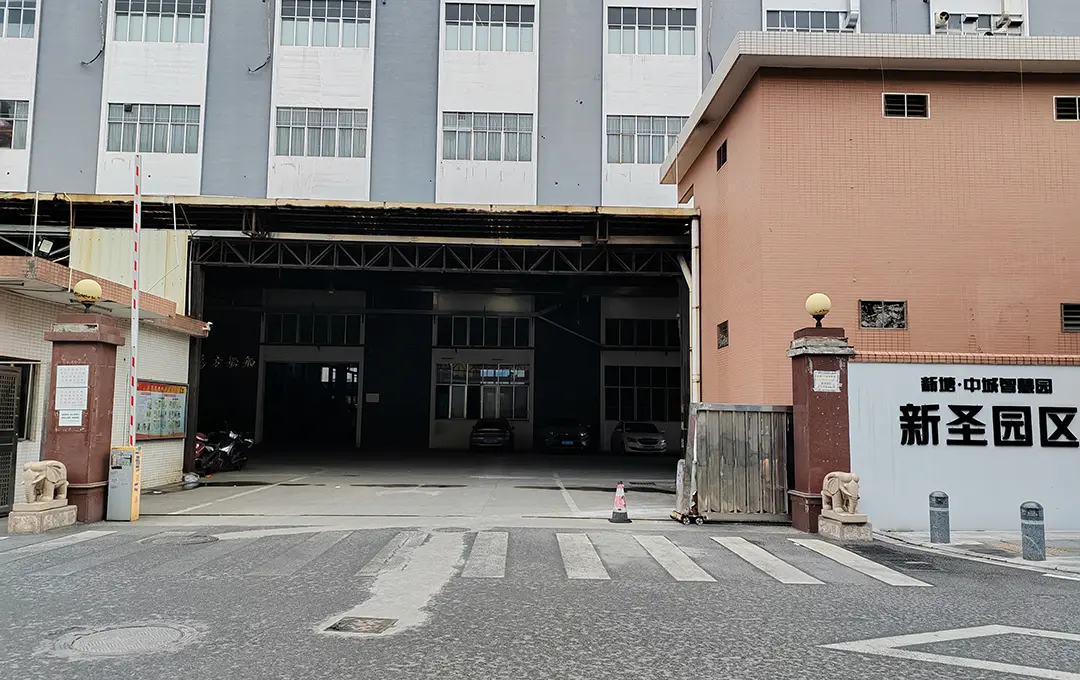
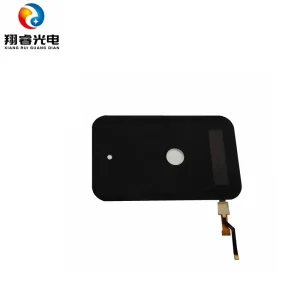
Founded in 2010 and located in Guangzhou, China, Guangzhou Xiangrui Optoelectronics Technology Co., Ltd. is a specialized enterprise dedicated to the research, development, production, sales, and service of resistive touch panels, capacitive touch panels, cover glass, and complete optical module bonding products. We provide customized production of touch screens, as well as comprehensive OEM and ODM services.
Our company has earned the official ISO 9001 quality management system and ISO 14001 environmental management system certificates. Recognized as a official Guangdong Province High-Tech Enterprise in 2022, our R&D team continuously pushes the boundary of touch technology, having secured over 30 invention and utility patents.
Our manufacturing complex features a dedicated 3,000 square meter high-precision plant within an overall 10,000 square meter industrial footprint, complete with R&D, Quality, Purchasing, and Production divisions working in harmony. Our optical bonding products are widely exported to over 40 countries and regions worldwide, serving demanding sectors including industrial control, medical diagnostics, smart home automation, high-end commercial payment, and palm-print biometric identification systems.
Explore our standard and custom industrial optical bonding solutions available for Basel equipment builders.
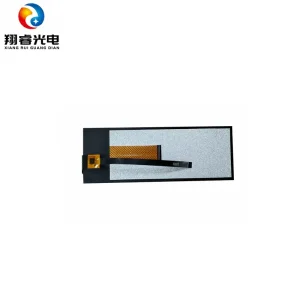
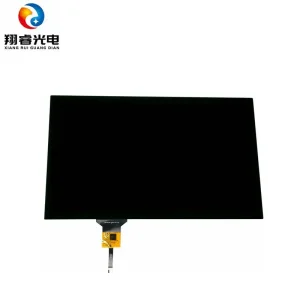
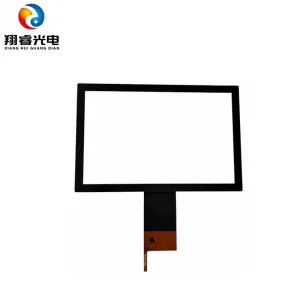
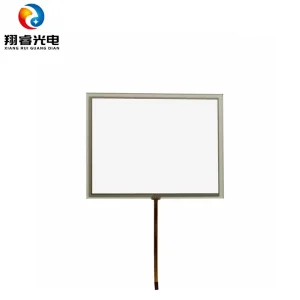
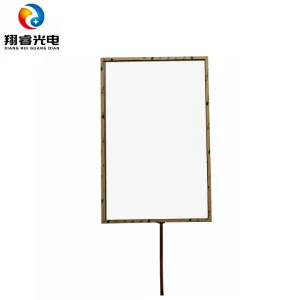
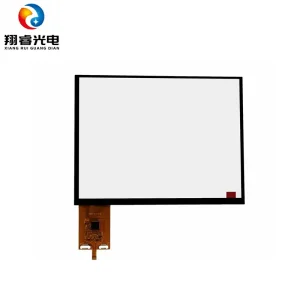
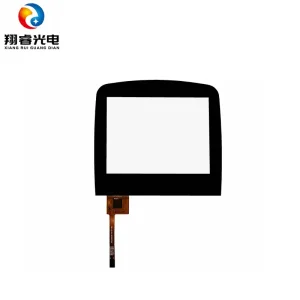
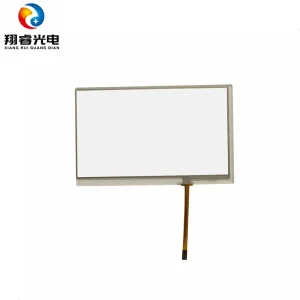
As human-machine interaction shifts toward more intuitive and immersive paradigms, optical bonding technology is undergoing rapid evolution. Key technical developments benefiting Swiss manufacturers include:
Modern surgical suites and high-risk industrial plants are adopting electro-tactile and piezo-actuated haptic touchscreens. Optical bonding resins must maintain exact elasticity (measured by Young's Modulus) to transfer tactile vibrations to the operator's fingertips without damping mechanical feel or causing glue delamination.
Next-generation automotive dashboards and ergonomic medical consoles feature curved glass profiles. Dispensing silicone LOCA resin over complex 3D contours requires high-precision 6-axis robotic dispensers and specialized UV side-curing optics to guarantee uniform bond line thickness without air entrapment.
Combining chemical AG etching on the top glass surface with sputtered metallic anti-microbial coatings provides continuous neutralization of pathogenic bacteria—a critical advantage for hospital monitors deployed throughout the Canton of Basel-Stadt.
Technical insights for engineering directors, display designers, and procurement managers in the Basel market.
 Xiangrui Optoelectronics