Pre-engineered touch panel assemblies optimized for power monitoring, system control, and public terminals across Addis Ababa and regional industrial zones.
Ethiopia is undergoing a monumental macroeconomic transition. Through the "Digital Ethiopia 2025" national strategy, the Federal Democratic Republic of Ethiopia is systematically digitizing key economic drivers including manufacturing, logistics, agriculture, and public services. A major aspect of this digital transformation is the integration of advanced human-machine interfaces (HMIs) and capacitive/resistive touch systems inside newly developed industrial parks, such as the Hawassa, Bole Lemi, and Kilinto Industrial Zones.
These industrial epicenters host massive textile, pharmaceutical, food processing, and electronics manufacturing facilities. Each of these sectors relies heavily on automated assembly lines, control consoles, and terminal interfaces that can withstand continuous operational use, voltage anomalies, and environmental challenges peculiar to the region.
Our tailored Touch Button Service & Products target these precise operational needs, ensuring that equipment control panels imported or integrated in Ethiopia maintain maximum uptime and deliver long service lifetimes under demanding conditions.
Guangzhou Xiangrui Optoelectronics Technology Co., Ltd., founded in 2010 and based in Guangzhou, China, stands as a premier manufacturer specializing in the custom design, development, production, and worldwide distribution of resistive touch panels, capacitive touch panels, customized cover glass, and high-precision module optical bonding products.
Operating a manufacturing footprint of 3,000 square meters, our facility houses specialized Class 100, Class 1,000, and Class 10,000 dust-free cleanrooms. This pristine cleanroom environment allows us to perform high-grade optical bonding and glass lamination without airborne contaminants, which is crucial for outdoor panels and heavy-duty displays that need to function flawlessly under sunlight and in dusty areas.
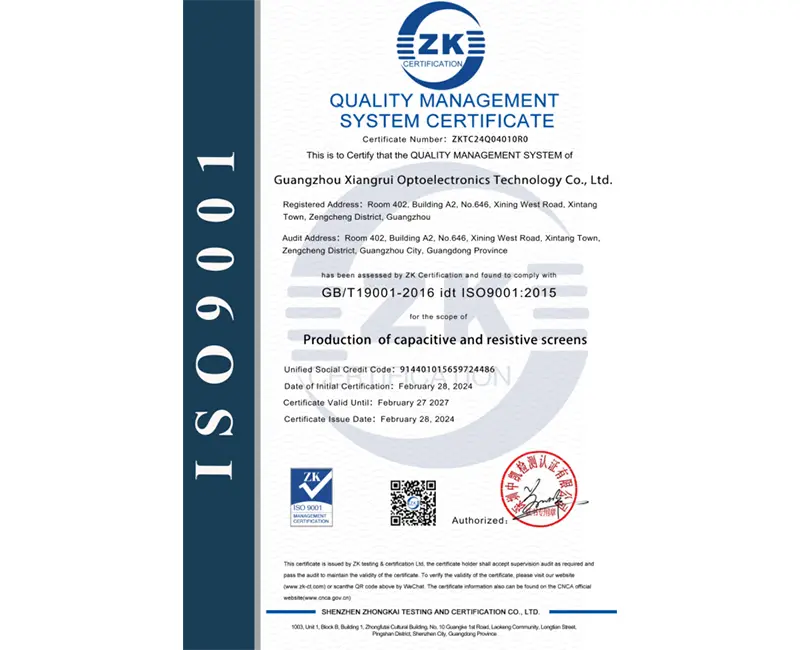
Our commitment to rigorous manufacturing is backed by ISO 9001:2015 Quality Management and ISO 14001:2015 Environmental Management system certificates. With over 30 utility patents, our enterprise continues to drive innovations in touch-button response times, anti-scratch glass coatings, and wide-temperature endurance modules.
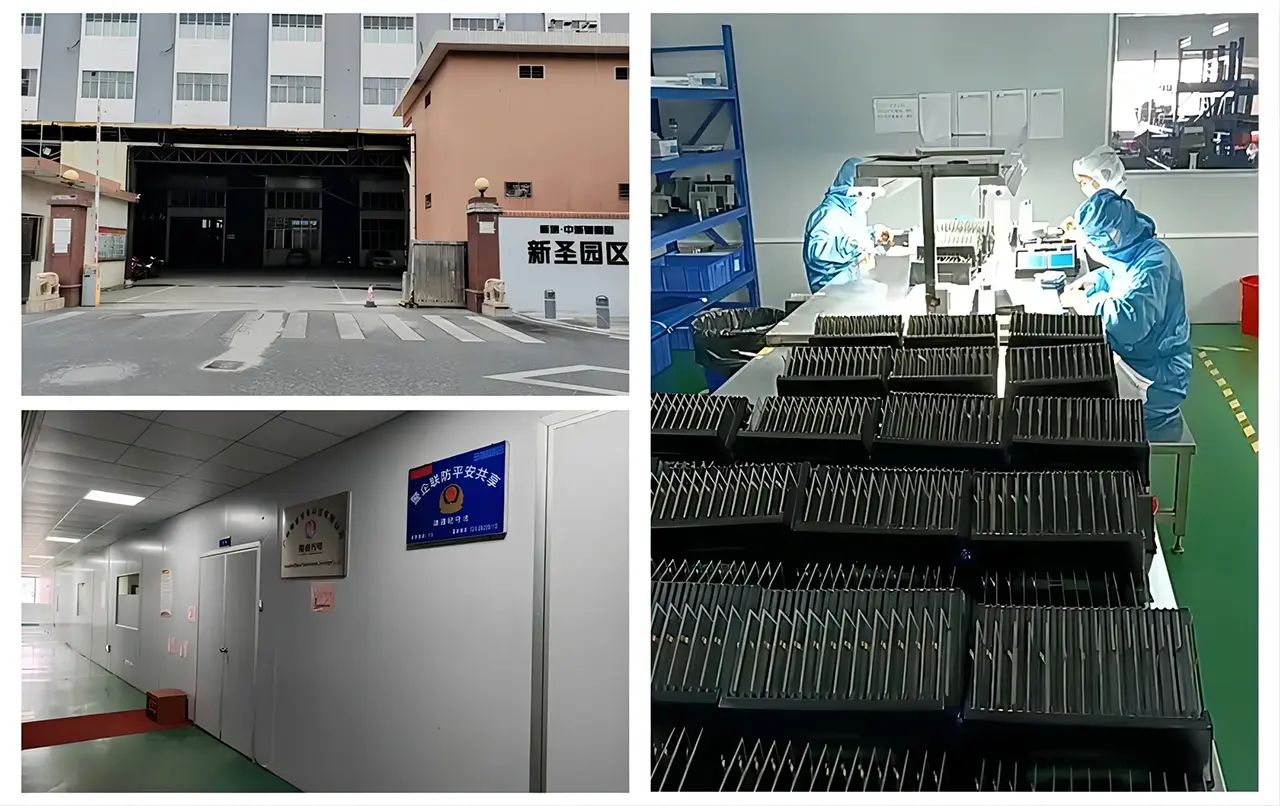
A statistical summary illustrating our manufacturing capabilities, global footprint, and technological IP portfolio serving global OEMs.
Standard electronic interfaces often fail in the East African region due to unique operational variables. Guangzhou Xiangrui Optoelectronics optimizes all touch screen assemblies to address these factors:
Ethiopia's high-altitude regions, such as the Addis Ababa bowl, and the dry plains surrounding Nazret (Adama) experience elevated ambient dust levels. Our capacitive and resistive touch screens are engineered with rugged, edge-to-edge cover glass and sealed with industrial gaskets. This dustproofing prevents particles from migrating under the glass, ensuring the capacitive touch grid remains properly calibrated.
Developing industrial grids can exhibit frequent voltage sags, surges, and electromagnetic noise from heavy machinery. Xiangrui panels feature integrated, high-signal-to-noise ratio (SNR) controller ICs (such as EETI, Ilitek, and FocalTech chips). These controllers filter out common-mode noise, preventing "ghost touches" or failure to register inputs during local power drops.
In locations such as the Rift Valley, daily temperature swings can trigger moisture condensation inside sealed equipment. Our optional **Optical Bonding service (OCR/LOCA)** completely fills the air gap between the touch sensor panel and the LCD module. This eliminates internal moisture build-up, prevents display fogging, and dramatically improves sunlight readability for outdoor agricultural machinery or ticket kiosks.
Providing seamless procurement, manufacturing agility, and reliable freight forwarding to support industrial expansion in East Africa.
Tailored cover glass thickness, custom shape cutouts, printed logos, and multi-interface interfaces (USB, I2C, RS232) designed to integrate directly with your legacy platforms.
Having internal glass processing, touch sensor lamination, and LCD display assembly in one factory reduces lead times and guarantees optical performance.
Guaranteed compliance with international manufacturing benchmarks. ISO 9001 and ISO 14001 certified operations provide peace of mind for import custom clearance in Djibouti and Ethiopia.
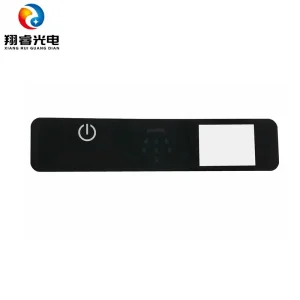
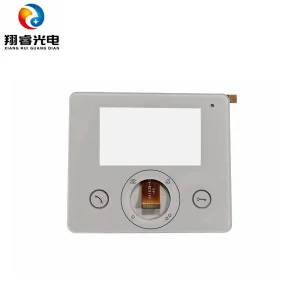
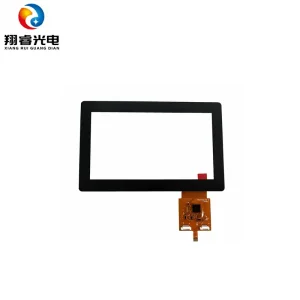
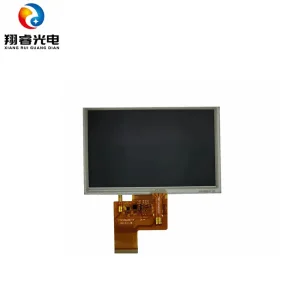
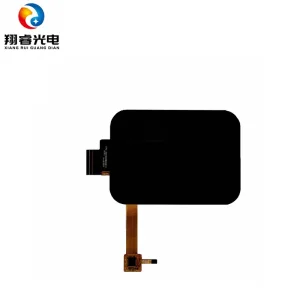
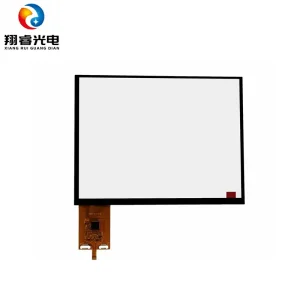
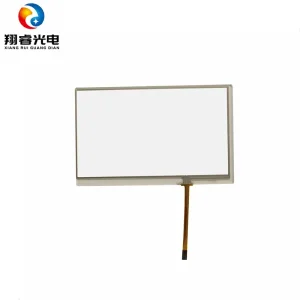
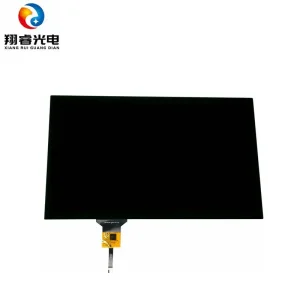
Our complete range of high-reliability touch overlays, customized resistive panels, and optically bonded touch modules for critical systems.
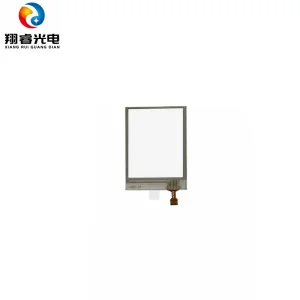
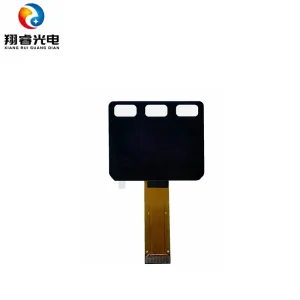
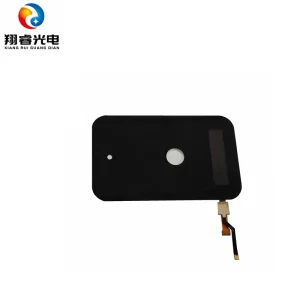
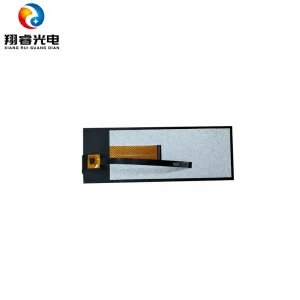
In high-altitude areas like Addis Ababa (at 2,355 meters), lower air density reduces the dielectric strength of air, which can increase dry electrostatic discharges. For touch-enabled control systems, an ESD event through a panel cover can damage the controller IC. Our touch button controllers incorporate high ESD tolerance designs, passing air discharges up to ±15KV and contact discharges up to ±8KV. The physical layout utilizes an integrated grounding border within the custom cover glass to route high-frequency electrical spikes away from the active sensor array.
Choosing the right touch technology is critical for system reliability. Resistive touch screens rely on physical pressure to flex the top film onto the bottom conductive layer. This mechanical operation works well in heavy industrial zones where staff must wear thick protective gloves. It also prevents activation by water drops or grease.
Conversely, projected capacitive (PCAP) screens utilize electrical field changes to detect touch events. PCAP panels provide multi-touch support, excellent optical clarity, and flat glass covers. For medical clinics in Addis Ababa or retail terminals in Bole Lemi, PCAP interfaces are preferred. We configure our capacitive panels with customized firmware that supports glove use or registers touches even with thin water films on the surface.
Traditional displays use double-sided adhesive tape around the perimeter of the screen, leaving an air gap between the touch sensor and the LCD. This gap creates two major issues: high ambient light reflections (up to 8.5% surface reflectance) and a risk of moisture condensation in humid climates. Our optical bonding process uses liquid optically clear adhesive (LOCA) or sheet adhesive (OCA) to fill this gap. This reduces total reflections to under 0.2%, improves display contrast, and prevents dust or water vapor from getting between the layers.
Customized human-machine interfaces designed to meet the strict technical standards of East Africa's leading industries.
Ethiopia's rollout of smart electricity and water meters requires durable touch interfaces. Small capacitive screen modules, such as our 2.8" and 4.3" touch overlays, are sealed with hardened cover glass (IK07/IK08 rating) to prevent vandalism and resist weathering in outdoor meter cabinets.
Assembly lines in textile, footwear, and manufacturing facilities use 7.0-inch to 15.6-inch touch displays for system diagnostics and settings. These screens are built to operate 24/7 in warm environments and resist grease, lubricants, and cleaning chemicals.
Self-service banking kiosks and ticketing terminals in major transit hubs require robust touch sensors. Our thick-glass capacitive overlays, protected by anti-glare (AG) and anti-fingerprint (AF) coatings, maintain high sensitivity and readability under heavy daily use.
To ensure consistent performance and support long-term projects in Ethiopia, we maintain strict quality control processes throughout manufacturing:
Detailed technical advice for system engineers, supply chain leads, and buyers importing industrial HMI equipment to East Africa.
Discuss your technical requirements with our engineering team. We provide custom prototyping, cover glass fabrication, and sensor configuration tailored for operations in Ethiopia and across East Africa.
 Xiangrui Optoelectronics