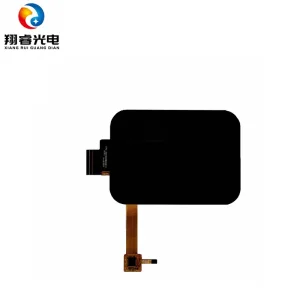
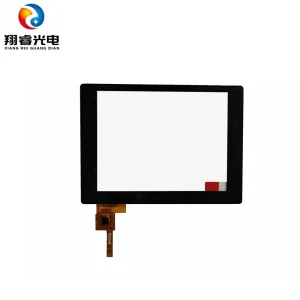
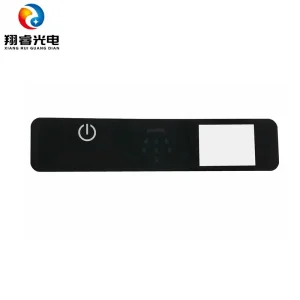
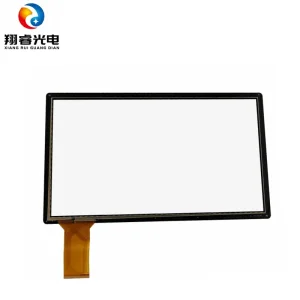
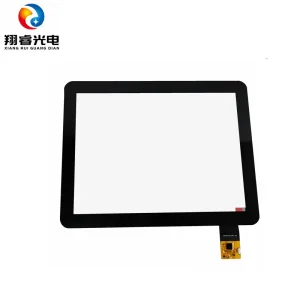
China Touch Screen Bonding Suppliers & Factory

Industry-Leading Optical & Tape Bonding Solutions for High-Reliability Displays in Industrial, Medical, and Ruggedized Applications.

Industry Whitepaper

Global Procurement Trends in Touch Screen & Display Module Bonding

In modern industrial and commercial Human-Machine Interfaces (HMIs), touch screens must offer more than basic interactivity. High humidity, direct sunlight, aggressive cleaning protocols, and severe temperature transitions require screens that are physically robust and optically pristine.

Global procurement teams in sectors such as medical engineering, aerospace, automotive dashboards, and marine navigation are steering away from traditional air-gap (frame) bonding. They are actively embracing optical bonding to secure their display stacks. Eliminating the refractive-index disparity between the display glass and the touch sensor directly mitigates internal reflections, enhances mechanical drop-test survival rates, and completely prevents moisture condensation in field deployments.

Key Sourcing KPI:

OEMs sourcing custom display assemblies from China now demand verified ISO 9001 and ISO 14001 compliance, class 100/1000 cleanroom environments, and certified optical adhesives (OCA/OCR) that resist yellowing over extended UV exposure.
Precision Optical Bonding Manufacturing Process

Guangzhou Xiangrui Optoelectronics Technology Co., Ltd.

Your premier engineering-driven manufacturing partner for capacitive and resistive touch panel integration.

10+ Years
Industrial Heritage
Established in 2010, specializing in R&D, production, sales, and service of complex touch architectures.
3000+ sqm
Production Facility
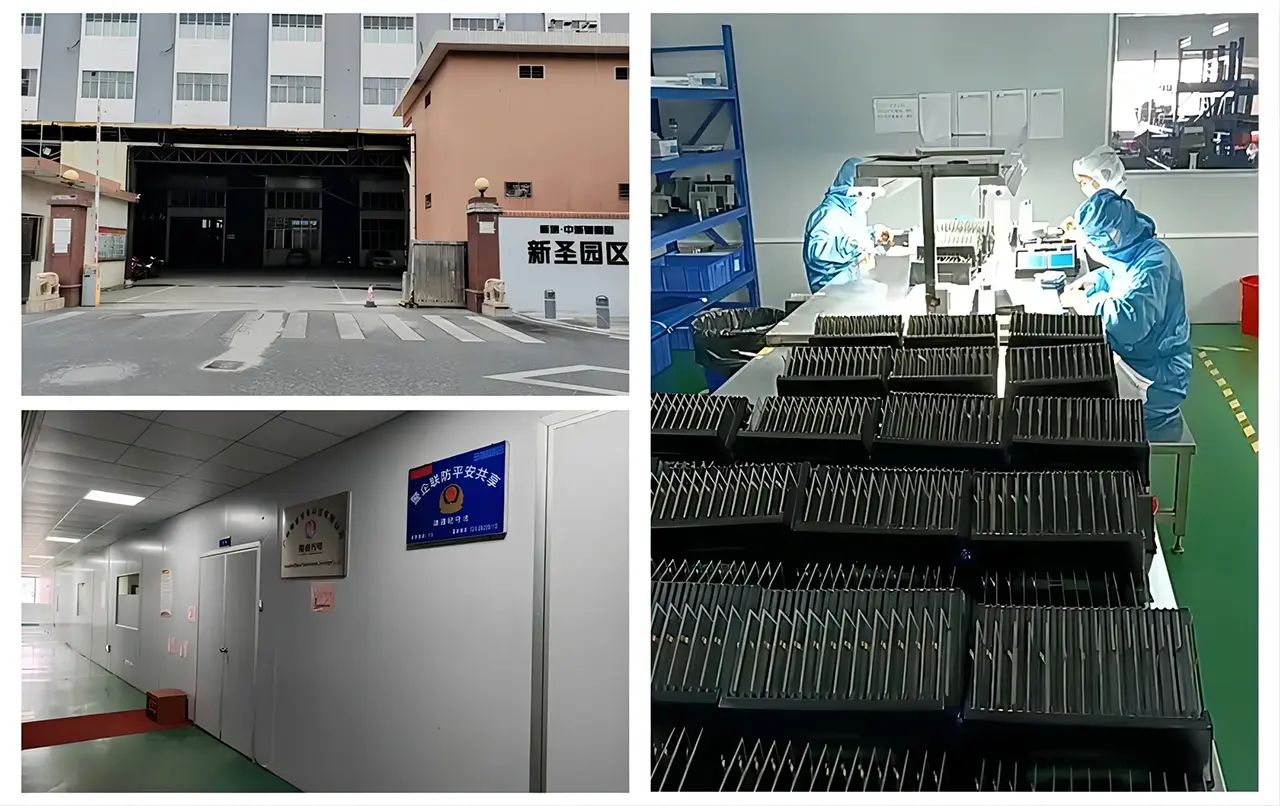
Equipped with Class 100, Class 1000, and Class 10000 dust-free workshops to fulfill cleanroom requirements.
30+
Invention & Utility Patents
Continual investments in new materials and process applications drive our market competitiveness.
40+
Countries Exported
Serving critical industries worldwide with localized support and globally certified products.

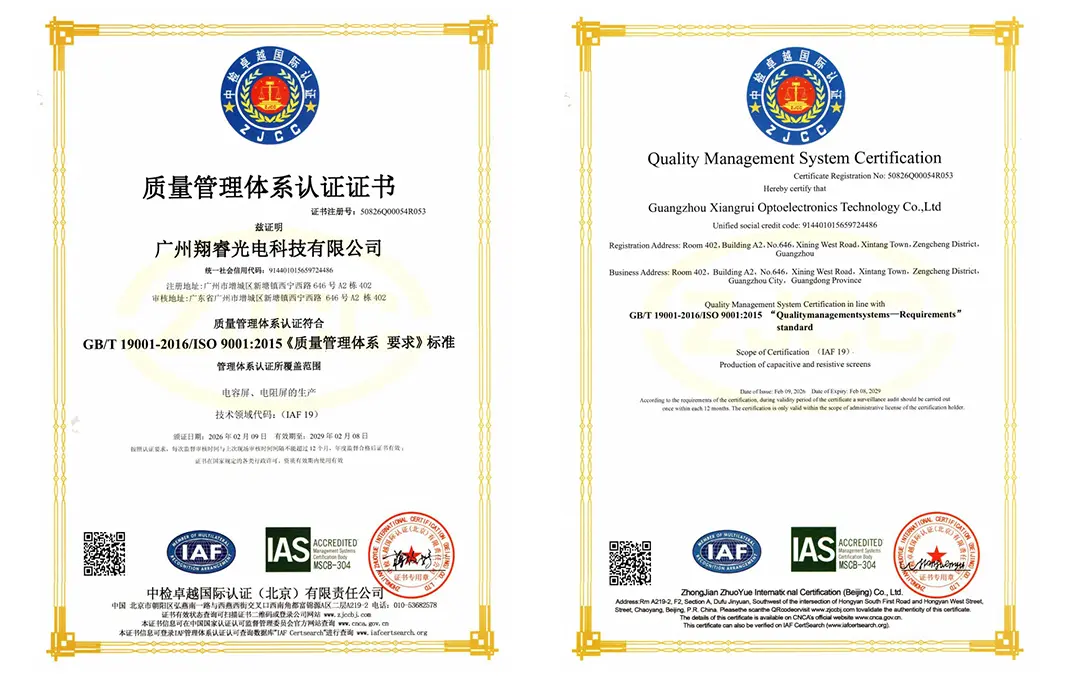
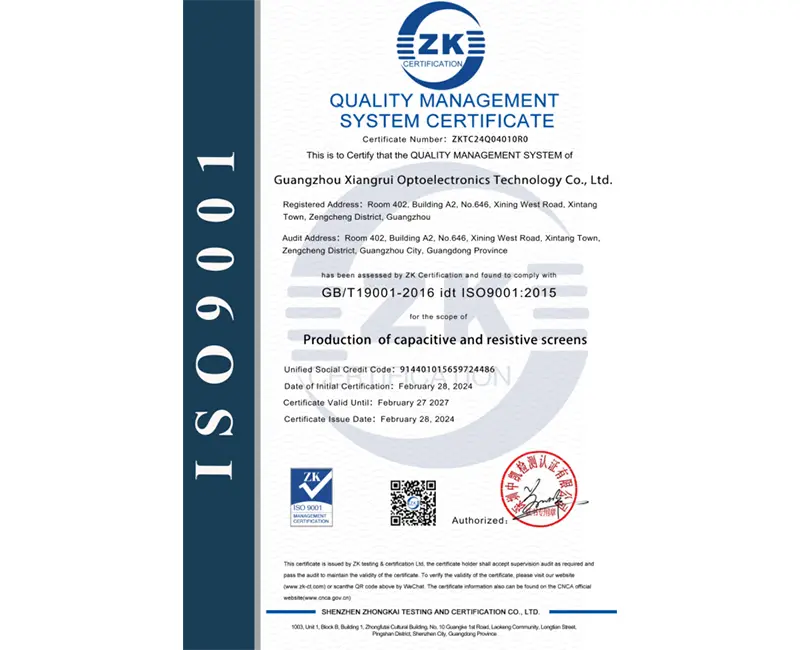
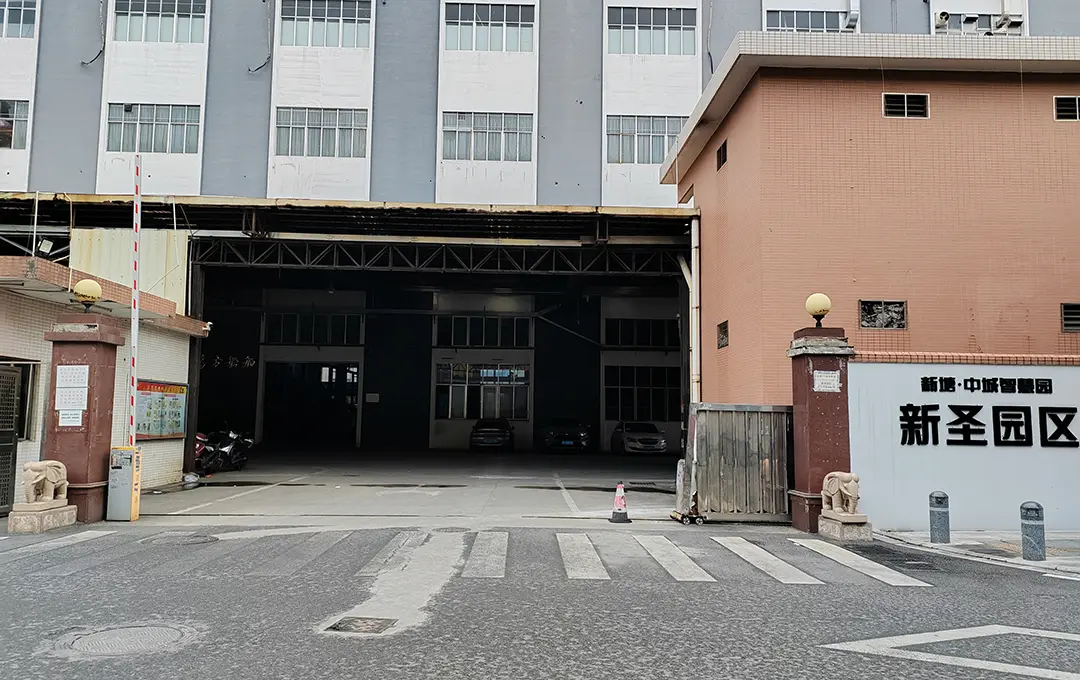
Founded in 2010 and based in Guangzhou, China, we dedicate ourselves to the research and development, production, sales, and service of resistive touch panels, capacitive touch panels, cover glass, and module bonding products. We specialize in custom touch screen configurations, offering highly flexible OEM and ODM services. Our facility maintains stringent certified ISO 9001 and ISO 14001 environmental and quality management systems.

Our solutions cater directly to demanding industries including industrial control panels, medical equipment, commercial home appliances, smart home control interfaces, outdoor rugged panels, and palmprint-recognition payment terminals. We operate with a fundamental focus on people-oriented, honest, pragmatic, innovative, and united efforts, enabling us to sustain stability and rapid technological scaling in a highly competitive market.
Technological Roadmap & Material Comparison

Selecting the optimal bonding method based on deployment environments and optical requirements.

Liquid OCR (LOCA) Bonding

Utilizes liquid optically clear resin cured under UV light or thermal systems. Best suited for irregular substrates, large format screens, and high-impact assemblies.

  • Excellent gap-filling for uneven surfaces
  • High shock absorption and mechanical stability
  • Superior optical clarity & index matching ($n \approx 1.49$)
  • High thermal stability under outdoor UV exposure

OCA Film Bonding

Uses a highly uniform dry sheet adhesive layer. Highly efficient for medium-sized displays, flat cover glasses, high-volume consumer goods, and medical monitors.

  • Ultra-uniform thickness across the active area
  • Zero risk of liquid adhesive overflow during lamination
  • Fast processing cycles for high-volume orders
  • Optimal for G+G and G+F architectures

Tape / Frame Fitting

The touch panel is adhered to the LCD bezel via dual-sided industrial tape, creating an air gap. Cost-effective for standard indoor display environments.

  • Low cost tooling and setup phase
  • Simple rework procedures for LCD recovery
  • Suitable for standard indoor automation displays
  • Accommodates varied bezel depths
Performance Parameter Optical Bonding (OCA / OCR) Tape / Frame Fitting (Air Gap) Operational Advantage
Reflective Loss < 0.5% to 1% 4.5% to 5% Drastically improves readability in high-ambient light.
Impact / Shock Resistance High (Adhesive absorbs impact energy) Low (Air space risks glass breakage) Passes stringent industrial drop tests (IK08-IK10).
Moisture Condensation Completely prevented (Solid optical stack) Susceptible in humid environments Necessary for marine, medical autoclave, and outdoor kiosks.
Sunlight Readability Excellent (High contrast retention) Poor (Internal refractions wash out display) Reduces required backlight output, saving power & thermal load.
Advanced Cleanroom Production Environment
Ruggedization & Compliance

Standardized Quality Control for Demanding HMI Applications

Producing industrial-grade display integrations demands rigorous cleanliness controls. Even microscopic dust particles trapped in an optically bonded stack will result in immediate QC rejection due to localized light diffraction. Our cleanrooms are tightly controlled for humidity, temperature, and airborne particulates to guarantee flawless laminations.

To support deployment in demanding conditions, we specialize in high-durability cover glass treatments and integrations:

  • Anti-Glare (AG): Chemically etched glass surface to diffuse specular reflections.
  • Anti-Reflective (AR): Multi-layer physical vapor deposition coatings to maximize light throughput.
  • Anti-Fingerprint (AF) / Hydrophobic: Oleophobic coating layer to reduce smudging and grease accumulation.
  • Wide-Temperature OCR: Formulations that function continuously from -40°C up to +85°C without delamination.

Why Choose Xiangrui Optoelectronics

We blend advanced material research, quality systems, and client-centric custom design.

01

Standards-Compliant Production

We strictly enforce ISO 9001 and ISO 14001 guidelines across all departments, tracking quality metrics from incoming raw material inspection (IQC) through cleanroom assembly and final out-of-box audit (OQA).

02

IP-Driven Engineering Development

As a verified High-Tech Enterprise in Guangdong Province since 2022, our R&D group regularly secures patents for capacitive sensor design optimizations, wide-temp industrial laminations, and moisture-resistant optical stacks.

03

Flexible Customization & Support

We support various display dimensions, touch controller options (e.g., EETI, Ilitek, FocalTech), custom cover glass thicknesses up to 10mm, chemical tempering, and custom FPC pinouts.

Procurement Capabilities

Our production capability encompasses both high-mix, low-volume specialist industrial orders and high-volume consumer touch panel laminations.

Custom Cover Glass Lamination Up to 10mm thickness
Industrial Temperature Curing -40°C to +85°C Stability
Refractive Index Customization n = 1.47 - 1.52

Frequently Asked Questions (FAQ)

Detailed technical advice on sourcing, engineering, and manufacturing touch panel bonding solutions.

Q1: Why is optical bonding preferred over traditional air-gap/tape bonding?
Optical bonding fills the air gap between the touch sensor/glass and the display panel with an index-matched adhesive. This eliminates two reflective surfaces, reducing reflective loss from ~5% to less than 0.5%. It also prevents internal fogging or condensation in humid settings, reinforces the physical structural assembly to protect against impact, and yields a higher-contrast display.
Q2: What is the difference between OCA film and Liquid OCR (LOCA) in production?
OCA (Optically Clear Adhesive) is a dry, solid film applied via vacuum roller laminators. It is clean and provides highly uniform thickness, making it ideal for flat, standardized consumer panels. OCR/LOCA is a liquid adhesive dispensed over the panel, cured using ultraviolet (UV) radiation or thermal processes. OCR is suited for curved covers, irregular profiles, large commercial screens, and applications that require thick adhesive layers.
Q3: How does Guangzhou Xiangrui address UV yellowing and degradation in outdoor systems?
We use high-grade silicone and acrylic-based OCA and OCR adhesives containing UV-stabilizer additives. These adhesives are tested under accelerated weathering conditions to ensure they retain optical clarity (delta-E < 1.0) and prevent yellowing or peeling, even when exposed to solar radiation over long lifecycles.
Q4: Can your optical bonding solutions handle wide operational temperatures?
Yes, our wide-temperature industrial-grade capacitive touch panel optical bonding is engineered for extreme climates. Using specialized silicone OCR, our laminations withstand thermal expansion stresses from -40°C up to +85°C without delamination, bubble generation, or optical distortion.
Q5: What surface treatments can be integrated into the cover glass?
We offer three main functional surface coatings: Anti-Glare (AG) via chemical acid etching to diffuse glare; Anti-Reflective (AR) via thin-film physical vapor deposition (PVD) to increase light transmission; and Anti-Fingerprint (AF) oleophobic coating to simplify cleaning. These coatings can be combined depending on design requirements.
Q6: How do your touch panel controllers handle gloved touch and liquid contamination?
We integrate industrial-grade IC controllers (such as EETI, Ilitek, and Microchip) that feature high signal-to-noise ratios (SNR). Our team customizes the controller firmware to support multi-touch inputs through heavy work gloves (latex, nylon, leather) and to reject false inputs caused by water droplets or saline solutions on the glass surface.
Q7: What certifications does your factory hold for quality compliance?
Guangzhou Xiangrui holds certified ISO 9001 quality management system and ISO 14001 environmental management system qualifications. Our products comply with RoHS, REACH, CE, and FCC criteria as required by international markets.
Q8: Do you offer low-volume customization (NPI) support?
Yes. We support custom design projects for medical, aerospace, and specialized industrial sectors. We offer flexible NPI (New Product Introduction) cycles with moderate tooling charges to help customers validate designs before scaling up to mass production.