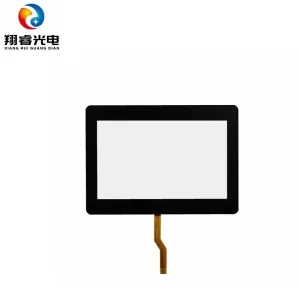
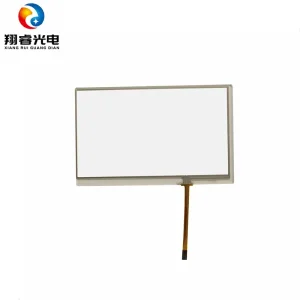
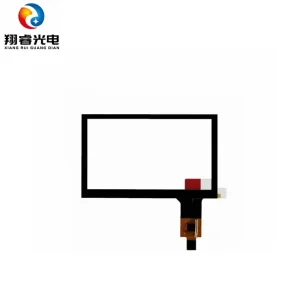
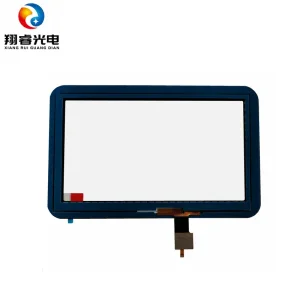
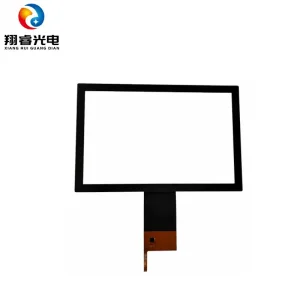
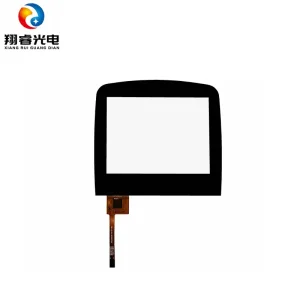
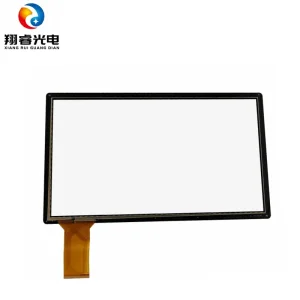
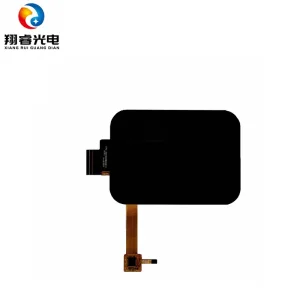
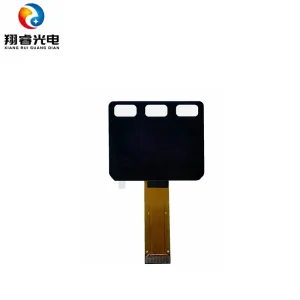
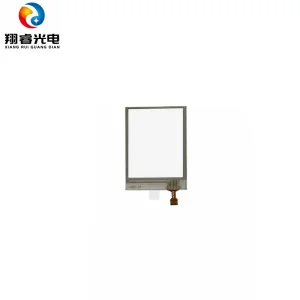
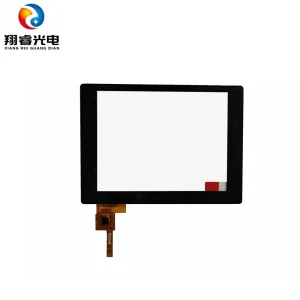
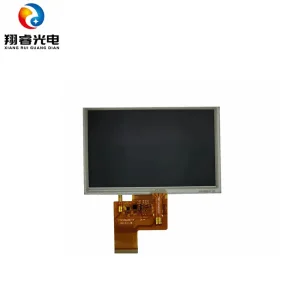
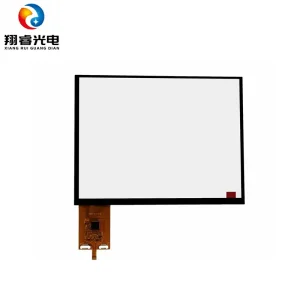
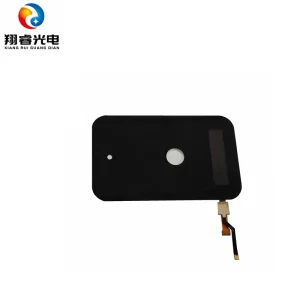
Explore our precision-engineered capacitive and resistive touch screens, featuring robust optical bonding, wide operating temperature thresholds, and customizable protective cover glass for critical applications.
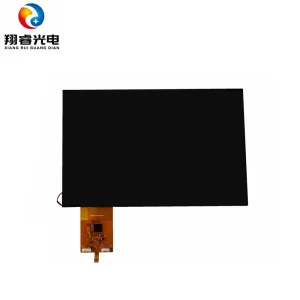
In today's hyper-connected industrial and consumer ecosystems, a touch screen overlay is no longer just a simple input interface. It represents a highly complex, multi-layered system designed to protect sensitive liquid crystal displays (LCDs) while delivering reliable, high-definition capacitive or resistive interactivity. Sourcing from a premier China touch screen overlay factory allows global system integrators to tap into state-of-the-art optoelectronic integration methods, high-yield cleanroom assembly, and structural customization capabilities that meet strict international testing regimes.
At Guangzhou Xiangrui Optoelectronics Technology Co., Ltd., we categorize touch overlays into two structural typologies depending on their sensing mechanism: Projected Capacitive (PCAP) and Analog/Digital Resistive. The choice between these paths determines the design constraints of the host hardware—influencing optical transmission coefficients, environmental sealing (IP ratings), electrical noise tolerance (EMI), and tactile adaptability (e.g., gloved-hand activation or stylus support).
Our premium cover glass options offer up to 92% light transmission, with optional Anti-Reflective (AR), Anti-Glare (AG), and Anti-Fingerprint (AF) chemical etchings for superior outdoor visibility.
Utilizing chemically strengthened aluminosilicate glass or thermal-tempered sodalime glass, ensuring high impact resistance matching IK08 to IK10 industrial ratings.
Supports double-sided ITO (DITO) sensor patterning, metal mesh structures, and specialized flexible printed circuits (FPC) tailored for tight bezel enclosures.
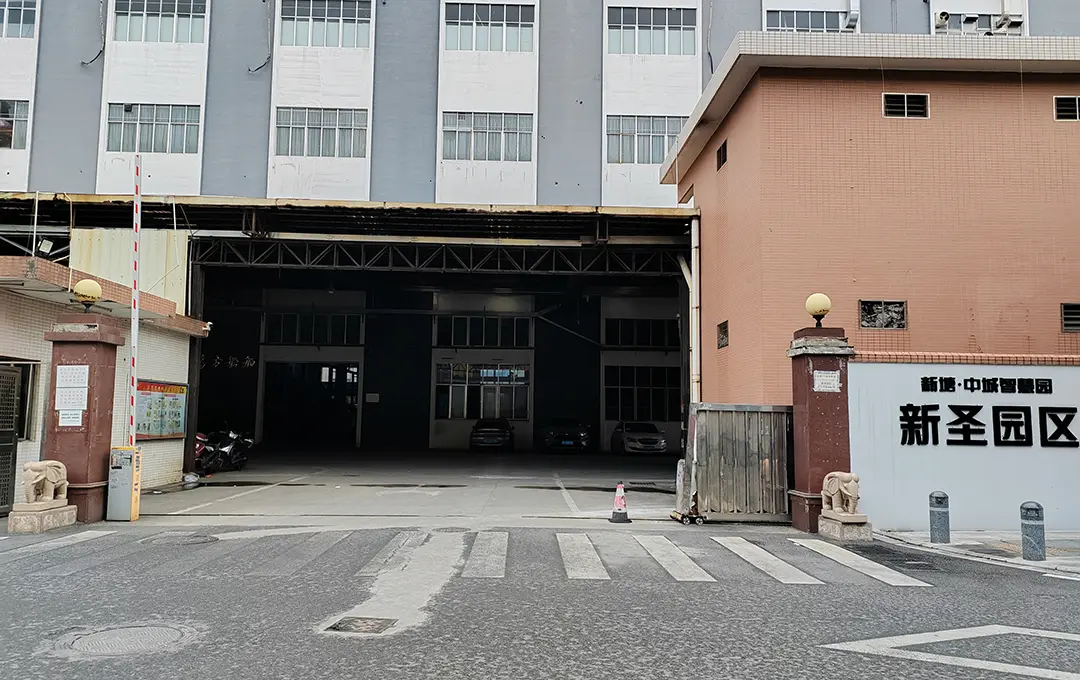
Established in 2010, Guangzhou Xiangrui Optoelectronics Technology Co., Ltd. has developed into a leading high-tech manufacturer specializing in resistive touch panels, capacitive touch panels, cover glass, and module optical bonding. Operating out of a state-of-the-art 3,000 square meter factory in Guangzhou, China, our environment features isolated cleanrooms ranging from Class 100, Class 1,000, to Class 10,000. These spaces prevent micro-dust particles from disrupting laminations, achieving high yields for optical-grade bonds.
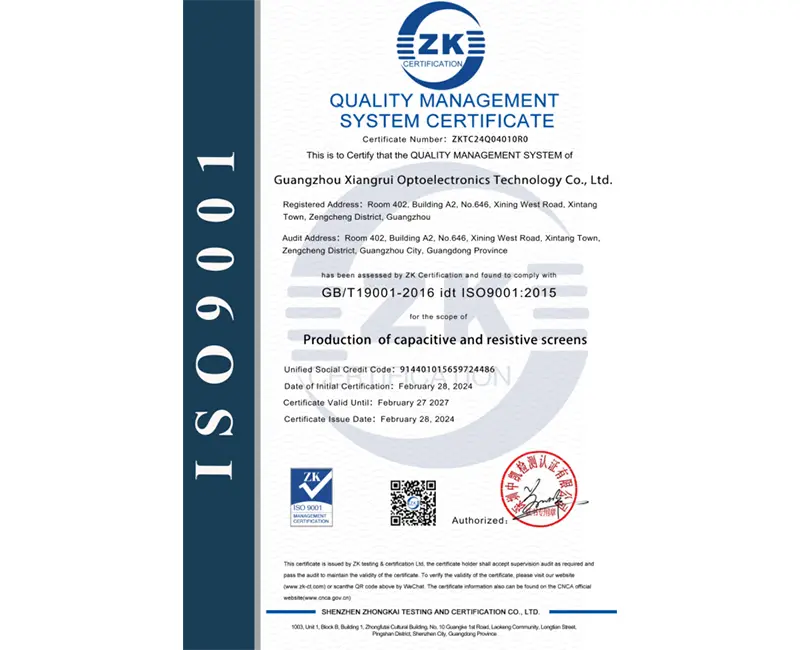
Our facilities carry ISO 9001:2015 and ISO 14001:2015 certifications, reflecting our focus on manufacturing precision and environmental responsibility. Supported by over 30 utility patents and a dedicated engineering department, our products are built to withstand challenging industrial settings, medical washdowns, outdoor UV degradation, and heavy-use payment systems.
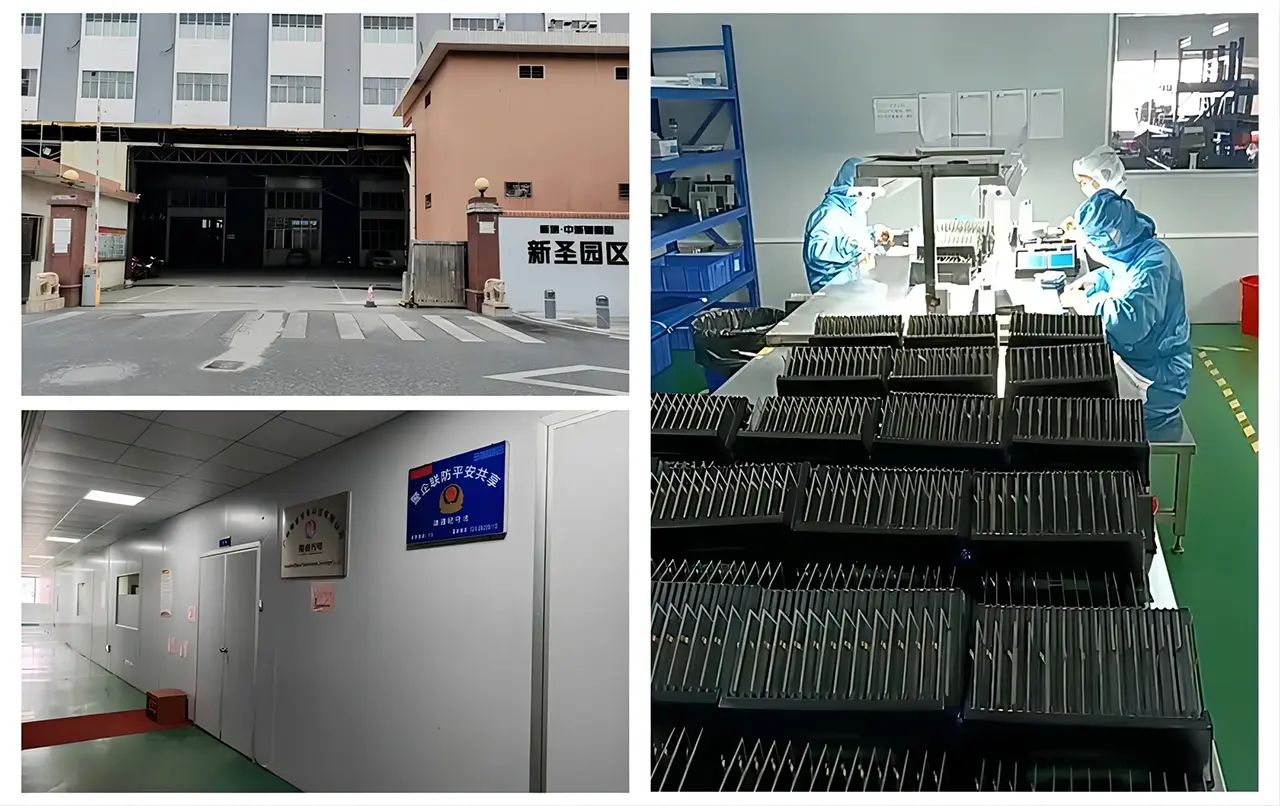
When sourcing from a touch screen overlay manufacturer, you must select the appropriate integration method for the overlay and LCD panel. The two primary methods are Optical Bonding and Frame Fitting (Tape Bonding). The selection impacts display legibility, mechanical durability, and thermal performance.
| Technical Metric | Optical Bonding (LOCA / OCA) | Frame Fitting (Air Gap / Tape) |
|---|---|---|
| Refractive Index Matching | Excellent (~1.49 matching adhesive to glass index, minimizing internal reflections) | Poor (Air gap creates transitions between glass and air, causing refraction loss) |
| Sunlight Readability | High; reduces ambient light reflections by up to 400% | Moderate; prone to mirror-like glare under direct solar exposure |
| Condensation & Dust Entry | Hermetically sealed; zero risk of moisture or dust penetration | Vulnerable; changing humidity can cause condensation inside the air gap |
| Impact Absorption | High; elastomeric adhesive layers absorb shock and distribute mechanical loads | Lower; cover glass can flex and damage the underlying LCD under impact |
| Thermal Dissipation | Direct heat transfer path from the display surface out through the cover glass | Air acts as an insulator, trapping heat and affecting display life |
Guangzhou Xiangrui Optoelectronics offers both options. For demanding medical and marine environments, we recommend our optical bonding services. We apply liquid optically clear adhesive (LOCA) or dry optical film (OCA) using precise pressure profiles. This process eliminates the air gap, preventing internal reflections and keeping the display readable in outdoor or high-intensity settings.
Global electronics sourcing is moving toward fully integrated, single-vendor touch solutions. Procurement teams often struggle with integrating components from separate sources (such as a glass processor in one area, a touch sensor laminator in another, and a bonding shop in a third). This fragmentation can lead to integration failures and finger-pointing during quality reviews.
Xiangrui Optoelectronics simplifies this by acting as a single, vertically integrated partner. We handle every step in-house: chemical tempering of cover glass, sensor patterning, cleanroom lamination, controller tuning, and final optical bonding. This unified process ensures clear lines of accountability, high yield rates, and lower overall production costs.
Our quality control protocols monitor critical metrics from start to finish, including:
Modern touch screen overlays operate in a wide variety of environments, from medical operating rooms to rugged outdoor terminals. We customize our touch designs to meet the distinct technical standards of each application:
Designed to withstand harsh disinfectants, our medical-grade touch overlays support reliable operation with surgical gloves and protect against accidental liquid spills.
Features high electromagnetic immunity (EMI) to prevent false touches near heavy machinery, along with thick cover glass options to resist physical impacts.
Equipped with UV-blocking filters to prevent display yellowing, high-brightness optical bonding, and water-rejection firmware for reliable wet-weather performance.
Blends seamlessly into modern home designs with ultra-thin cover glass, custom colored borders, and reliable integration with home networks.
Integrated security and authentication, incorporating anti-spy privacy filters, high impact ratings, and scratch-resistant surface coatings.
As touch screen applications expand, technology is shifting toward more responsive, flexible, and chemically stable designs. Guangzhou Xiangrui Optoelectronics actively tracks these shifts, developing touch solutions that utilize advanced materials and manufacturing techniques.
Our technological focus centers on three key areas:
On the compliance front, our manufacturing is fully aligned with environmental and safety standards. All touch screen panels, cover lenses, and bonding adhesives are certified under RoHS and REACH regulations, easing the qualification process for export to North America and the European Union.
Find the right touch interface for your design, from small capacitive touch sensors to large-format resistive overlays.
We prioritize transparency, product reliability, and project-specific customization in our design and manufacturing processes. Guided by a customer-first approach, we focus on maintaining consistent quality standards, reliable project scheduling, and open collaboration. We build long-term relationships with global buyers and touch screen distributors by keeping our commitments clear and measurable.
By closely monitoring our production metrics, we verify that every layer—from raw glass substrates to complex multi-layered capacitive sensor arrays—aligns with industrial performance profiles. Our manufacturing systems comply with ISO 9001 and ISO 14001, ensuring traceably verified quality throughout assembly.
Under the direction of our research and development team, we have earned multiple utility model and invention patents. These technological and manufacturing contributions were recognized in 2022 when our factory was awarded the title of "High-Tech Enterprise of Guangdong Province."
 Xiangrui Optoelectronics