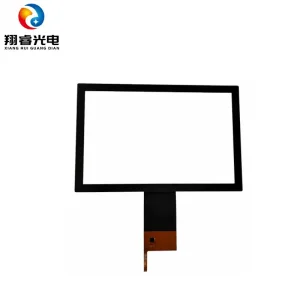
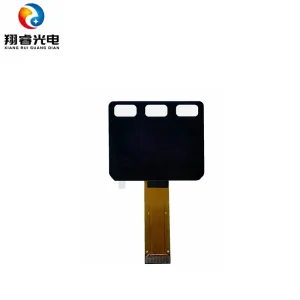
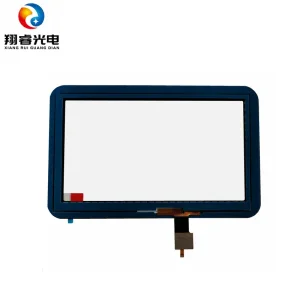
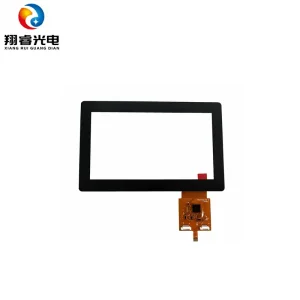
Explore our premium grade selection of integrated touch panels and optically bonded display stacks designed to perform in high ambient light, wide temperature ranges, and harsh operational setups.
Optical bonding is an advanced process where a layer of resin, silicon, or polyurethane is applied between the cover glass (or touch panel) and the LCD display panel. By filling the microscopic air gap that naturally exists between these layers, we dramatically reduce the internal refraction of light. This improves contrast ratios, prevents condensation, and enhances structural strength.
When light passes from one medium to another, it changes speed and bends. Under normal conditions, an air gap display stack has a refractive index mismatch (Glass ≈ 1.52, Air = 1.0, Polarizer ≈ 1.5). This mismatch causes reflection losses of approximately 4.5% at each boundary surface, totaling over 9% loss of total display brightness. This results in the washed-out display screens typical of outdoor ambient sunlight settings.
By replacing the air gap with an Optically Clear Adhesive (OCA) or Liquid Optically Clear Adhesive (LOCA) with a refractive index of approximately 1.49 to 1.51, light travels continuously through a unified optical medium. Reflections fall below 0.2%, resulting in vibrant graphics, enhanced readability, and improved energy efficiency as backlights can be operated at lower power ratings.
Choosing the correct materials is key to achieving optimal performance. The choice of adhesive dictates how the display handles extreme thermal expansion, mechanical vibrations, and ultraviolet light exposure.
Best suited for uneven surfaces, large format displays, and complex curved panels. Liquid resins are applied uniformly using computerized dispensing systems. This ensures 100% gap coverage and is highly effective for customized contours, preventing air bubble traps on structured substrates.
Ideal for smaller display structures, mobile devices, and flat touchscreens. Provided in dry sheet form, OCA enables highly consistent bond thickness. However, it requires highly precise roll-to-roll vacuum laminating equipment to prevent particulate contamination.
Used heavily in automotive and aerospace displays, OCR resins can be adjusted for hardness and curing speed. These materials are formulated to endure extreme temperatures (-40°C to +85°C) without yellowing or structural failure.
Quality optical bonding demands strict process control. Even minor micro-dust particles can ruin an entire LCD display assembly. Below is our standard high-reliability production flow designed to achieve consistent yields.
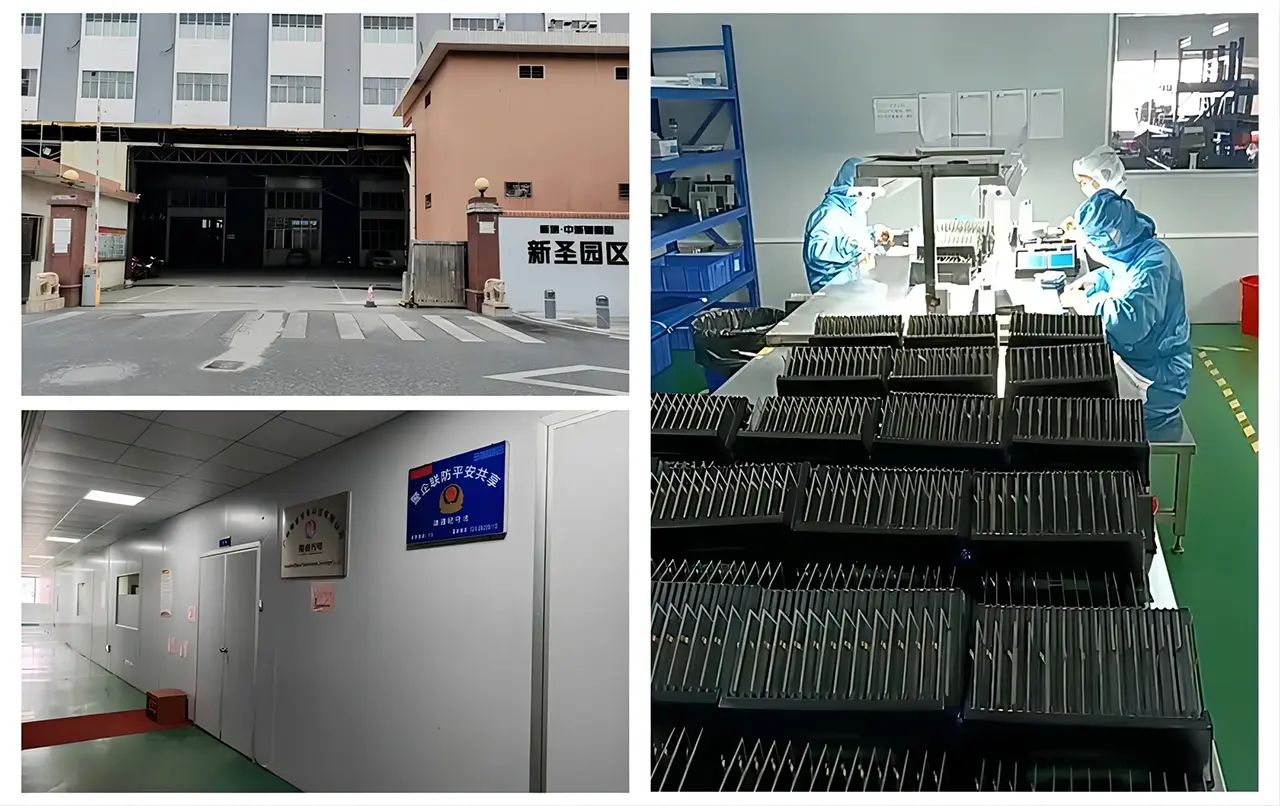
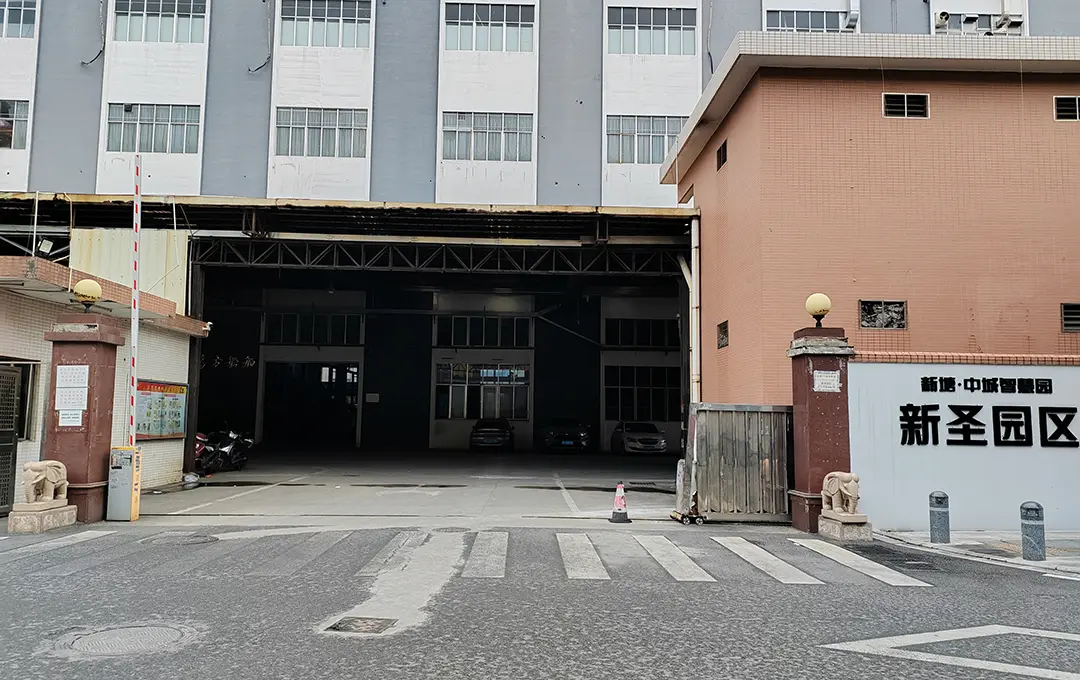
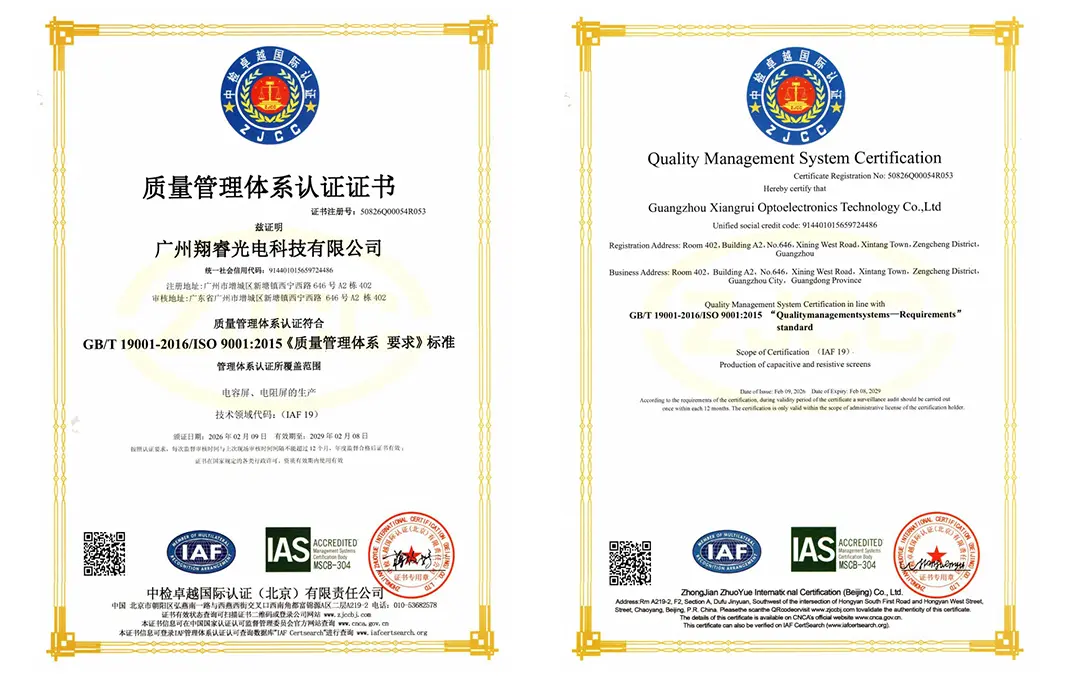
Founded in 2010 and based in Guangzhou, China, we are a leading manufacturer dedicated to the research, development, production, and sale of resistive touch panels, capacitive touch panels, cover glass, and module bonding solutions. We offer comprehensive OEM/ODM customization services to clients around the globe.
To ensure high manufacturing yields, our facility spans over 3,000 square meters and is equipped with state-of-the-art cleanrooms (Class 100, Class 1000, and Class 10000). These dust-free workshops prevent environmental contaminants from affecting our optical bonding and laminating processes.
Custom optical bonding is utilized across a wide variety of industries. From medical monitors that require sanitization to offshore navigation displays exposed to salt fog, our designs are built to perform under pressure.
Medical monitors require high contrast and resistance to chemical disinfectants. Optical bonding prevents internal condensation when equipment is subjected to temperature changes, ensuring sharp images during surgery and imaging procedures.
Industrial touch panels operate in demanding environments. Our custom bonding options provide IP65 dust and water ingress protection, vibration resistance, and durability against accidental impacts in automated factories.
Outdoor terminals face issues like glare and high ambient temperatures. Our optical bonding processes, combined with anti-reflective (AR) and anti-glare (AG) coatings, keep screens readable in direct sunlight.
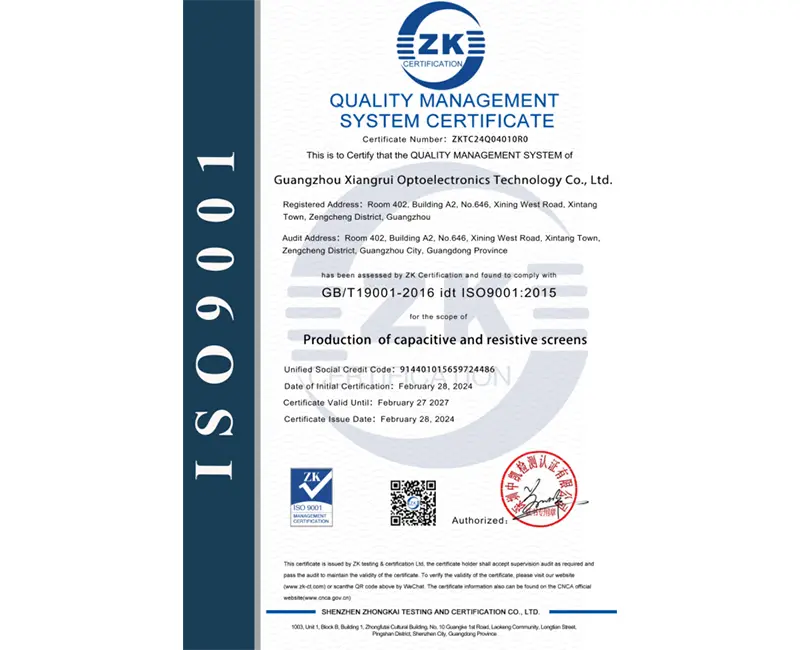
We prioritize reputation, product quality, and reliable delivery, maintaining long-term partnerships with leading enterprises worldwide.
As displays transition toward ultra-thin designs, flexible screens, and complex shapes, optical bonding techniques must evolve alongside them. We are actively developing next-generation processes to support this technological shift.
Developing bonding agents with low-outgassing properties to ensure long-term UV resistance, preventing yellowing even in outdoor environments with high solar radiation.
Refining dry and wet laminating techniques to handle flexible OLED and active-matrix MicroLED profiles, accommodating curved automotive dashboards and wearable electronics.
Optimizing precise dispensing controls to apply adhesive layers under 100 microns thick, allowing thin designs while preserving impact resistance.
Here are detailed answers to common technical and procurement questions regarding optical bonding processes and display customization.
Dry bonding uses pre-cured adhesive films (OCA) and is well-suited for flat, smaller screens. Wet bonding utilizes liquid resins (LOCA/OCR) applied via dispenser, making it more adaptable to larger displays, curved geometries, or panels with varied surfaces. Wet bonding also handles thermal expansion changes more effectively, reducing mechanical stress on the LCD glass.
Yes. Filling the internal air gap with an elastomeric adhesive layer distributes localized impact forces across the entire display stack. This significantly improves mechanical shock resistance and helps prevent shattered glass shards from scattering, which is a key safety requirement in medical and transportation environments.
Traditional displays with air gaps can trap humidity. When exposed to temperature changes, this moisture condenses on the cold inner surface of the cover glass, causing fogging. Optical bonding eliminates the air gap entirely, making it impossible for moisture to enter and preventing condensation.
Outdoor terminals, marine instrumentation, and industrial control systems benefit most. An IP65 rating ensures the assembly is dust-tight and resistant to water jets. Our optical bonding processes seal the display edge, helping the overall housing achieve reliable ingress protection.
Browse our additional selection of capacitive and resistive touch panels, designed for high-reliability integrations across various commercial and industrial applications.
 Xiangrui Optoelectronics