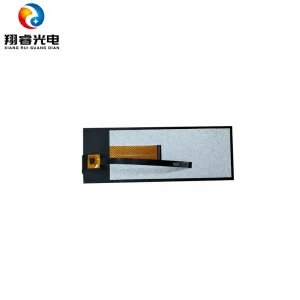
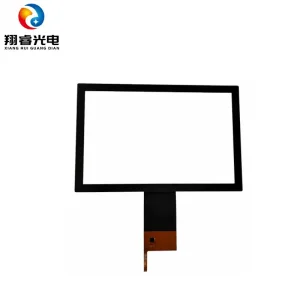
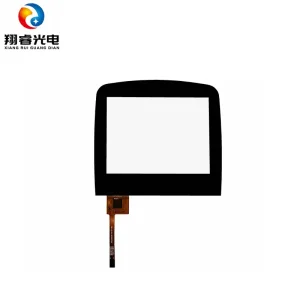
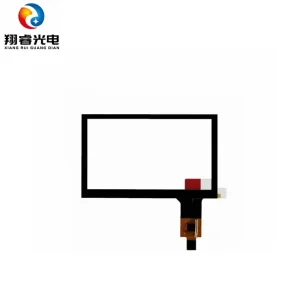
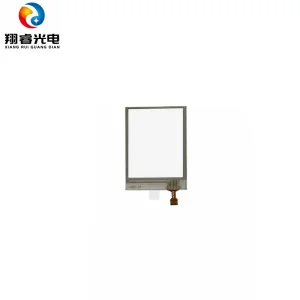
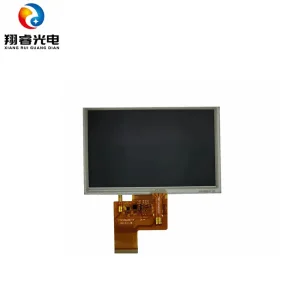
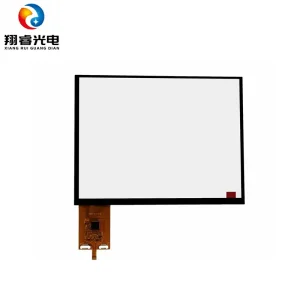
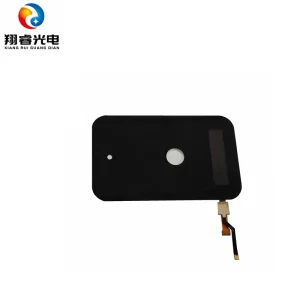
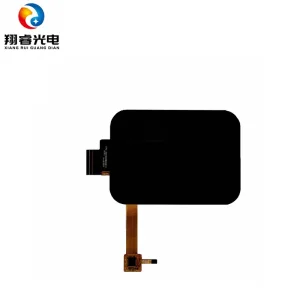
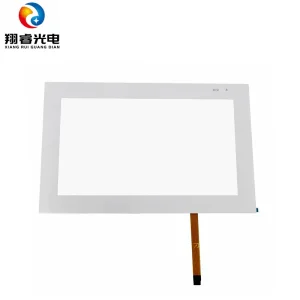
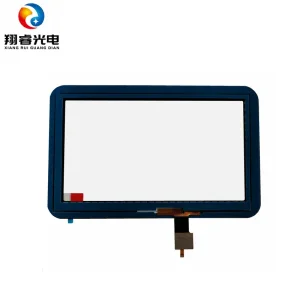
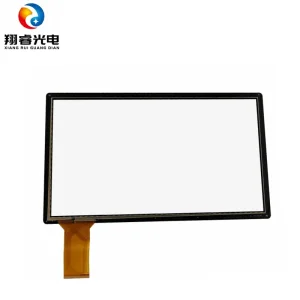
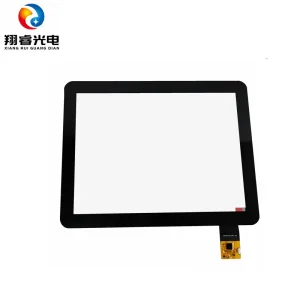
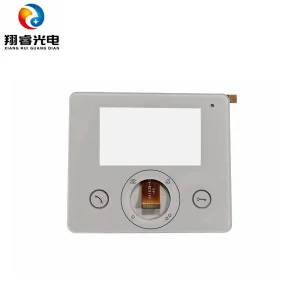
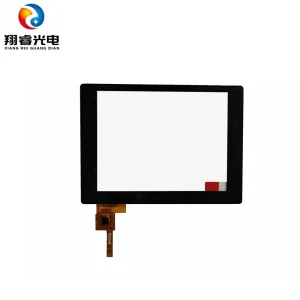
Explore our leading collection of optical bonding touch displays, high-temperature industrial interfaces, and IP65 robust control architectures designed for high reliability.
Analyzing supply chain dynamics, quality metrics, and the integration of touch human-machine interfaces across major markets.
The global demand for OEM monitor display panels and specialized touch panels has witnessed a significant paradigm shift. Modern industrial setups, high-precision healthcare diagnostics, smart automation devices, and palm-print payment systems require more than just a screen; they demand interactive, highly ruggedized display assemblies. As a leading manufacturer, we address these complex requirements by integrating resistive and capacitive touch overlays directly with top-tier LCD and OLED monitor display panels.
Today's market is governed by strict reliability parameters. In harsh physical environments, displays must withstand heavy electromagnetic interference (EMI), extreme temperatures (-30°C to +80°C), and physical ingress. Consequently, the commercial adoption of IP65-rated touch screens, coupled with advanced optical bonding technologies, has expanded. Optical bonding fills the air gap between the cover glass and the LCD panel with optical-grade silicone or polyurethane adhesive, eliminating internal reflections, boosting ambient contrast by up to 400%, and preventing condensation or dust build-up under the glass.
| Application Sector | Primary Technology Interface | Key Environmental Challenge | Key Required Specifications |
|---|---|---|---|
| Industrial Automation (HMI) | Capacitive / Resistive (IP65) | Chemical exposure, high heat, vibrations | Thick cover glass, glove operation support |
| Medical Equipment | Multi-touch PCAP (Optical Bonded) | Aggressive disinfection, body fluids | IEC 60601-1 certification, high color accuracy |
| Outdoor Kiosks & EV Chargers | Capacitive Touch (High Brightness) | Direct sunlight, UV degradation, moisture | Anti-reflective coatings, UV-cut, up to 2000 nits |
| Biometrics & Palm Print Terminals | Custom Optically Bonded Capacitive | High traffic, surface scratches, precision scanning | High transparency, 7H/9H surface hardness, oleophobic |
From a macro supply perspective, the reliance on high-quality OEMs in Asia—especially regions like Guangzhou, China—allows global integrators to benefit from rapid prototyping and cost-effective scaling while maintaining certifications like ISO 9001:2015 and ISO 14001:2015. The modern display supply chain expects manufacturers to have dedicated dust-free cleanrooms (from Class 100 up to Class 10,000) to ensure zero particulate contamination during optical bonding and frame-fitting stages.
Precision Engineering in Touch Panel Fabrication and Module Bonding since 2010.
Founded in 2010 and based in Guangzhou, China, Guangzhou Xiangrui Optoelectronics Technology Co., Ltd. is a dedicated pioneer in the research, development, production, and worldwide service of high-durability resistive touch panels, projected capacitive touch panels, cover glass customizations, and comprehensive module optical bonding services. We specialize in tailoring custom display overlays to meet the rigid demands of industrial HMIs and advanced medical displays.
Spanning an advanced facility of 3,000 square meters, our factory houses state-of-the-art Class 100, Class 1,000, and Class 10,000 dust-free cleanrooms. This tier-structured cleanroom layout guarantees that every lamination and optical bonding stage meets pristine quality metrics, mitigating any micro-defects or air voids.
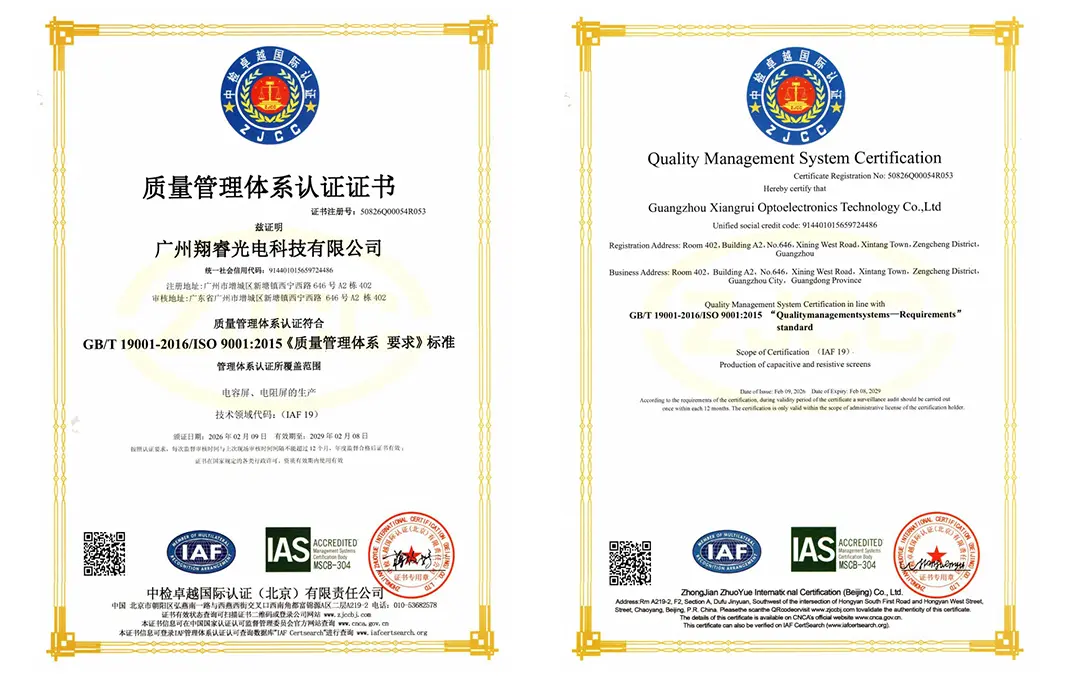
Ensuring standardized chemical processing, cleanroom environment regulation, and robust production traceability.
Proprietary research and utility model patents in multi-touch optimization, ruggedization, and optical film overlays.
Understanding the layers, custom coatings, and bonding profiles of modern industrial touch panels.
Uses multi-layer ITO film or ITO glass structure (G+G / G+F+F) supporting up to 10 simultaneous touchpoints, glove-based tracking, and wet-hand operations.
Ideal for high-noise industrial controls, featuring custom analog 4-wire and 5-wire systems activated by any pressure medium (stylus, gloved finger, tool).
Integrates premium surface glass coatings: Anti-Glare (AG) chemical etching, Anti-Reflective (AR) vacuum deposition, and Anti-Fingerprint (AF) hydrophobic layers.
Standard monitor display panels utilize tape bonding (air-gap bonding) to attach the touch panel to the LCD module. However, in applications where reliability is critical, this air gap creates problems. The refractive index mismatch between air (n ≈ 1.0) and glass (n ≈ 1.5) causes light to bounce at the internal interfaces. This leads to a severe loss in display readability, particularly in high-brightness outdoor settings.
Optical bonding resolves this issue by filling the air gap with a liquid LOCA (Liquid Optically Clear Adhesive) or dry sheet OCA (Optically Clear Adhesive). Key advantages of this approach include:
How we ensure reliability through controlled assembly environments and quality assurance protocols.
We isolate critical operations, such as cover glass clean-washing and OCA bonding, inside specialized class-100 clean zones to prevent sub-micron particulates from compromising the screen display.
All customized touch display modules undergo extensive environmental stress analysis, featuring a chamber profile run of -40°C to +85°C to confirm stable operation without separation.
From chemical tempering (soda-lime or aluminosilicate glass) to custom ink borders, logo prints, and cutouts for camera sensors, physical switches, or light sensors.
Answers to common design and integration questions for industrial-grade OEM display panels.
Complete your design cycle with our high-resolution capacitive touch button configurations, wide-aspect optical bonded modules, and large-format industrial frames.
 Xiangrui Optoelectronics