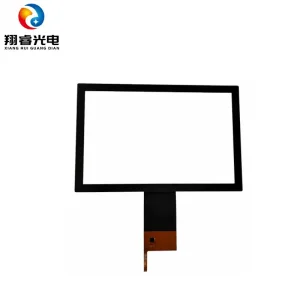
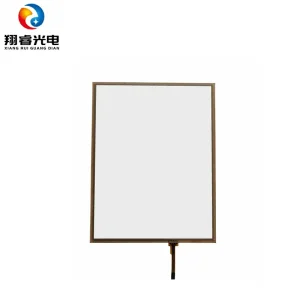
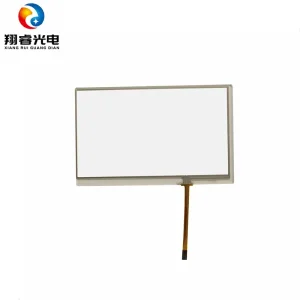
High-sensitivity projected capacitive (PCAP) multi-touch solutions optimized for local industrial and retail kiosk applications.
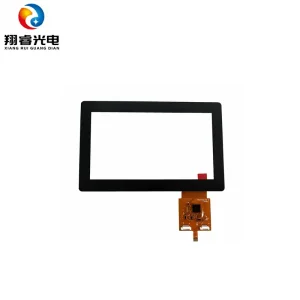
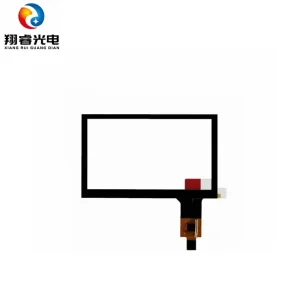
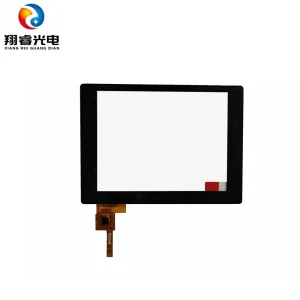
As Cameroon aggressively executes its National Development Strategy (SND30), target sectors like manufacturing, agribusiness, and digital telecommunications are transitioning rapidly to high-level automation. In the hub cities of Douala, Yaoundé, and Garoua, factory operations and service sectors demand rugged, responsive, and long-lasting Human-Machine Interfaces (HMIs). Traditional resistive touch displays often fall short in Africa's tropical climates due to membrane degradation, humidity entrapment, and physical wear. This has triggered an industry-wide pivot toward **Projected Capacitive (PCAP) Touch Panels**.
Operating touch-based devices in Cameroon requires navigating specific environmental realities. Coastal industrial areas face high ambient humidity (averaging over 85% in Douala), saline air corrosion, and wide temperature swings. Northern regions experience dry, dusty conditions with elevated levels of fine sand. Industrial components must feature dustproof and waterproof sealing, typically achieved via IP65 optical bonding, along with optical modifications like Anti-Glare (AG) or Anti-Reflective (AR) treatments. Global electronics brands and local OEMs are looking for advanced manufacturing partners in China to import custom-sized, highly durable capacitive touch components.
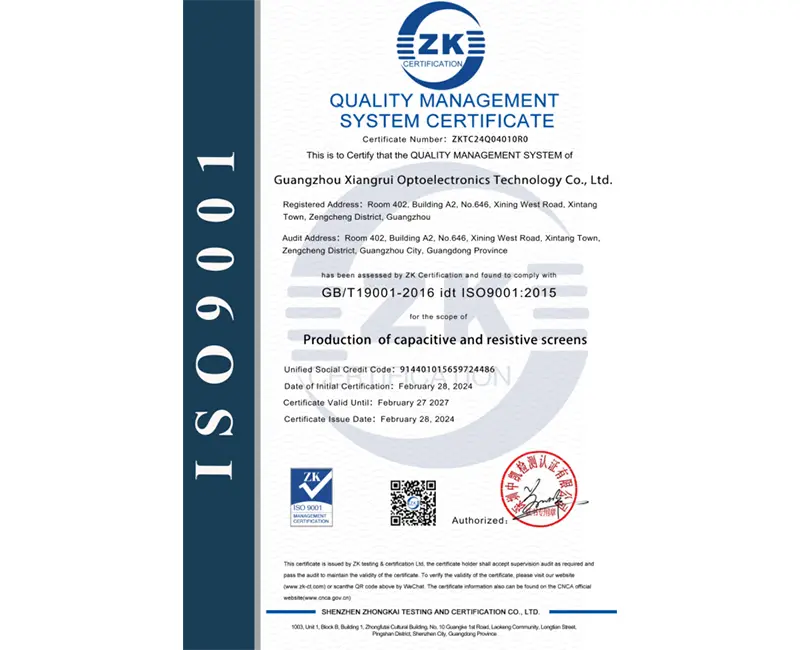
Founded in 2010, Xiangrui Optoelectronics is a premier custom manufacturer of resistive touch panels, capacitive touch panels, cover glass, and complete optical bonding module assemblies. Standardized on ISO 9001 and ISO 14001, we offer cutting-edge OEM/ODM integration, supporting heavy-duty applications across the globe.
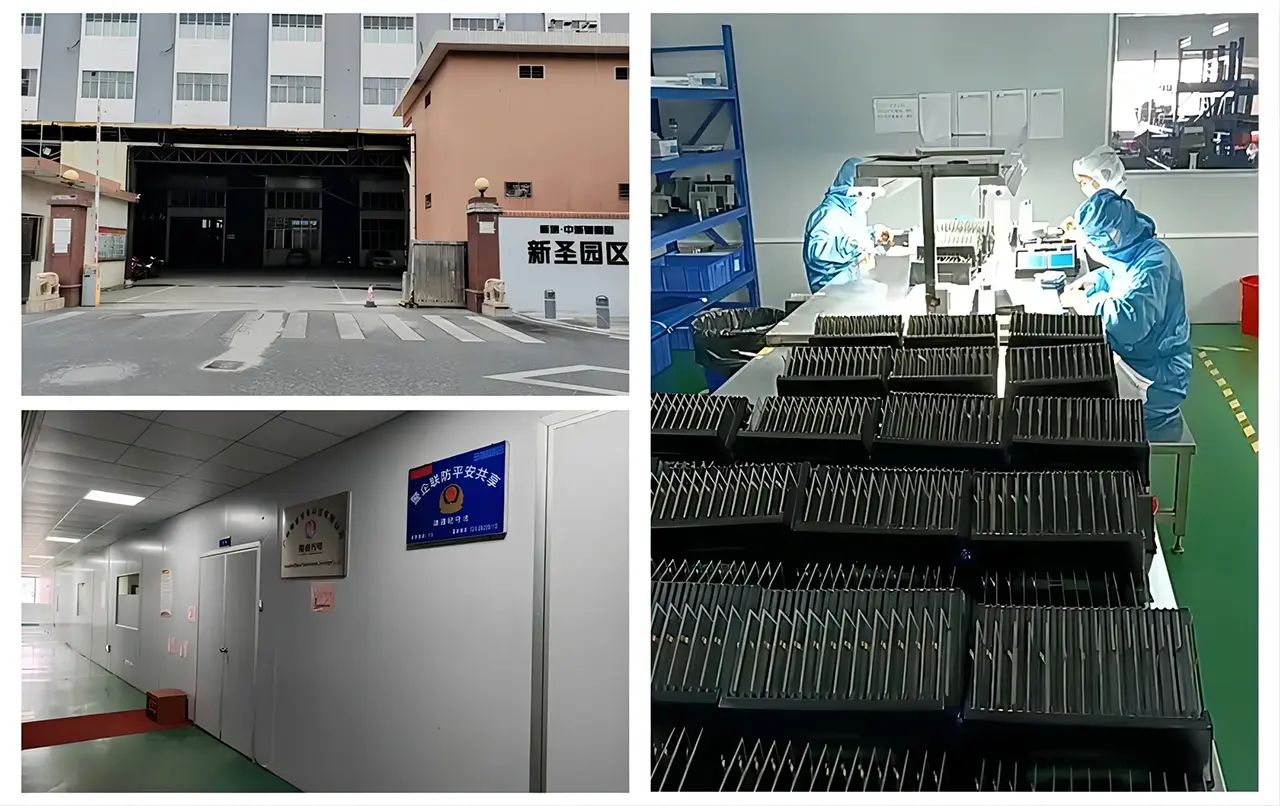
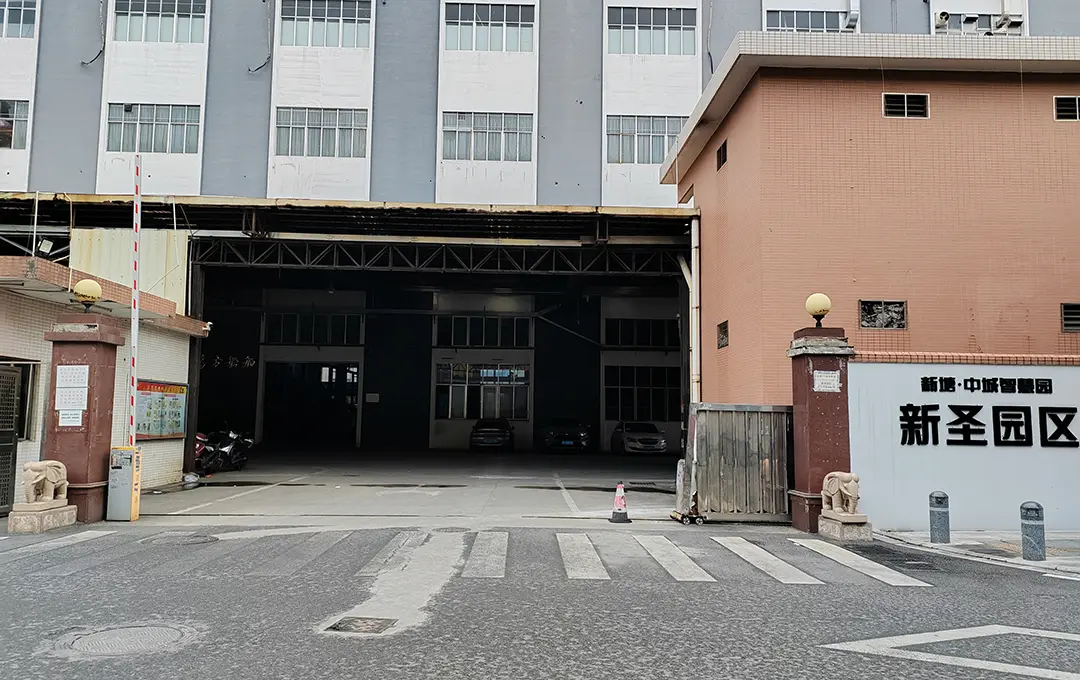
Our 3,000-square-meter facility features advanced Class 100, Class 1,000, and Class 10,000 dust-free cleanrooms. This strict cleanroom zoning prevents airborne contaminants from compromising optical laminations, a critical factor in producing bubble-free, highly durable capacitive touch panels for demanding African environments.
Xiangrui's technology is used in medical displays, industrial automation, agricultural control systems, point-of-sale (POS) terminals, transit ticketing kiosks, and palm-vein bio-payment systems worldwide.
Capacitive touch operates by mapping electrical disturbances caused by human touch. Under tropical conditions, moisture and dust buildup can create capacitive offsets, leading to ghost touches.
To resolve this, Xiangrui engineers custom touch panels using specialized controller ICs (such as EETI, Ilitek, and Cypress). These controllers utilize advanced noise-filtering algorithms to ensure accurate touch detection even under water droplets or heavy surface dust.
Our touch screen technologies are engineered to integrate seamlessly into diverse applications across Cameroon:
With mobile money and banking infrastructure expanding rapidly in Yaoundé, our outdoor-readable, vandal-resistant capacitive touch panels (up to 15.0 inches) are ideal for self-service ATMs and bill payment terminals.
In Douala's processing facilities, high-ambient moisture and fine particulates require HMI control systems to operate flawlessly. Our IP65-sealed optical bonding touch screens prevent condensation and contamination.
The Port of Douala requires rugged logistics trackers and ticketing systems. Custom cover glass coatings ensure readability and operation in high-glare, salty coastal environments.
Retaining direct manufacturer compatibility with original part specifications. Engineered for global deployment.
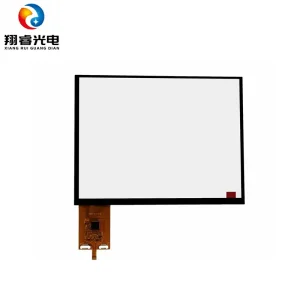
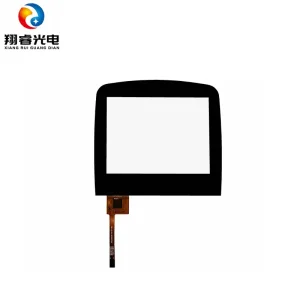
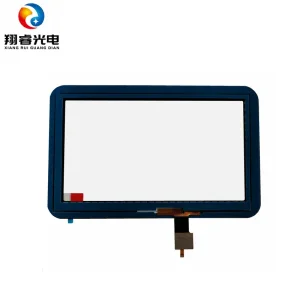
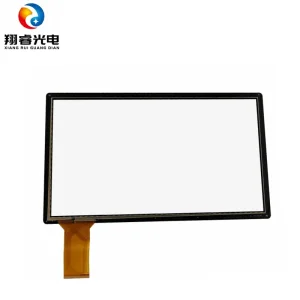
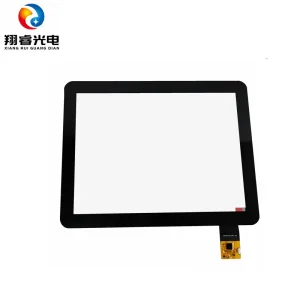
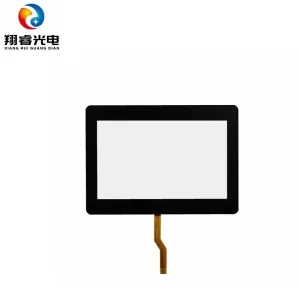
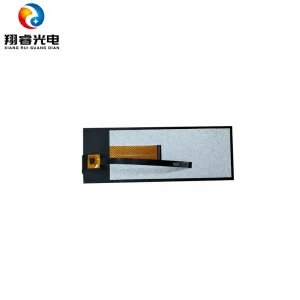
Expert insights on importing, deploying, and maintaining capacitive touch screens in sub-Saharan climates.
Standard capacitive screens can suffer from drift or false touches in environments with high relative humidity, such as Douala. Xiangrui addresses this by using advanced firmware tuning on Cypress or EETI controller boards, which ignores moisture-induced capacitance changes. Additionally, our fully bonded optical assembly (LOCA/OCA) fills the internal air gaps to prevent condensation inside the display stack.
Yes. For arid regions like Maroua or Garoua, fine sand and dust can scratch screens and clog frames. We configure our capacitive panels with edge-to-edge seamless cover glass rated at a surface hardness of 7H. Combined with an IP65 bezel-less integration, this prevents dust particles from entering the system housing, allowing operators to easily wipe down the screen without damaging the electronics.
We support both small-batch custom prototyping and volume manufacturing runs. Typical manufacturing cycles range from 2 to 4 weeks depending on the level of customization. Shipping by sea from Guangzhou or Shenzhen ports to Douala Port usually takes between 35 and 45 days. We also offer air freight services via Douala (DLA) or Yaoundé Nsimalen (NSI) airports for urgent, time-sensitive projects, which takes roughly 5 to 7 working days.
Absolutely. Guangzhou Xiangrui is certified to ISO 9001 quality management and ISO 14001 environmental management standards. All touch screens we export comply with CE, FCC, and RoHS certifications. We supply all the necessary testing records and compliance documents required by CEMAC customs procedures, ensuring a smooth import process into Cameroon.
Yes. We customize the touch controller firmware sensitivity to support operation with various glove materials (including latex, nitrile, and thick industrial work gloves). This is critical for medical personnel, laboratory workers, and agricultural processing staff in Cameroon.
 Xiangrui Optoelectronics