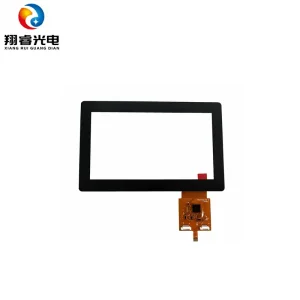
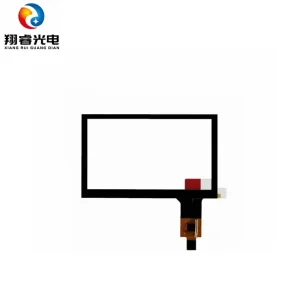
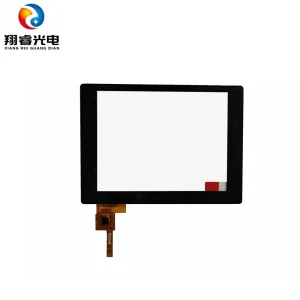
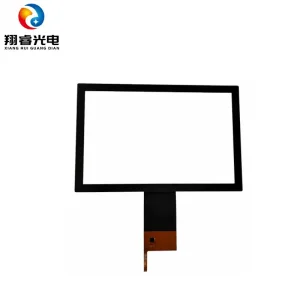
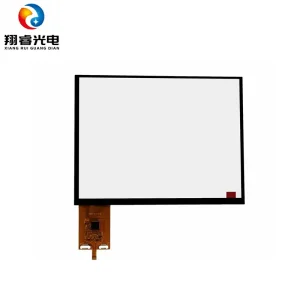
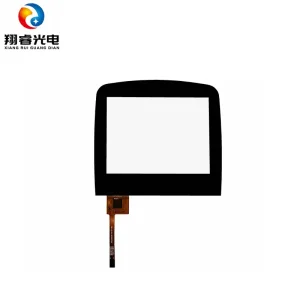
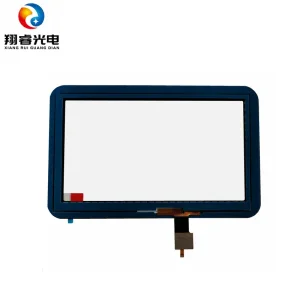
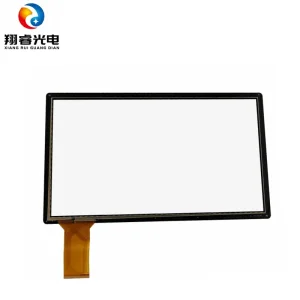
High-performance custom capacitive assemblies optimized for Singapore Smart Infrastructure & IoT Gateways
Under the Smart Nation 2030 Roadmap, Singapore stands as a leading global nexus for high-end electronics assembly, biomedical innovation, and deep-sea industrial hardware.
Singapore’s manufacturing sector demands absolute reliability, precision, and longevity in Human-Machine Interfaces (HMIs). Operating in a climate characterized by high relative humidity (averaging 84% annually) and high ambient temperatures, touch panels must be engineered with advanced structural integrity. Basic touch overlays frequently suffer from condensation-induced optical haze, capacitive drift, and trace corrosion.
As a premier source for high-performance touch solutions, we integrate sophisticated materials, including index-matched ITO (Indium Tin Oxide) sensors, custom chemically strengthened cover glass (CSG), and optical clear adhesives (OCA/LOCA) that prevent air gaps. These properties ensure that display and controller modules operate error-free across Tuas Biomedical Park, Changi Aviation Hub, and critical offshore marine monitoring platforms.
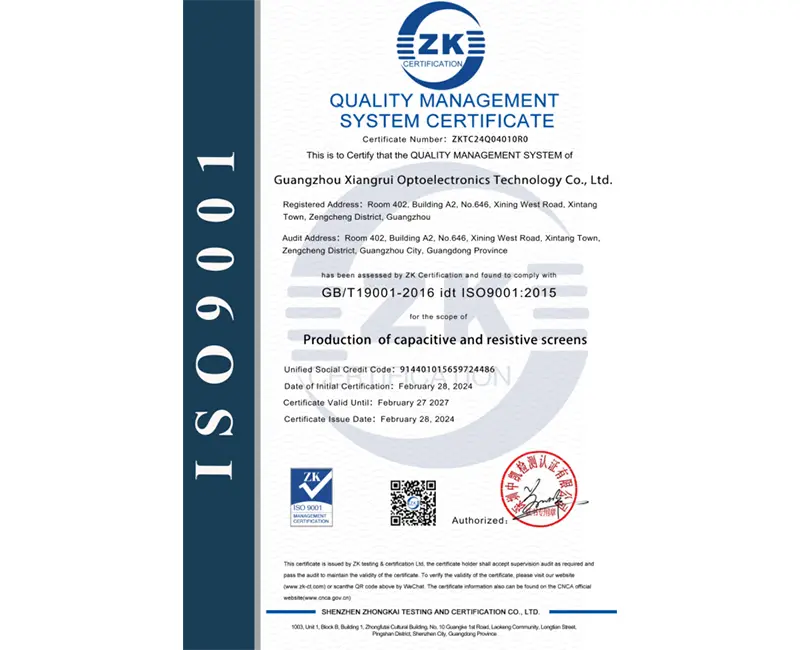
Guangzhou Xiangrui Optoelectronics Technology Co., Ltd. — Delivering Global Compliance & Certified Reliability since 2010
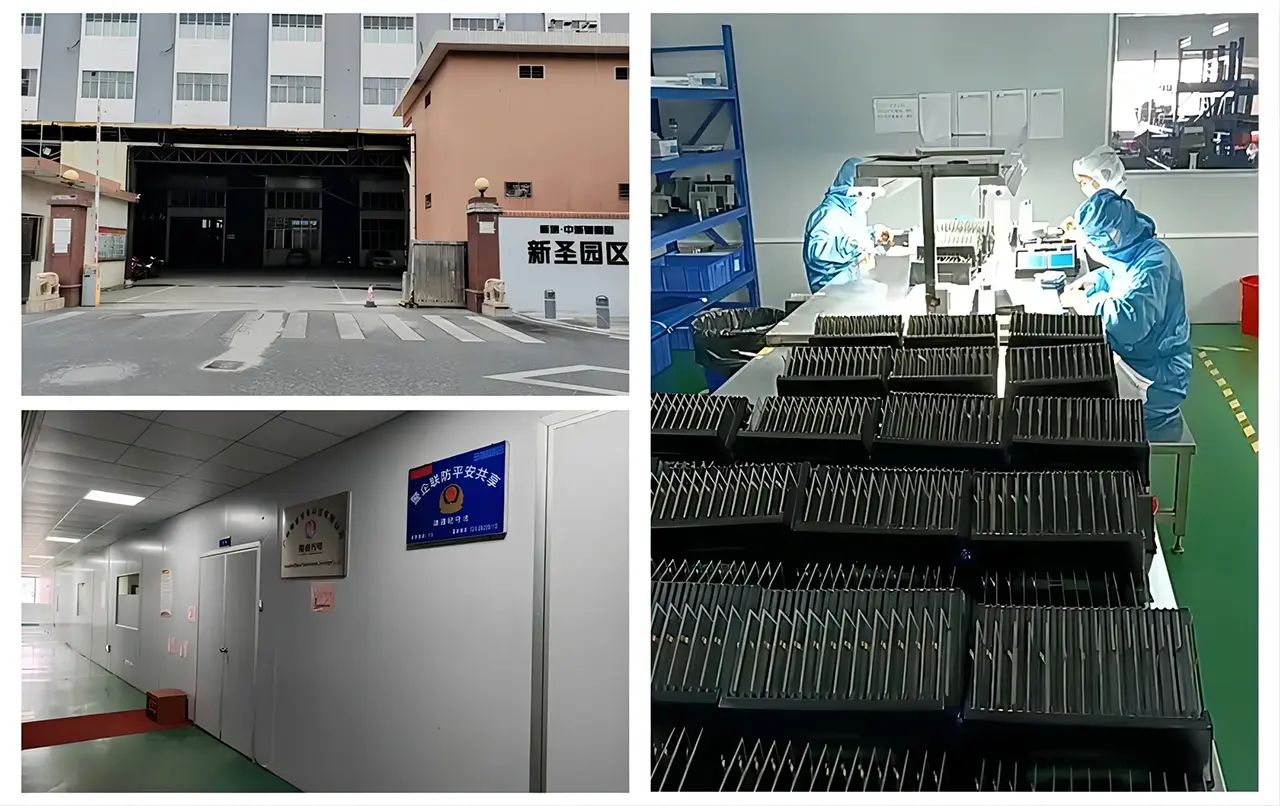
Founded in 2010 and located in Guangzhou, China, Guangzhou Xiangrui Optoelectronics Technology Co., Ltd. is a dedicated manufacturer specializing in the research, development, production, and worldwide distribution of resistive touch panels, capacitive touch panels, cover glass, and complete liquid crystal module bonding solutions.
Operating from a modern 3,000 square meter facility (under a group area of approximately 10,000 square meters), our plant features highly specialized Class 100, Class 1000, and Class 10000 dust-free cleanrooms. This cleanroom hierarchy ensures optimal particulate-free conditions required for critical processes such as optical bonding, sensor patterning, and high-yield cover glass lamination.
Under strict adherence to ISO 9001:2015 (Quality Management System) and ISO 14001:2015 (Environmental Management System) certifications, we design and mass-produce customized capacitive panels for medical imaging, industrial control systems, automotive cockpits, smart kiosk terminals, and rugged outdoor palm-print payment units.
Engineered touch panels matching strict Singapore electrical and mechanical tolerances
Pioneering touch technologies to address high noise environments, rugged handling, and dynamic light conditions
Choosing the correct architecture is vital for long-term project viability. The Glass-on-Glass (G+G) stackup offers superior optical clarity and thermal stability, making it the ideal selection for outdoor public transit information kiosks in Singapore. G+G utilizes a solid glass sensor substrate bonded under pressure to a chemically strengthened cover sheet. For cost-sensitive, slim-bezel IoT products, Glass-Film-Film (G+F+F) offers flexible routing options and lower total assembly thickness.
Our production lines feature automated vacuum laminators that handle both optical architectures, providing flexibility to match exact mechanical specifications.
Standard capacitive controller chips often register water droplets as touch inputs, causing "ghost touches." To prevent this in humid Singapore environments, we program our controllers with specialized firmware algorithms that dynamically calculate the changing dielectric constant of moisture. This ensures the touch panel distinguishes between a localized human finger touch and a dispersed layer of condensation or direct rainfall.
Outdoor readability requires advanced surface treatments. Anti-Reflective (AR) coatings reduce surface reflection from 8% to less than 1% through destructive light interference. Anti-Glare (AG) treatments diffuse light reflections, preventing mirror-like glares on screens under direct tropical sunlight. Anti-Fingerprint (AF) hydrophobic coatings minimize smudging from oil and sweat, maintaining screen cleanlines in high-traffic commercial environments.
Processing soda-lime, aluminosilicate (such as Corning Gorilla Glass), or AGC Dragontrail glass to high hardness values (exceeding 7H or 9H) for rugged environments.
Developing high-density ITO circuitry to support multi-touch interactions, active pen tracking, and gloved hand input recognition.
Eliminating internal air reflection gaps to improve contrast ratios up to 400% and completely prevent moisture ingress.
Integrating premium controller ICs (EETI, Ilitek) with advanced EMC algorithms to operate reliably near high-power industrial machinery.
Streamlining supply chains, ensuring compliance with local standards, and providing rapid engineering support
Under the China-Singapore Free Trade Agreement (CSFTA), shipping touch panels and optoelectronics components from our Guangzhou base to Singapore benefits from preferential tariff arrangements. We provide all necessary documentation, including Certificates of Origin (Form E), to guarantee swift clearance through Singapore Customs.
We coordinate with major freight companies to offer multiple shipping options—including express air courier to Changi Airport for quick-turn prototyping, and standard ocean freight to the Port of Singapore for high-volume production orders.
Singapore maintains strict environmental and safety regulations for imported electronics. Our capacitive touch panels are fully compliant with RoHS 3.0 (Restriction of Hazardous Substances) and REACH directives, ensuring they are free from restricted heavy metals and chemical flame retardants.
Additionally, our systems are certified to meet CE, FCC, and domestic emission guidelines, facilitating easier system-level certification for your end-use devices.
Explore our full range of capacitive and specialized resistive panels configured for long-term project lifecycles
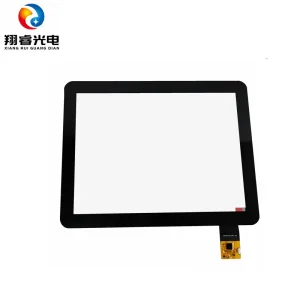
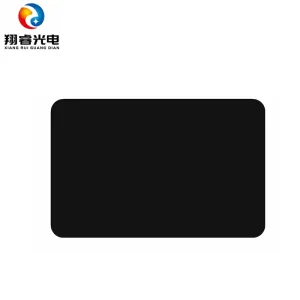 High-Quality 13.3inch Capacitive touch panel frame fitting Manufacturers, Supplier
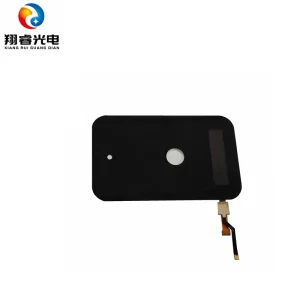 China 2.1inch Capacitive touch panel optical bonding Suppliers, Products
Technical answers for procurement officers and hardware engineers targeting the Singapore market
 Xiangrui Optoelectronics