Engineered to meet the rapid deployment demands of Sydney's dynamic commercial infrastructure.
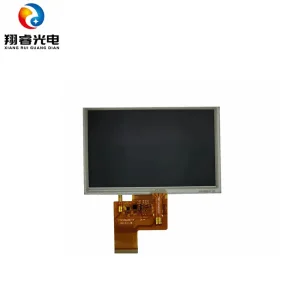
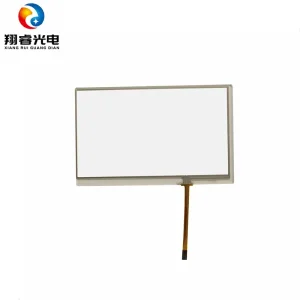
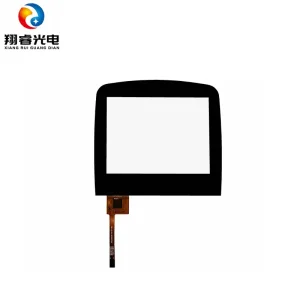
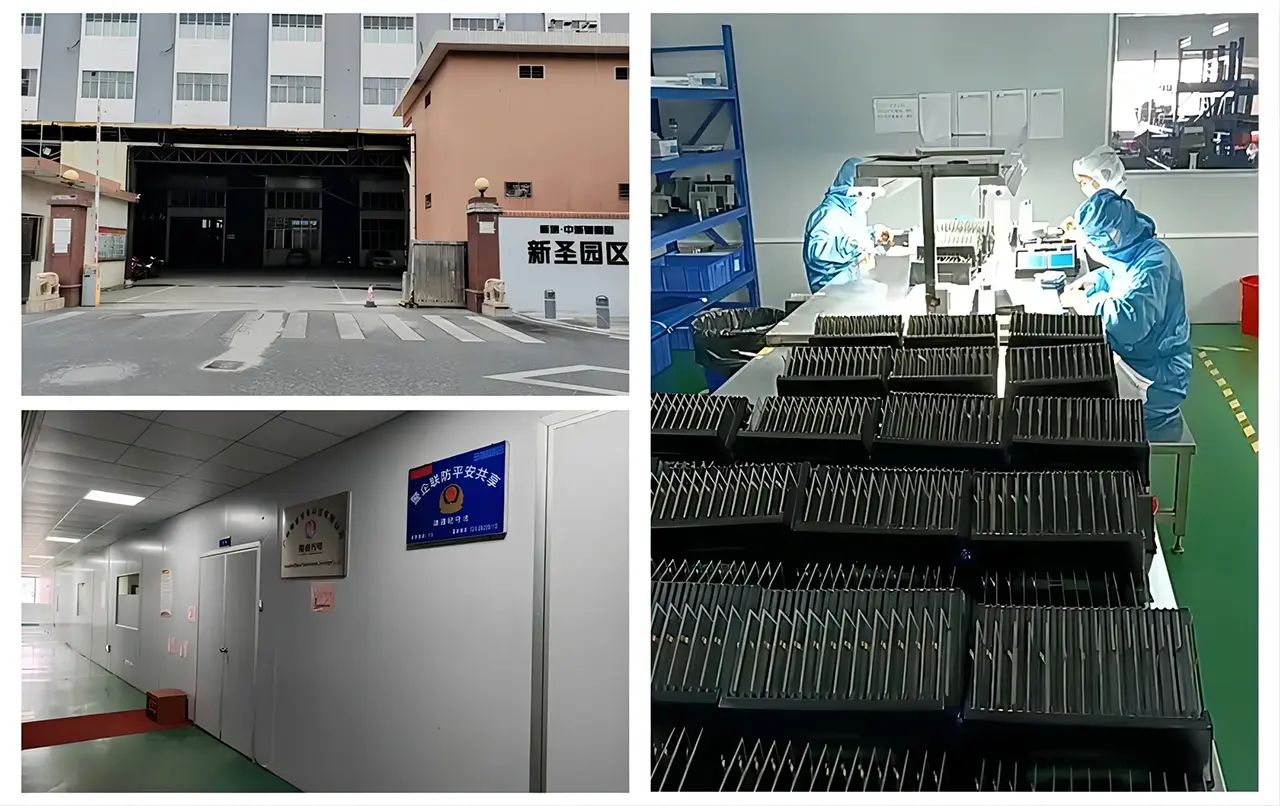
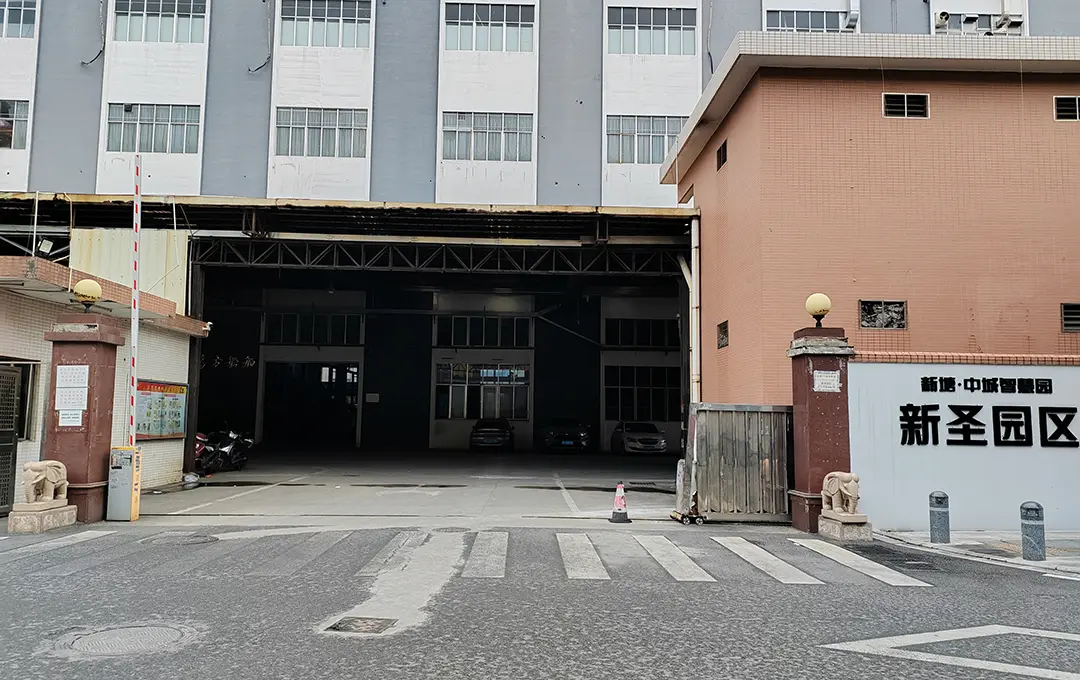
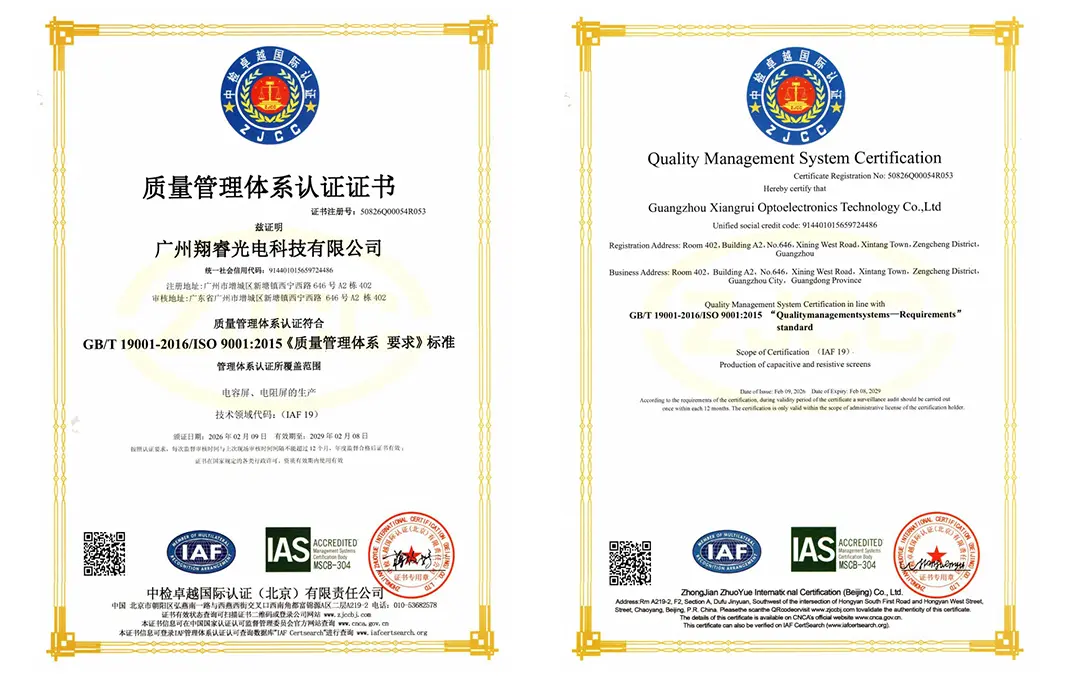
Founded in 2010 and headquartered in the high-tech industrial zone of Guangzhou, China, we are a premier manufacturer dedicated to the research, development, production, and global supply of resistive touch panels, capacitive touch panels, cover glass, and state-of-the-art module bonding products.
With ISO 9001 and ISO 14001 certified manufacturing protocols, we specialize in high-durability OEM/ODM customization. Our optoelectronic components serve critical applications across industrial control platforms, clinical-grade medical instruments, rugged smart-home ecosystems, marine vessel control screens, and retail palm-print recognition payment points in Sydney and worldwide.
An Analysis of Optoelectronic Frame Fitting Requirements in Australia's Hardest Operating Environments
Sydney acts as Australia's economic and technological gateway. Over the past decade, the Greater Sydney region—spanning from the tech hubs in Macquarie Park to the logistics zones in Western Sydney—has undergone rapid industrial digitalization. Touch screen human-machine interfaces (HMIs) are now widely integrated into critical infrastructure.
However, Australia's unique climate and geography present severe challenges for digital hardware:
Australian engineers and international procurement managers prioritize long-term Total Cost of Ownership (TCO) over cheap initial components. Frame fitting solutions must offer:
Understanding Frame Fitting (Bezel Bond) vs. Full Optical Bonding for Industrial Integration
In frame fitting, the touch panel and the LCD panel are joined along the outer edges using ultra-thin, high-tack double-sided adhesives (typically 3M VHB tapes). This leaves a controlled air gap between the active area of the sensor and the display module.
Pros: Cost-effective, easy to service, and structurally isolated from display heat. Ideal for temperature-controlled indoor self-service kiosks.
Eliminates the internal air gap by filling it completely with an optical-grade liquid silicone (LOCA/OCR) or dry film adhesive sheet (OCA). This matches the refractive index of the display stackup.
Pros: Drastically reduces internal light reflection, increases sunlight readability by up to 400%, prevents internal condensation/fogging, and significantly increases resistance to physical impact.
We customize the step-profile, thickness, and material composition of the display frame or cover glass. Options include chemically strengthened glass, PMMA, or Polycarbonate, tailored to handle vandal-prone environments.
Pros: Allows for flush, zero-bezel structural designs that integrate seamlessly with custom-machined metal enclosures.
To meet the dust-free level requirements for different production processes, our manufacturing plant operates Class 100, Class 1,000, and Class 10,000 dust-free cleanrooms. This prevents airborne particulates from contaminating the optical stack during frame fitting and bonding operations.
Through continuous process improvements led by our R&D department, we have secured over 30 utility model and invention patents. We were recognized as a High-Tech Enterprise in 2022, underscoring our dedication to high-quality optical integration.
At Guangzhou Xiangrui Optoelectronics, we operate on the fundamental principles of integrity, innovation, and partnership. Over the past 14 years, we have built strong, long-term relationships with top-tier electronic manufacturing services (EMS) and system builders.
High-reliability touch screens built for medical diagnostics, rugged outdoor kiosks, and automated machinery.
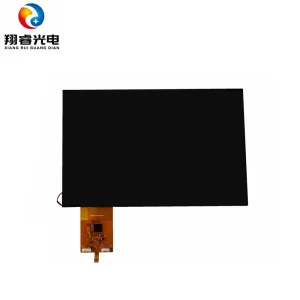
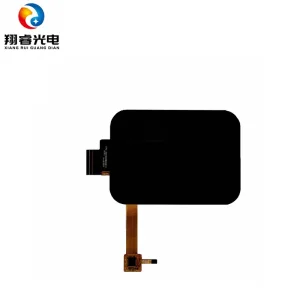
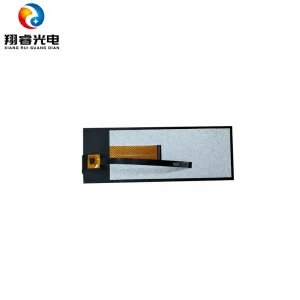
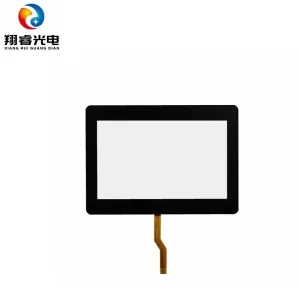
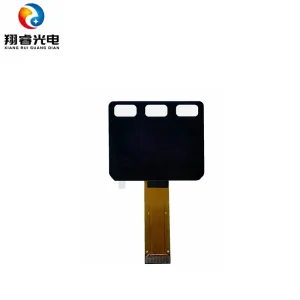
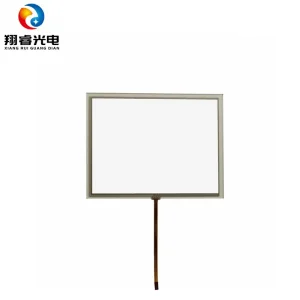
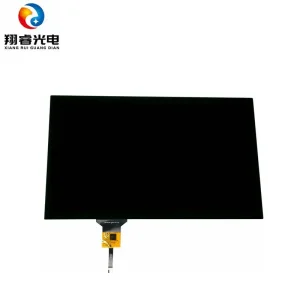
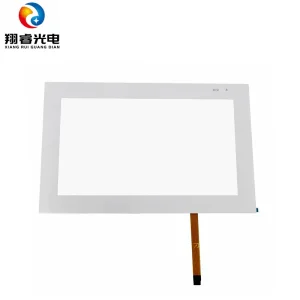
A Comprehensive Quality Blueprint for Australian System Architects and Design Engineers
For Sydney's public access and heavy industry deployments, standard soda-lime glass cover lenses are chemically tempered to achieve a surface hardness rating of ≥7H on the Mohs scale.
Chemical tempering involves replacing sodium ions on the glass surface with potassium ions from a molten bath at high temperatures. This increases the surface tension of the glass, making it highly resistant to physical impact and deep scratching.
In coastal areas of New South Wales, fine salt spray can damage electronic assemblies. Our custom frame fitting configurations use high-performance polyurethane gaskets and closed-cell elastomer tapes.
This ensures a secure seal that prevents moisture and dust ingress, allowing display assemblies to achieve verified IP65 ratings when mounted in matching enclosures.
Unbonded frames suffer from reflective light loss. Sunlight must travel through multiple boundary layers: Air (Refractive Index = 1.0) to Cover Glass (Refractive Index = 1.5), and then another air gap before reaching the LCD surface.
This refractive index mismatch causes up to 8.5% total light loss through reflection, making the screen difficult to read in direct sunlight.
By filling the air gap using our LOCA (Liquid Optically Clear Adhesive) or OCA dry film bonding methods, the refractive index is matched across the entire stack. Reflection loss is reduced to under 0.2%, improving readability and lowering display power consumption.
Expert answers to common engineering and sourcing questions about touch screens in Australia.
Consult with our optoelectronic engineering team to configure the ideal frame fitting, optical bonding, and customized touch panel solution for your application.
Send Inquiry Now Xiangrui Optoelectronics