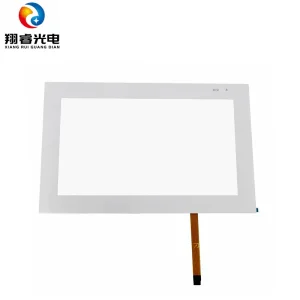
High-performance capacitive touch solutions with premium optical bonding, built to eliminate condensation and maximize sunlight legibility in Belgium's industrial sectors.
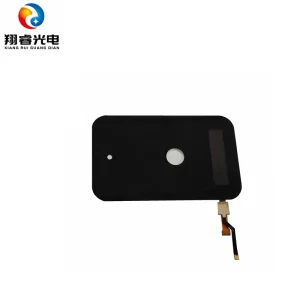
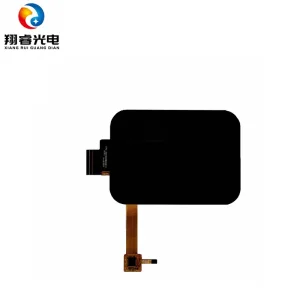
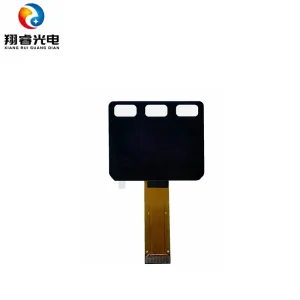
Why standard air-gap touch screens fail under harsh coastal operations and how optical resin integration mitigates structural vulnerabilities.
As the second-largest port in Europe, the Port of Antwerp stands as a massive economic engine, handling millions of tons of maritime freight annually. From container terminals and crane cabins to chemical refinery control interfaces, electronic displays form the primary human-machine interface (HMI). These operating environments expose screens to extreme conditions: severe temperature variations, salt spray, high humidity, vibration, and bright sunlight.
Under these conditions, standard air-gap screens suffer from internal condensation (fogging) and excessive glare. The air gap between the cover glass and the LCD panel acts as a thermal trap and allows moisture penetration, rendering critical monitoring screens unreadable and causing operational delays.
Optical bonding is the process of applying a high-grade optical resin—such as Liquid Optically Clear Adhesive (LOCA) or Optical Clear Resin (OCR)—directly between the cover glass (or touch panel) and the LCD display. By filling the air gap, this process eliminates internal reflection and refraction interfaces. The refractive index of the adhesive is matched precisely to the glass and the polarizer, maximizing light transmission and dramatically improving screen contrast under high ambient light.
Filling the air gap blocks entry points for moisture and dust, ensuring the display remains clear in humid, maritime, or washdown environments.
The solid polymer layer acts as an effective shock absorber, crucial for displays mounted on maritime vessels, reach stackers, and heavy industrial machinery.
Eliminating the air pocket enables direct heat dissipation from the LCD through the outer glass, preventing screen blackouts under direct sunlight.
A deep dive into optical bonding materials to assist global procurement teams in selecting the optimal display architecture.
Uses a liquid silicon or acrylic-based resin. Cured via UV light or thermal processes. Offers exceptional optical clarity and thickness tolerance, making it ideal for large-format displays and uneven cover glass structures.
Utilizes pre-formed pressure-sensitive adhesive films. Excellent for smaller, standardized consumer displays. Requires extremely flat surfaces and precise pressure control to prevent micro-bubble formation.
To match optical bonding benefits, we offer three surface optimization layers: Anti-Glare (AG) chemical etching, Anti-Reflective (AR) vacuum deposition, and Anti-Fingerprint (AF) hydrophobic coatings.
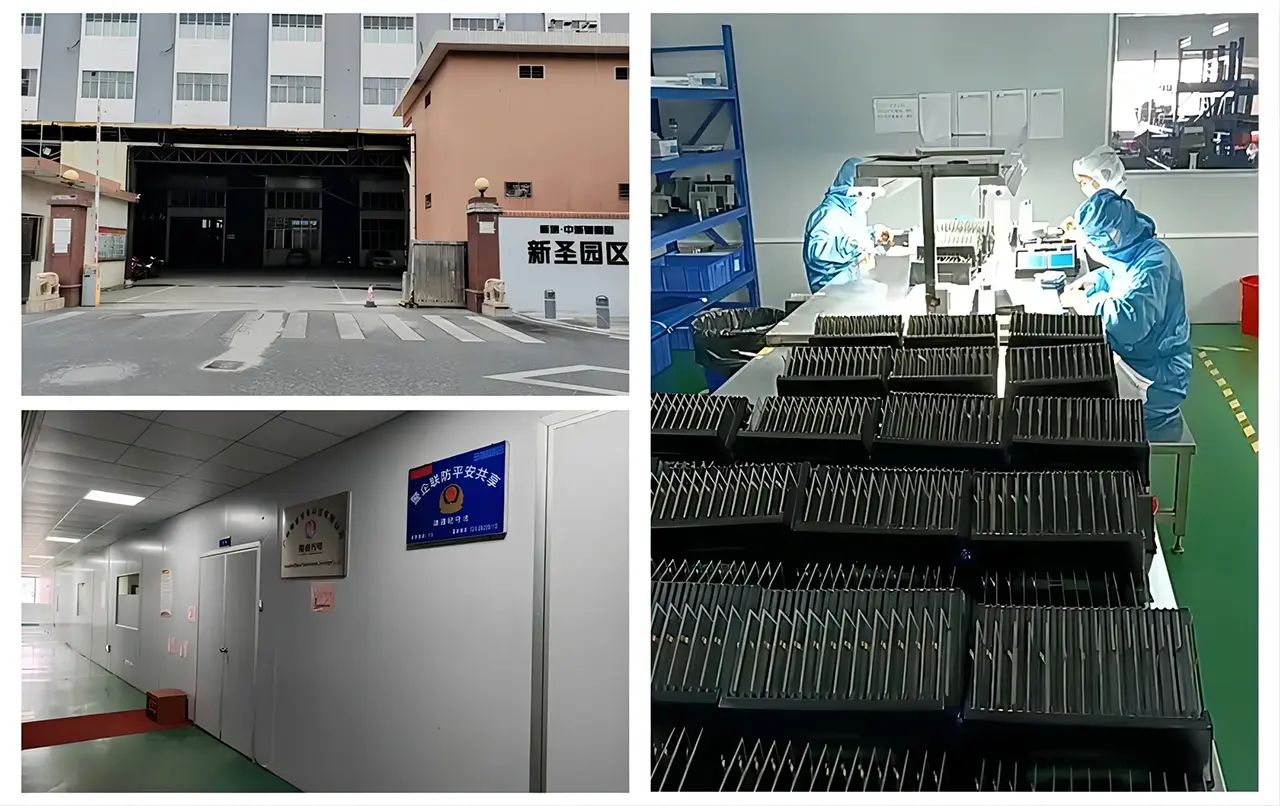
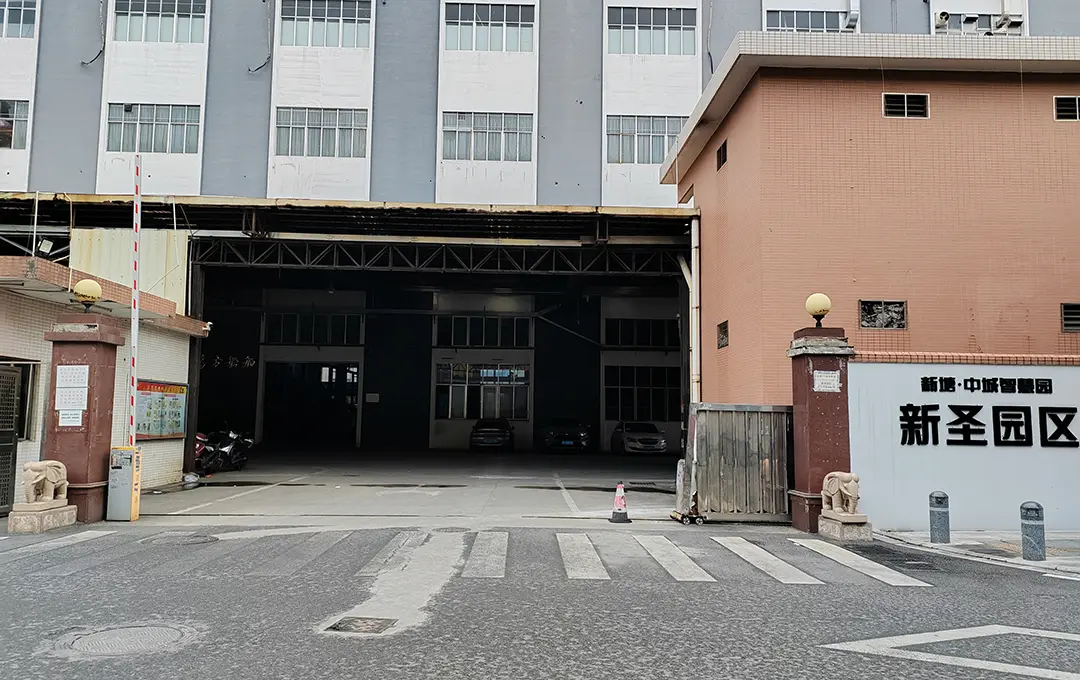
Guangzhou Xiangrui Optoelectronics Technology Co., Ltd. delivers high-efficiency Chinese manufacturing, backed by ISO certifications and advanced dust-free production workshops.
Founded in 2010 and located in Guangzhou, China, we are a company dedicated to the research and development, production, sales, and service of resistive touch panels, capacitive touch panels, cover glass, and module bonding products. We provide customized production of various touch screens, as well as OEM and ODM services. Our company has obtained the ISO 9001 and ISO 14001 certificates.
The total plant area of the company is about 3000 square meters. We have established dedicated R&D, production, marketing, quality, finance, purchasing, and human resource departments. It is equipped with Class 100, Class 1000, and Class 10000 dust-free workshops to meet the cleanroom level requirements for different production processes.
Integrating optical bonded screens into critical logistical, maritime, and specialized commercial operations across Belgium.
Container handling cranes at Antwerp terminals experience constant engine vibration and direct exposure to rain. Optically bonded capacitive monitors prevent internal air condensation and structural damage, maintaining screen response reliability for crane operators.
Vessels traversing the Scheldt River require navigation displays that function under extreme glare. High-quality optical bonding combined with anti-reflective glass enables safe night-time sailing and high daylight visibility.
With one of Europe's largest chemical clusters, Antwerp’s refineries need explosion-proof, touch-capable displays. Optically bonded systems withstand chemical cleanings, heavy impact, and operate seamlessly with heavy work gloves.
Essential insights for procurement managers evaluating display technologies and global manufacturing networks.
The global display market is shifting rapidly from standard air-bonding setups to full optical configurations, driven by high demand for robust outdoor usability and larger interactive panel sizes. Recent trends indicate a strong push for curved displays in automotive and control rooms, requiring specialized flexible bonding processes. Furthermore, high UV-resistance formulations in adhesives prevent yellowing, ensuring touch panels installed outdoors maintain optical integrity for over 10 years.
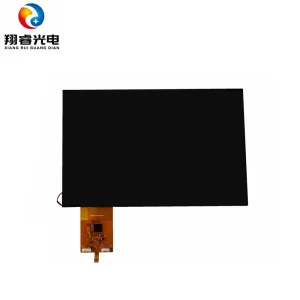
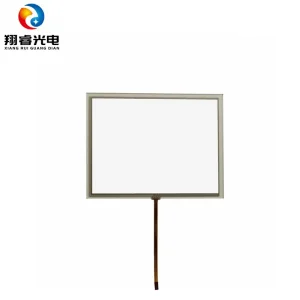
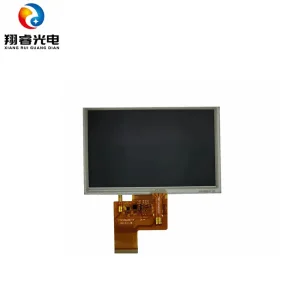
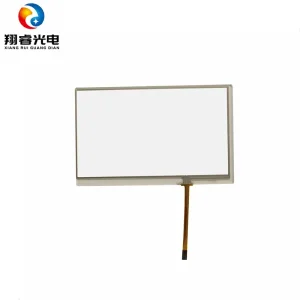
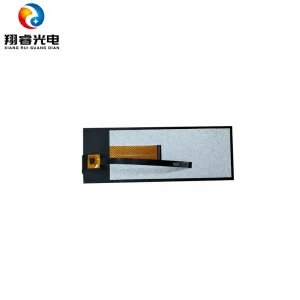
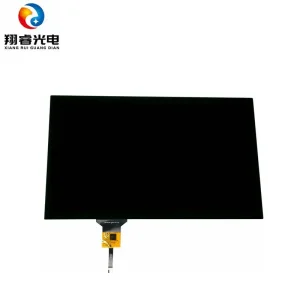
A diverse selection of capacitive and resistive panels configured for specific industrial applications and system integrations.
Answers to common engineering and sourcing questions regarding optical bonding for critical operations.
In standard air-gap screens, light reflection occurs at three boundaries: outer air-to-glass, inner glass-to-air, and air-to-LCD panel. This creates a cumulative reflection rate of about 8.5%, washing out the display in sunlight. By filling the air gap with an optically matched resin (refractive index of ~1.49), reflection at internal boundaries is reduced to nearly 0.2%, dropping overall screen reflection down to less than 1.5% (or under 0.5% when coupled with Anti-Reflective glass treatments).
We process all module alignments and adhesive laminations inside certified Class 100 and Class 1000 dust-free cleanrooms. This prevents micro-particles or airborne contaminants from getting trapped between the touch layer and the LCD module, ensuring maximum optical purity and zero pixel distortion.
We use premium, flexible silicone or polyurethane-based LOCAs that retain elasticity across extreme thermal spreads. Unlike rigid epoxy-based gels, these materials accommodate differences in thermal expansion rates between the display glass and the plastic/metal frames, preventing display cracks or de-lamination.
Yes. Our Projected Capacitive (PCAP) touch screens are tuned with industrial-grade IC controllers (such as EETI or Ilitek). When configured, the sensor sensitivity adjusts to accommodate work gloves, salt-water spray, and thick cover glass overlays, meeting rigorous industrial performance standards.
Sourcing directly from our Chinese factory offers a strong balance of high quality and cost efficiency. Typical lead times are 2-3 weeks for prototype tooling and 4-6 weeks for mass production. We manage customs documentation and coordinate with logistics partners in Antwerp for direct air or ocean delivery to your facility.
 Xiangrui Optoelectronics