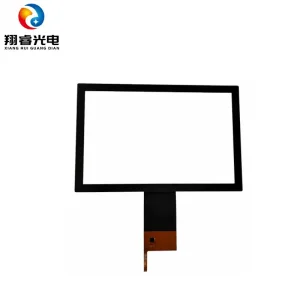
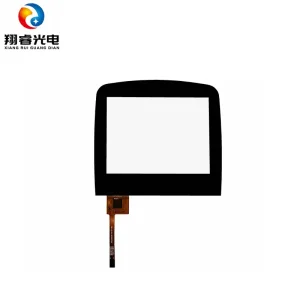
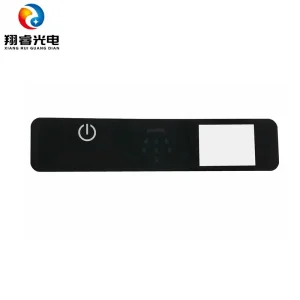
Engineered for high readability, impact resistance, and durability under extreme temperatures. Designed for immediate deployment in local industrial, medical, and marine applications.
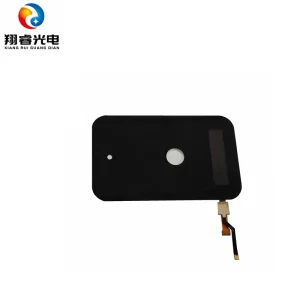
White Paper on Optimizing Touch Screen Readability, Ruggedness, and Performance in North African Environments
As Algeria accelerates its economic diversification under modern industrial initiatives, sectors like oil and gas extraction (Hassi Messaoud, Hassi R'Mel), maritime shipping ports (Algiers, Oran, Bejaia), and large-scale solar energy grids across the Sahara Desert demand advanced human-machine interfaces (HMIs). Displays deployed in these locations face some of the harshest conditions on Earth: extreme solar radiation, intense heat cycles, and ubiquitous fine particulate dust.
Traditional air-bonded displays suffer from high failure rates in these regions. The air gap between the cover glass and the LCD panel allows condensation to form, accumulates Saharan dust, and causes excessive glare under direct sunlight. This is where Optical Bonding becomes a critical requirement rather than an optional upgrade.
Optical bonding is the process of applying a liquid gel (LOCA) or dry sheet adhesive (OCA) layer between the cover glass and the LCD panel of a display. This layer matches the refractive index of the glass (approximately n ≈ 1.50) and the touch sensor, eliminating the air gap (refractive index n ≈ 1.00) between them.
When light travels through materials with different refractive indices, refraction and reflection occur. An air-bonded display reflects roughly 8.5% of incident ambient light, making the display washed out and unreadable under Algeria’s high-lux outdoor environments. By filling the gap with an index-matched optical adhesive, reflections are reduced to under 0.5%. This dramatically increases the transmissive contrast ratio, making screens highly legible without consuming excessive backlight power—thus preventing thermal overload.
Founded in 2010 in Guangzhou, China, we are a premier manufacturer dedicated to the research, development, production, and service of resistive touch panels, capacitive touch panels, cover glass, and module bonding solutions.
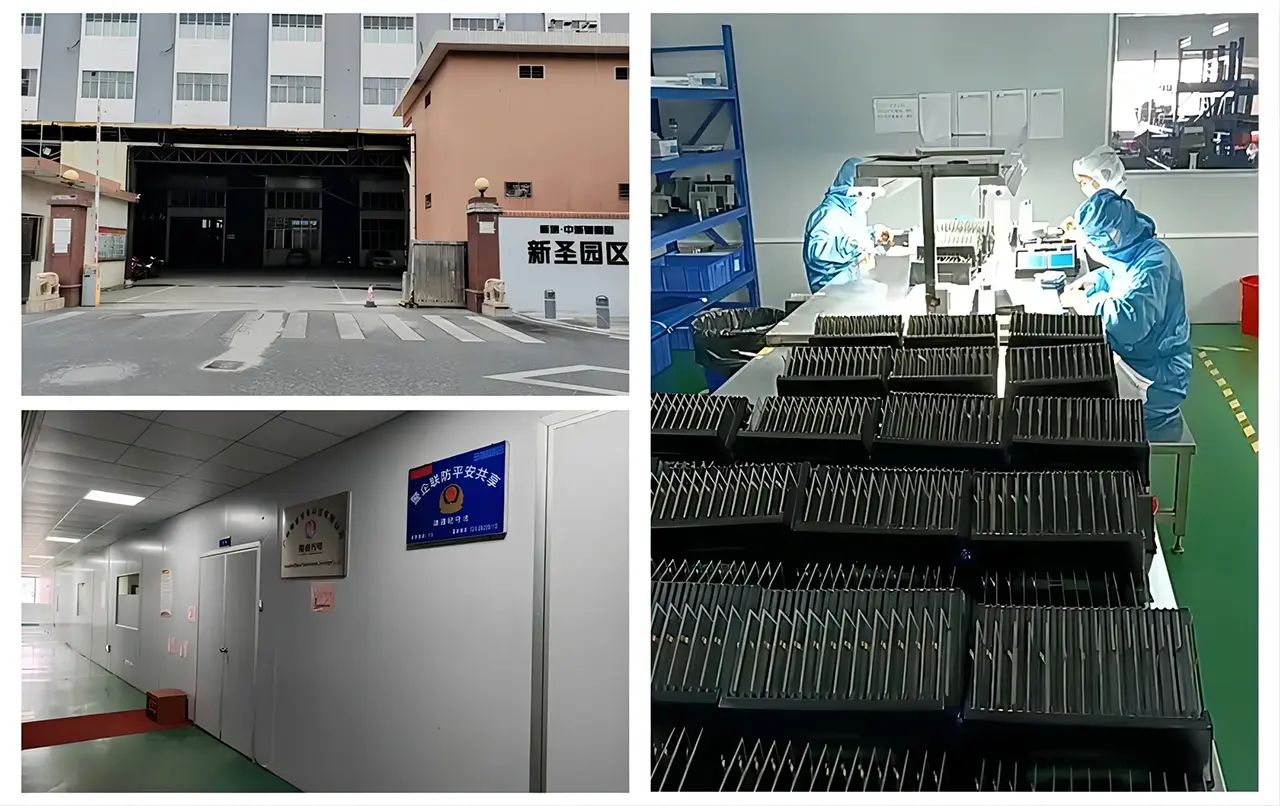
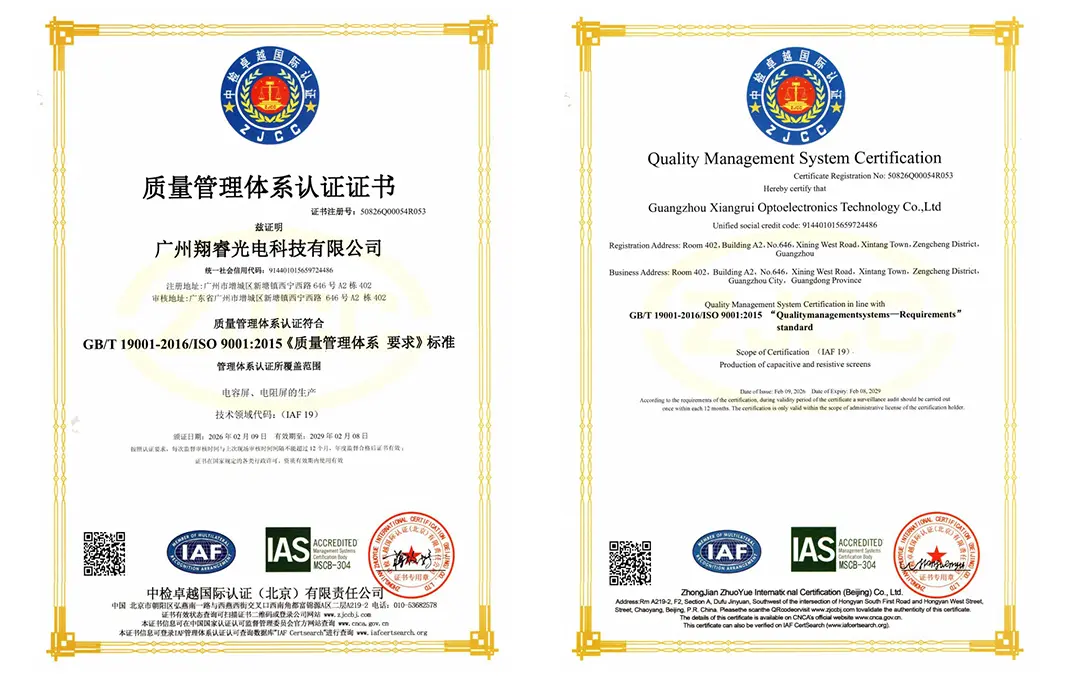
Certified under ISO 9001:2015 and ISO 14001:2015, our state-of-the-art facilities features Class 100, Class 1,000, and Class 10,000 cleanrooms. This ensures dust-free lamination processes critical for high-end optical bonding configurations exported to over 40 countries, including dedicated supply pipelines serving the Algerian industrial sector.
Connect with Our Engineers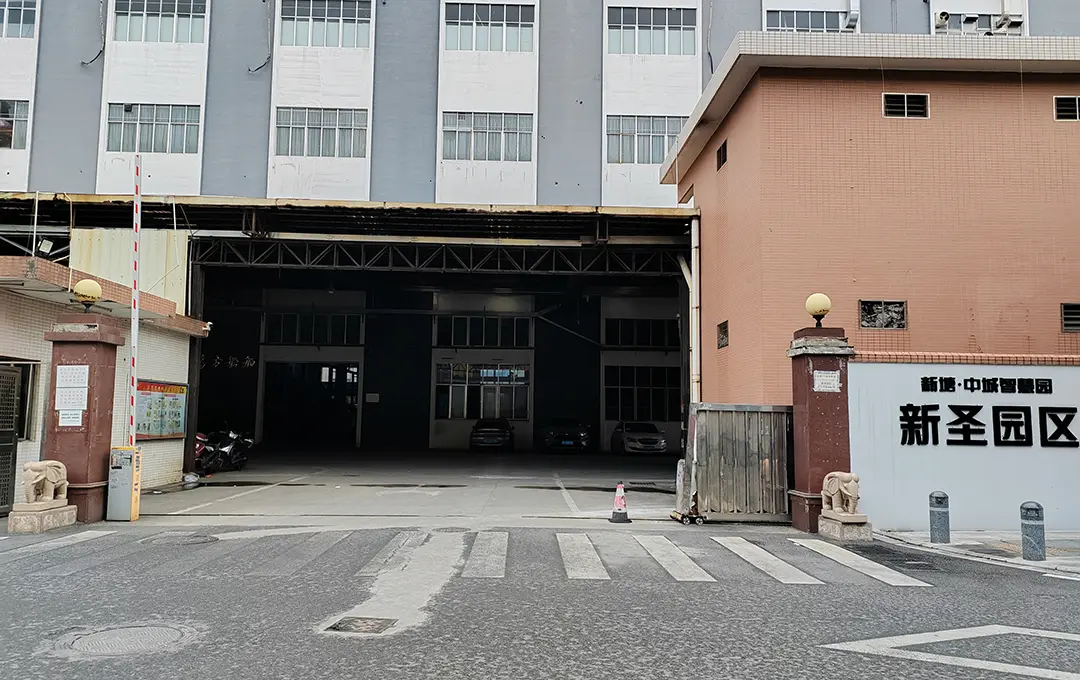
Choosing the correct bonding medium determines the longevity of the display. For the unique Algerian environment, our engineers assess both primary methods:
Our material formulations incorporate specialized UV-inhibitors. The extreme solar index (UV Index up to 11+) in Algeria can yellow standard acrylic-based adhesives. Xiangrui utilizes military-grade silicone and advanced polyurethane formulas designed to remain 100% transparent and yellow-free over decades of exposure.
Removes organic contaminants and raises the surface energy of the glass cover and LCD polarizer to guarantee maximum adhesive wetting and bond strength.
Executed inside Class 100 cleanrooms using multi-axis automated robots. This ensures precise gel volume delivery and prevents micro-air bubbles.
The components are aligned and laminated under precise vacuum conditions. This removes the risk of micro-voids which could expand under low air pressure or high altitude transit.
Controlled ultraviolet exposure initiates fast cross-linking, followed by secondary heat cure to ensure complete polymerization even under shadowed areas like printed ink borders.
Unmatched manufacturing precision and tailored global shipping logistics.
We operate under a customer-first philosophy, keeping quality and delivery times synchronized. Our robust direct shipping networks to primary Algerian ports like Algiers Port and Oran Port ensure secure, shock-absorbent packaging that eliminates physical distortion or pressure marks on laminated displays during long ocean voyages.
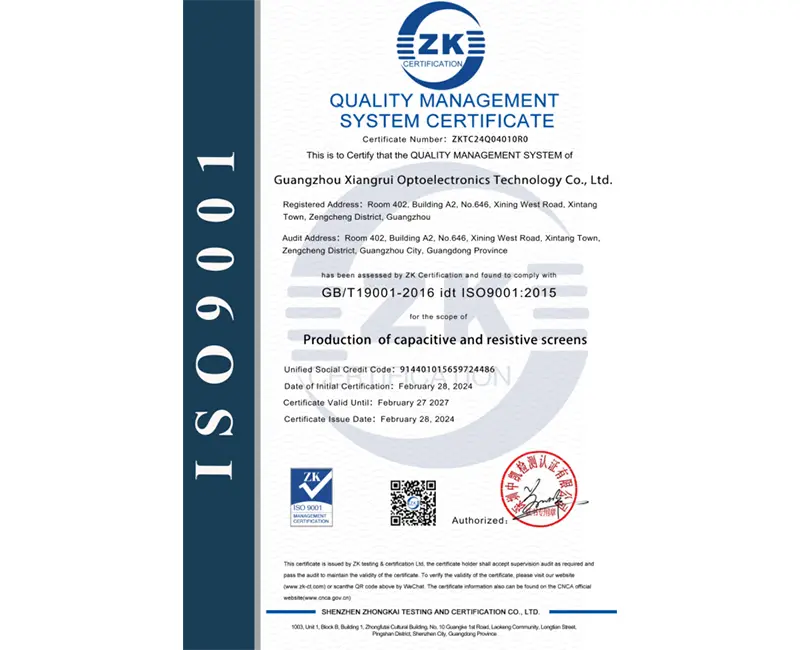
Awarded the High-Tech Enterprise status by Guangdong Province in 2022. Our internal manufacturing standard matches IPC-A-610 Class 3 for aerospace and high-reliability industrial electronic assemblies.
Specific technology implementations matching the industrial focus of Algerian enterprise clients.
Designed for pipelines, wellhead control, and drilling platforms in southern regions. Optical bonding prevents sand dust entry (IP65/IP67 rating) and resists explosive gas atmosphere requirements (ATEX zone enclosures) by reducing internal heat build-up.
Displays deployed on tracking inverters require maximum resistance to direct sunlight. The UV-blocked bonding prevents display matrix degradation and ensures touch sensitivity even when users wear thick protective industrial gloves.
Suitable for harbors, railway ticketing machines, and automated kiosks. It features high impact resistance (up to IK10 standards) preventing vandalism and protects sensitive electronics against salty mist corrosion in coastal cities.
Expert answers addressing the parameters of optical bonding implementation in hot and dry regions.
Air-bonded screens have an internal air gap that acts as a hot-house, trapping heat generated by the backlight. In hot zones like Algiers, this triggers isotropic blackout of the liquid crystals. Optical bonding fills this void with heat-conductive adhesive, transferring heat out through the front glass, keeping the display cool and preventing sun glare.
Yes. Our IP65 and IP67 industrial touch screens feature complete perimeter sealing. Because the front glass and touch stack are bound directly, no fine dust particles can seep between the touch panel and the display, avoiding visual degradation and touchscreen drift.
For custom prototypes, engineering drawings are completed in 3-5 days, and samples are ready in 2-3 weeks. Mass production orders typically ship within 3-4 weeks. Air freight to Algiers takes approximately 5-7 business days, while ocean shipping to Algerian ports ranges from 30 to 35 days.
Absolutely. We offer customizable cover glass thicknesses from 0.5mm to 10mm. We also support surface treatments including Anti-Glare (AG), Anti-Reflective (AR), and Anti-Fingerprint (AF) chemical etchings, tailored to your deployment specifications.
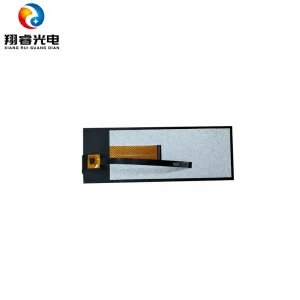
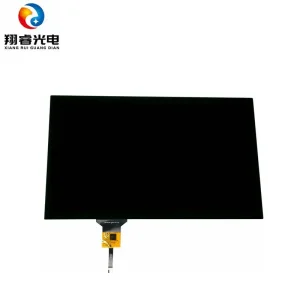
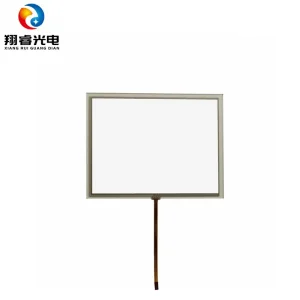
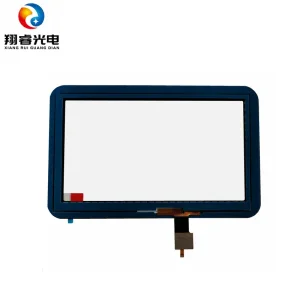
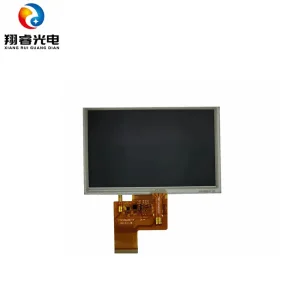
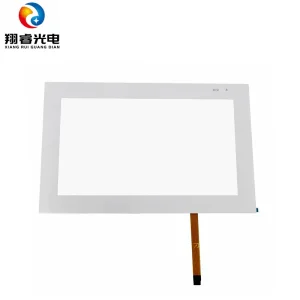
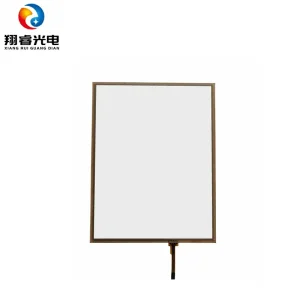
Select from our complete range of resistive and capacitive touch modules, fully customizable for industrial deployments.
 Xiangrui Optoelectronics