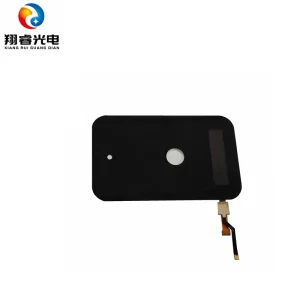
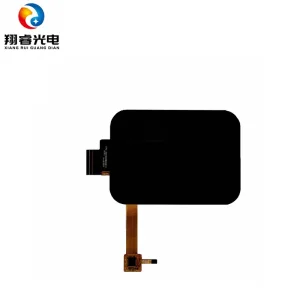
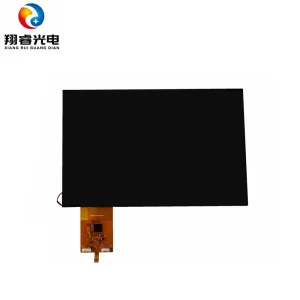
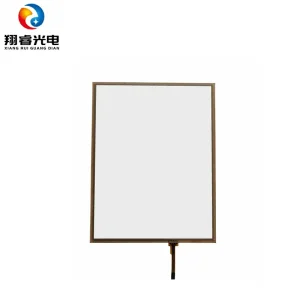
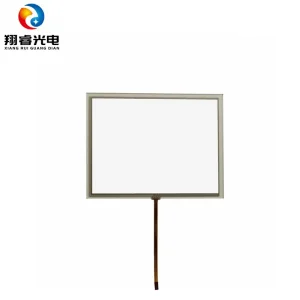
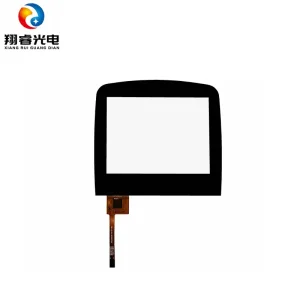
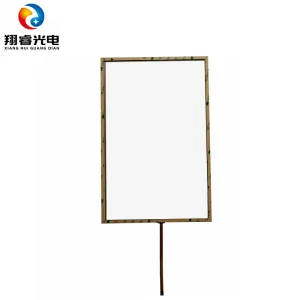
These core optical bonding solutions are specifically calibrated to meet sub-zero thermal cycling, high vibration tolerances, and high-ambient light legibility required across Finnish industrial sectors.
Optical bonding is a high-precision manufacturing process that injects a specialized resin—typically a Liquid Optically Clear Adhesive (LOCA) or dry Optically Clear Adhesive (OCA) sheet—into the microscopic air gap between the display panel (TFT, LCD, OLED) and the outer cover glass or touch sensor. This creates a solid, unified refractive index interface, eliminating the physical air gap that degrades optical quality and structural integrity.
For Finnish system integrators, rugged tablet OEMs, and maritime instrumentation designers, optical bonding is not an aesthetic luxury; it is a critical engineering requirement. Without optical bonding, air-gap displays suffer from internal reflection loss, moisture ingress, condensation fogging, and severe structural vulnerability under extreme thermal or mechanical stress.
Operating environments in the Nordic region pose highly unique thermal and physical challenges. High-latitude maritime fleets sailing through Baltic waters must withstand relentless salty atmosphere corroding display electronics and wild temperatures ranging from deep winter sub-zero levels to heavy solar heat loading inside control towers.
Furthermore, Finland’s forestry and heavy machinery industry (pioneered by global leaders in harvesters and material handlers) requires displays that can absorb high mechanical shocks (IK10+ impact resistance ratings) and extreme vibrations without delamination or bubbles forming inside the bonded adhesive matrix. By replacing air gaps with cured elastic silicones or polyurethane adhesives, our optical bonding ensures the screen absorbs impact energy over a much wider surface area, preventing expensive panel fractures.
At Guangzhou Xiangrui Optoelectronics Technology Co., Ltd., we utilize advanced automated optical bonding lines designed to resolve these specific challenges, balancing precision application with robust material engineering.
Founded in 2010 and located in Guangzhou, China, Guangzhou Xiangrui Optoelectronics Technology Co., Ltd. has spent over a decade perfecting touch panel integration. We are dedicated to the research, development, production, and global delivery of premium resistive touch panels, capacitive touch screens, custom cover glass, and specialized module optical bonding.
Optical bonding is hypersensitive to particulate contamination. A single dust speck trapped within the cured resin line can cause visual distortion, light leakage, or localized stress points that lead to delamination over long-term thermal cycling.
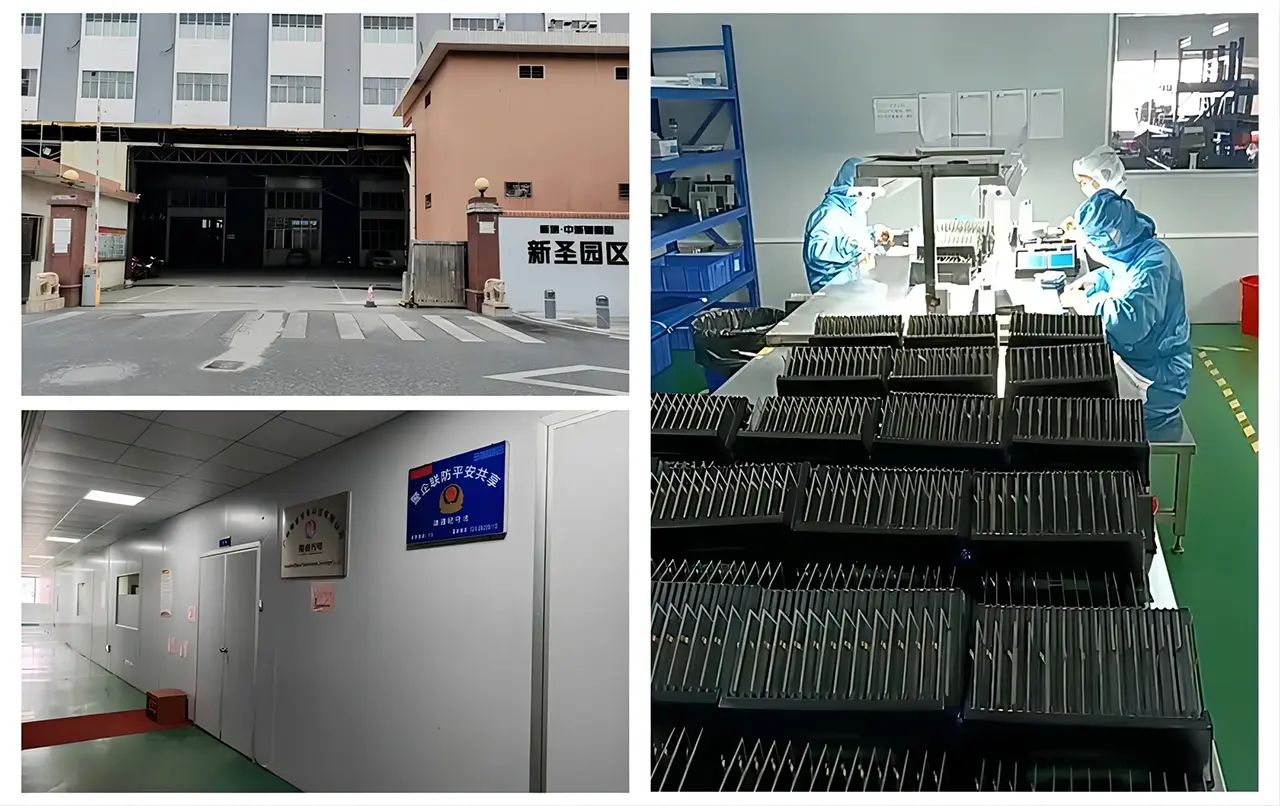
To eliminate this risk, our facility operates segregated, highly controlled environments: Class 100 dust-free units are reserved for the critical bonding and cover glass alignment phases, while our Class 1,000 and Class 10,000 zones support early-stage ITO patterning, FPC bonding, and final testing. Our commitment to strict standardization has earned our company both ISO 9001 and ISO 14001 certifications.
From the industrial hubs of Tampere and Oulu to the maritime shipyards in Turku and Helsinki, Finland's high-tech landscape relies on robust HMI displays that can withstand severe operations.
Baltic maritime operation demands absolute visibility under unpredictable sun glare, heavy rain, and sub-zero ice spray. Our wide-temperature capacitive touch screens with custom optical bonding operate flawlessly inside bridge consoles, outdoor sonar systems, and deck control nodes, offering full multi-touch sensitivity even when wet or operated with marine gloves.
Forestry harvesters navigate steep, uneven terrain where extreme shocks, vibration, and low canopy lighting are the norm. Standard air-gap displays quickly fail due to continuous vibration fatigue. Our heavy-duty industrial touch screens feature deep LOCA bonding and customized glass strengthening (IK08-IK10) to withstand continuous physical impacts.
Finland's biomedical sector in Oulu requires touch interfaces that support surgical gloved touch, chemical disinfection, and clean optical rendering. High-quality optical bonding prevents fluids and sterilization chemicals from entering behind the glass, while eliminating internal reflection to ensure sharp medical scans are viewed with complete accuracy.
The global optical bonding sector has undergone a massive evolution. While early designs relied on basic OCA films prone to yellowing, modern applications prioritize premium UV-curable silicones and high-performance polyurethanes that can withstand UV exposure without degradation. Accessing this high-tier raw material matrix requires a robust, agile supply chain.
As a leading supplier based in Guangzhou, China, Guangzhou Xiangrui Optoelectronics acts as a bridge of technical innovation for Nordic OEMs. We leverage localized supply ecosystems for high-yield glass processing, chemical tempering, and high-purity ITO sensor fabrication to significantly lower prototyping overheads and scaling timelines.
We recognize that European manufacturers operate under stringent environmental, mechanical, and safety regulations. All products shipped to our partners in Finland adhere strictly to the following parameters:
Select from our widely utilized range of multi-touch capacitive panels and high-durability resistive interfaces designed for long lifecycle deployments.
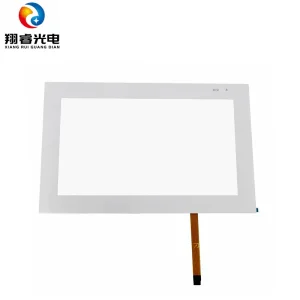
When engineering interfaces for industrial installations, one of the most critical decisions is selecting the optical bonding medium. The two primary methods are Liquid Optically Clear Adhesive (LOCA) and dry film Optically Clear Adhesive (OCA).
LOCA uses liquid silicones, urethanes, or acrylics poured over the display panel and cured using UV light or heat. This method is highly recommended for larger displays (>10 inches) or displays with uneven profiles, thick cover glasses, or 3D curved surfaces.
OCA consists of dry pressure-sensitive adhesive sheets laminated directly between the glass layer and the panel. It is best suited for high-volume, small-to-medium displays with completely flat surfaces.
Technical guidance regarding design validation, integration options, and trade-offs for engineers specifying display systems.
Need customized cover glass coatings, high-temperature resistive touch overlays, or precision optical bonding for marine and forestry control panels? Get in touch with our engineering team for technical consultations and rapid prototyping support.
Send Inquiry Now Xiangrui Optoelectronics