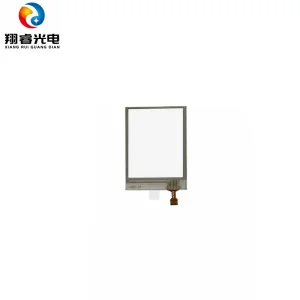
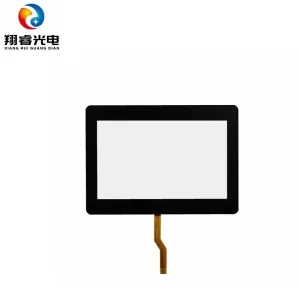
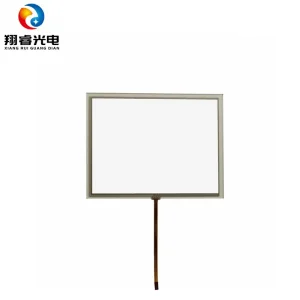
Engineered to resist the tropical humidity and industrial demands of Indonesia’s major factory clusters.
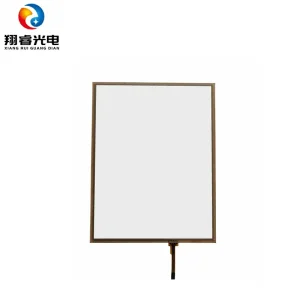
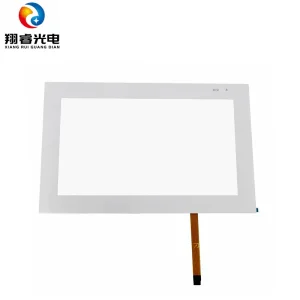
Under the national roadmap "Making Indonesia 4.0", the Indonesian Ministry of Industry has targeted five key sectors for digital transformation: Food and Beverage (F&B), Automotive, Electronics, Chemicals, and Textiles. This massive push toward industrial automation has generated unprecedented demand for Human-Machine Interfaces (HMI) that can bridge the physical and digital workflows of modern factories.
However, Indonesia's unique climatic and operational conditions present formidable challenges. Operating touch displays within factories in West Java industrial estates (such as Cikarang and Karawang), maritime logistics centers in Surabaya, or heavy smelters in Morowali exposes touch screens to persistent challenges: high relative humidity (often exceeding 85%), wide temperature fluctuations, dust ingress, and electrical noise from heavy machinery. In these demanding environments, traditional consumer-grade capacitive displays frequently fail due to ghost touches, surface moisture interference, or lack of glove-compatibility.
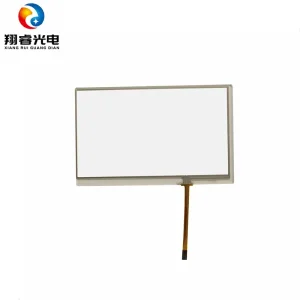
This is where high-quality resistive touch panels prove their absolute reliability. Unlike capacitive screens which rely on the electrical properties of the human body, resistive systems operate via pressure. This pressure-based sensing mechanism ensures that operators wearing heavy safety gloves, or operating consoles in the presence of water droplets, grease, or chemical residues, get consistent, reliable inputs every single time.
Evaluating Resistive and Capacitive technologies under Indonesian tropical and industrial stress factors.
| Parameter / Feature | Resistive Touch Panels (Guangzhou Xiangrui) | Projected Capacitive (PCAP) Panels | Indonesian Industrial Context Relevance |
|---|---|---|---|
| Activation Mechanism | Physical pressure (any object: stylus, gloved finger, pen) | Electrostatic field alteration (conductive touch only) | Crucial for operators wearing thick leather or rubber safety gloves on factory floors. |
| Humidity & Water Droplets | Unaffected. Water on the surface does not cause false triggers. | Can trigger false signals or drift without advanced shielding tuning. | Vital in high-condensation locations like palm oil mills and maritime shipping. |
| Dust & Ingress Resistance | Sealed IP65 configurations keep dust and grit from affecting performance. | Scratches on fine sensor patterns can disrupt tracking. | Prevents failure in heavy mining fields in Kalimantan and cement plants in Cilegon. |
| EMI & Electrical Noise | Inherent immunity to electromagnetic interference (EMI). | Vulnerable to electrical motors, welding units, and power fluctuations. | Stable operations next to heavy pumps and industrial generators. |
| Cost-Efficiency (ROI) | Low-to-medium development cost; simple integration interfaces. | Higher unit cost; complex custom controller tuning required. | Allows cost-effective retrofits for older plant Machinery and PLCs. |
Key technological advancements ensuring the durability of resistive touch systems over the next decade.
Standard resistive touch screens utilize a flexible polyester (PET) outer film. GFG technology replaces this outer layer with ultra-thin, highly flexible glass. This modification dramatically increases surface hardness from 3H to over 7H on the Mohs scale, protecting the panel against chemical corrosion, tool scratches, and open-flame exposure.
By filling the internal air gap between the resistive sensor and the LCD panel using Liquid Optically Clear Adhesives (LOCA), we prevent moisture ingress. This eliminates the risk of internal fogging caused by the high heat and humidity of coastal Indonesian industries.
We apply specialized coatings to cover layers: Anti-Glare (AG) to reduce reflections under bright warehouse lighting, Anti-Reflective (AR) to enhance outdoor viewability in solar farming, and Anti-Fingerprint (AF) to resist oil build-up.
For procurement managers in multinational and state-owned Indonesian enterprises (BUMN), sourcing components from Guangzhou Xiangrui represents a strategic integration advantage. Our manufacturing headquarters in Guangzhou, China, benefits from direct access to premium-grade raw materials, specialized chemical partners, and highly optimized logistics paths. This proximity enables us to rapidly source ITO (Indium Tin Oxide) glass substrates, customized controller ICs (EETI, Microchip), and specialized adhesives at highly competitive price points.
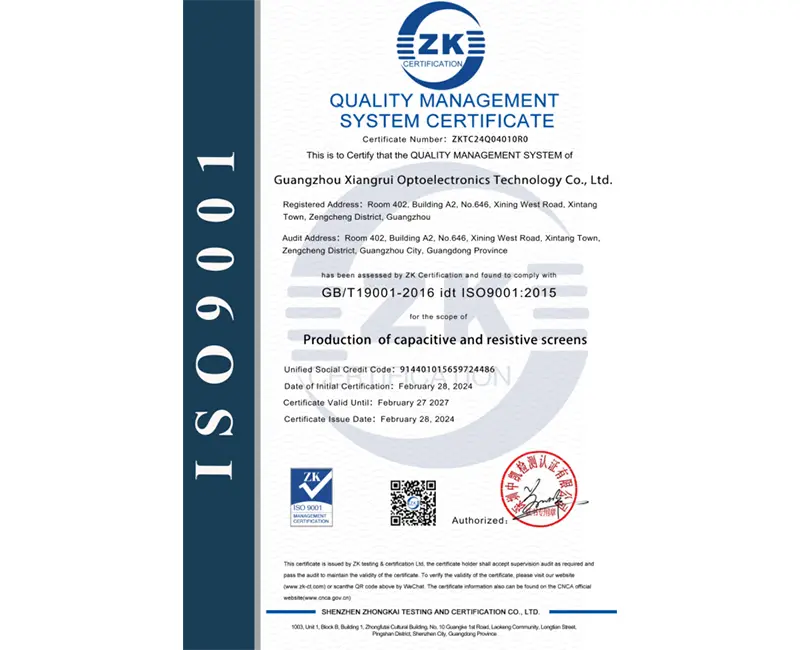
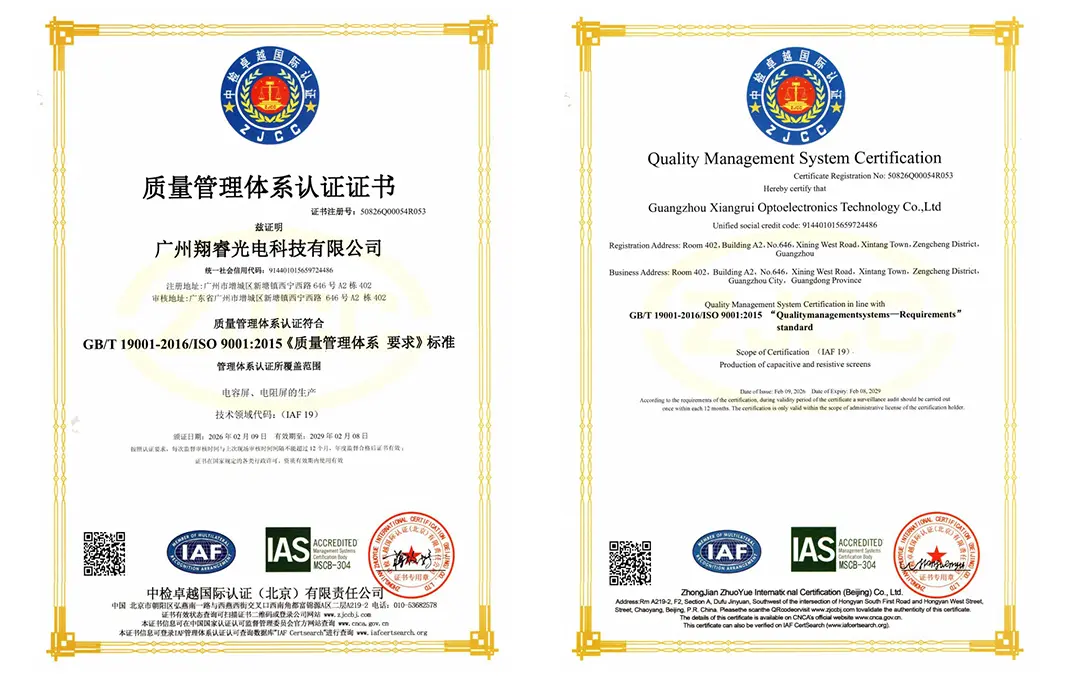
Our Quality Management System strictly adheres to ISO 9001:2015 and ISO 14001:2015. The manufacturing lifecycle of each resistive touch panel features trace-level logging, beginning from cleanroom film sputtering and ITO pattern etching, all the way to final functional performance testing. Every batch undergoes comprehensive testing profiles, including high-temperature storage (+80°C for 240 hours), low-temperature storage (-40°C for 240 hours), thermal shock testing (-30°C to +80°C for 50 cycles), and surface impact/abrasion tests.
Furthermore, shipping from Guangzhou to major Indonesian hubs like Jakarta (Tanjung Priok port) or Surabaya (Tanjung Perak port) is supported by rapid sea and air corridors. This ensures predictable delivery lead times of 10 to 14 days for bulk sea freight, and 3 to 5 days for urgent engineering samples via air cargo, keeping your project schedules on track.
Custom engineering integrations tailored to key economic sectors in the Indonesian archipelago.
Ideal for palm oil processing plants, sugar mills, and packaged food factories. Our resistive panels resist hot steam washdowns, direct water spraying, acid cleaners, and sugary residues without input failure.
Custom anti-salt-mist coatings and optical bonding treatments prevent marine-air corrosion on shipping terminals and vessel helm displays, ensuring consistent operation even during heavy sea spray.
Guangzhou Xiangrui's robust 4-wire and 5-wire resistive interfaces are optimized for tooling machines and robotic assembly stations. The screens continue operating even when coated in cutting oil, grease, or heavy grit.
Navigating the import process into Indonesia requires strict documentation and compliance. Guangzhou Xiangrui provides comprehensive support for customs clearance procedures. We supply all necessary documents, including Detailed packing lists, Certificates of Origin (Form E to secure lower import duties under China-ASEAN FTA agreements), Bills of Lading, and Certificate of Compliance to ensure smooth processing through Indonesian customs (Direktorat Jenderal Bea dan Cukai).
We work closely with local engineering partners and value-added distributors in Jakarta, Semarang, and Surabaya. This network ensures that our clients receive on-site technical support for installation, display calibration, and software driver setups (Linux, Windows, Android). Additionally, our engineering division offers remote CAD design consults, helping you customize sensor tail orientations, FPC length, and bezel laminations to fit legacy cabinet installations.
Expert answers to common engineering and sourcing questions about industrial touch panels in Indonesia.
Resistive touch screens rely on physical pressure to register inputs rather than electrical capacitance. In humid regions like coastal Indonesia, moisture or water droplets can settle on the glass. Under these conditions, capacitive screens can suffer from signal drift and false touches. Resistive screens remain fully operational, only responding to intentional touch pressure.
Yes. Guangzhou Xiangrui offers complete OEM/ODM support. We custom-engineer resistive touch sensors to fit your specific dimensions, choose custom FPC configurations (lengths and pin definitions), apply AG/AR/AF surface treatments, and laminate custom cover glass plates to match your industrial HMI housing requirements.
Our production facilities and manufacturing workflows are fully certified under ISO 9001:2015 and ISO 14001:2015. Additionally, all raw materials and chemical coatings used in our components are compliant with RoHS and REACH standards, ensuring they meet European and global safety requirements.
For standard prototype shipments, we utilize air cargo services (DHL, FedEx) which typically deliver within 3 to 5 business days. For bulk production orders, container shipping lines from Guangzhou port to Tanjung Priok or Tanjung Perak port take approximately 10 to 14 business days, depending on route schedules and customs clearances.
High-precision resistive and capacitive screens constructed for extreme performance and lasting reliability.
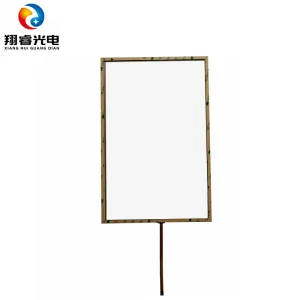
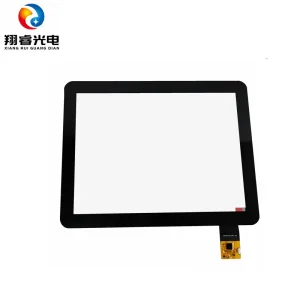
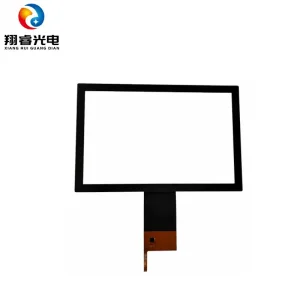
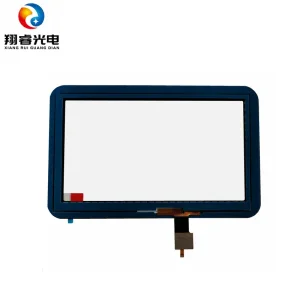
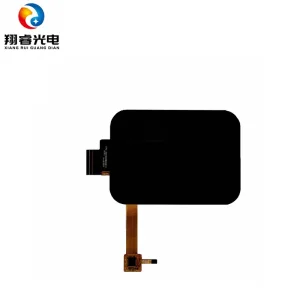
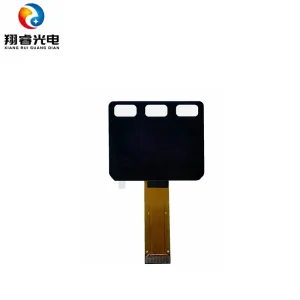
Connect with Guangzhou Xiangrui's engineering support team today. Request a prompt quotation, custom CAD review, or an evaluation sample shipped directly to your facility in Indonesia.
Send Inquiry Now Xiangrui Optoelectronics