Greece-optimized touch panels engineered for extreme temperatures, high humidity, and marine salt mist environment protection standards.
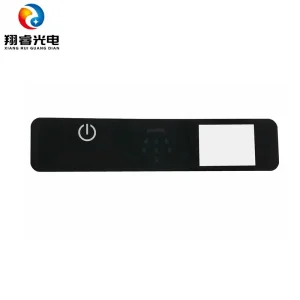
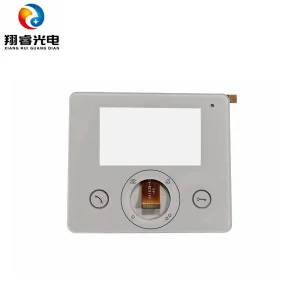
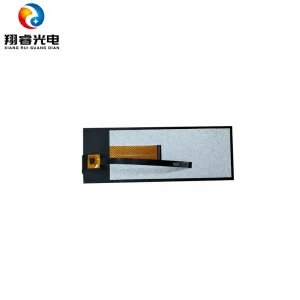
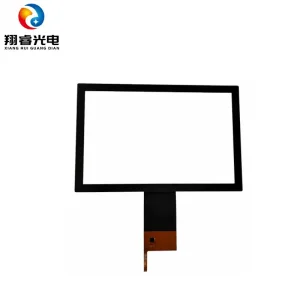
Greece sits at the strategic crossroad of Europe, Asia, and Africa, rendering its maritime, logistics, and hospitality sectors uniquely vital. The demand for ruggedized touch buttons and human-machine interfaces (HMIs) has accelerated across Greece as companies integrate modern cyber-physical controls into high-saline maritime zones, demanding agricultural processing facilities, and high-visibility outdoor ticketing systems.
In industrial centers like Athens, Thessaloniki, and Patras, local systems integrators are shifting from mechanical buttons to capacitive switches. In food processing factories specializing in olive oil bottling and dairy production, traditional switches fail due to washdown cycles. Capacitive glass panels offer a seamless, crevice-free surface that eliminates bacteria build-up and handles harsh chemical cleaning agents.
Saline air and constant moisture degrade standard touch sensors. Optical bonding with IP67/IP69K protection ratings prevents fogging and moisture ingress on shipping bridge navigation consoles and port terminal machinery.
Luxury Aegean hotels employ customized capacitive glass switch plates that integrate seamlessly with KNX protocols. This demands ultra-responsive 1.54" to 4.3" micro-touch buttons that resist scratching and match luxury architectural designs.
From Crete to Central Macedonia, processing plants implement resistive and capacitive touch buttons designed to withstand extreme washdown cycles without false trigger inputs.
While Greece has a sophisticated engineering workforce capable of designing complex machinery, local fabrication of core optoelectronic components is virtually non-existent. System developers must secure components from global specialized touch screen manufacturers. This dependency exposes supply chain vulnerabilities, notably delivery delays, quality inconsistencies, and integration difficulties with legacy software.
Direct procurement from dedicated manufacturers like Guangzhou Xiangrui Optoelectronics Technology Co., Ltd. circumvents local supply chain limitations. By sourcing touch buttons and resistive/capacitive panels directly from a factory equipped with cleanrooms (Class 100 to Class 10000) and backed by ISO 9001 and ISO 14001 quality frameworks, Greek OEMs secure high manufacturing consistency. Working directly with the design team ensures the critical parameters—such as optical transparency, glove-touch responsiveness, water-rejection firmware, and EMC/EMI shielding—are built directly into the touch panel design.
| Procurement Challenge | Traditional Local Distributor Limits | Direct Factory Engineering Solution (Xiangrui) |
|---|---|---|
| Harsh Environment Failure | Standard off-the-shelf panels fail in high-humidity Greek marine zones. | Full optical bonding (LOCA/OCA) prevents moisture buildup and internal condensation. |
| UV Degradation | Yellowing and crack formation under strong Mediterranean sunshine. | Anti-UV and Anti-Glare surface glass treatment ensures 10+ year outdoor life. |
| EMC/EMI Shielding | High electromagnetic noise causes ghost touches in heavy manufacturing. | Custom ITO sensor layouts with integrated shielding layers and tuned controller ICs. |
| Small-Batch Customization | Exorbitant tooling costs and high MOQ requirements for specialized HMI. | Flexible ODM engineering setups for custom cover glass sizes, prints, and layouts. |
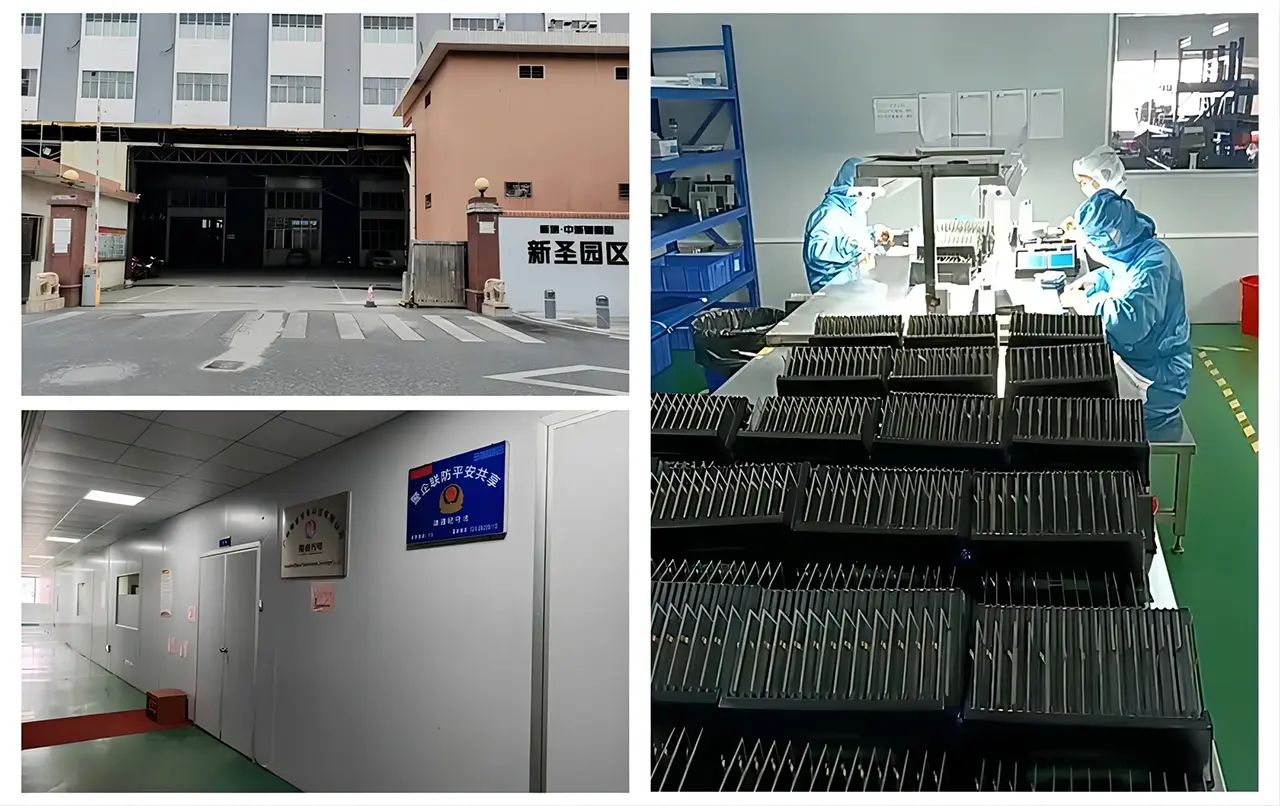
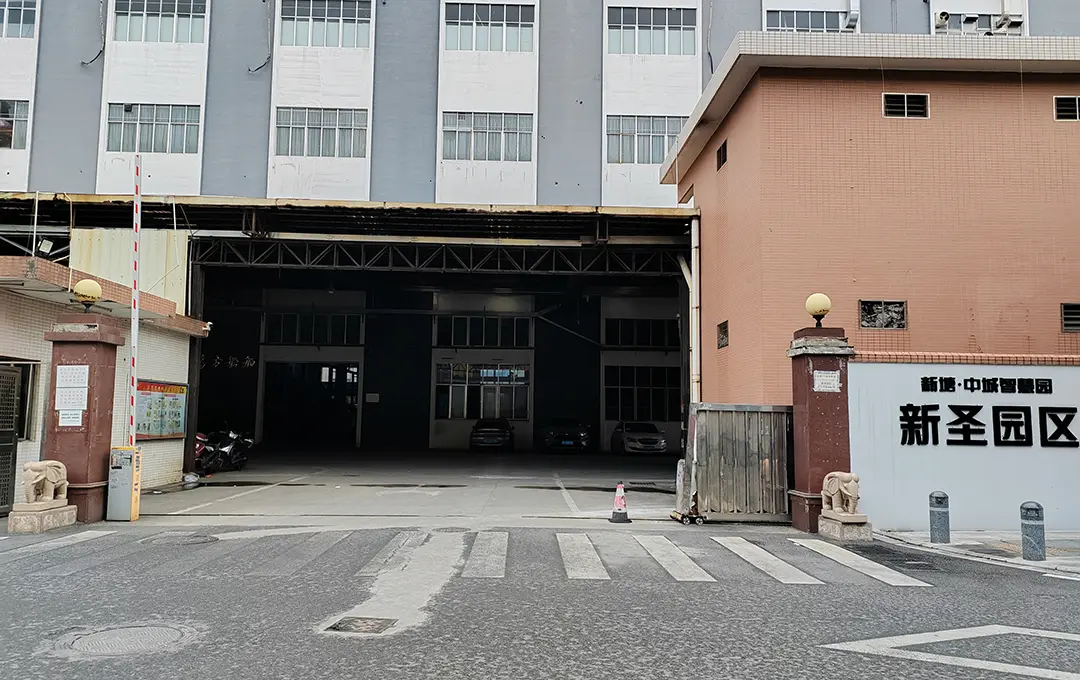
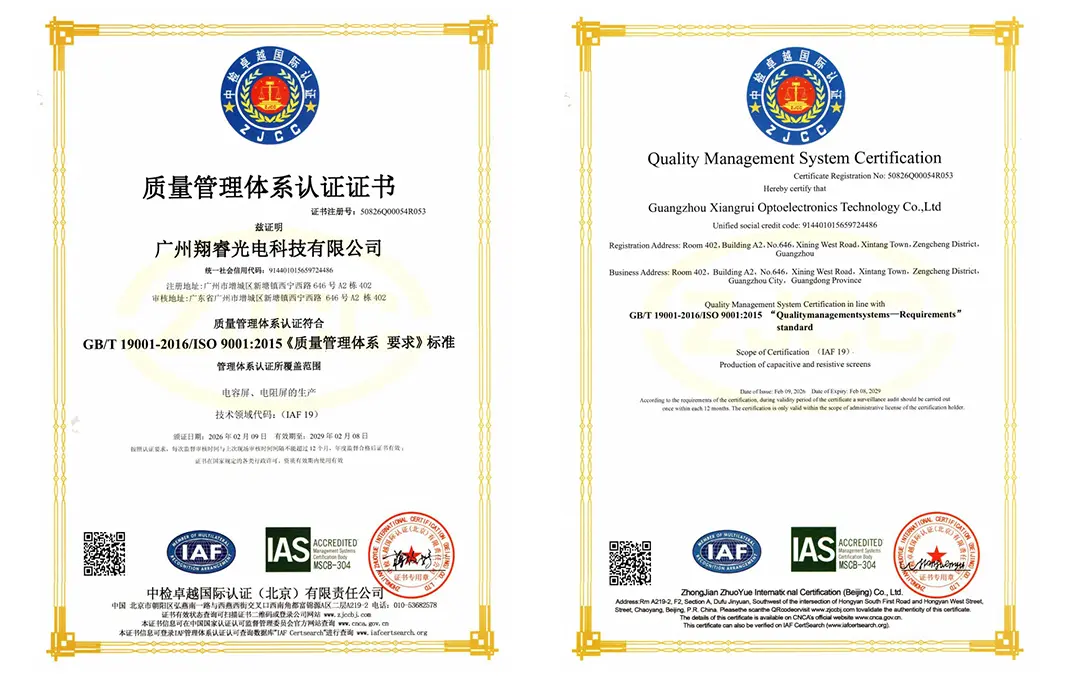
Founded in 2010, we are a professional enterprise specializing in the design, development, manufacturing, and distribution of resistive touch panels, capacitive touch screens, cover glass, and complete optical bonding modules. Certified with ISO 9001 and ISO 14001 standards, we serve complex applications in industrial automation, medical devices, hospitality electronics, marine navigation, and transport systems.
Equipped with an advanced 3000-square-meter facility with dust-free workshops, we handle rigorous customer specs for optical bonding, anti-reflective, and high-durability cover glasses. Our specialized research team ensures that our touch panels comply with CE, RoHS, and specialized environmental standards required for the European Economic Area.
The choice between capacitive and resistive touch screens depends on the ambient environment of the installation. For outdoor applications in Athens or Piraeus—where displays are exposed to heavy rain, dirt, and manual operation by workers wearing gloves—engineers must analyze the specific electrical and physical traits of the touch technology.
Projected Capacitive (PCAP) screens utilize an electrostatic grid of micro-fine sensor wires laminated beneath the glass. When a conductive object (such as a finger) touches the glass surface, it changes the capacitance profile, which is mapped by an integrated controller (e.g., EETI, ILITEK). Because PCAP uses solid-state glass surfaces, it is highly scratch-resistant and supports optical bonding, allowing it to survive high impact (IK08-IK10 ratings) and harsh environments.
Resistive panels rely on physical pressure to connect two conductive indium tin oxide (ITO) layers. They are ideal for heavy industrial environments where operators wear thick insulated gloves (such as cold-storage warehouses or welding yards) because they register touches from any object—whether a gloved hand, stylus, or plastic card. They are highly immune to electrical noise, though they are more prone to physical wear and tear than capacitive screens.
In standard air-gap (tape) bonding, the touch panel is joined to the LCD display via double-sided tape along the outer perimeter, leaving an air pocket. For Greek outdoor and maritime HMIs, this air gap poses problems: fluctuations in coastal humidity cause moisture to condense inside the screen, making it unreadable. Optical bonding fills this air gap with a clear liquid optical adhesive (LOCA/OCA). This eliminates internal reflections, improves screen visibility under sunlight by up to 400%, and prevents moisture buildup.
Prevents water ingress from high-pressure water jets and continuous steam cleaning, which is common in Greek olive oil and dairy processing lines.
Prevents yellowing and color degradation from strong UV rays, ensuring clear display readability for outdoor Greek kiosks and ticketing setups.
Limits high-frequency electromagnetic noise, preventing ghost touches when panels are positioned near high-power motors or generators on ships.
Products imported and integrated into systems in Greece must comply with European Union directives. Equipment designed for medical devices, public transport, or industrial use must undergo strict certification checks. Key compliance standards include:
We partner with system integrators and OEMs globally, offering reliable engineering and certified manufacturing support.
We prioritize reliable production schedules and strict quality control, ensuring long-term relationships with leading international HMI developers.
Every step of our production workflow—from raw material screening to final optical inspection—is certified to ensure high-performance reliability.
Supported by our dedicated R&D team, we hold more than 30 utility and design patents, allowing us to deliver high-quality capacitive touch technologies.
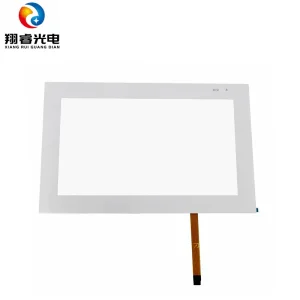
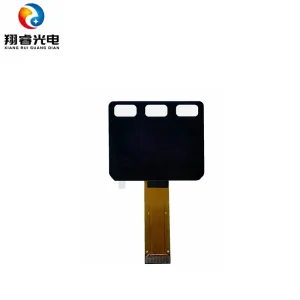
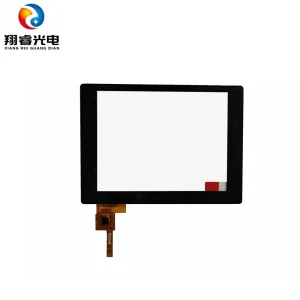
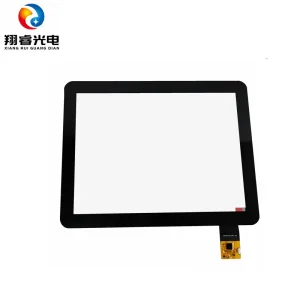
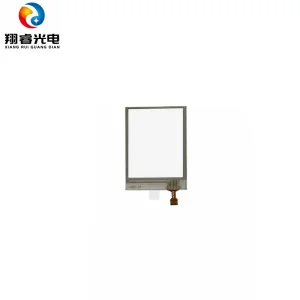
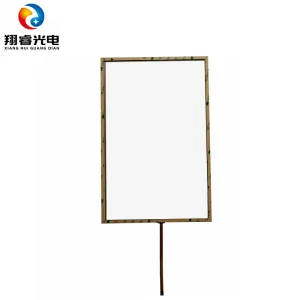
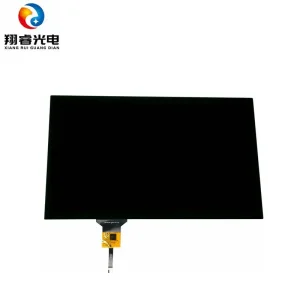
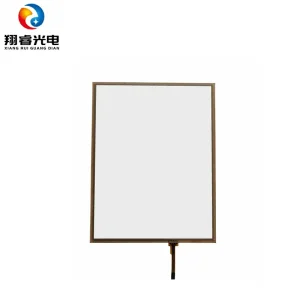
A comprehensive selection of resistive and capacitive touch components engineered for industrial machinery and medical monitoring screens in Greece.
Technical answers to key engineering and integration questions for Greece and EU systems developers.
From marine bridge touch screens to food-safe washdown panels, our engineering team can help customize your interface components.
 Xiangrui Optoelectronics