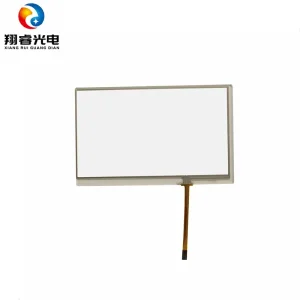
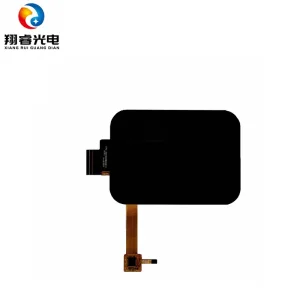
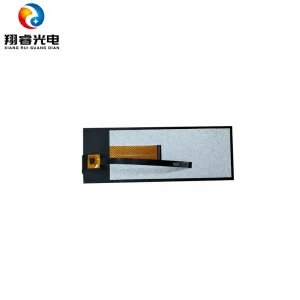
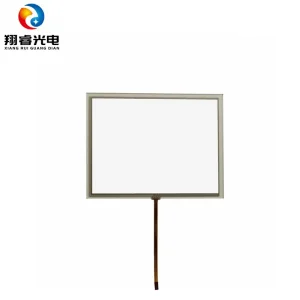
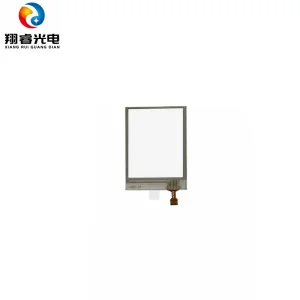
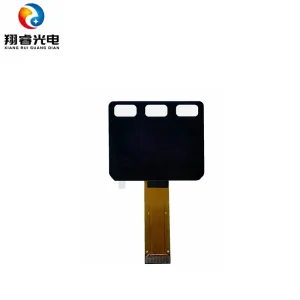
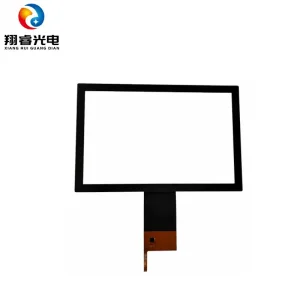
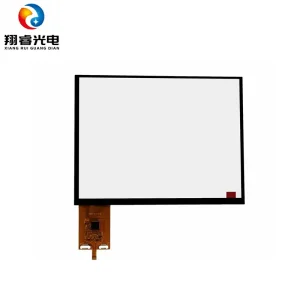
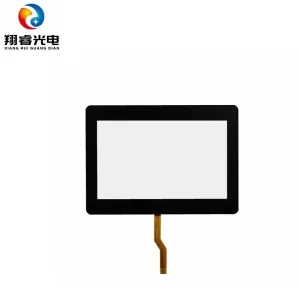
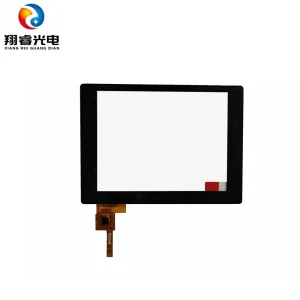
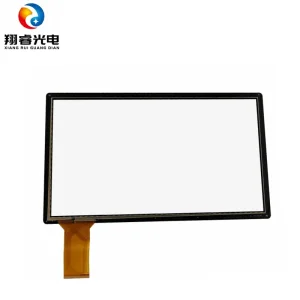
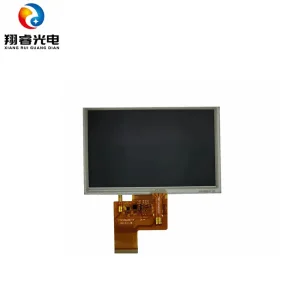
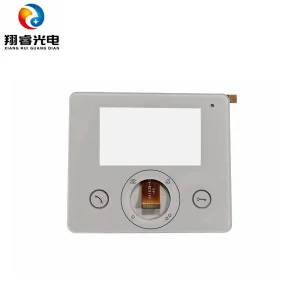
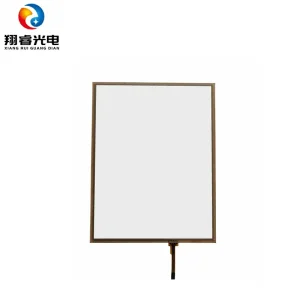
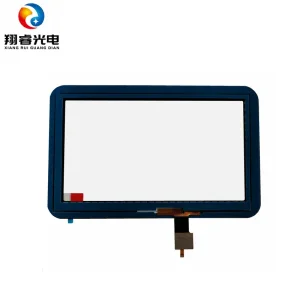
In the rapidly evolving world of human-machine interfaces (HMIs), the 4.3-inch touch screen has emerged as one of the most critical form factors for compact industrial, commercial, and medical instrumentation. Striking an optimal balance between visual real estate and compact housing constraints, this specific screen dimension is highly sought after by designers aiming to modernize systems without altering standard physical footprints.
The global push towards smart grids, IoT-enabled machinery, and point-of-sale terminal optimization has driven the demand for 4.3" touch modules. These displays are not merely components; they represent the primary point of human interaction with advanced automation systems.
From medical instrumentation (such as syringe pumps and diagnostic handhelds) to outdoor charging networks, these screens are required to perform under extreme ambient configurations. Designers must choose between Projected Capacitive (PCAP) and Analog Resistive touch technologies based on operational environment, glove requirements, noise exposure, and cost constraints.
Guangzhou Xiangrui Optoelectronics Technology Co., Ltd. sits at the forefront of this manufacturing transition, offering specialized custom tooling, high-precision cover glass processing, and optoelectronic integration services that align with global standards.
Understanding the core physical properties of touch sensing is crucial for hardware design engineers. Selecting the wrong interface technology can lead to project failure or field recalls. Here is an architectural comparison of touch technologies for the 4.3-inch screen size.
| Feature Spec | Projected Capacitive (PCAP) Touch Screen | Resistive Touch Screen (4-Wire/5-Wire) |
|---|---|---|
| Operating Mechanism | Electrostatic field alteration by human finger capacitance. | Pressure-sensitive micro-gap closure between two conductive layers. |
| Input Flexibility | Bare finger, conductive gloves, special active stylus. | Any input medium: fingers, heavy duty gloves, plastic styli. |
| Optical Performance | Superior clarity (>88% transmittance), optional optical bonding. | Moderate transmittance (~75-80%) due to multi-layer film gap. |
| Durability & Life Span | Excellently durable. Scratch-resistant chemically strengthened cover glass. | Prone to surface scratching. Mechanical wear over time. |
| Water & Noise Immunity | Requires controller tuning (e.g. EETI, Ilitek) to bypass moisture. | Excellent natural immunity. Unaffected by moisture or stray EMI. |
| Multi-touch Support | True multi-touch (up to 10 points), gesture actions. | Single-touch only (classic configuration). |
Optical bonding (using Liquid Optically Clear Adhesive - LOCA or sheet OCA) fills the air gap between the touch sensor and the LCD panel. This eliminates internal light reflection, dramatically improves outdoor legibility under direct sunlight, and prevents condensation under high humidity conditions.
To counter diverse environmental challenges, we offer custom chemical physical treatments including Anti-Glare (AG) etching to disperse mirror-like reflections, Anti-Reflection (AR) thin-film coating to increase overall light transmittance, and hydrophobic Anti-Fingerprint (AF) coatings.
Our capacitive touch panels utilize chemically strengthened cover glass (such as Gorilla Glass or high-hardness aluminosilicate options) up to 10mm thick, maintaining reliable structural integrity even when exposed to severe kinetic impacts in industrial workshop floors or public kiosks.
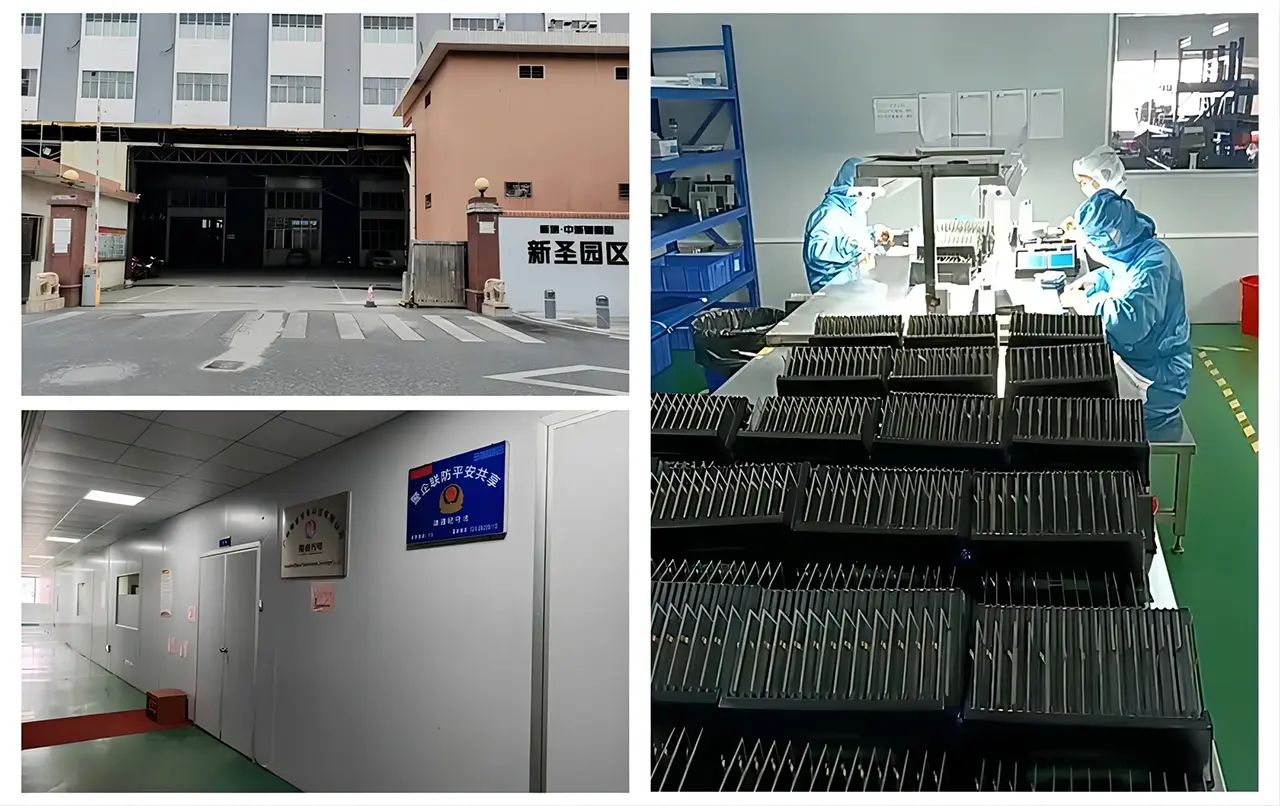
Established in 2010 in Guangzhou, China, we are a recognized high-tech enterprise specializing in the integration of high-reliability resistive touch panels, projected capacitive touch panels, cover glass fabrication, and complete liquid crystal module bonding.
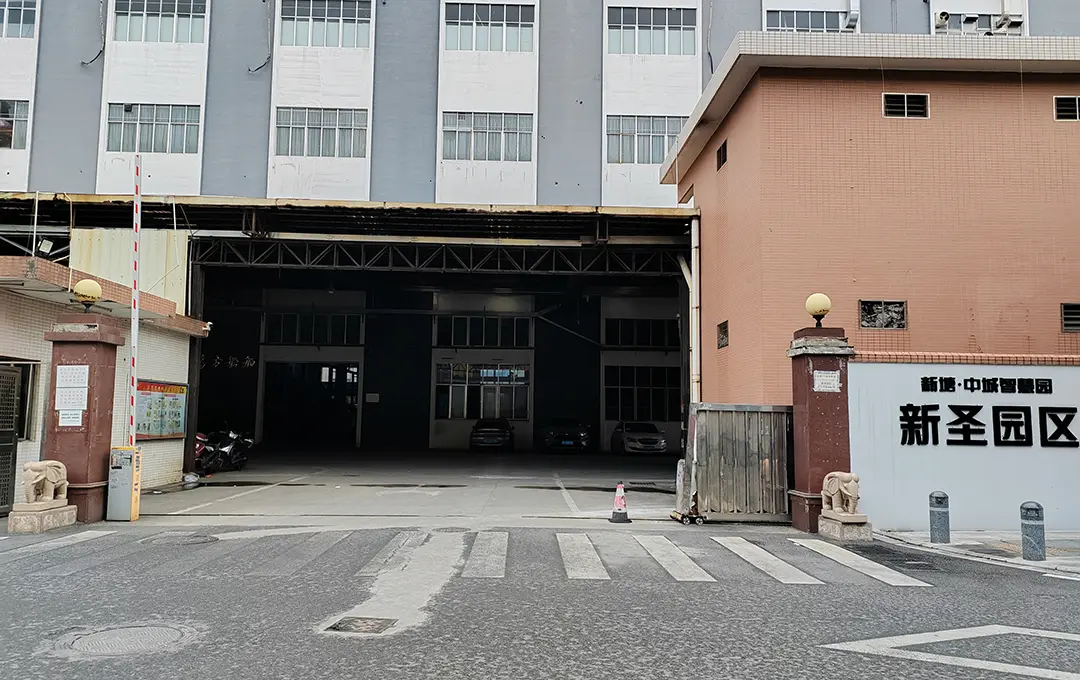
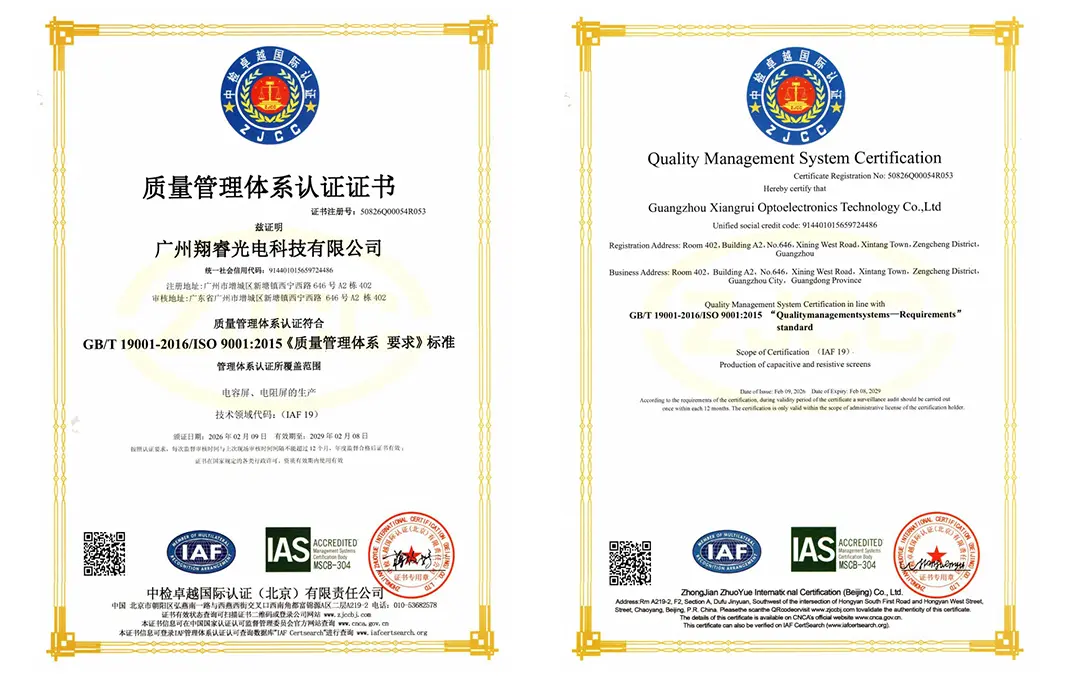
To guarantee absolute stability across complex production cycles, our operations strictly follow the ISO 9001 Quality Management System and ISO 14001 Environmental Management System guidelines. Highly standardized testing procedures trace each product batch from glass sensor raw materials to final optical lamination.
In recognition of our specialized material developments, Guangzhou Xiangrui was awarded the official designation of Guangdong High-Tech Enterprise in 2022. By utilizing automated lamination, advanced autoclaves, and modern optical alignment sensors, we support your high-reliability applications at competitive price points.
The versatile 4.3-inch touch screen serves as the standard interface across countless vital industries. Below are the macro-scenarios where our customized optoelectronic engineering makes a decisive difference.
Modern PLC units, CNC controllers, and manufacturing instrumentation require resilient screens that operate reliably in dust-filled environments. Our resistive 4.3" touch modules support reliable heavy-duty gloved touch, and resist EMI interference from high-frequency industrial machinery.
Syringe pumps, patient vital monitoring units, and chemical analyzers require reliable touch input. Utilizing custom cover glass optical bonding prevents fluid penetration, meets stringent hospital chemical cleaning requirements, and offers exceptional readability under bright operating room lamps.
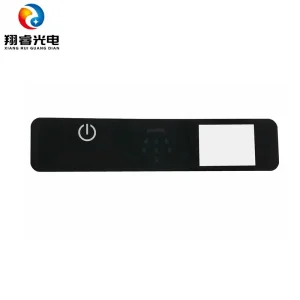
Residential wall control panels demand an elegant aesthetic look and multi-touch capabilities. Our custom-designed cover glass panels feature smooth 2.5D round edges, anti-fingerprint properties, and precise capacitive sensor printing to integrate seamlessly with modern home decors.
Outdoor applications present a unique set of challenges, including solar radiation, sudden temperature swings (-30°C to +85°C), rain, and physical vandalism.
Our customized outdoor 4.3" PCAP touch modules feature UV-resistant film coatings, thick cover glass that meets IK08 impact ratings, and specialized touch controller tuning (using Cypress or EETI IC chips) that maintains reliable touch control even in heavy rain.
Additionally, the integrated palm-print biometric recognition systems used in newer access terminals utilize our high-transmittance cover glass to guarantee clean, distortion-free light paths for high-precision scanner optics.
As touch-based interfaces shift towards smarter, thinner, and more integrated configurations, Guangzhou Xiangrui is investing in new manufacturing processes.
Replacing traditional ITO films with micro-patterned copper or silver metal mesh sensors. This reduces electrical resistance, boosts sensitivity on thick cover lenses, and allows for flexible, curved screen designs.
Combining the touch sensor pattern directly within the liquid crystal display layers. This eliminates separate sensor substrates, resulting in thinner modules, higher display brightness, and lower system weight.
Integrating micro-actuators behind the 4.3" glass pane to provide physical vibration alerts. This enhances safety and accuracy in automotive controls and industrial operations, confirming inputs without requiring visual checks.
With the rapid adoption of edge intelligence, next-generation touch screen controllers will integrate machine learning algorithms to actively identify and filter out random noise, drops of water, and false hand rests.
Through these advancements, Guangzhou Xiangrui continues to supply global OEMs with robust, high-performance touch screen interfaces tailored for challenging operational environments.
Review our engineering answers to common technical questions asked by system integration professionals.
From custom design consultation and optical bonding integration to robust testing under ISO 9001 quality frameworks, our Guangzhou Xiangrui team is ready to support your technical roadmaps. Contact us today for product datasheets, custom tooling quotes, or mechanical drawings.
 Xiangrui Optoelectronics