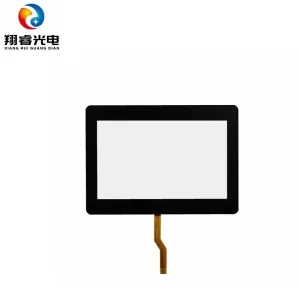
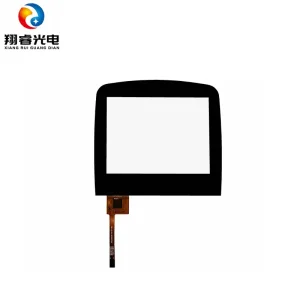
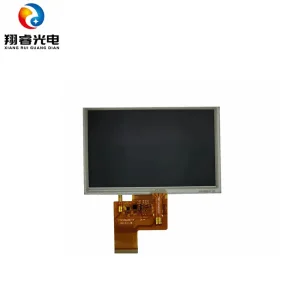
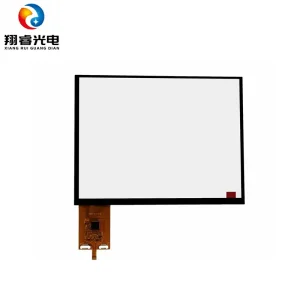
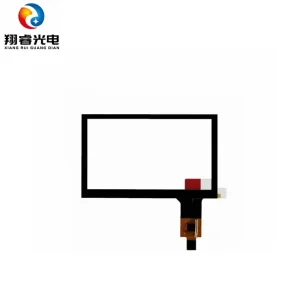
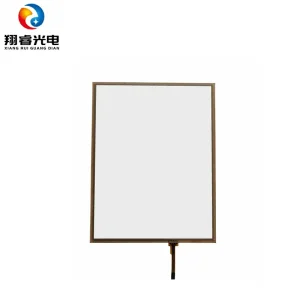
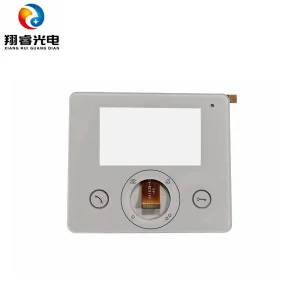
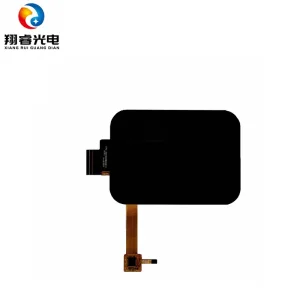
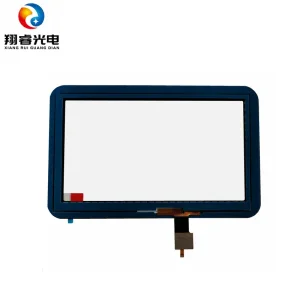
Advanced cover glass substrates engineered for high-performance touch applications and optical displays.
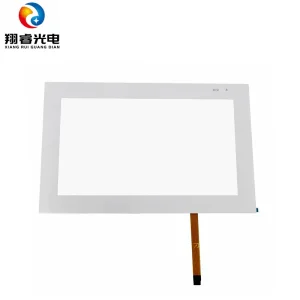
Exploring the intersections of high-performance microscopy, optoelectronics, and micro-display encapsulation.
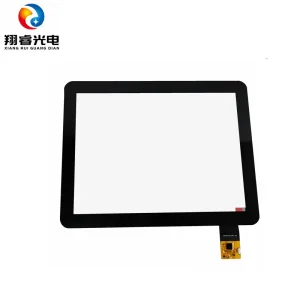
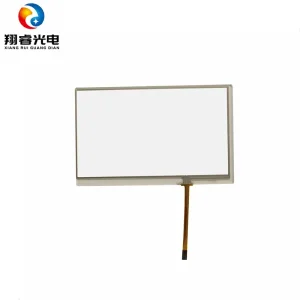
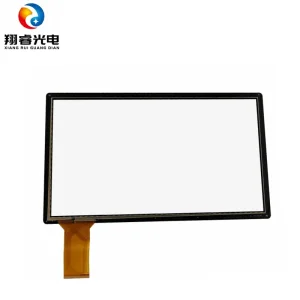
In the modern manufacturing and optoelectronic ecosystem, the terminology surrounding Glass Slide Cover Slips bridges two critical high-technology sectors. In microscopic imaging and biomedical diagnostics, the glass cover slip acts as an essential optical window—demanding exceptional planarity, controlled chemical purity, and precise refractive indexes (typically $n_d = 1.52$ for standard borosilicate). Concurrently, in industrial HMI (Human-Machine Interface) design, micro-electronics, and smart controls, "cover glass/slips" refer to the ultra-thin, chemically strengthened protective layers integrated directly over capacitive and resistive touch panels.
The global market for these precision glass substrates has witnessed a profound transformation. Driven by the surge in automated digital pathology, high-throughput diagnostic scanners, and ruggedized micro-display HMIs, manufacturers must deliver glass elements that possess not only flawless physical metrics but also specialized functional coatings. From anti-reflective (AR) and anti-glare (AG) properties to hydrophobic or oleophobic coatings, these precision components protect delicate electronic architectures while maximizing optical transmissivity.
China has consolidated its position as a central axis for precision glass machining, optical coating, and capacitive interface manufacturing. The integration of high-grade glass smelting with micro-machining, laser cutting, and chemical ion-exchange tempering has enabled Chinese facilities to offer highly integrated solutions. Rather than sourcing protective glass slides and touch screen matrices from fragmented partners, industrial OEMs now rely on consolidated manufacturing platforms capable of handling custom cutting, tempering, optical lamination, and testing under unified cleanroom environments.
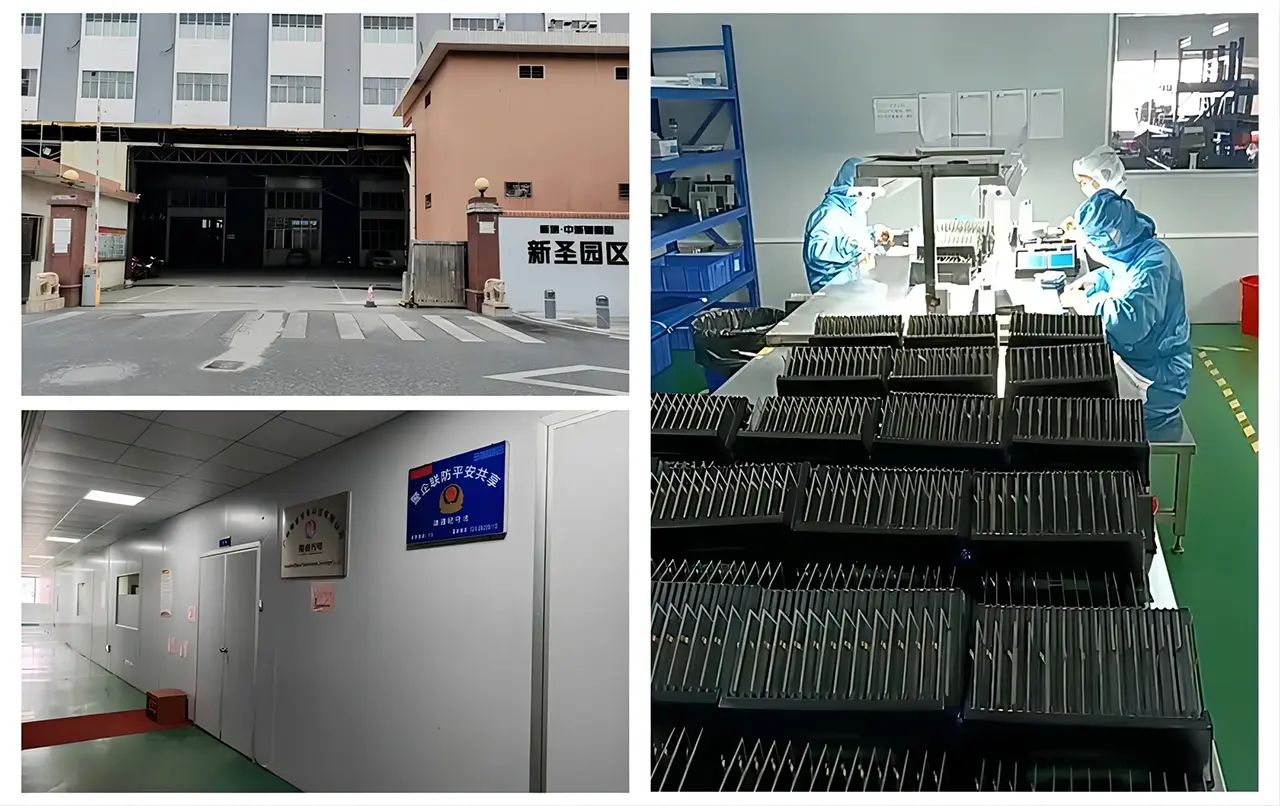
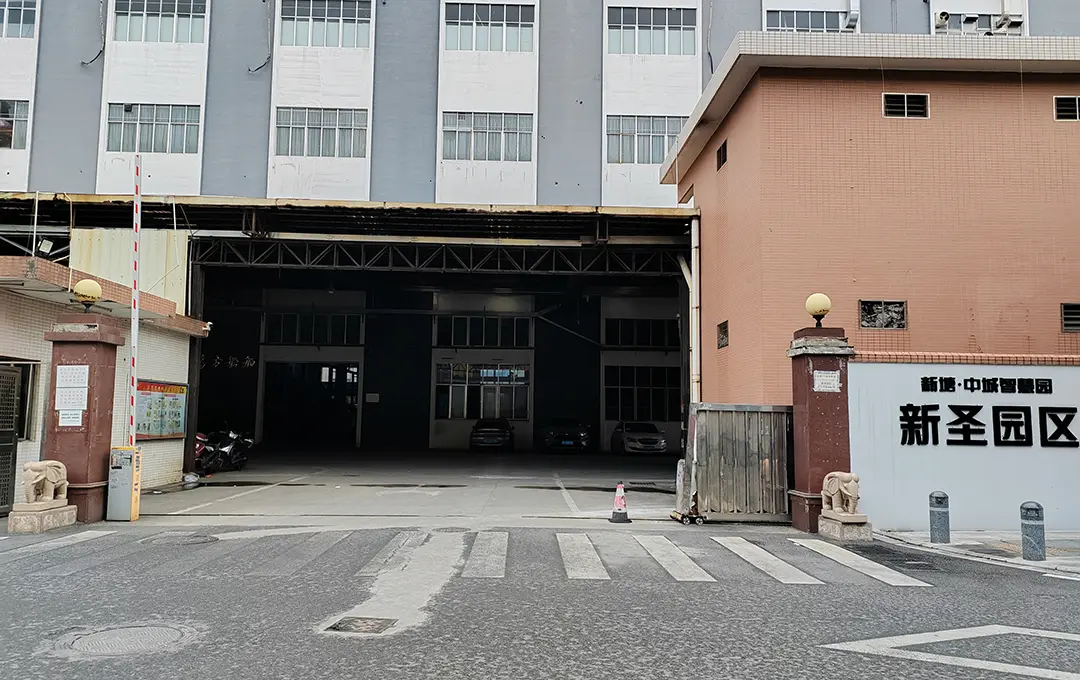
With over a decade of vertical integration, our facility addresses the rigorous requirements of critical display surfaces. By leveraging advanced CNC machining, chemical tempering, and micro-precision polishing, we ensure that every cover plate and touch sensor meets absolute optical and mechanical standards.
Built on infrastructure, verified by certifications, and scaled for global supply chains.
The total plant area of the company is about 3000 square meters, set up with dedicated R&D, Production, Marketing, Quality, Finance, Purchasing, and Human Resources departments. To meet the dust-free level requirements of varied production phases, we are equipped with class 100, class 1000, and class 10000 dust-free workshops, guaranteeing zero-contamination laminations and clean optical interfaces.
We are based on the fundamental purpose of being people-oriented, honest, pragmatic, innovative, and enterprising, promoting sincere and united partnerships. Since our establishment, we have committed ourselves to the development, research, and application of new products, new processes, and new materials, relying on a professional R&D team, rich production experience, and high-quality service.
Through the rapid evolution of capacitive and resistive touch screens, we recognized that the *cover slip* or *protective glass* is more than just a passive layer—it is the first point of user contact and the primary shield against environment stressors. Our focus has expanded into integrating chemical chemical-strengthening technologies, physical vapor deposition (PVD) coatings, and high-transmission glass technologies to provide complete assembly solutions that excel under the most challenging physical demands.
The progression of thin-substrate engineering and sensor integration.
Moving away from traditional soda-lime chemistry, high-performance covers leverage aluminosilicate formulations. This yields higher scratch resistance, a greater depth of ion-exchange layer (DoL), and superior compressive stress limits.
Applying nanoscale chemical coatings to the exterior glass slip surfaces reduces surface reflection from 4% to under 0.5%, maximizing readability in marine and high-intensity clinical environments.
Replacing the traditional air-gap construction, our Class 100 cleanroom optical bonding processes utilize Liquid Optically Clear Adhesive (LOCA) or dry film (OCA) to bond touch panels and cover slips, eliminating internal reflection.
| Performance Metrics | Standard Microscope Slides/Covers | Chemically Tempered Glass Slips | Advanced Optoelectronic Cover Glass |
|---|---|---|---|
| Base Material Type | Soda-Lime Glass | Borosilicate Glass | Aluminosilicate / Corning® Gorilla® Alternative |
| Average Transmissivity | > 90% | > 92% | > 95% (with AR Multi-layer Coatings) |
| Bending Strength (MPa) | ~ 50 - 70 MPa | ~ 150 - 200 MPa | > 600 MPa (after Ion-Exchange tempering) |
| Surface Finishes Available | Untreated (Polished) | Basic AG (Acid-etched) | Vacuum AG + AR + AF (Anti-fingerprint Oleophobic) |
| Dimensional Tolerances | ± 0.1 mm | ± 0.05 mm | ± 0.02 mm (High-precision Laser Machined) |
Advanced engineering, verified quality frameworks, and long-term partnerships.
Customer First & Timely Delivery: We operate in the spirit of reputation first, customer first, quality satisfaction, delivery on time, and good faith cooperation, aiming for hand-in-hand business development. We maintain strong, long-term partnerships with top-tier enterprises and well-known global manufacturers.
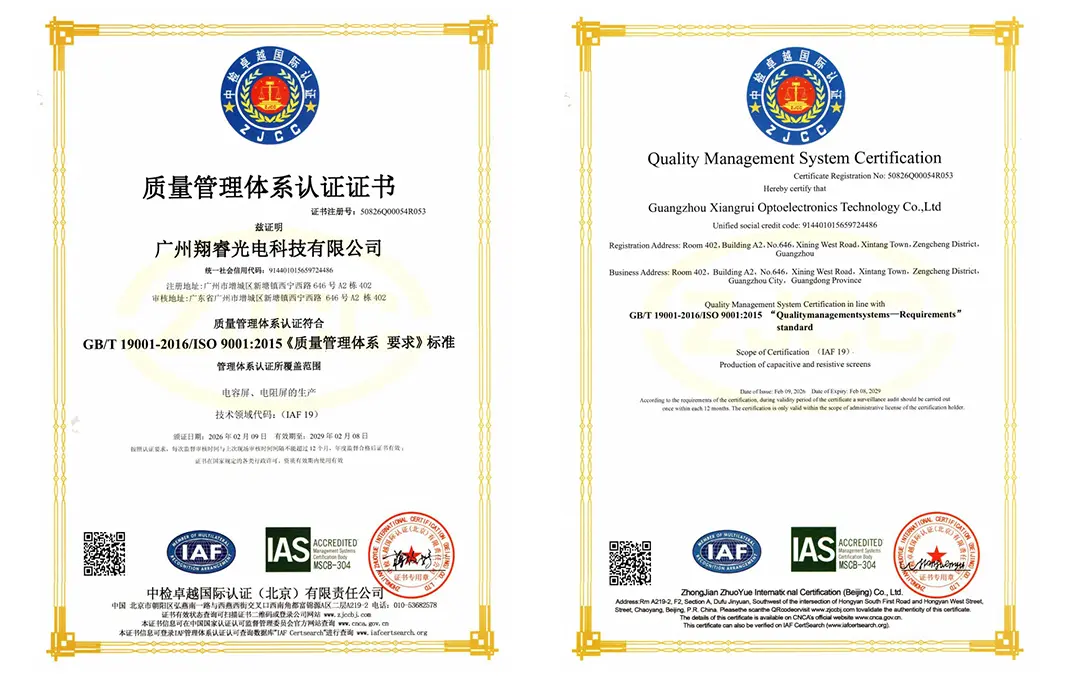
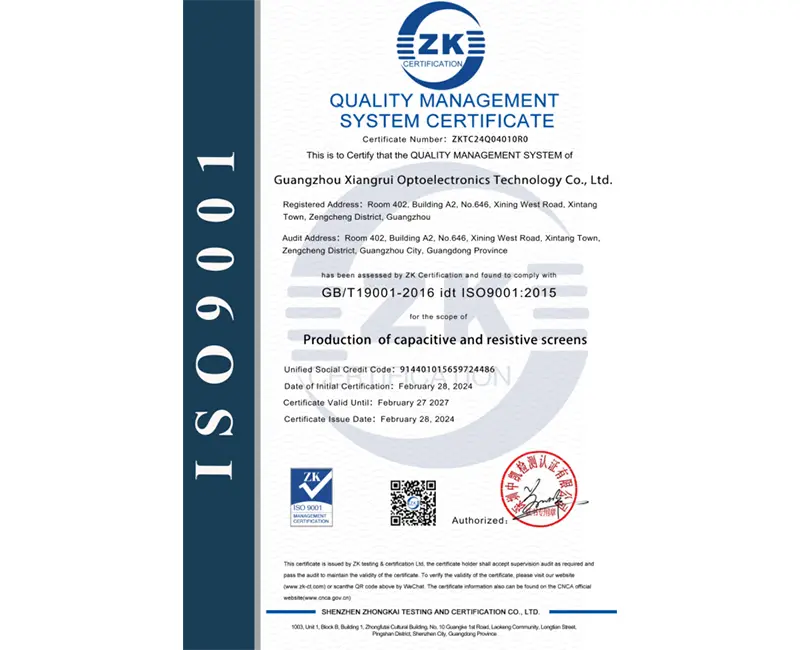
Certified Standardization (ISO 9001 & ISO 14001): We have passed ISO9001 quality management system and ISO14001 environmental management system qualification certifications. In our production process, we maintain highly standardized and regulated protocols, ensuring that products from raw materials to finished products comply with the highest global quality benchmarks.
State-of-the-Art Intellectual Property: Under the leadership of our core R&D department, we have repeatedly obtained utility model patents and invention patents, and we proudly won the title of High-tech Enterprise in Guangdong Province in 2022.
Steps involved in translating a raw glass cover slip or touch substrate into a field-ready human interface.
Choosing between soda-lime, borosilicate, and aluminosilicate depending on the environment. Ultra-thin profiles down to 0.4mm are customized and sliced utilizing CNC diamond-edge tooling or precision laser systems.
Glass is immersed in a high-temperature potassium nitrate bath ($>400^\circ\text{C}$). Sodium ions on the glass surface are replaced by larger potassium ions, creating a high compressive stress layer that dramatically increases impact resistance.
For display modules and touch panels, the resistive or capacitive Indium Tin Oxide (ITO) layers are sputtered and patterned directly beneath the glass cover slip base structure, forming the electric sensor matrix.
Under a clean, Class 100 dust-free environment, the sensor layer, cover glass slip, and backend LCD/OLED panels are unified using Optically Clear Resin. This prevents internal dust accumulation, condensation, and light loss.
Where precision cover glass slides, cover slips, and custom touch controllers interface with demanding real-world environments.
Ensuring optical consistency for pathology scanning and rugged, fluid-resistant cover layers for patient monitors. The integration of high-grade cover slips prevents imaging distortion, while IP65 touch overlays withstand rigorous chemical wipe-downs using isopropyl alcohol and sanitizers.
For factory environments facing dust, moisture, and high vibration, we produce thick, thermally tempered glass covers. When bonded with resistive or projected capacitive panels, these cover assemblies operate seamlessly under wide temperatures (-20°C to +70°C) and satisfy IK08 impact ratings.
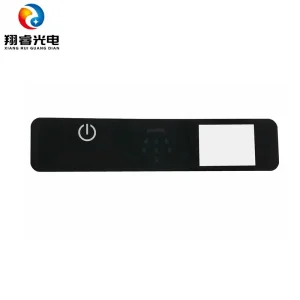
Fusing aesthetic brilliance with daily durability. Our customized cover panels feature sleek silk-screen printing, precision-machined holes for mechanical buttons, fingerprint-resistant coatings, and high-performance capacitive multi-touch controllers optimized for palm-print payment systems.
Addressing the technical considerations critical for procurement officers and R&D engineers.
Engineered to withstand harsh environments and satisfy rigorous user interface standards.
 Xiangrui Optoelectronics