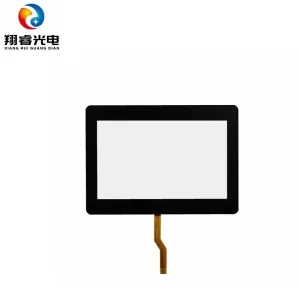
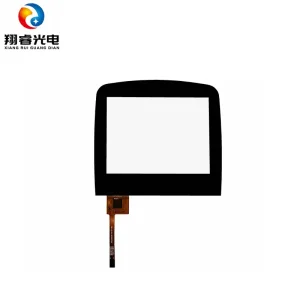
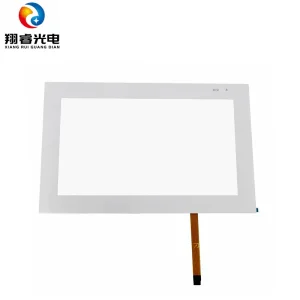
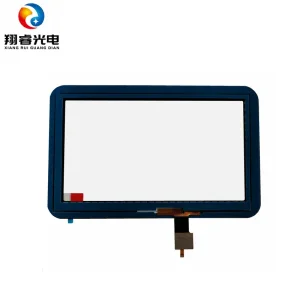
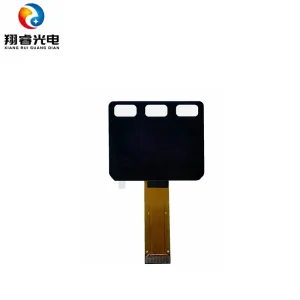
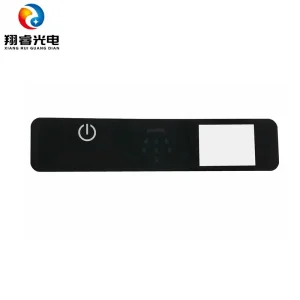
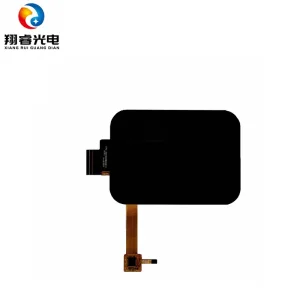
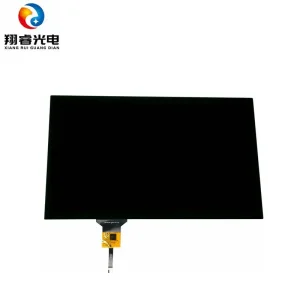
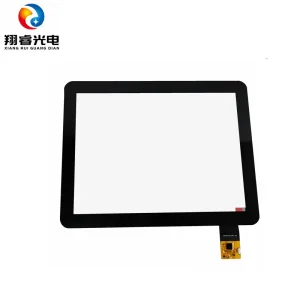
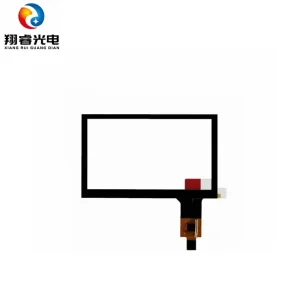
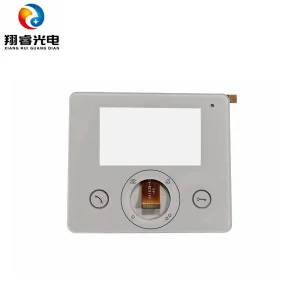
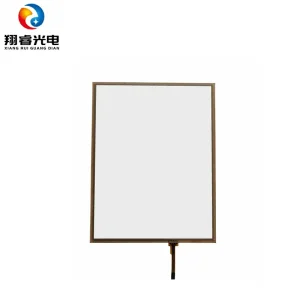
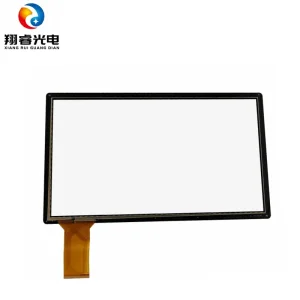
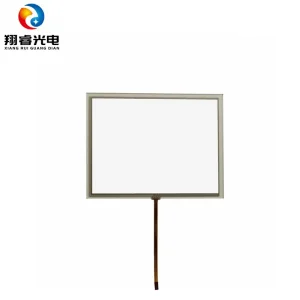
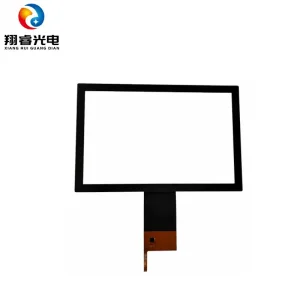
Explore our specialized range of high-performance glass covers, resistive panels, and capacitive touch systems built for industrial and biomedical grade applications.
Microbiology, histopathology, and diagnostic cytology demand an uncompromising level of optical accuracy. Microscopic glass slide cover slips act as the critical boundary interface between the sample, the mounting medium, and the microscope's objective lens system. The optical and chemical composition of this ultra-thin glass layer dictates the presence of spherical aberrations, autofluorescence, and biological compatibility.
As a dominant global manufacturing hub, China's precision glass industrial ecosystem has evolved. Leading factories leverage advanced material sciences—shifting from standard soda-lime structures to high-performance, hydrolytically stable borosilicate glass formulation. This transition ensures minimized refractive index variation and chemical resilience during aggressive staining protocols.
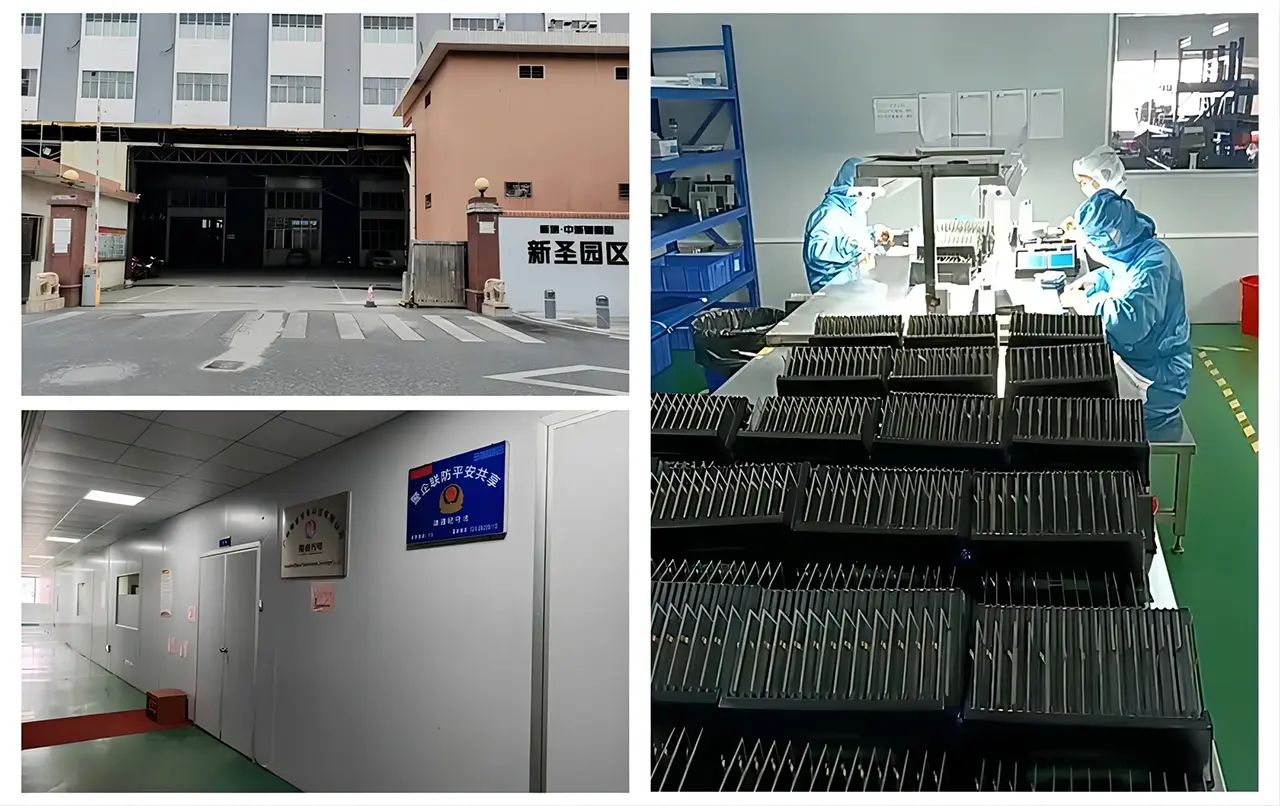
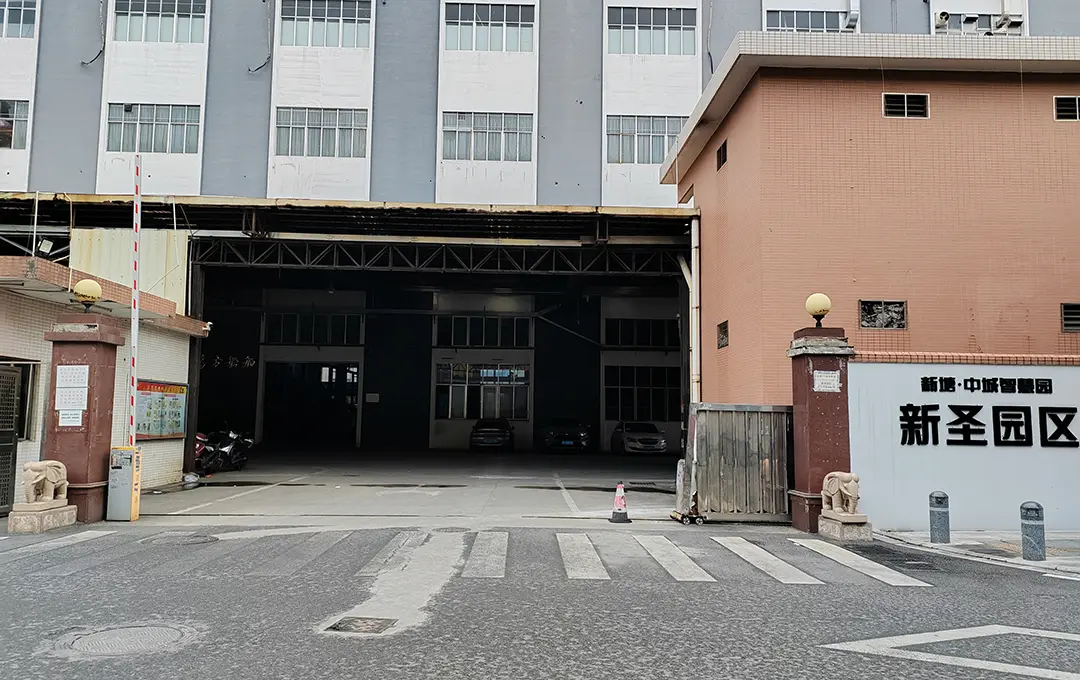
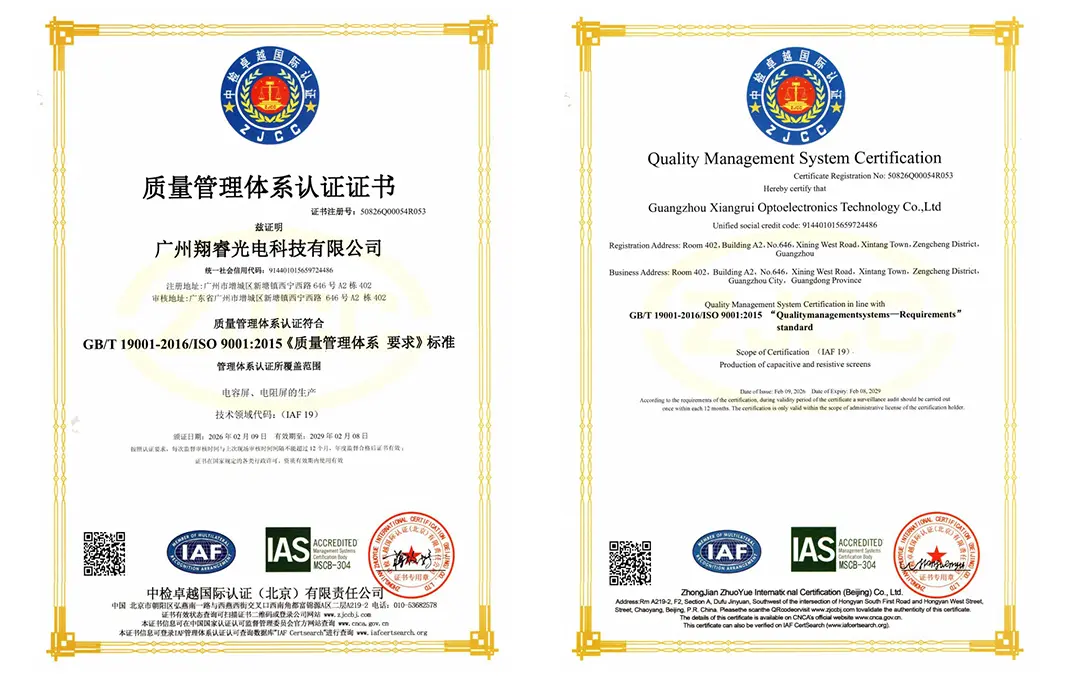
Founded in 2010 and located in Guangzhou, China, we are a company dedicated to the research and development, production, sales, and service of resistive touch panels, capacitive touch panels, cover glass, and module bonding products. We provide customized production of various touch screens, as well as OEM and ODM services. Our company has obtained the ISO 9001 and ISO 14001 certificates.
Our products and precision glass processing solutions are widely used in fields such as industrial control, medical equipment, home appliances, smart home, outdoor products, and palm print recognition payment systems. To ensure that our glass coverslips and optical components meet the demanding contamination thresholds of modern medical applications, we maintain state-of-the-art infrastructure.
The total plant area of the company is about 3000 square meters. We have structured a specialized R&D department, production department, Marketing Department, quality department, Finance department, Purchasing department, and Human resources Department. Crucially, the plant is equipped with a class 100, class 1000, and class 10000 dust-free workshop to meet the dust-free level requirements for different production processes. This setup prevents particulate contamination on thin glass, ensuring high yields and zero optical inclusions.
Understanding why leading biomedical brands choose China-based precision factories like Guangzhou Xiangrui Optoelectronics for their glass substrates.
Guangdong province hosts the world’s most dense cluster of float glass production, processing chemical suppliers, and optical testing labs. This geographical concentration reduces lead times and logistics overheads, allowing for rapid prototype changes and immediate raw material availability.
By blending robotics with specialized chemical cleaning stages, Chinese factories have scaled production without losing optical integrity. Automated glass loaders, laser cutting matrices, and optical scanning inspect for micro-cracks and thickness variations at speeds unachievable through manual systems.
Microscope cover glass must be extremely thin yet physically resilient to automated handler clamping forces. Using potassium nitrate chemical baths, we run specialized ion exchange processes that strengthen thin glass profiles, reducing breakage during transportation and high-speed automated diagnostic staging.
The operational guidelines for B2B procurement. Review the specific parameters guaranteed by our specialized glass production facilities.
| Class Parameter | Borosilicate Glass 3.3 Specs | Soda-Lime Glass Specs | Diagnostic Applications |
|---|---|---|---|
| Refractive Index (Nd) | 1.5230 ± 0.0015 | 1.5150 ± 0.0020 | High numerical aperture microscopy, oil immersion |
| Hydrolytic Resistance | HGB 1 (DIN ISO 720) | HGB 3 (DIN ISO 720) | Long term clinical slide storage, histochemical staining |
| Flatness Tolerance | < 0.10 mm per 100 mm | < 0.15 mm per 100 mm | Automated optical scanning, confocal microscopy |
| Standard Thickness #1.5 | 0.160 to 0.190 mm | 0.160 to 0.190 mm | High-magnification pathology and fluorescence research |
| Thickness Tolerances | ± 0.005 mm | ± 0.010 mm | Digital whole-slide imaging (WSI), high-throughput screening |
| Autofluorescence | Extremely Low | Moderate / Low | Fluorescence microscopy, FISH, immuno-assays |
Guangzhou Xiangrui Optoelectronics is based on the fundamental purpose of being people-oriented, honest, pragmatic, innovative, and enterprising, while maintaining sincere unity among all departments. Since our establishment, we have been committed to the development, research, and application of new products, new processes, and new materials, relying on a professional R&D team, rich production experience, and high-quality services.
Our commitment ensures that our enterprise remains competitive in fierce market conditions, achieving rapid, stable growth and expansion into international diagnostic ecosystems. We control every stage of manufacturing under ISO 9001 and ISO 14001 frameworks, ensuring that products are shipped globally with comprehensive batch tracking certificates.
Meeting the stringent international standards for clinical, research, and diagnostic medical equipment packaging.
High-quality coverslips are vulnerable to glass degradation (glass sweat) when exposed to humidity during sea transit. We address this by using tropicalized packaging: vacuum-sealed aluminum moisture-barrier bags combined with activated silica gel desiccants. Dry packaging guarantees that cover slips do not stick together and remain optically clear upon arrival.
Our processes are fully compliant with RoHS and REACH standards. By excluding heavy metals and maintaining high hydrolytic glass classes (Class HGB 1), our glass slide cover slips are safe for inclusion in complex clinical devices and diagnostic laboratory processes globally.
We supply automated coverslipper cassettes tailored for platforms like Leica, Sakura, or Roche. Our technicians align dimensions and edge beveling tolerances to prevent slide jamming, providing localized configuration assistance and custom packaging formats for large diagnostics manufacturers.
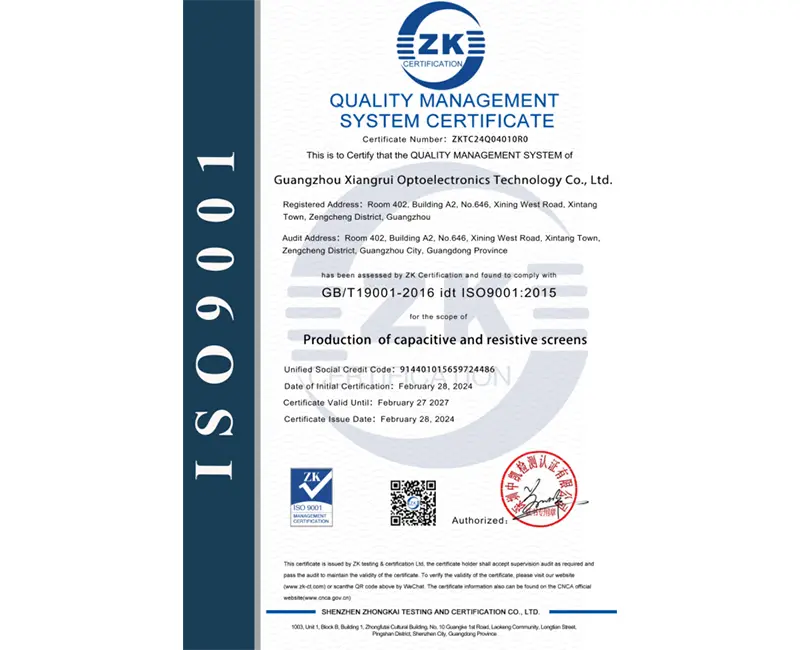
Our business philosophy is built on reputation first, customer satisfaction, on-time delivery, and good faith cooperation. We maintain long-term partnerships with leading diagnostic corporations and research institutes worldwide.
Microscopic glass slide cover slips are utilized across critical scientific disciplines, each requiring specific material traits.
AI-driven Whole Slide Imaging (WSI) systems require perfect flat-plane focus. Even minor thickness deviations in a cover slip can lead to out-of-focus fields, disrupting scanning algorithms. Our ultra-flat #1.5H cover slips are optimized for continuous autofocus platforms.
For high-contrast imaging like FISH (Fluorescence In-Situ Hybridization) or single-molecule visualization, the coverslip material must display near-zero autofluorescence. Our premium borosilicate glass formulations minimize light scatter and maximize signal-to-noise ratios.
High-throughput automated diagnostic stations place mechanical stress on glass slides and cover slips during processing. Our chemically tempered glass options resist micro-cracking and chipping, preventing instrument downtime.
Direct technical answers addressing B2B procurement requirements, glass material properties, and quality control.
Explore our specialized range of high-performance glass covers, resistive panels, and capacitive touch systems built for industrial and biomedical grade applications.
 Xiangrui Optoelectronics