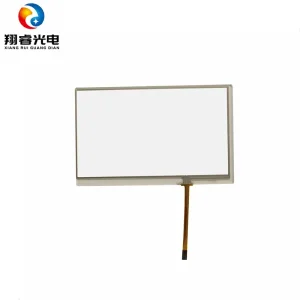
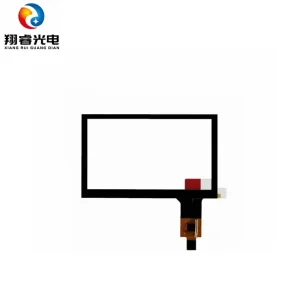
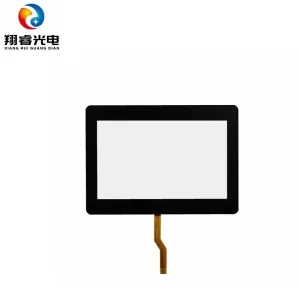
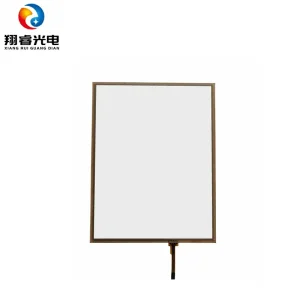
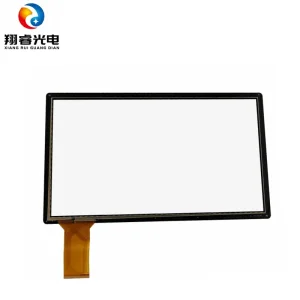
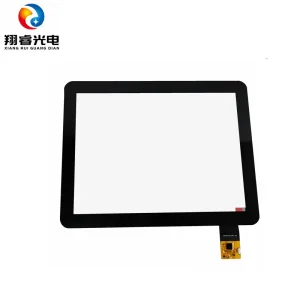
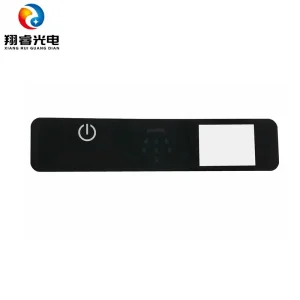
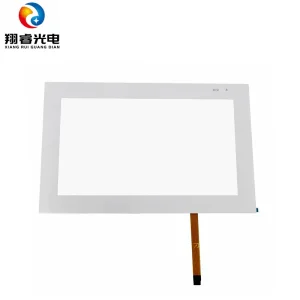
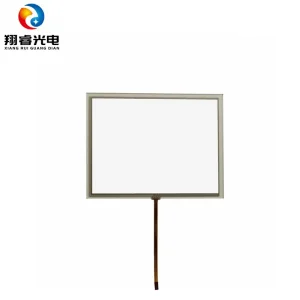
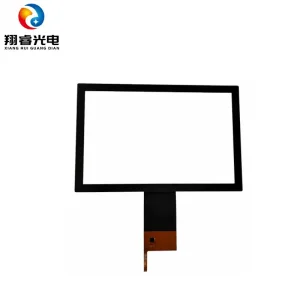
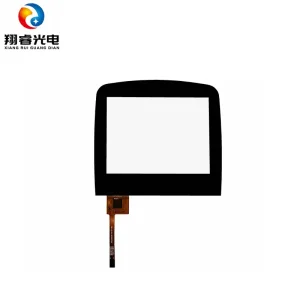
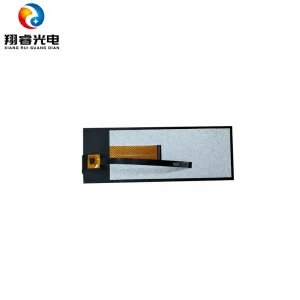
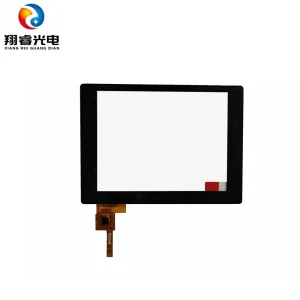
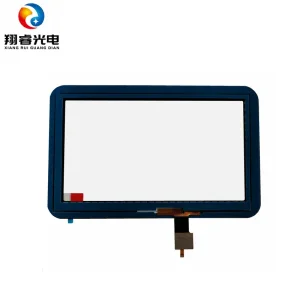
Explore our high-performance custom resistive and capacitive panels optimized for international deployment.
Founded in 2010 in Guangzhou, China, we are an industry-leading manufacturer dedicated to the research, development, production, and custom engineering of resistive touch panels, capacitive touch panels, cover glass, and complete optical bonding modules. Our factory specializes in delivering robust, high-durability human-machine interface (HMI) products designed to function seamlessly under the most demanding environmental conditions.
Equipped with a certified 3,000 square meter facility featuring Class 100, Class 1,000, and Class 10,000 dust-free workshops, we meet the absolute highest standards for optical laminations, dust prevention, and air purity. We offer complete OEM and ODM customization services, ensuring that each display satisfies localized standards, custom mounting shapes, and unique mechanical tolerances for diverse international applications.
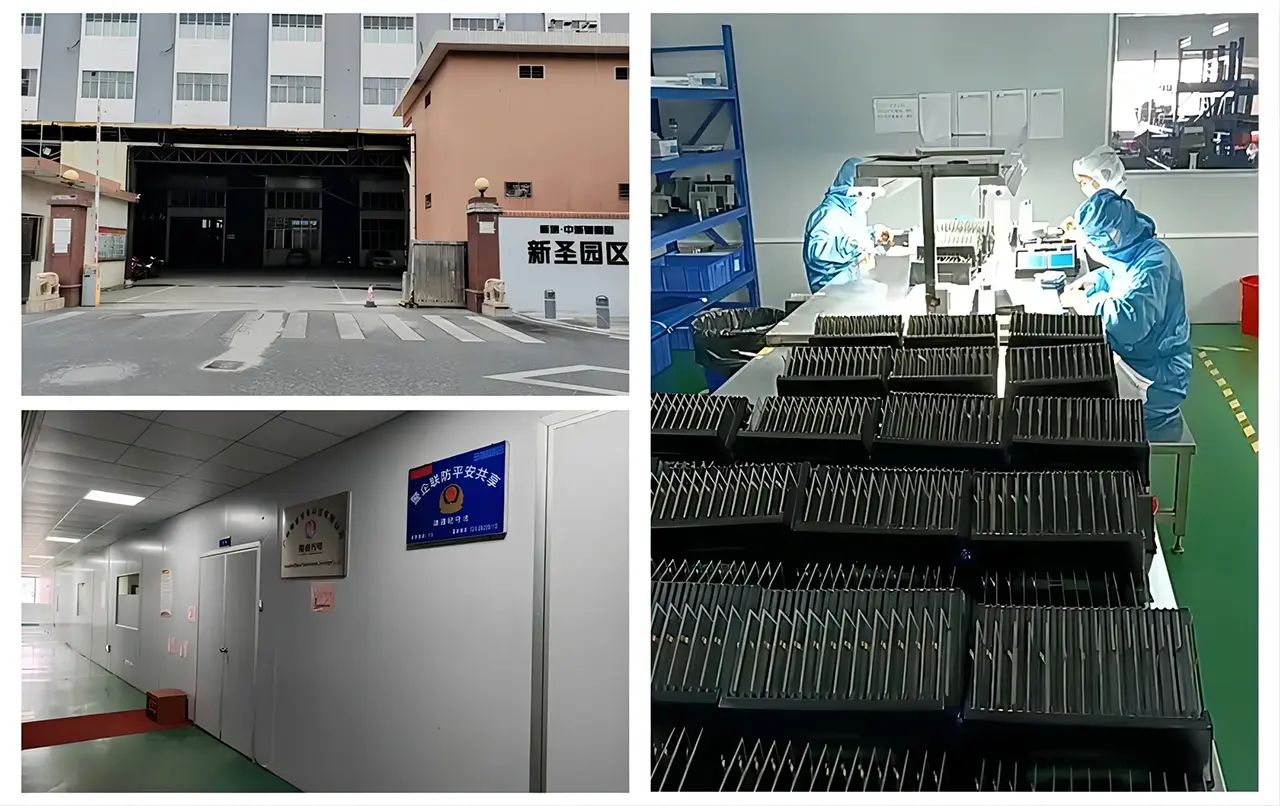
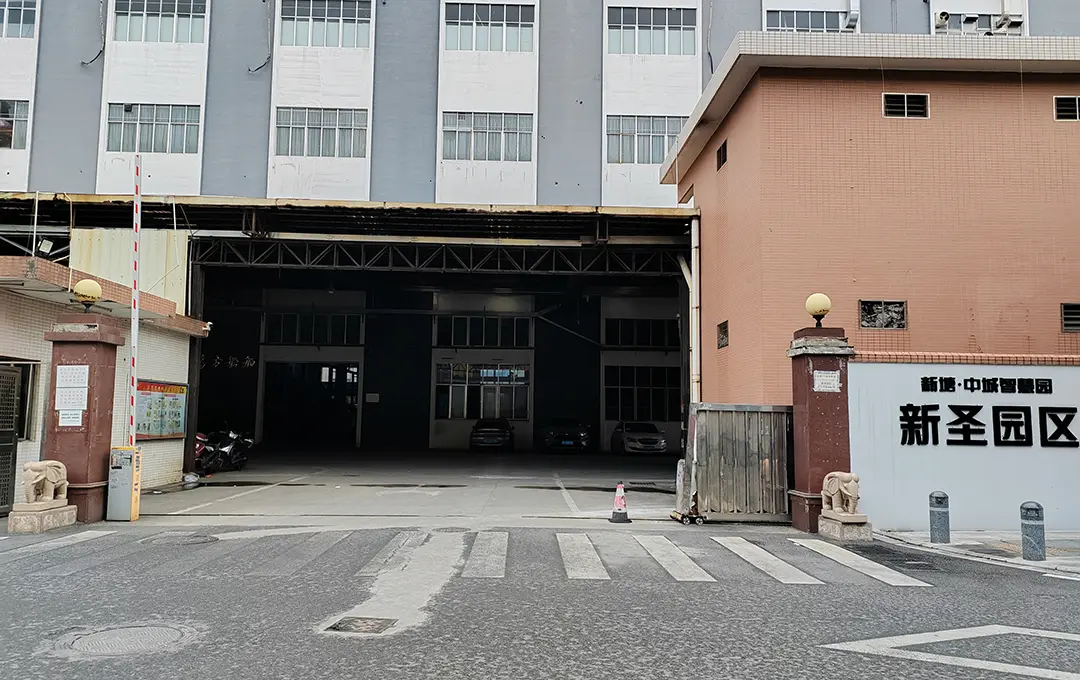
How our strategic location and integrated ecosystems translate to superior cost performance, quality, and delivery speed.
Based in Guangzhou, the industrial heart of Southern China, we source premium Indium Tin Oxide (ITO) films, specialized optical adhesive layers (OCA/OCR), and chemically strengthened soda-lime or aluminosilicate cover glass locally. This direct access drastically reduces material lead times and insulates our clients from global supply shocks.
By leveraging automated precision silk-screening, high-accuracy laser patterning, and automatic FPC bonding systems, we maintain consistent high-yield runs. Our production scalability enables us to easily transition from small, specialized custom prototype batches to high-volume container runs for global consumer and industrial OEMs.
Our localized manufacturing efficiencies permit optimal pricing matrices without sacrificing component longevity. We implement lean assembly processes and zero-defect QA policies to minimize waste. This enables international buyers to maximize their engineering budgets while acquiring military-grade physical screen configurations.
A technical analysis of resistive touch architectures, operational principles, and selection criteria for harsh deployment environments.
Resistive touch screens are pressure-actuated sensors composed of two thin, conductive layers separated by tiny, insulating spacer dots. The outer layer (typically a flexible PET film with an internal ITO coating) is pressed into contact with the bottom layer (typically a rigid glass substrate coated with ITO) to create a voltage drop at the point of contact. This voltage gradient is evaluated by the system controller to determine the exact coordinates (X, Y).
Key Construction Variants:
| Feature/Criterion | Resistive Touch | Capacitive (PCAP) |
|---|---|---|
| Input Method | Gloves, Stylus, Fingertips, any hard object | Bare finger, conductive glove/stylus |
| EMI Resistance | Immune to electrical noise/EMI | Susceptible; requires controller tuning |
| Water & Fluid Tolerance | Unaffected by surface water or oils | Fluids can cause false touch inputs |
| Durability Profile | High (especially with GFG configurations) | Extremely high (scratch resistant glass) |
| Typical Applications | Industrial control, CNC machinery, medical | Kiosks, automotive, consumer, outdoor |
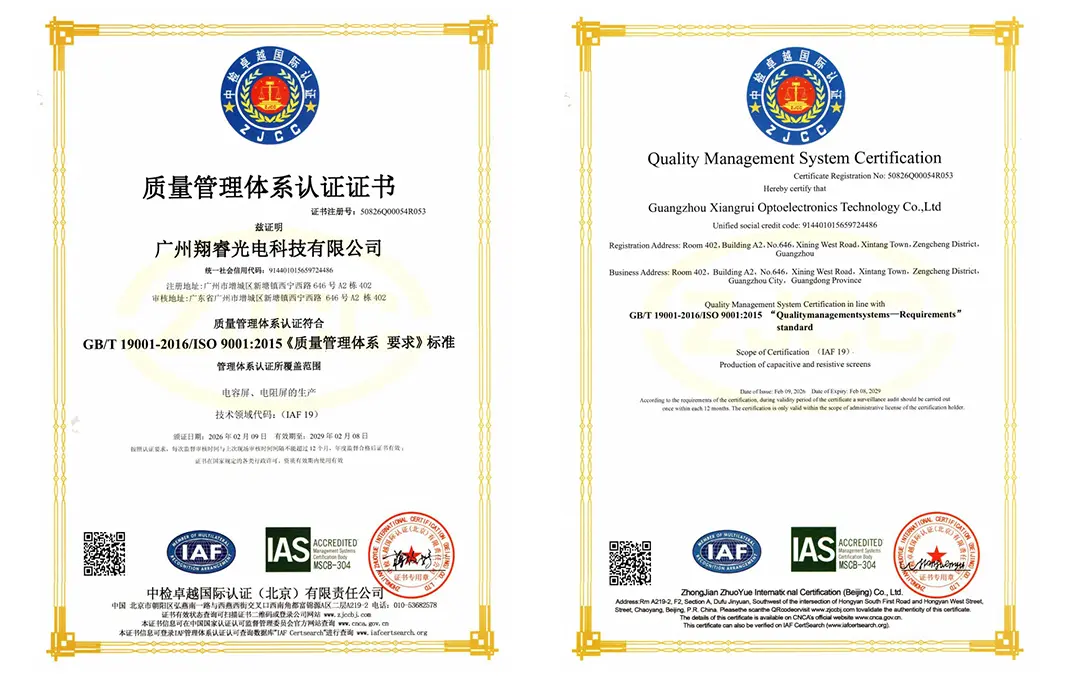
We strictly operate under ISO 9001:2015 for quality management and ISO 14001:2015 for environmental safety. This dual-certified framework guides our operations from initial raw material intake audits to post-assembly testing. To guarantee seamless deployment across North American, European, and Asian markets, all products comply with RoHS, REACH, CE, and FCC regulatory mandates.
Every resistive panel undergoes extensive testing before shipment, including thermal cycling stress tests (-40°C to +85°C), relative humidity testing (up to 95% at 60°C), and activation life cycles (exceeding 35 million mechanical actuations per point). Our engineering team works directly with clients to optimize controller interfaces (USB, RS232, I2C), glass thicknesses, and surface finishes (Anti-Glare, Anti-Reflective, Anti-Fingerprint) to resolve real-world deployment challenges.
Combining world-class engineering, premium materials, and complete customer-focused OEM/ODM flexibility.
We prioritize long-term performance above all. By utilizing high-purity silver pastes for bus bar routing, premium optical-grade PET protective films, and stable micro-spacer layouts, we prevent common resistive failures such as coordinate drift and premature wear.
We build our touch interfaces to fit your mechanics. Custom elements include glass dimensions, flex cable (FPC) tail exits, tail lengths, special shield tail designs for EMI containment, customized chemical treatments, and precision silk-screened bezels.
Our Class 100 clean benches and Class 1,000 / Class 10,000 dust-free workshops prevent even the smallest airborne particles from contaminating optical interfaces during lamination. This guarantees exceptional screen optical clarity and maximum sensor sensitivity.
Key technical and procurement insights for engineers, developers, and sourcing managers.
Unlike projected capacitive (PCAP) screens that rely on measuring electrical capacitance variations and are susceptible to external electromagnetic noise, resistive touch screens rely on physical mechanical contact to establish touch coordinates. This makes resistive panels inherently immune to high-frequency EMI, electric motors, power supplies, or welding machinery commonly found in heavy industrial settings.
Yes. Our wide-temperature industrial-grade resistive touch panels are specifically engineered to withstand extreme climates, maintaining reliable operation in ambient environments ranging from -30°C up to +85°C. For harsh environments, we recommend a Glass-Film-Glass (GFG) construction to prevent the outer PET layer from expanding or contracting in variable thermal conditions.
Air bonding mounts the touch screen to the LCD module using double-sided tape along the perimeter, creating a small air gap. Optical bonding injects an optical-grade liquid adhesive (OCR) or solid sheet (OCA) to fill this gap. Optical bonding improves optical clarity by eliminating internal light reflection, increases impact resistance, and prevents dust or condensation from forming in humid environments.
We provide extensive options for OEM and ODM projects, including chemically strengthened cover glass thicknesses (0.7mm to 10mm), custom FPC tails, and special surface properties such as Anti-Fingerprint (AF), Anti-Reflective (AR), and Anti-Glare (AG). We also design custom silkscreened border colors and logos, offering complete IP65-rated front bezel integrations.
Our entire facility operates under ISO 9001:2015 quality management and ISO 14001:2015 environmental standards. All manufactured touch assemblies undergo 100% cosmetic inspection, functional electrical testing, and environmental stress verification. We offer full material traceability and raw component compliance documentation (RoHS and REACH) for international shipments.
Industrial clients require product lifetimes of 5 to 10+ years. We secure stable, long-term supplies of critical components (conductive films, controller chips, and adhesives). When component obsolescence occurs, our R&D department sources compatible alternatives and manages form-fit-function validation to minimize the need for complete redesigns on your end.
Engineered for seamless system integration, featuring IP65 rating options and robust wide-temperature range operations.
 Xiangrui Optoelectronics