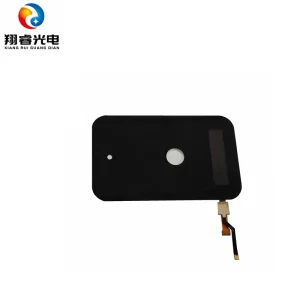
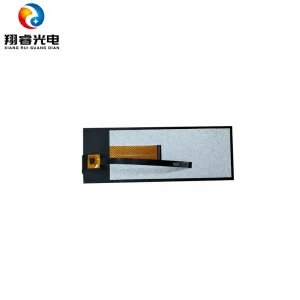
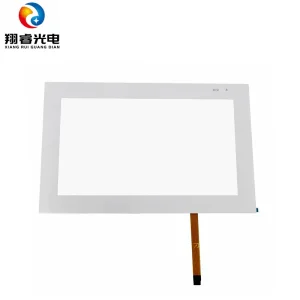
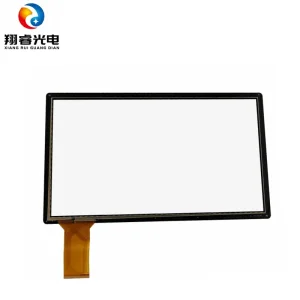
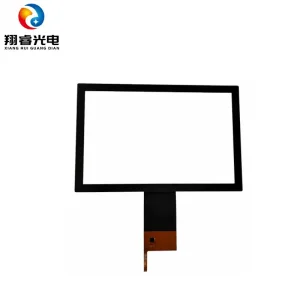
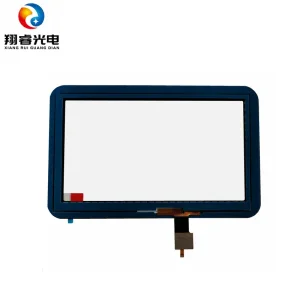
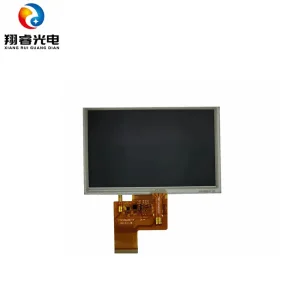
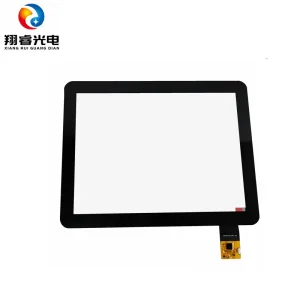
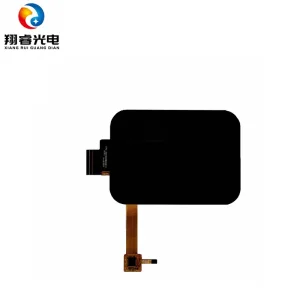
Explore our premium capacitive touch panels, optical bonding solutions, and wide-temperature industrial control modules.
The global industrial paradigm is undergoing an unprecedented shift. Traditional electromechanical interface components—specifically traditional mechanical round push buttons—are rapidly transitioning to intelligent, solid-state, capacitive touch-based round buttons, micro-HMI modules, and optically bonded touch screens. As key control elements, modern interface devices are no longer merely open-or-close mechanisms; they are interactive endpoints embedded with intelligence, ESD resistance, and complex feedback loops.
Guangzhou Xiangrui Optoelectronics Technology Co., Ltd. sits at the heart of this transition. By engineering and supplying sophisticated capacitive touch switches, customized round control panels, and high-reliability cover glass configurations, we support crucial system integration across medical apparatus, modern smart homes, transportation consoles, and high-frequency palm-print recognition checkout platforms.
"The transition from mechanical friction points to capacitive solid-state round button interfaces reduces component degradation to zero, effectively eliminating maintenance-heavy duty cycles."
Why modern operations demand a shift from standard mechanical switches to touch-sensitive round button interfaces.
Traditional mechanical switches feature micro-gaps that permit dust, moisture, and chemical agents to seep into the internal contact points. Our solid-state capacitive round touch buttons utilize continuous glass covers, achieving unmatched ingress protection.
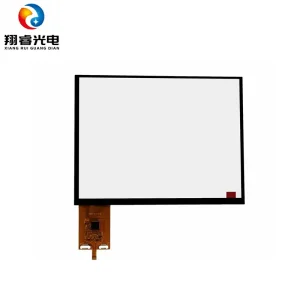
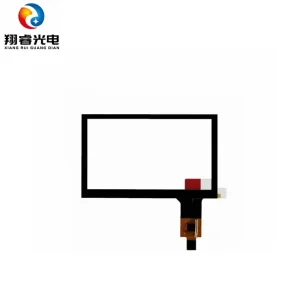
By filling the internal air-gaps between the cover glass and the touch sensor or display module using Liquid Optically Clear Adhesives (LOCA), we prevent internal condensation, increase structural rigidity, and maximize readability under high ambient sunlight.
Standard components fail when operators wear heavy gloves or when water spills across the screen. Guangzhou Xiangrui solves this via customized firmware tuning, allowing consistent touch sensitivity adjustments according to your specific environment.
Internationally, heavy machinery, chemical processing, automated pharmaceuticals, and outdoor retail terminals demand HMI interfaces that endure millions of activations. Mechanical fatigue limits conventional round switches to roughly 100,000 to 500,000 operations. Our optical bonding capacitive touch button systems remove mechanical abrasion points entirely, enabling over 50,000,000 activations without calibration degradation. This translates directly to minimized downtime and lower total cost of ownership (TCO) for automated warehouses, plant managers, and high-frequency commercial system providers.
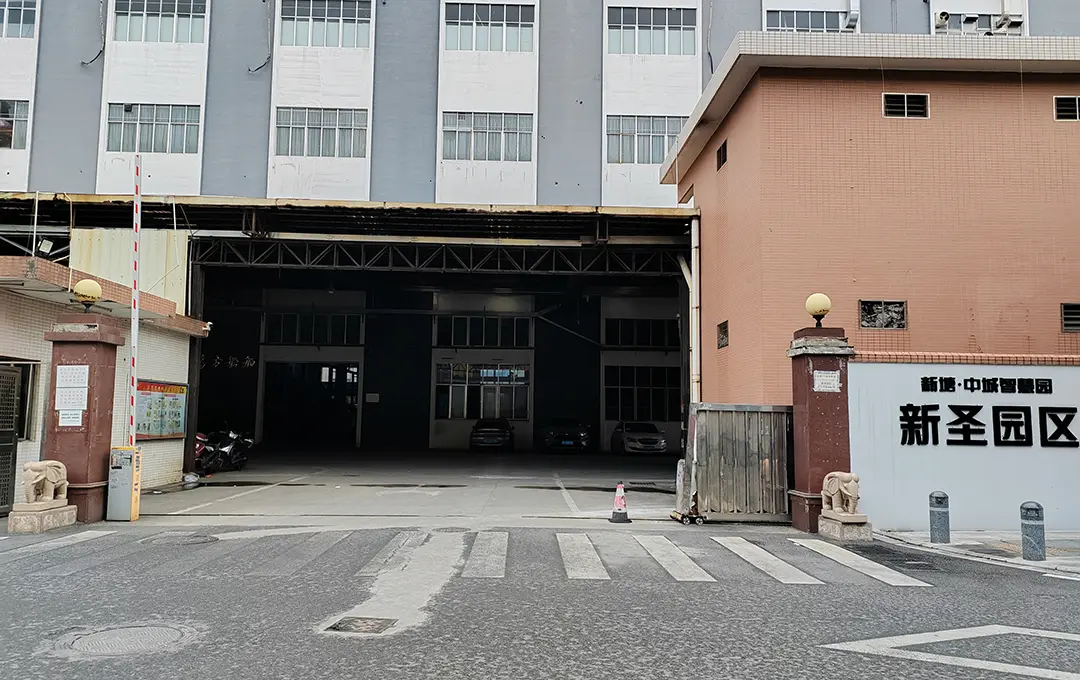
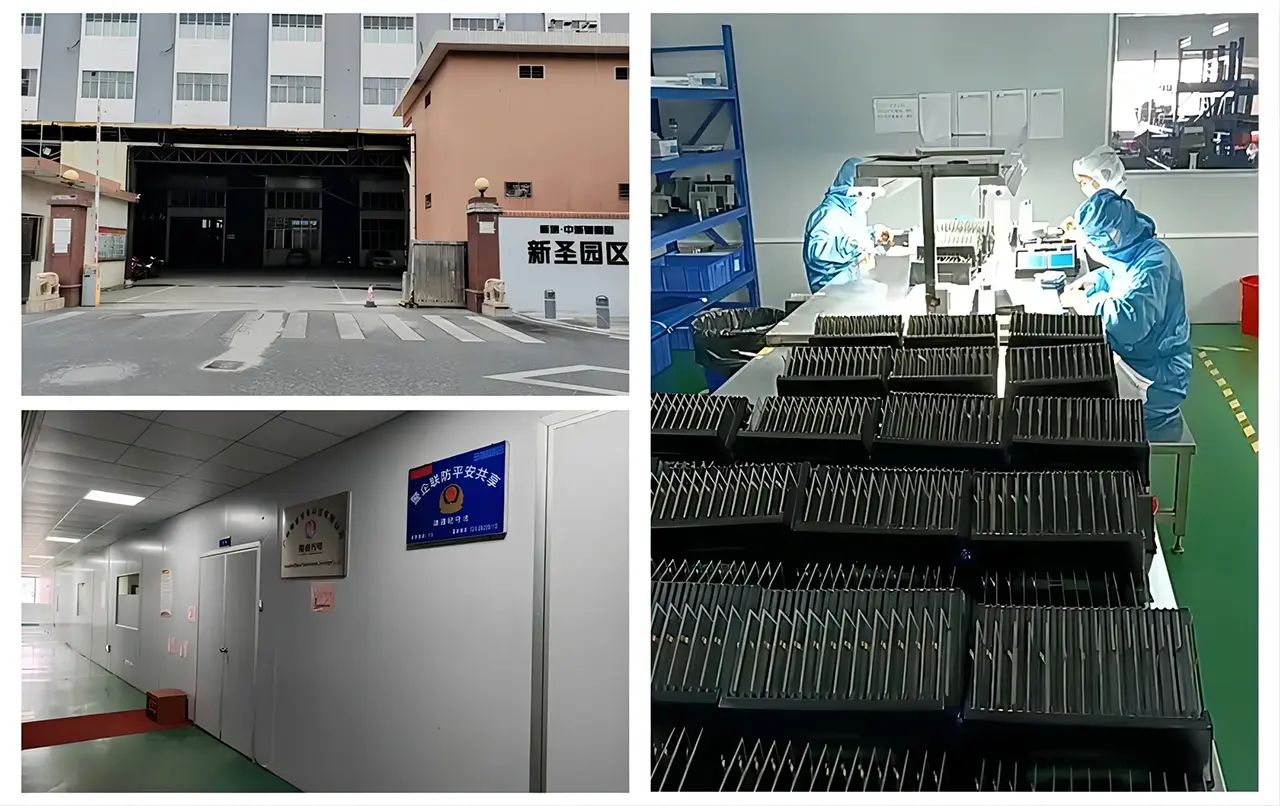
Founded in 2010 in Guangzhou, China, Guangzhou Xiangrui Optoelectronics Technology Co., Ltd. has established itself as an authoritative leader in the research, development, production, and custom manufacturing of high-performance resistive touch panels, projected capacitive touch panels, cover glass, and module optical bonding configurations.
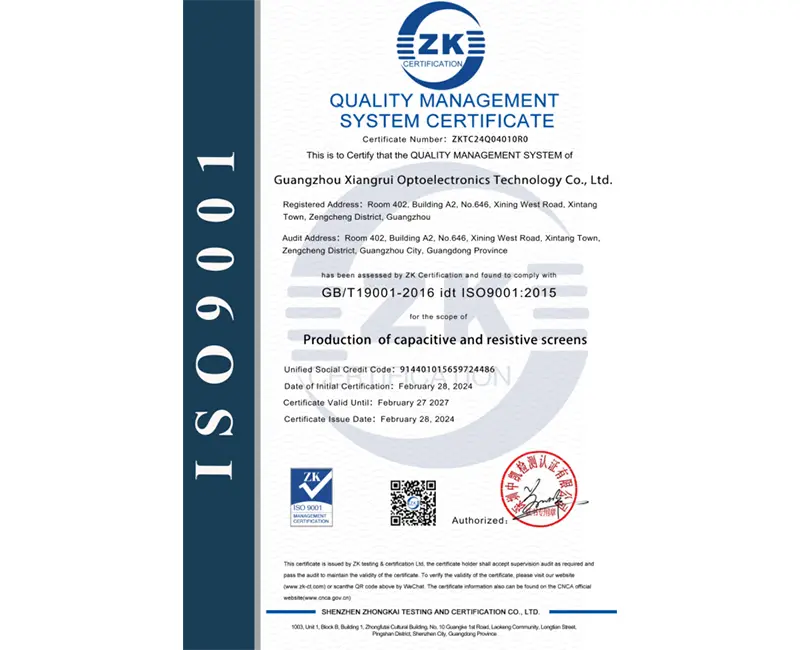
Covering an expansive 3,000 square meter facility, our plant integrates advanced dust-free manufacturing. We support Class 100, Class 1,000, and Class 10,000 dust-free workshops to fulfill the stringent particulate control required for optical bonding and sensor patterning. Operating under strict global quality and environmental mandates, we hold verified ISO 9001 and ISO 14001 certifications. Our engineering department drives continuous innovation, possessing more than 30 national patents and utility model recognitions. To date, our custom-designed touch solutions have been exported to over 40 countries, enabling seamless Human-Machine Interactions across continents.
Why global procurement managers, system integrators, and industrial engineers choose Guangzhou Xiangrui as their primary touch module partner:
How our capacitive touch button matrices and custom panels solve key design problems across primary industries.
Medical environments require aggressive chemical sanitation. Traditional mechanical switches allow liquids to seep under the buttons, causing electronics to fail. Our continuous glass capacitive overlay enables medical-grade IP65/IP67 sealing, tolerating frequent sanitization with isopropyl alcohol and bleach.
Workshops are plagued by oil film, particulate matter, and intense vibrations. Guangzhou Xiangrui manufactures wide-temperature capacitive touch panels and resistive overlays that operate flawlessly between -30°C and +85°C, ensuring safe machinery operation even under heavy mechanical shocks.
Unattended payment stations require high impact resistance (IK10 ratings) and bright sun readability. Our cover glass engineering employs chemically tempered materials, anti-glare (AG), anti-reflective (AR), and anti-fingerprint (AF) coatings to deliver durable outdoor performance.
Discover how Guangzhou Xiangrui is shaping the next decade of human-machine interaction systems.
Integrating localized piezoceramic vibrators within round capacitive button frames. This yields the tactile feedback of mechanical switches while maintaining the seal integrity of touch panels.
Deploying permanent molecular silver-ion coatings onto the outer cover glass. This ensures sanitization for medical and high-volume public ticketing stations.
Expanding manufacturing lines to include flexible touch matrices on PET/PI films. This allows seamless integration into three-dimensional, curved control dashboards.
In global electronic manufacturing, supply chain continuity and compliance are critical. At Guangzhou Xiangrui, we address import risks directly by aligning our procedures with international standards. All raw cover glass materials, sensor arrays, flexible printed circuits (FPCs), and controller chipsets are fully compliant with RoHS Directive 2011/65/EU and REACH. This ensures overseas customers face no customs clearance barriers in the European Union or North America.
Our localized support strategy extends beyond standard documentation. We provide dedicated engineering channels to assist with mounting configurations, firmware updates, and USB/I2C/RS232 interface testing. By utilizing top-tier capacitive controller ICs (such as EETI, Ilitek, and FocalTech), we ensure long-term availability for our custom product matrices. This approach reduces design-in cycles and shields your production pipeline from sudden component obsolescence.
Find technical answers about capacitive buttons, optical bonding, and custom touch technologies.
Yes. By tuning the sensitivity parameters within the controller IC firmware (such as EETI or Ilitek chipsets) and adjusting the capacitive threshold, our touch buttons can detect finger proximity through nitrile, latex, leather, and heavy thermal work gloves. We optimize this during the prototype design stage based on your specific requirements.
Optical bonding eliminates the air gap between the cover glass and the sensor/LCD. This prevents internal condensation and dust buildup, improves impact resistance, and enhances screen contrast under bright sunlight by minimizing light reflections.
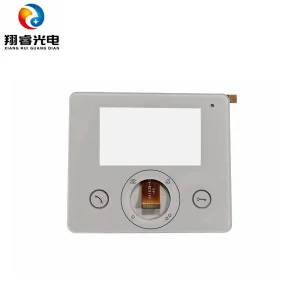
Absolutely. We specialize in custom OEM and ODM services. We can CNC-cut cover glass to match specific physical dimensions, machine round buttons or curved profiles, print custom corporate logos, and create customized icons on border graphics.
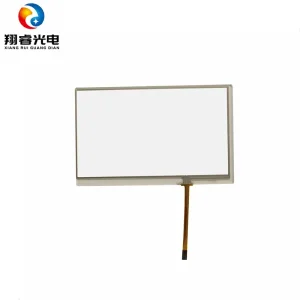
Resistive touch panels rely on pressure activation, meaning they can be operated by any tool, stylus, or thick glove. Capacitive touch panels rely on electrical conductivity, providing better durability, clarity, and multi-touch support. We manufacture both technologies to suit your specific requirements.
For custom cover glass or touch sensor prototypes, the typical design engineering cycle is 2 to 3 weeks. Once the design drawings are approved, tooling fabrication and prototype assembly are completed in approximately 3 to 4 weeks, depending on design complexity.
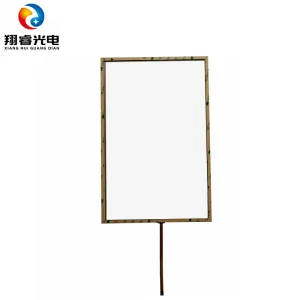
Explore our highly durable resistive touch components, custom touch button layers, and high-performance capacitive panel assemblies.
 Xiangrui Optoelectronics