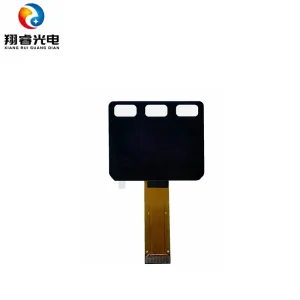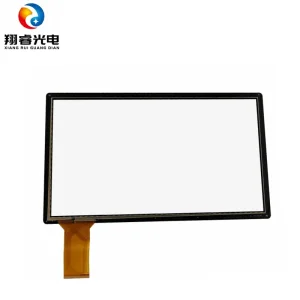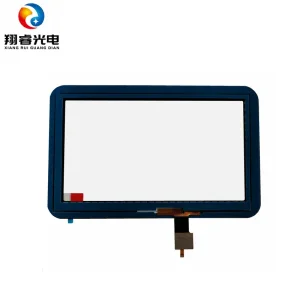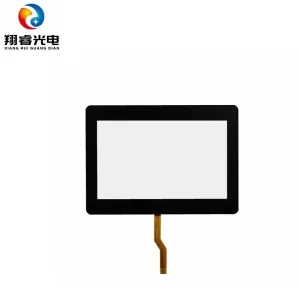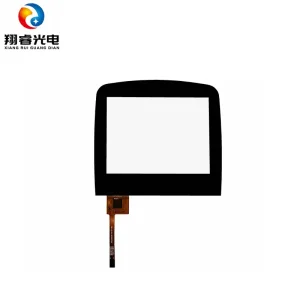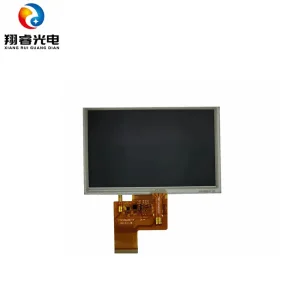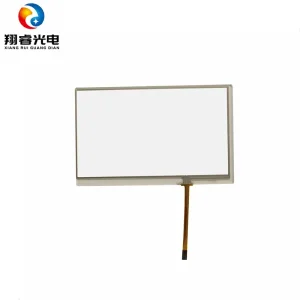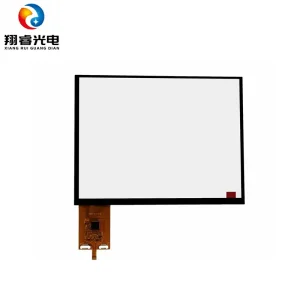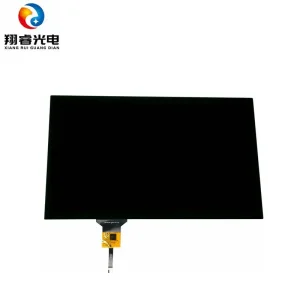
Across North American and European industrial hubs, the shift toward IoT integration requires interactive screens to manage complex data arrays while remaining resilient under harsh physical conditions. From manufacturing assembly lines to clinical medical displays, these screens must deliver consistent performance despite exposure to cleaning solutions, mechanical vibrations, high humidity, and electrical noise. As a leading manufacturer, we address these technical challenges by integrating specialized controller architectures, high-durability cover glasses, and precision lamination technologies to maintain high operational performance.
In addition to physical durability, modern supply chains require flexible customization. Industrial OEMs no longer source generic off-the-shelf components. Instead, they require specific optical treatments, customizable tail configurations, tailored controller IC firmware, and specialized cover lenses. This shifting demand requires direct collaboration with specialized touch screen factories that offer engineering expertise alongside mass-production capabilities. Standardizing on robust design baselines allows custom display suppliers to streamline product certifications and shorten time-to-market for complex industrial projects.
The expansion of Industry 4.0, smart cities, and medical device regulations is accelerating the transition from legacy mechanical keys to high-durability, IP-rated touch interfaces.
Modern industrial settings feature high concentrations of EMI. Specialized touch controllers are tuned to reject high-frequency ambient noise from adjacent machinery.
From cold storage facilities to petrochemical installations, high-performance touch screens are optimized to function continuously across temperatures ranging from -30°C to +85°C.
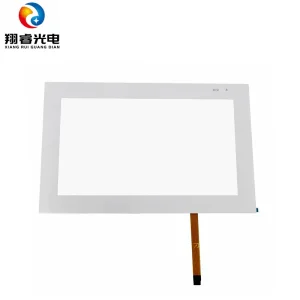
Founded in 2010 and located in Guangzhou, China, Guangzhou Xiangrui Optoelectronics Technology Co., Ltd. is a dedicated enterprise specialized in the research, development, production, and global distribution of high-durability resistive touch panels, capacitive touch panels, customized cover glass, and complete optical/frame bonding modules. We provide comprehensive OEM and ODM services, catering to tailored physical and mechanical layouts.
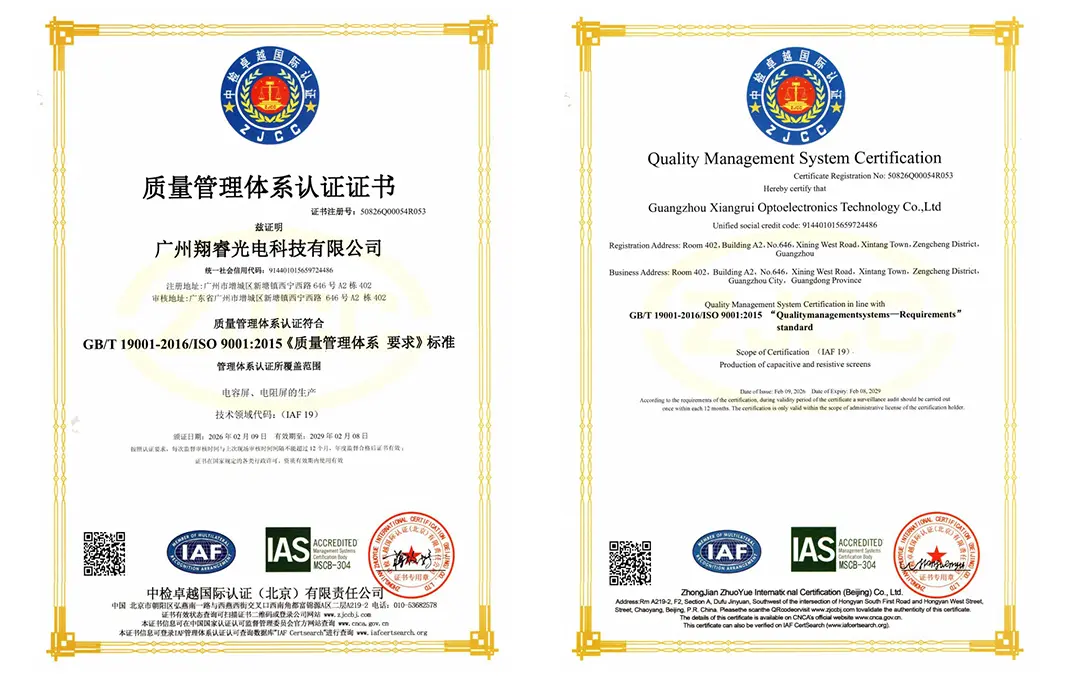
Our commitment to rigorous manufacturing protocols is validated by our ISO 9001:2015 and ISO 14001:2015 certifications. Our products are widely utilized across complex sectors, including heavy industrial control, specialized medical equipment, modern home appliances, outdoor automation terminals, and secure palm-print recognition payment systems.
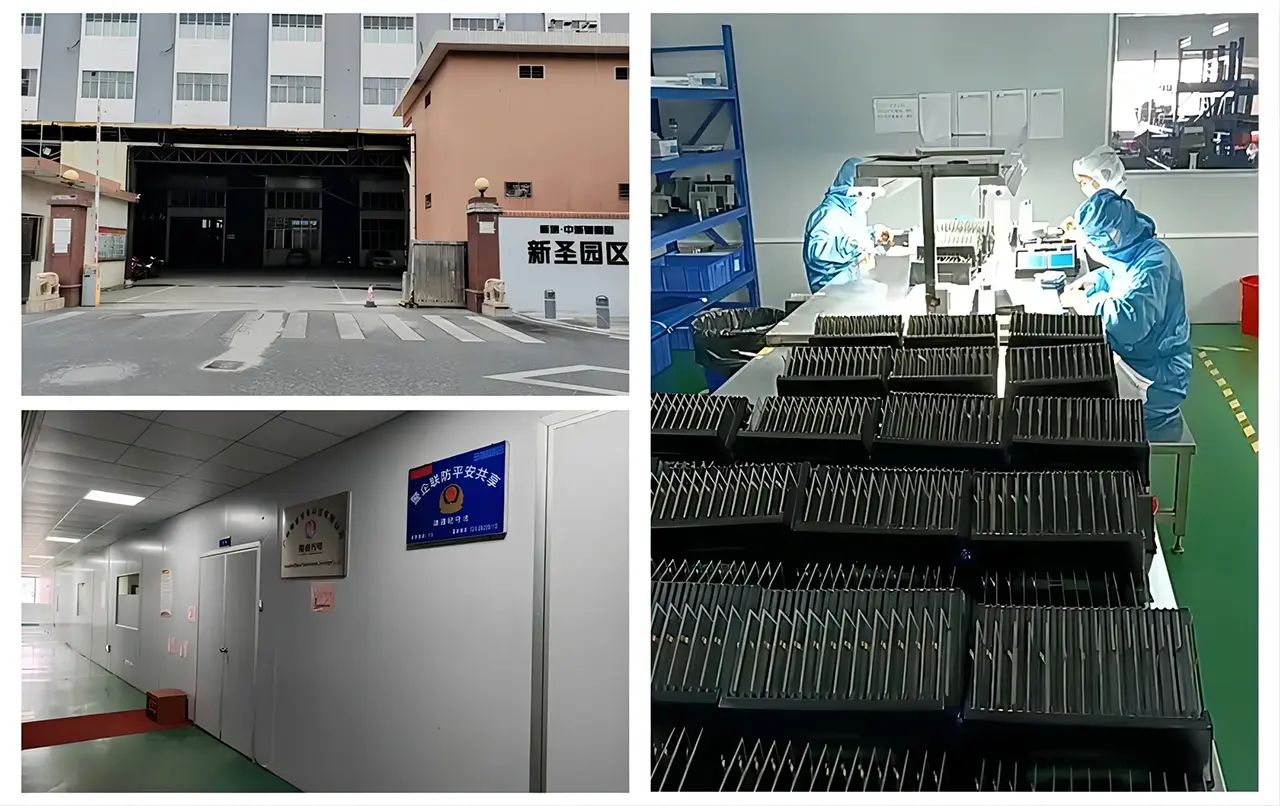
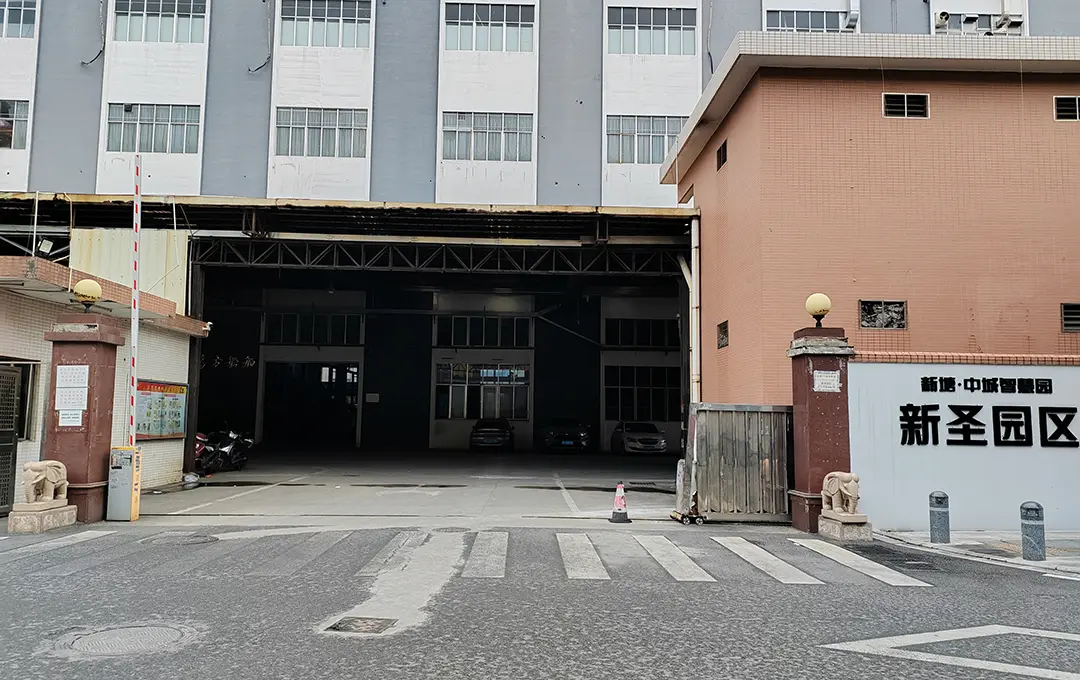
To support high-yield precision manufacturing, our facility spans a total area of approximately 3,000 square meters. The plant operates specialized dust-free cleanrooms categorized under Class 100, Class 1,000, and Class 10,000 standards. These controlled environments ensure the high-yield manufacturing required for optical-grade bonding and cover glass assembly.
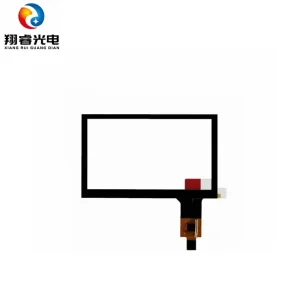
PCAP touch panels operate by sensing the minute electrical changes generated by human touch. We utilize high-sensitivity sensor patterns etched onto glass substrates (Glass-on-Glass, or GG structures) or film structures (Glass-Film-Film, or GFF). The touch coordinate detection is processed by high-frequency controller ICs (such as EETI, Ilitek, and FocalTech) which filter electrical noise and handle multi-touch gestures.
For demanding applications, our custom PCAP controllers support gloved operation (using heavy leather, latex, or nitrile gloves) and remain functional in wet environments by integrating firmware algorithms that distinguish water droplets from actual touch inputs.
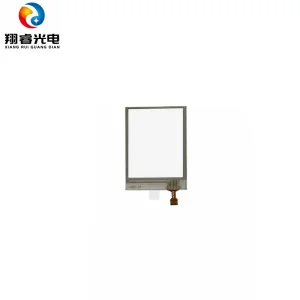
Resistive touch screens rely on physical pressure to bring two conductive layers into contact. This technology is highly cost-effective and remains a reliable choice for environments with high electrical noise or where non-conductive styluses are required. Our 4-wire and 5-wire resistive options feature robust construction to withstand repetitive mechanical activations.
We apply hard coatings (up to 3H) to the outer polyester film layers of our resistive panels to prevent scratching, preserving long-term optical clarity and performance in dusty industrial environments.
The method used to join the touch panel to the LCD module significantly impacts both optical clarity and mechanical durability:
For applications with challenging lighting conditions, we apply specialized chemical treatments to the cover glass:
We focus on product reliability and timely deliveries, establishing long-term partnerships with leading domestic and international brands.
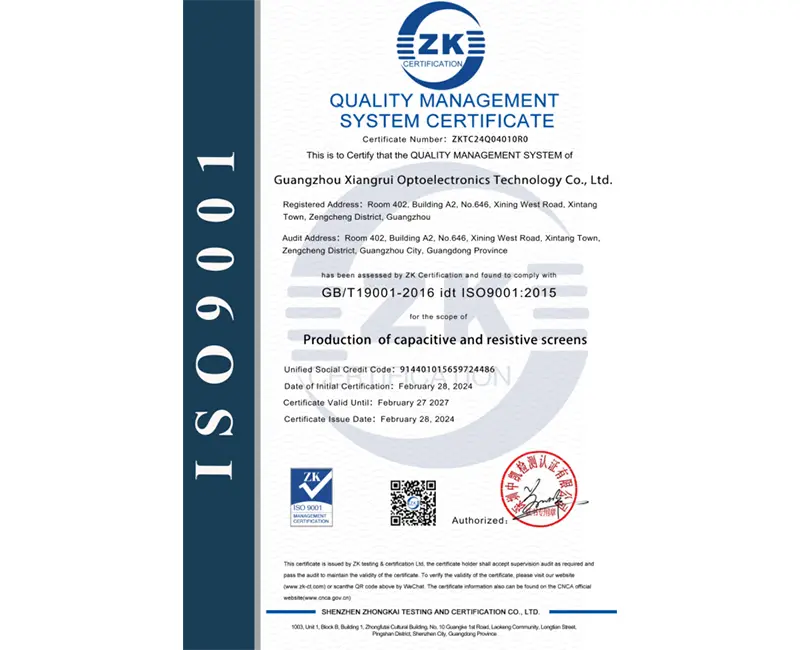
Our production lines operate under ISO 9001 and ISO 14001 frameworks, ensuring traceability from raw material inspection to final product dispatch.
Recognized as a Guangdong High-Tech Enterprise in 2022, we maintain an active R&D division focused on developing new utility models and panel-forming techniques.
Critical medical monitors and diagnostic interfaces demand high precision and reliability. Our capacitive touch screens are designed to meet surgical requirements, operating reliably even when handled with latex or medical gloves.
The sealed front panel designs support disinfection protocols, preventing liquid ingress from cleaning agents and saline solution.
Heavy machinery control consoles operate in challenging environments exposed to vibrations, temperature fluctuations, and electromagnetic noise from motors and power lines.
By utilizing thick cover glass configurations (up to 6mm) and specialized industrial controllers, we deliver IK08/IK10 impact resistance alongside high electromagnetic immunity.
EV charging piles, parking meters, and outdoor payment kiosks require sunlight readability and resistance to weather conditions.
We integrate anti-reflective (AR) glass treatments, ultraviolet (UV) blocking films, and optical bonding to ensure clarity in direct sunlight while preventing LCD discoloration and moisture buildup.
For applications where visual confirmation is insufficient, we develop touch panels with integrated actuator arrays. This provides clear tactile feedback upon button activation, reducing input errors in industrial and automotive applications.
Responding to the demand for multi-factor authentication, our touch screen designs are compatible with embedded optical and capacitive fingerprint scanners, supporting secure payment processing and restricted-access industrial systems.
Optical Bonding (OCR/OCA) fills the internal air gap between the touch panel and the display with index-matching gel or adhesive. This eliminates internal reflective interfaces, increasing outdoor contrast, preventing moisture condensation, and significantly enhancing shock resistance. Air bonding, or frame fitting, uses double-sided adhesive along the perimeter of the panel. While a cost-effective choice for controlled indoor environments, it does not offer the same optical performance and mechanical durability as optical bonding.
Water is conductive and can mimic touch inputs on standard capacitive sensors. To address this, our touch controllers utilize specialized mutual capacitance scanning algorithms and digital signal filters. When liquid is detected on the surface, the controller switches its scanning mode to isolate local capacitance changes, allowing the screen to process coordinate inputs accurately while ignoring surrounding moisture.
Yes. We design and manufacture cover glass assemblies using chemically tempered soda-lime glass or aluminosilicate glass, with thicknesses ranging from 0.7mm to over 6.0mm. We tailor the glass chemistry and thermal tempering process to meet specific IK impact energy ratings (IK08, IK09, or IK10), ensuring protection against physical impacts in public kiosks and heavy industrial environments.
Our wide-temperature touch panels are engineered to operate continuously from -30°C to +85°C. We use temperature-stable ITO film/glass substrates, specialized optical adhesives, and industrial-grade controllers to prevent performance degradation or touch coordinate drift at extreme temperatures.
We support standard industrial controller ICs from leading manufacturers, including EETI, Ilitek, FocalTech, and Goodix. Our touch panel modules support common host communication interfaces such as I2C, USB, and RS-232, enabling integration with Windows, Linux, Android, and RTOS platforms.
To meet electromagnetic compatibility (EMC) regulations, we integrate internal shielding layers, optimize the sensor routing layout, and use high-frequency controller ICs with active noise cancellation. This ensures that the touch screen continues to function reliably even when exposed to electromagnetic interference from nearby heavy machinery or wireless communication systems.
 Xiangrui Optoelectronics