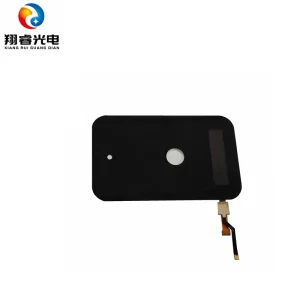
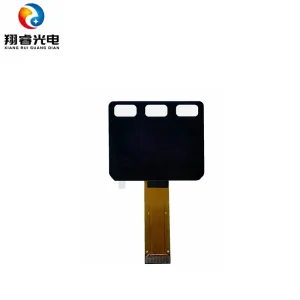
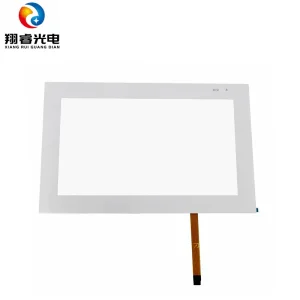
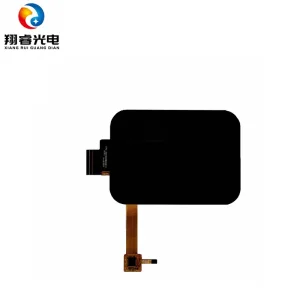
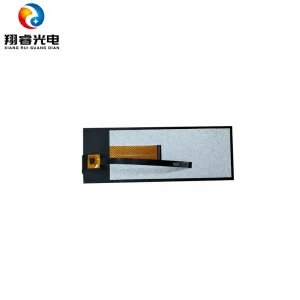
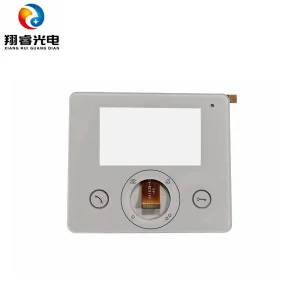
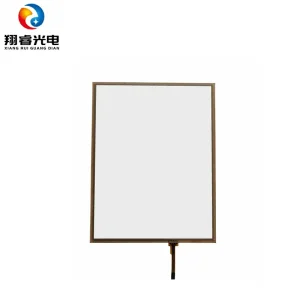
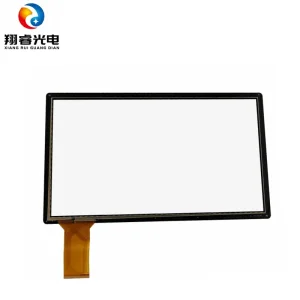
Explore our engineering capabilities across customized small-to-large format touch panel systems designed for challenging operation environments.
A deep look into the structural demands, application shifts, and engineering protocols driving the standard 8" HMI form factor.
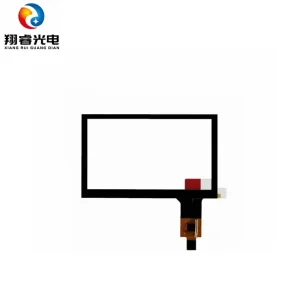
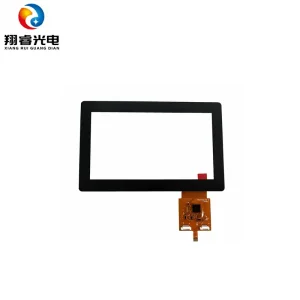
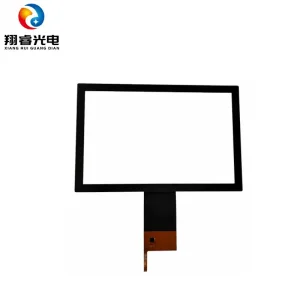
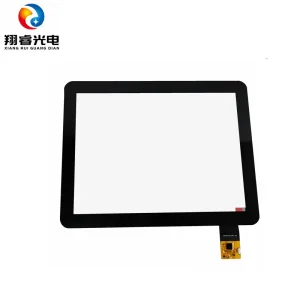
The 8-inch touch screen format has emerged as one of the most critical form factors in modern Human-Machine Interface (HMI) design. Combining a compact footprint with sufficient visual display area, 8-inch touch screen panels bridge the gap between small-scale handheld interfaces and bulky terminal screens. Globally, sectors such as industrial automation, clinical medical equipment, smart building consoles, and outdoor payment hubs rely heavily on the durability and ergonomic convenience of this size.
In highly regulated industries, a custom 8-inch touch screen is not merely a display component; it is a primary point of operation. These applications require high signal-to-noise ratios (SNR), excellent optical performance under direct sunlight, and physical resilience to chemical washes, impacts, and temperature spikes. As a result, the market has shifted away from consumer-grade configurations toward highly integrated, application-specific touch screen stackups.
Several global business and engineering demands are currently pushing the evolution of custom 8-inch touch screen manufacturing:
From custom cover glass thickness to controller IC tuning, every layer is engineered to perform under specific operational constraints.
We source and integrate high-reliability touch controller ICs from leaders like EETI, Ilitek, and FocalTech. This allows custom tuning for glove operation, thick cover glass compatibility (up to 10mm), and high electromagnetic immunity (ESD/EMI).
Using tempered soda-lime or aluminosilicate cover glass, our panels achieve high impact ratings (up to IK10). We custom-cut cover lenses to fit proprietary bezel shapes, including custom silkscreen borders, logos, and mechanical cutouts.
Our solutions feature wide-temperature engineering, allowing operations from -30°C to +85°C. With IP65 to IP69K sealing designs, the screens repel dust, water jets, oil, and corrosive cleaning agents without losing touch tracking resolution.
Why Tier-1 global OEMs partner with Southern China's optoelectronic hubs for custom touch display integrations.
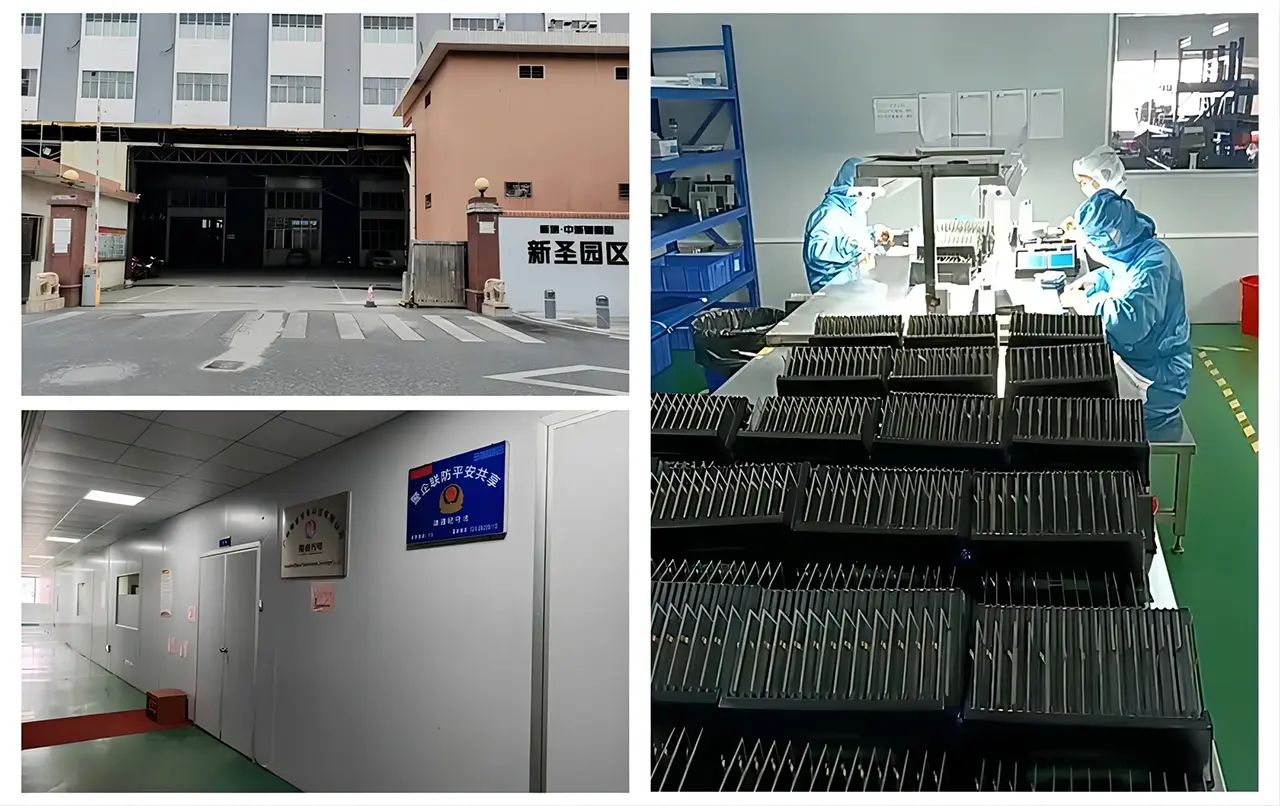
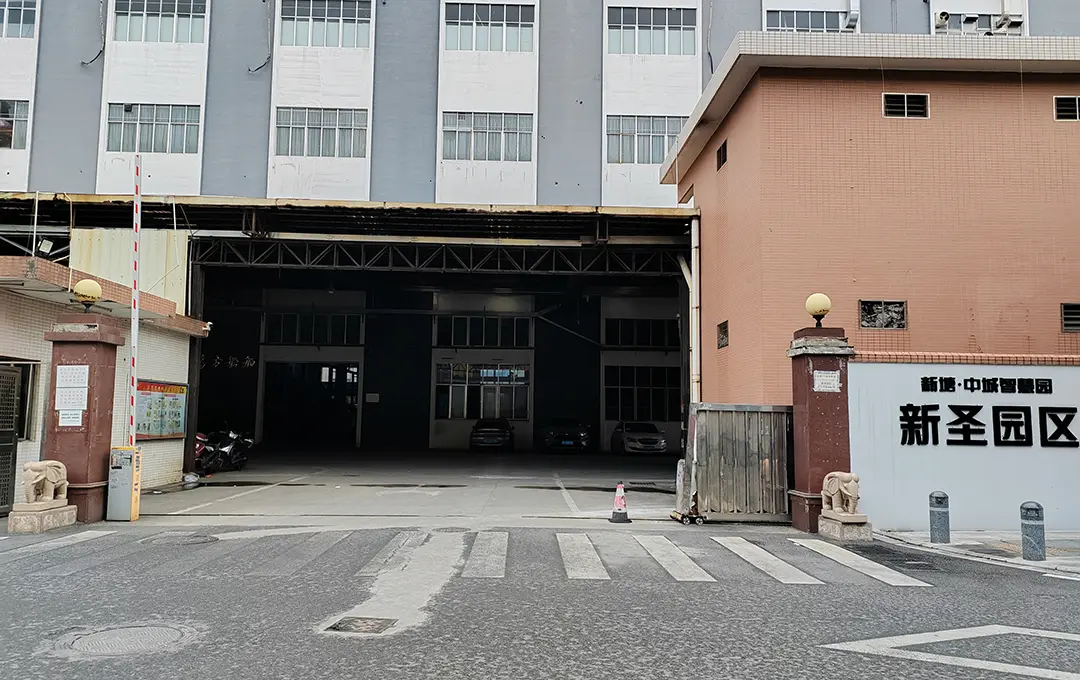
Global electronics manufacturing demands extreme speed, high supply chain flexibility, and strict cost controls. Guangzhou and the broader Pearl River Delta region stand as the world's most integrated hub for touch screen and display module component fabrication. By locating our operations in Guangzhou, China, we offer our customers structural advantages that are impossible to duplicate in other regions.
The concentration of materials suppliers (such as specialized cover glass, Indium Tin Oxide (ITO) films, flexible printed circuit boards, and custom ICs) ensures that we can design, prototype, and manufacture custom touch screens faster than Western counterparts. This ecosystem reduces transport times, eliminates complex logistical links, and lowers procurement costs for overseas buyers without compromising on engineering standards.
How custom 8" displays are optimized to meet the strict regulatory and environmental challenges of diverse fields.
Our custom screens are designed to meet ISO 13485 alignment requirements. Displays support glove operation (latex, nitrile, surgical) and withstand sterilization protocols using harsh chemicals like isopropyl alcohol, hydrogen peroxide, and chlorine solutions.
Factory floors are filled with electromagnetic noise, physical vibration, and dust. Our 8-inch touch screens integrate advanced noise filtering controllers, ensuring precise single and multi-touch execution even near high-voltage machinery.
For high-security entry, self-service kiosks, and modern palm-print scanning payment terminals, our high-transmittance cover glass and optical bonding options provide crystal-clear image transmission for scanning sensors located beneath the touch screen.
Founded in 2010 and based in Guangzhou, China, Guangzhou Xiangrui Optoelectronics Technology Co., Ltd. is a specialized high-tech enterprise dedicated to the research, development, production, and sale of resistive touch panels, capacitive touch panels, cover glass, and module bonding solutions. We offer complete OEM and ODM customization services designed to align with strict industrial regulations worldwide.
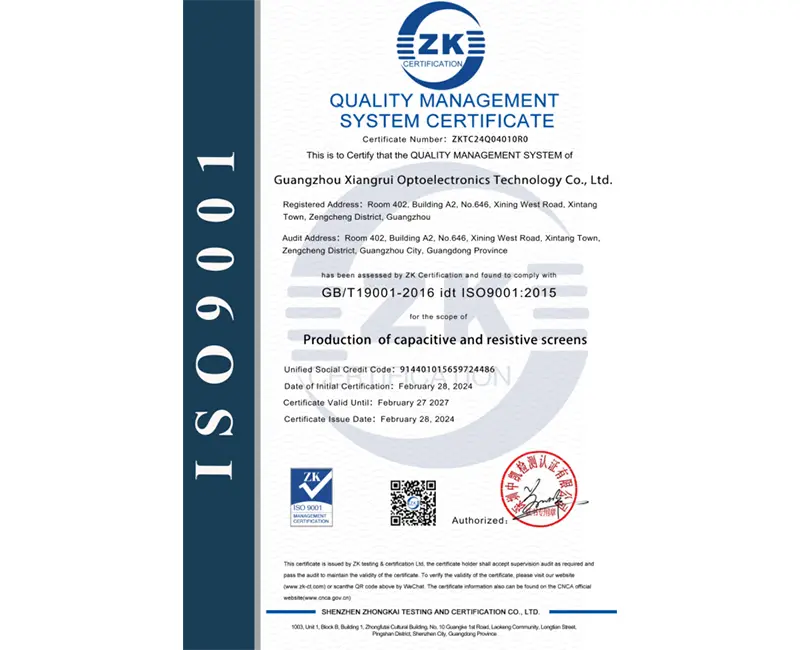
Our facility holds ISO 9001 and ISO 14001 certifications, ensuring that every product—from raw materials inspection to final cleanroom assembly—meets the highest quality control and environmental standards. We take pride in delivering robust, high-performance touch screens to our partners across the globe, driving innovations in industrial controls, medical systems, smart homes, and outdoor terminals.
A structured framework to help procurement managers, product developers, and HMI engineers make informed manufacturing choices.
Before initiating tooling, clearly outline the application's operating conditions. Will the screen be exposed to rain, chemical cleaning, or direct sunlight? Outdoor devices benefit from optical bonding and anti-reflective coatings. Industrial displays may require an extra-thick chemically strengthened cover lens (e.g., 3mm to 5mm) to withstand accidental impacts without shattering.
Align the touch controller interface with your main system processor. Capacitive panels commonly utilize I2C (I²C) or USB interfaces, and we offer conversion boards for RS232 or SPI protocols. Choosing the correct controller IC (EETI or Ilitek) early prevents software driver lag during integration.
Frame fitting (tape bonding) is cost-effective and suitable for indoor applications like smart home panels. Optical bonding (liquid OCA/LOCA) is highly recommended for medical screens, marine equipment, and rugged handhelds where condensation protection and maximum light transmittance are required.
Optoelectronic manufacturing requires strict particulate control. Ensure your chosen factory utilizes high-standard cleanrooms (Class 100/1000) for lamination and assembly to prevent dust particles or air bubbles from being permanently sealed inside the display layers. Look for ISO 9001 and ISO 14001 compliance as a baseline for reliable production runs.
Expert answers to common engineering and sourcing questions about custom projected capacitive and resistive touch panels.
Engineered for high performance, long lifecycles, and compatibility with industry-standard display modules.
 Xiangrui Optoelectronics