Explore our premium grade capacitive and resistive touch panels engineered for seamless HMI integration across medical, automotive, and industrial platforms.
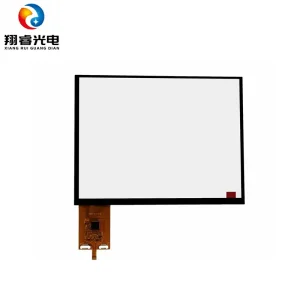
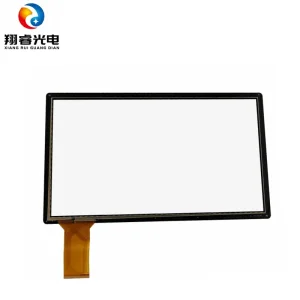
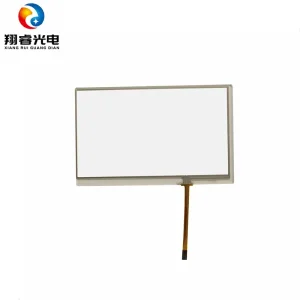
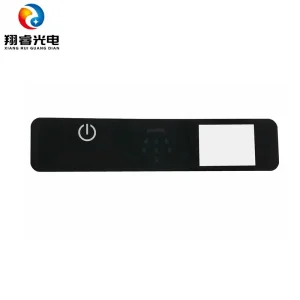
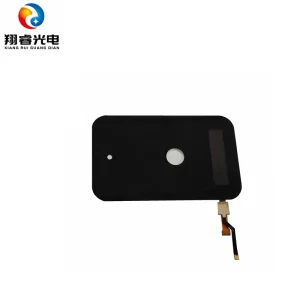
An expert-level breakdown of optical path configurations, noise rejection, and modern Human-Machine Interface (HMI) design methodologies.
Unlike capacitive buttons that rely on detecting minute changes in human body capacitance, optical touch buttons utilize infrared light emission and detection principles. An infrared LED emitter generates a continuous or pulsed light beam directed toward a localized sensor zone. When a finger, gloved hand, or mechanical stylus approaches the target area, the light is either reflected back to an adjacent photodetector (reflective sensing) or physically interrupted (transmissive/interrupted sensing).
By tuning the optical path and adjusting the emission frequency, engineers can calibrate these switches to respond to touch or close-proximity gestures. This is crucial for medical isolation rooms, food manufacturing facilities, and heavy industrial panels where contamination, protective gear, and chemical washdowns are standard protocols.
Selecting the optimal interface technology requires balancing environmental constraints, user-experience expectations, and target production costs. The table below provides a detailed structural comparison between standard touch switch architectures:
| Performance Criteria | Optical Touch Buttons | Projected Capacitive (PCAP) | Resistive Touch Tech |
|---|---|---|---|
| Operating Mechanism | Light Path Interruption/Reflection | Electrostatic Field Distortion | Physical Contact of Layer Assemblies |
| Gloved Operation | Outstanding (Unrestricted thickness) | Moderate (Requires tuning/calibration) | Excellent (Pressure dependent) |
| Moisture/Water Immunity | Absolute (Immune to surface liquids) | Variable (Requires advanced firmware filtering) | Excellent (Unaffected by water) |
| EMI & Electrical Noise | Immune (Optically isolated) | Sensitive (Susceptible to high current spikes) | Excellent (Passive resistive matrix) |
| Cover Glass Thickness | Unlimited (Operates through air-gap designs) | Limited (Typically max 10-15mm glass) | N/A (Requires flexible surface layer) |
| Lifespan & Wear | Near Infinite (Solid-state optics) | Very High (Solid-state circuitry) | Finite (Mechanical stress degrades layers) |
Analysing key growth drivers, global deployment trends, and regional adoption maps of advanced optical human-machine interfaces.
Rapid shifts towards automated medical hygiene and industrial smart grids are driving demands for non-mechanical interface platforms. Industrial factories are transitioning away from physical membrane switches to fully sealed optical interfaces that reduce down-time and minimize bio-burden contamination vectors.
While North American and European manufacturers concentrate on complex ISO 13485 compliant medical equipment interfaces, APAC region leads massive deployment scaling in public transit ticketing kiosks, high-speed rail control terminals, and high-frequency consumer retail transaction machines.
Integrating optical switches with proximity and gesture algorithms is the latest frontier. Future interfaces will support dual-mode feedback: zero-contact proximity registration at a distance of 5-10cm, alongside optical confirmation indicators that activate only when touch is achieved.
To overcome ambient solar light interference (a classical vulnerability of infrared-based electronics), our optical button modules employ highly sophisticated carrier frequency modulation. By oscillating the emitter pulse rate and using selective digital bandpass filters on the receiver, we eliminate crosstalk from harsh overhead fluorescent illumination and direct outdoor sunlight.
Furthermore, our optical touch components feature advanced physical integration parameters:
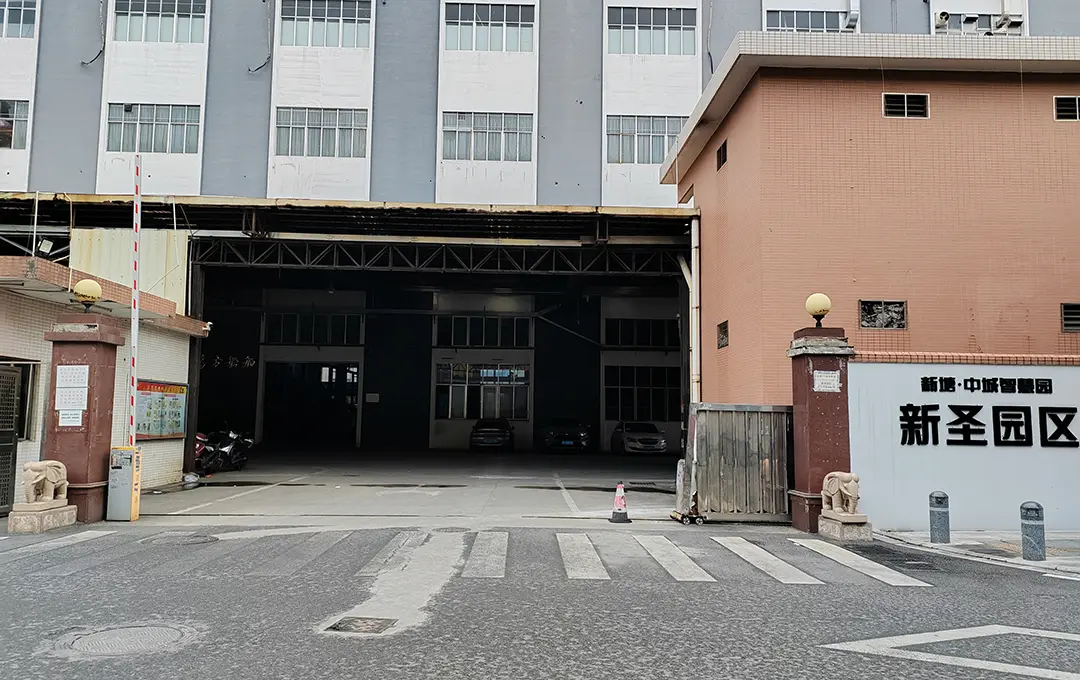
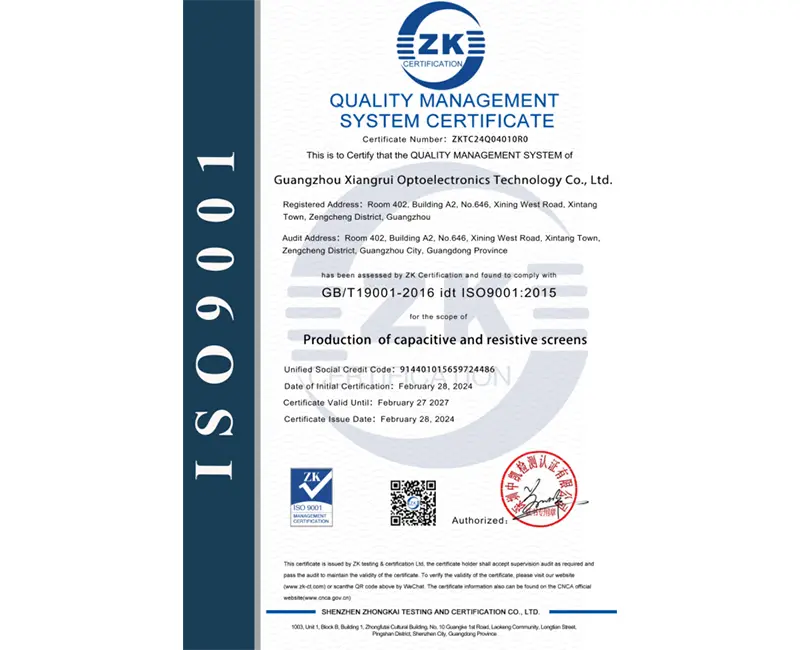
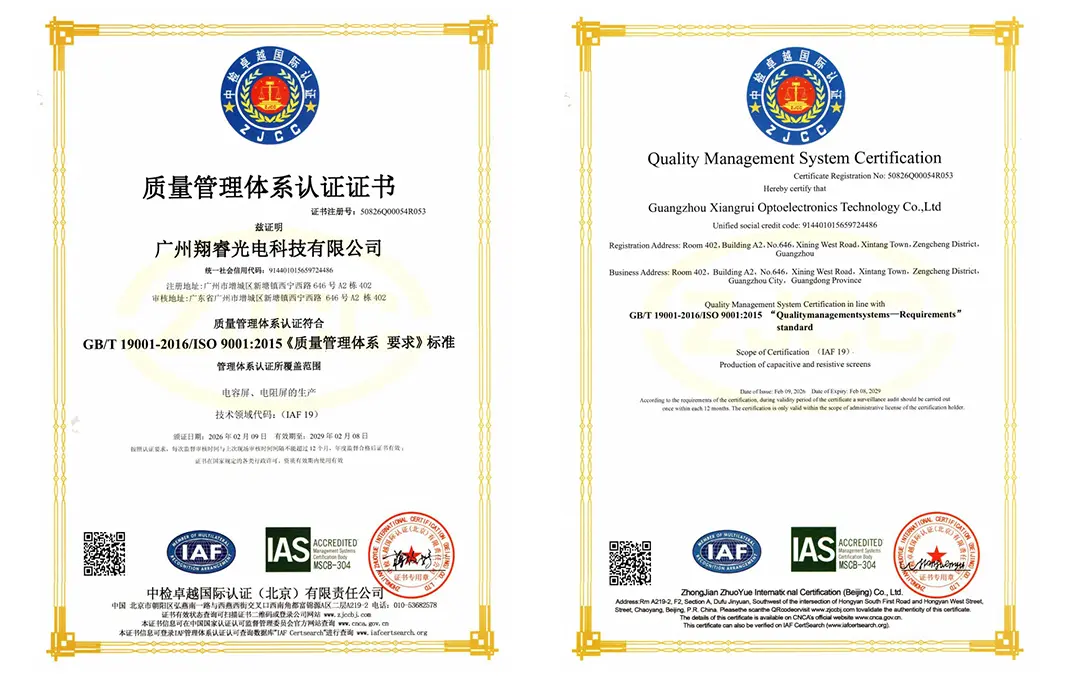
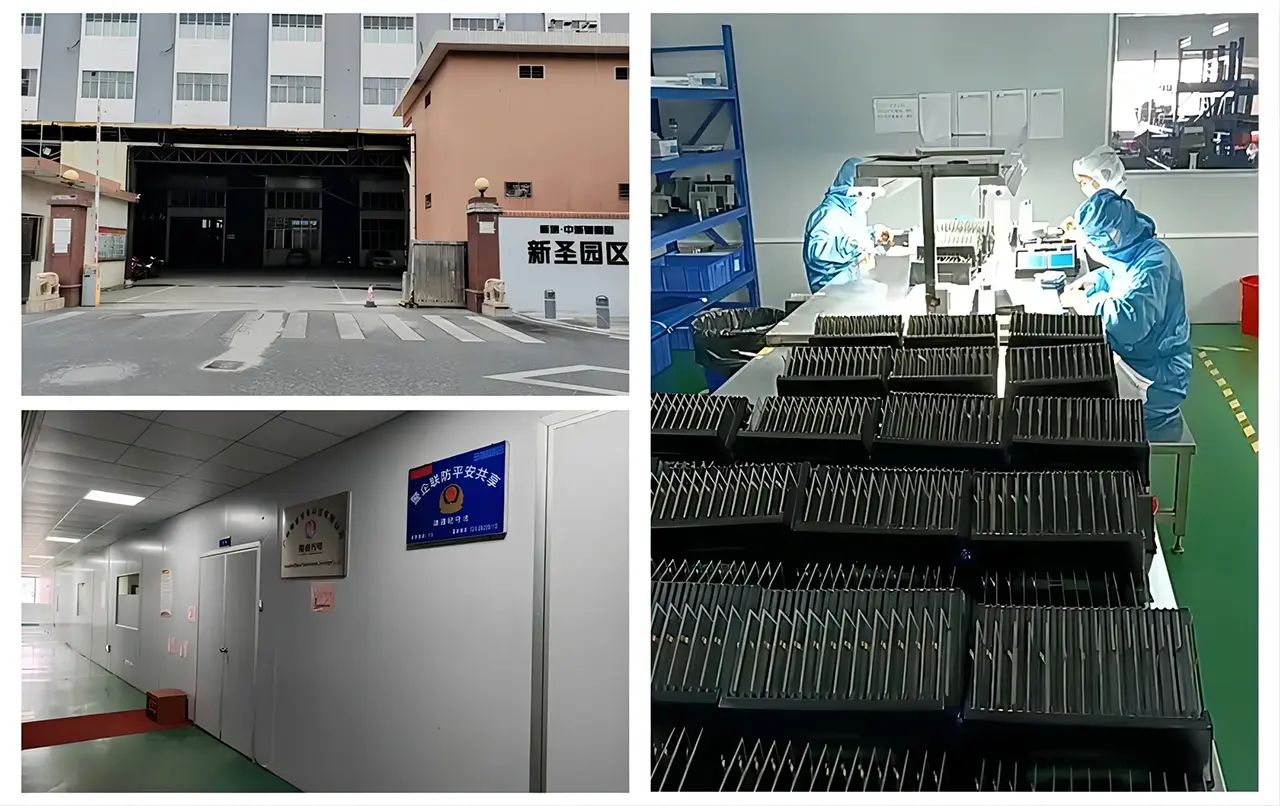
Founded in 2010 in Guangzhou, China, we are an ISO 9001 and ISO 14001 certified pioneer dedicated to the R&D, fabrication, and customized delivery of resistive touch screens, capacitive touch panels, optical buttons, cover glass assemblies, and complex system bonding modules.
Operating within a modern 3,000 square meter facility outfitted with Class 100, Class 1,000, and Class 10,000 dust-free workshops, we meet the absolute highest cleanroom parameters for optical bonding. Our solutions are deployed globally across demanding application profiles including industrial machinery controls, specialized medical displays, smart-home automation, and secure payment terminals.
Standardized and custom engineered touch architectures optimized for targeted industrial scenarios.
Interfaces requiring high-frequency sanitization, zero crevices, and absolute reliability when navigated with heavy latex gloves. Waterproof and disinfectant-resistant design stacks ensure continuous cleanability.
Designed to tolerate mechanical debris, oil exposure, high vibration, and powerful electromagnetic motor fields. Resists degradation in environments with excessive steel shavings or lubricants.
Combats direct solar glare and moisture degradation, while preventing physical vandalism. Features thick cover materials and high-efficiency anti-glare coatings to ensure readability in broad daylight.
A transparent look inside our production line. We apply strict ISO standards to confirm optimal calibration, shock resistance, and thermal endurance for every touch module.
Technical answers to common system integration queries regarding custom optical and capacitive touch button modules.
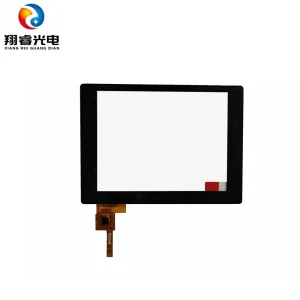
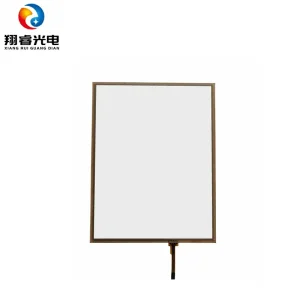
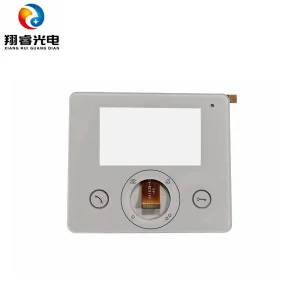
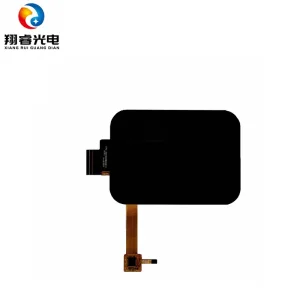
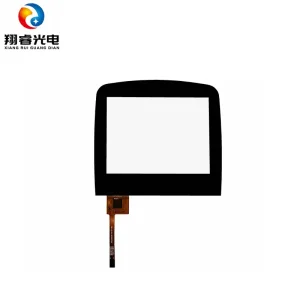
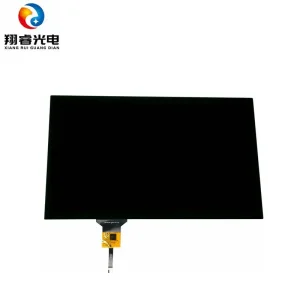
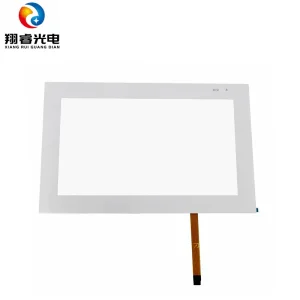
Select specialized touch panels built for heavy-duty operational demands, wide-temperature parameters, and optical bonding applications.
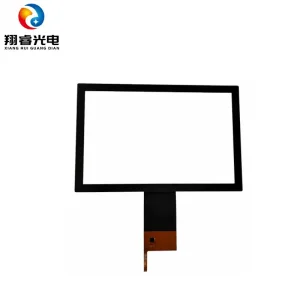
 Xiangrui Optoelectronics