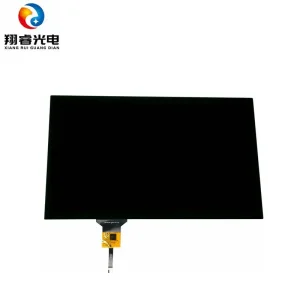
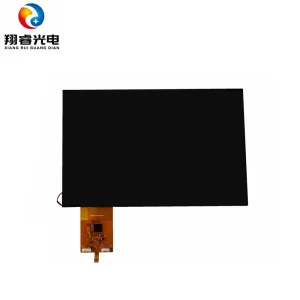
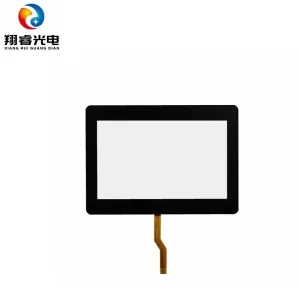
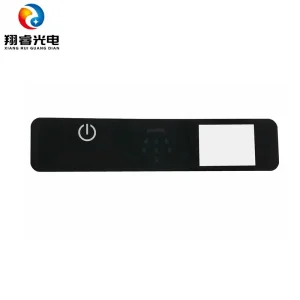
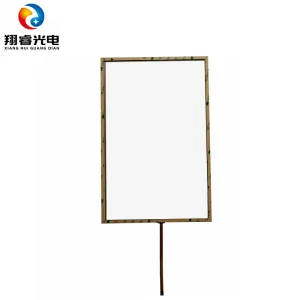
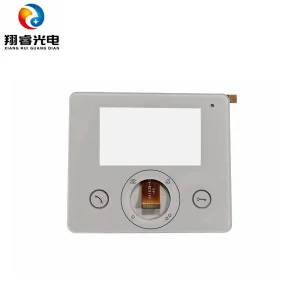
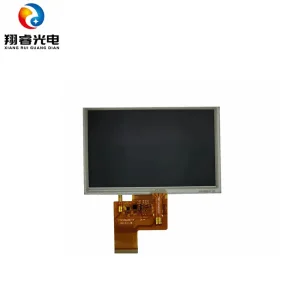
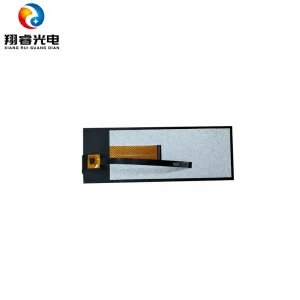
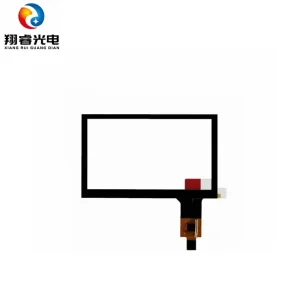
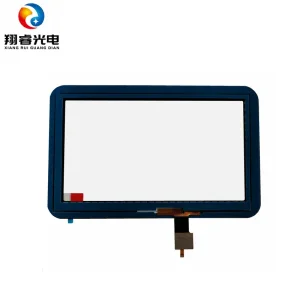
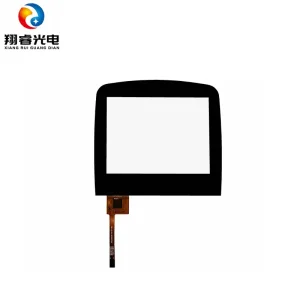
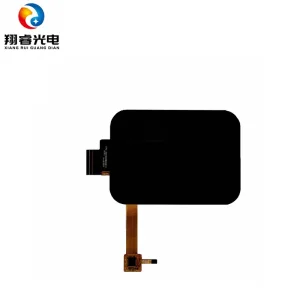
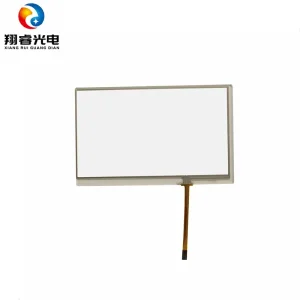
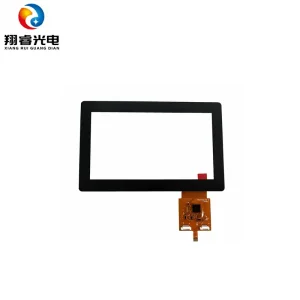
Engineered to deliver precision and rugged durability across demanding human-machine interfaces.
Founded in 2010 and based in the dynamic technological hub of Guangzhou, China, Guangzhou Xiangrui Optoelectronics Technology Co., Ltd. stands as a premier enterprise dedicated to the research, development, production, and worldwide service of high-reliability touchscreen modules. Our comprehensive product portfolio spans resistive touch panels, projected capacitive (PCAP) touch screens, custom chemically-strengthened cover glasses, and advanced optical bonding integrations.
Certified under ISO 9001 and ISO 14001 quality and environmental management systems, we operate a purpose-built 3,000 square meter factory structure. To fulfill the stringent quality demands of medical-grade, industrial-grade, and military-grade displays, we maintain class 100, class 1,000, and class 10,000 dust-free workshops. Our products are exported to over 40 countries, driving control terminals across marine, medical, smart-home automation, outdoor rugged POS, and palm-print payment structures.
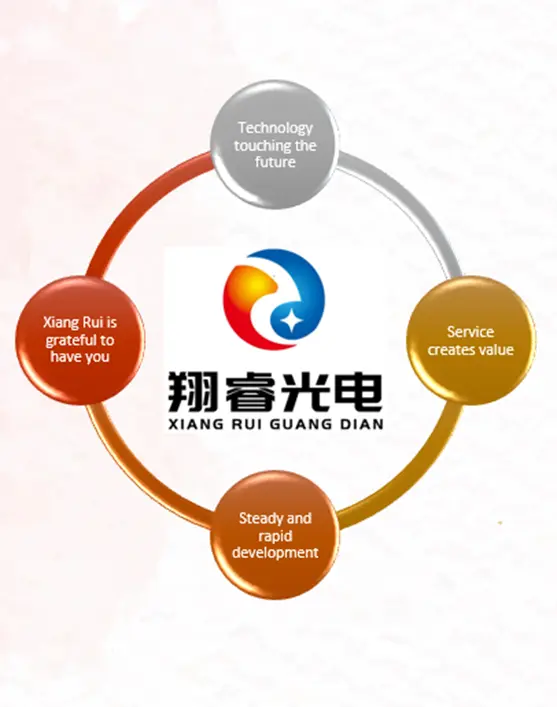
Why Tier-1 industrial system integrators rely on our engineering integrity and supply security.
We build our operations upon the principles of honesty, customer priority, and on-time shipment. By aligning with key upstream IC developers and raw material glass houses, we protect downstream clients against unexpected component obsolescence.
Our complete manufacturing pipeline is heavily standardized. From raw glass inspection (IQC) and sensor etching to tail-end auto-bonding (FQC), every touch panel step satisfies the highest quality, safety, and environmental standards.
Awarded official "Guangdong High-Tech Enterprise" status in 2022, our internal engineering team regularly pioneers new patterns in optical performance, electromagnetic immunity (EMI), and multi-finger touch responsiveness under wet conditions.
How we are engineering the future of human-machine interaction through optical excellence and controller precision.
To support Next-Gen smart automation, we are steering our 10.1-inch module technology towards the following advancements:
Deploying specialized 10.1" touch interfaces optimized for distinct operating environments.
Capable of sustained performance in temperatures from -30°C to +80°C. Resists chemical cleaning, heavy dust, grease, and mechanical vibration. Includes thick, IK10-rated impact cover glass options.
Optimized for gloved finger operation (nitrile, latex, surgical gloves). Designed to prevent fluid ingress and withstand chemical sanitization with isopropyl alcohol and medical-grade disinfectants.
Features borderless edge-to-edge glass covers with silk-screened logos. High sensor resolution supports precise palm-print mapping and secure biometric transaction terminals.
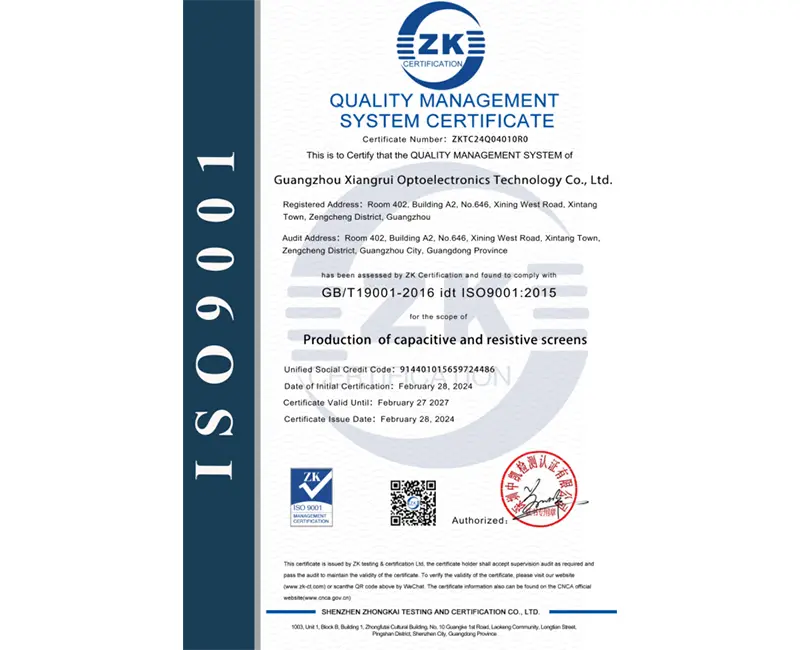
Located in the Pearl River Delta electronics cluster, Guangzhou Xiangrui leverages a deep component supply network. This proximity allows us to source raw glasses, custom flexible printed circuits (FPCs), and controller ICs with minimal lead times.
Our production facility utilizes semi-automated etching, automated cleanroom alignment machines, and advanced laser inspection devices. This tech integration helps us limit scrap rates, deliver stable manufacturing cycles, and maintain reliable lead times even during global shipping disruptions.
Reference blueprint for system architects, engineering leads, and technical procurement specialists.
| Performance Parameter | Capacitive (PCAP) Touch Panel Specification | Resistive Touch Panel Specification |
|---|---|---|
| Screen Size Options | 2.8 inch to 15.6 inch (Standard 10.1" focus) | 1.77 inch to 12.1 inch |
| Cover Glass Thickness | 0.55mm, 0.7mm, 1.1mm, 1.8mm, 3.0mm, up to 6.0mm (Ruggedized) | Film-on-Glass, Glass-on-Glass (Typically 1.1mm to 2.0mm) |
| Interface Support | I2C, USB, UART, SPI | 4-Wire, 5-Wire, 8-Wire analog ratiometric interface |
| Operating Temperature | -30°C to +80°C (Custom industrial wide-temp configurations) | -20°C to +70°C |
| Optical Bonding | OCA or OCR liquid optical bonding to display module | Frame tape perimeter bonding (Double-sided adhesive tape) |
| Supported OS | Windows, Linux, Android, macOS, custom RTOS (Driverless) | Universal controller support (EETI, etc.) |
| Durability Ratings | IK08 to IK10 Impact, IP65 Waterproof Front Panel Integration | High scratch-resistant film coating (3H or higher) |
Ensuring compliance with international technical, environmental, and regional trade regulations.
All products align with RoHS and REACH environmental directives. We ensure the raw materials used in our touch sensors, FPC tail interfaces, and bonding resins remain completely free of restricted hazardous substances.
To prevent electrostatic discharge (ESD) and physical damage during transit, our screens are packed in customized, stackable anti-static trays and vacuum-sealed bags, then crated in heavy-duty cardboard boxes designed to meet international air and ocean cargo standards.
Our engineers provide direct assistance with controller tuning, coordinate mapping, interface adaptation, and troubleshooting EMI challenges during system integration.
Technical insights into industrial touchscreen integration, customization, and factory operations.
OCA (Optically Clear Adhesive) uses solid tape cut to shape. It is suitable for flat surfaces and thinner structures. OCR (Optically Clear Resin) uses liquid silicone adhesive, which fills uneven gaps and works better for thick cover glasses or steps on the bezel. Both eliminate internal air reflections, improve screen contrast under sunlight, and prevent condensation inside the screen.
We use dedicated controller ICs (such as EETI or ILITEK) that feature adjustable sensitivity thresholds and software filters. This allows the system to distinguish between a localized touch (a finger) and wide electrical loads (like running water or ambient moisture), preventing false inputs while keeping the system responsive to thick work gloves.
We support various customizations, including soda-lime or aluminosilicate glasses (like Gorilla Glass), thickness options from 0.7mm to 6.0mm for high-impact resistance (up to IK10), custom cover shapes, and surface coatings such as Anti-Glare (AG), Anti-Reflective (AR), and Anti-Fingerprint (AF).
Our PCAP touch screens support standard HID protocols, making them driverless plug-and-play modules on Windows 7/8/10/11, Linux, Android, and macOS. For specialized microcontrollers or RTOS environments, we offer custom driver source code and configuration tools.
Dust particles trapped between the cover glass, touch sensor, or LCD panel during bonding can cause visual defects or localized electrical shorts. Operating in class 100 and class 1000 cleanrooms keeps particle levels low, ensuring optical clarity and long-term touch performance.
We provide a 12-month quality warranty on all touchscreen assemblies. To support industrial project cycles, we offer long-term product availability (typically 5 to 7 years) and will issue notice before components are phased out or changed.
Explore our wider range of resistive and capacitive touch options matching standard industrial layouts.
 Xiangrui Optoelectronics