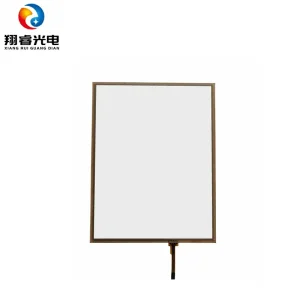
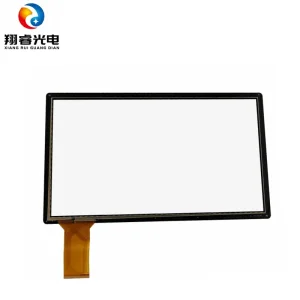
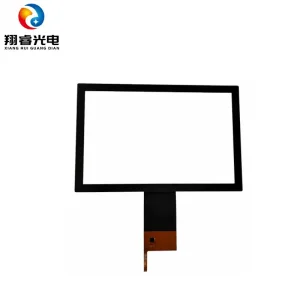
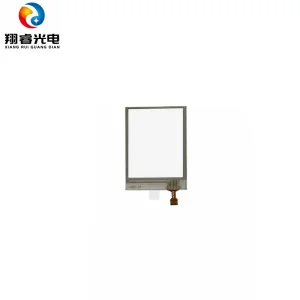
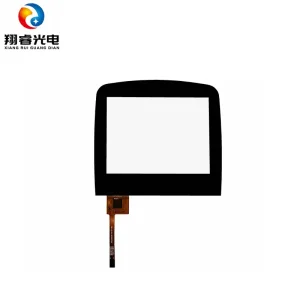
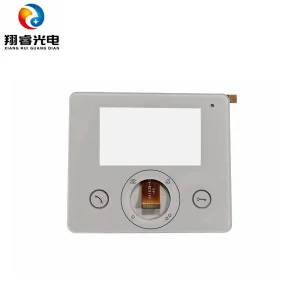
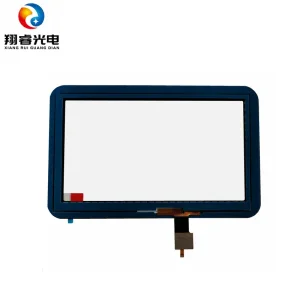
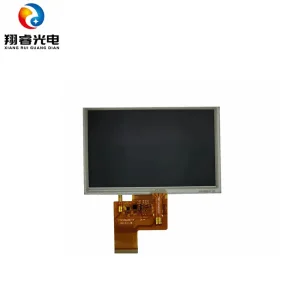
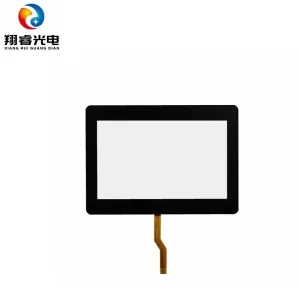
Select from our precision-engineered projected capacitive and high-reliability resistive touch screen solutions, tailored for medical, industrial automation, and interactive terminals.
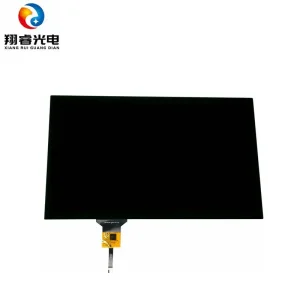
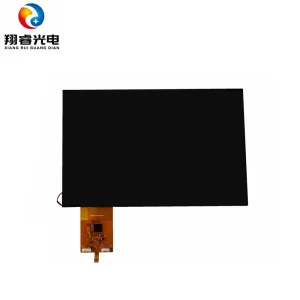
In the rapidly changing landscape of Human-Machine Interfaces (HMIs), simple point-and-click operations have evolved into complex, gesture-driven multi-touch environments. Modern industrial control, medical diagnosis, retail checkout, and smart home control systems demand more than simple single-touch sensors. The shift towards 10-point projected capacitive (PCAP) touch technology has become the gold standard. A 10-point touch screen enables users to execute complex multi-finger gestures such as pinch-to-zoom, rotational mapping, and simultaneous dual-handed inputs, significantly increasing operational efficiency and reducing human error.
For enterprise procurement officers, sourcing custom HMI components involves assessing structural integrity, optical performance, and long-term electrical reliability. This whitepaper analyzes the key engineering standards, production setups, and material advances that separate standard displays from high-durability, industrial-grade multi-touch panels designed to operate in extreme conditions.
Established in 2010, Guangzhou Xiangrui Optoelectronics Technology Co., Ltd. has developed into a leading developer, manufacturer, and supplier of customized resistive touch panels, projected capacitive (PCAP) touch screens, durable cover glass, and complete optical/frame-bonded touch display modules. Headquartered in Guangzhou, China, our business focuses on solving complex touch challenges across demanding industries, including medical displays, robust industrial tablets, vehicle consoles, and outdoor payment kiosks.
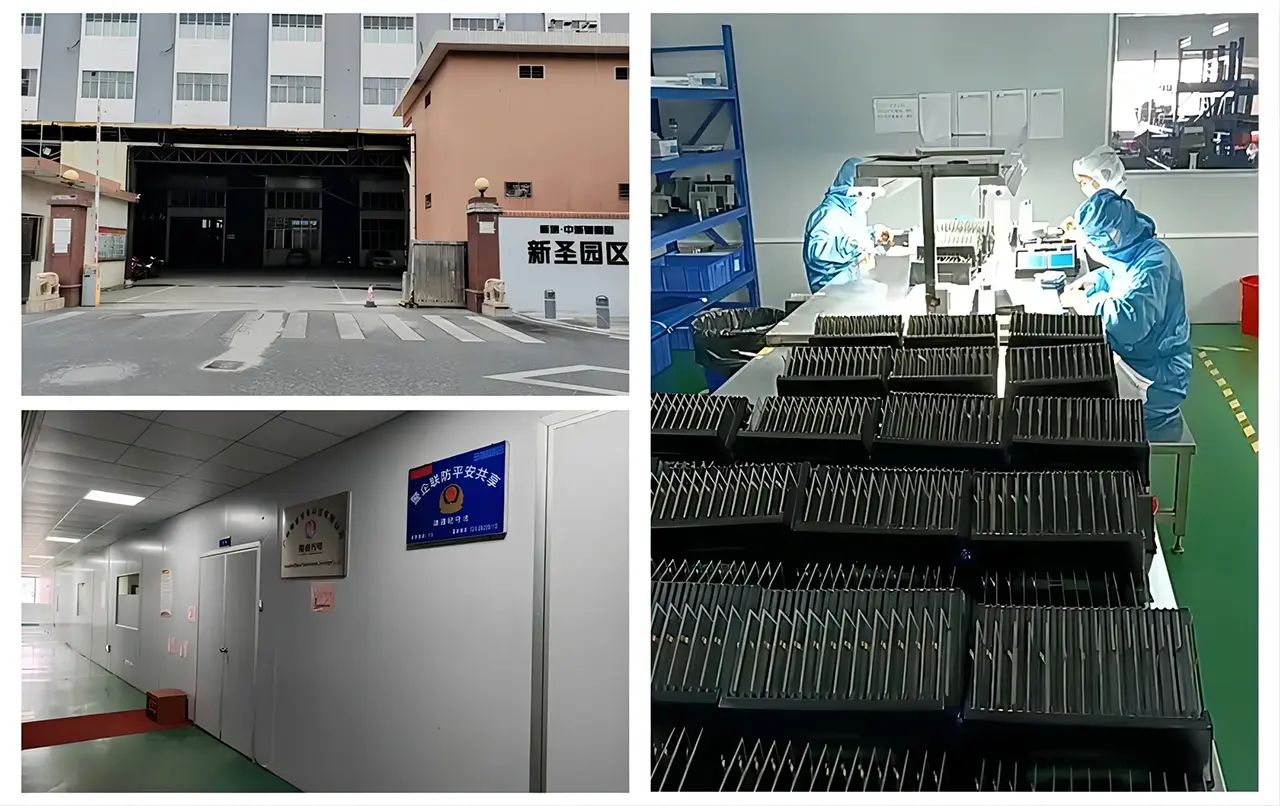
Our state-of-the-art facility spans over 3,000 square meters and houses cleanrooms graded from Class 100 to Class 10,000. These clean manufacturing environments prevent particulate contamination, ensuring high yields for high-precision processes like OCA (Optically Clear Adhesive) and LOCA (Liquid Optically Clear Adhesive) bonding. Fully integrated with ISO 9001 and ISO 14001 management systems, our factories deliver highly standardized and scalable production workflows that comply with global environmental and quality directives.
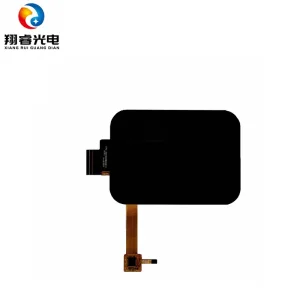
Projected Capacitive (PCAP) technology operates via an electrostatic field etched onto micro-fine conductive layers (usually Indium Tin Oxide, or ITO) on a glass or film substrate. When a finger contacts the screen, it draws charge from that point, causing a localized change in capacitance. The touch controller IC scans the grid lines to detect and map up to 10 distinct coordinates simultaneously.
Global system integrators and OEMs face several challenges when sourcing HMI touch panels. Issues like component obsolescence, long validation cycles, shipping damage, and communication delays can stall large rollouts. As an established manufacturer, Guangzhou Xiangrui Optoelectronics mitigates these risks through:
Touch interfaces serve as the primary operational gateway across diverse application areas, each requiring distinct hardware profiles and compliance metrics:
Medical environments require compliance with strict standards such as EN 60601-1. Touch panels must prevent electromagnetic interference (EMI) with adjacent monitoring equipment. Our medical-grade capacitive screens are designed to handle surgical glove touch inputs and resist cleaning chemicals like isopropyl alcohol.
Heavy machinery controls must withstand physical impact, high vibrations, and dust buildup. Standard IK08 or IK10 impact ratings are achieved using thermally tempered glass, which prevents shattering and screen breakage on the factory floor.
With the rise of palm print recognition, NFC, and ticket kiosks, outdoor terminals require UV-resistant cover glass (to prevent yellowing) and high-brightness panels with index-matched optical bonding. These features maintain screen legibility under direct sunlight.
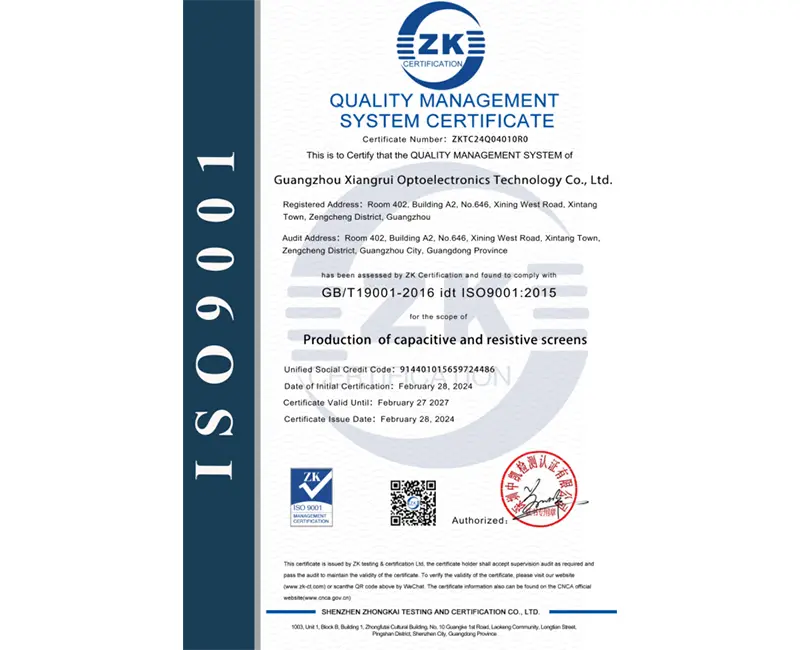
At Guangzhou Xiangrui Optoelectronics, we follow standard quality control practices at every stage of production. From receiving incoming raw materials (glass substrates, FPCs, driver ICs) to shipping out finished touch monitor assemblies, each step is monitored. Our certifications include:
Furthermore, our engineering teams provide localized integration support, helping clients resolve USB or I2C touch controller driver issues across Windows, Linux, Android, and RTOS platforms. This technical support helps streamline deployment and minimize software compatibility issues.
As touch technology continues to advance, several key trends shape the development of next-generation panels. The roadmap below outlines the engineering directions and milestones our R&D team targets to meet evolving industry needs:
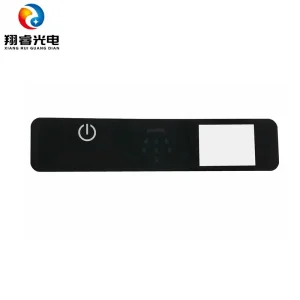
Explore additional customized configurations featuring optical bonding, rugged glass materials, and custom buttons for industrial, marine, and commercial display applications.
 Xiangrui Optoelectronics