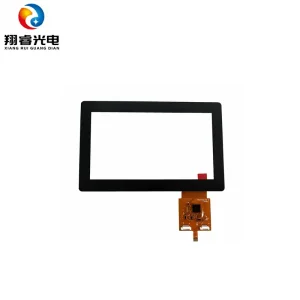
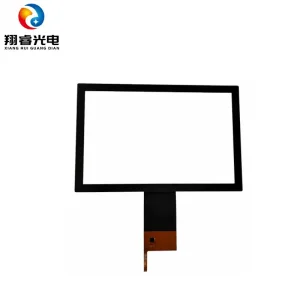
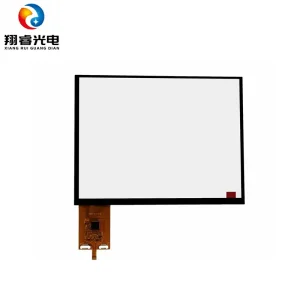
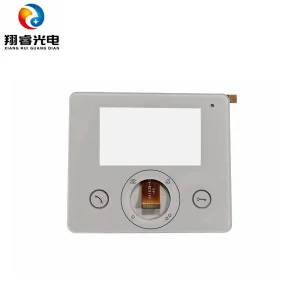
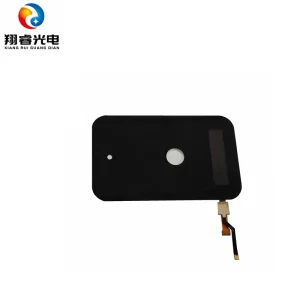
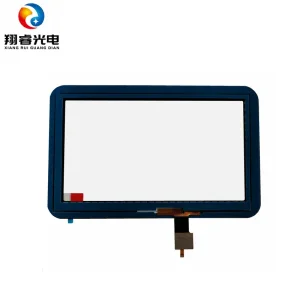
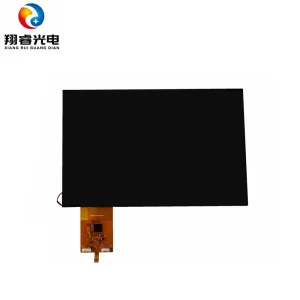
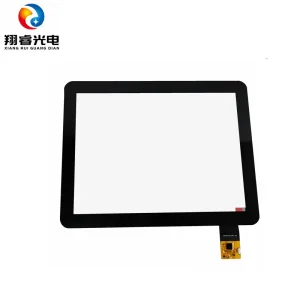
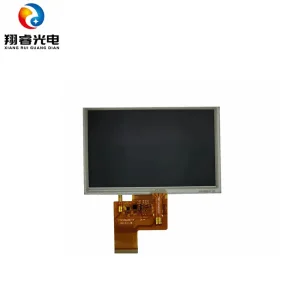
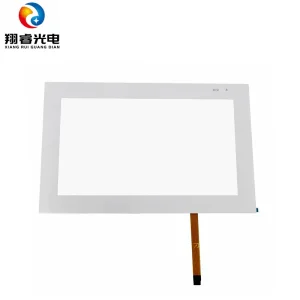
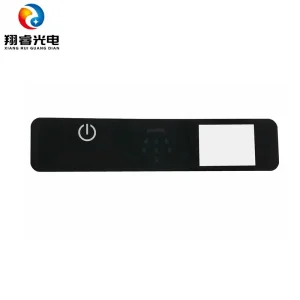
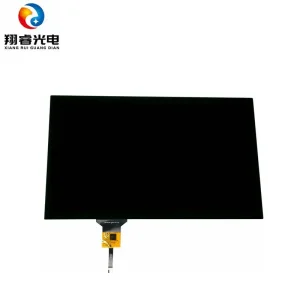
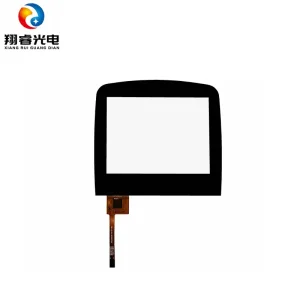
Explore our highly integrated touch panels customized to your mechanical envelope and performance specifications.
In the global industrial computing and terminal equipment landscape, the 15-inch form factor has crystallized as the primary benchmark interface. Offering a balanced aspect ratio (typically 4:3 XGA or modern 16:9 Full HD), it presents the perfect equilibrium between legible data density and compact physical foot-printing. Selecting a high-reliability OEM 15 Inch Touch Display Manufacturer & Supplier is critical for system architects designing interfaces for hazardous, high-vibration, or sterile environments.
Guangzhou Xiangrui Optoelectronics Technology Co., Ltd. addresses this demand by merging high-fidelity liquid crystal display (LCD) screens with rugged touch sensing technologies. Through precise electrical engineering, materials science, and cleanroom lamination processes, we manufacture touch screen modules that withstand extreme operating conditions while maintaining fluid capacitive or resistive performance.
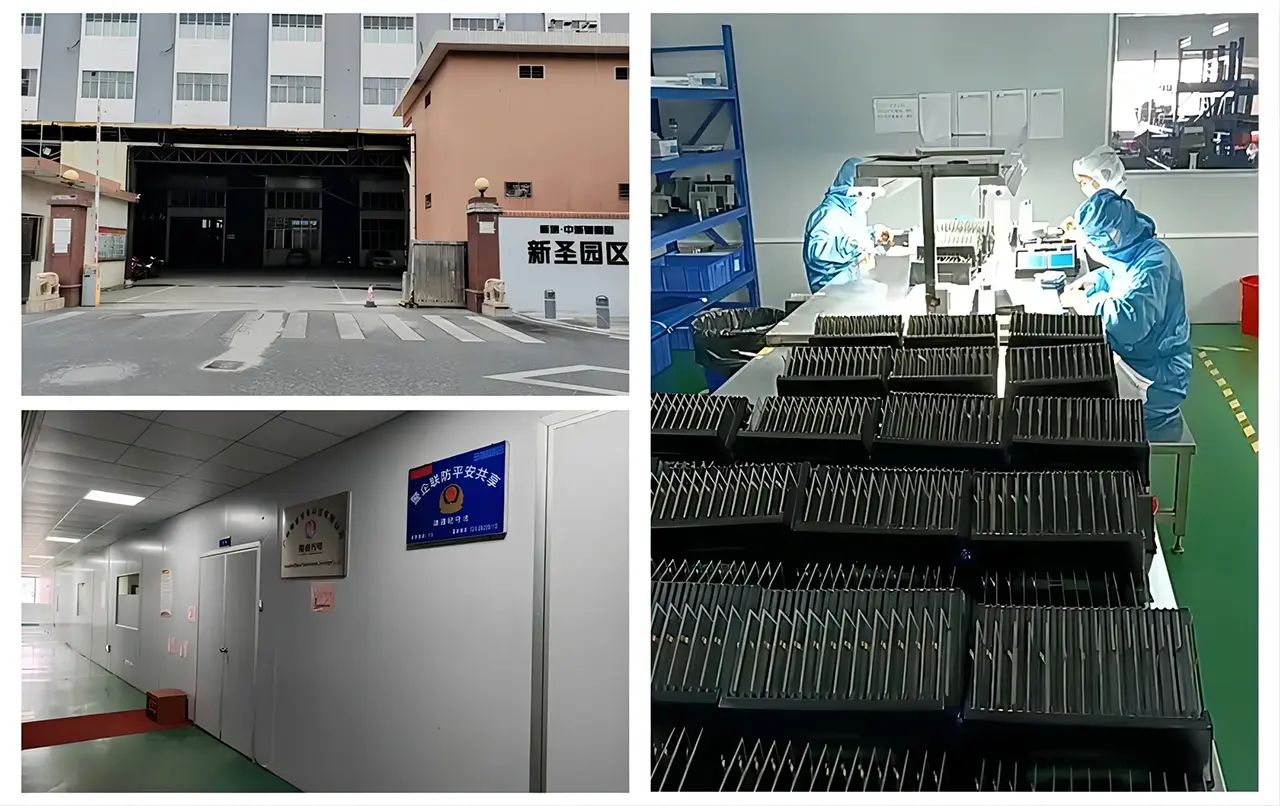
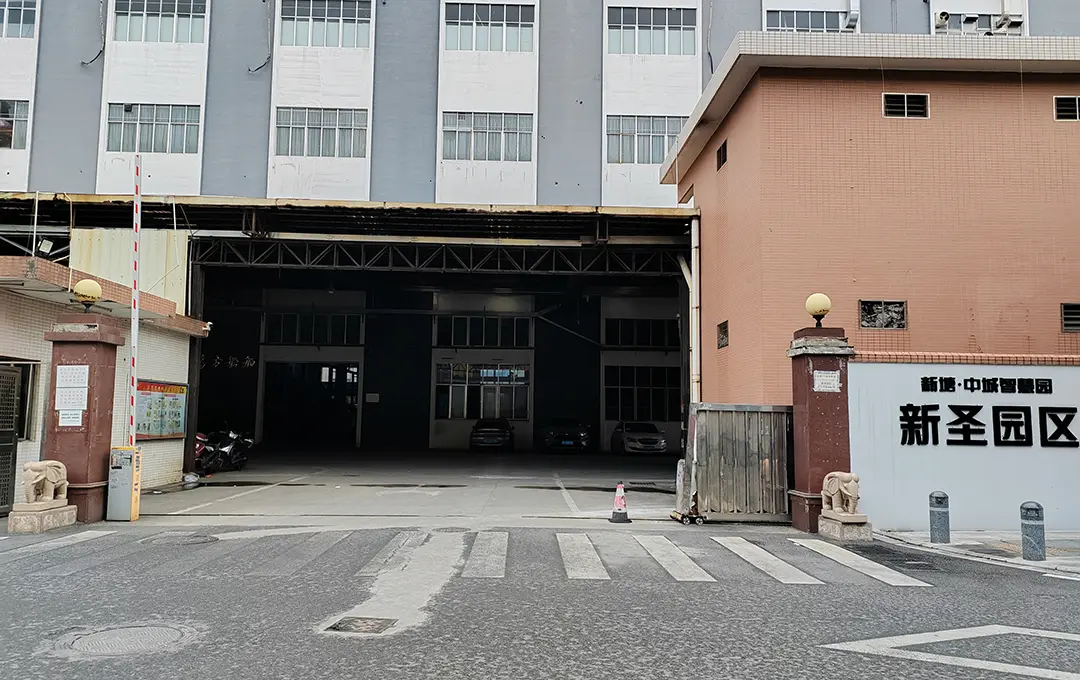
Established in 2010, Guangzhou Xiangrui Optoelectronics Technology Co., Ltd. has developed into a leading touch display manufacturer in Guangzhou, China. Spanning a state-of-the-art 3,000-square-meter facility, we integrate advanced R&D, customized manufacturing, and strict quality verification. Our manufacturing environment features dedicated Class 100, Class 1,000, and Class 10,000 dust-free cleanrooms designed to eliminate particulates during cover glass alignment and optical bonding.
Our technology portfolio is certified under the ISO 9001:2015 Quality Management and ISO 14001:2015 Environmental Management systems. As a recognized Guangdong High-Tech Enterprise (awarded in 2022), we own over 30 proprietary patents that cover capacitive sensor structures, custom noise-resistant controller boards, and optical bonding techniques. Our engineering-focused approach ensures long-term availability, custom frame integrations, and structural modifications (G+G, G+F, G+F+F) that align with global safety standards.
Founded in 2010 with continuous R&D focus
Equipped with Class 100-10000 cleanrooms
Innovation in touch sensors & cover glass
Delivering quality to global B2B operations
How our custom 15-inch touch displays support critical applications and harsh global industrial conditions.
Factory floors rely on 15-inch displays for Supervisory Control and Data Acquisition (SCADA). Our screens are configured with electromagnetic compatibility (EMC/EMI protection) and are compatible with thick work gloves, preventing touch errors from high-voltage machinery nearby.
In medical operating theaters, equipment must tolerate corrosive disinfectants like isopropyl alcohol and bleach. Our custom G+G (Glass-on-Glass) capacitive touch panels feature flat, IP65-rated seamless designs that prevent pathogen accumulation and support wet-hand operation.
High passenger throughput in public terminals exposes displays to vandalism and impact. We utilize tempered, chemically strengthened cover glass (IK08 to IK10 rated) combined with Anti-Glare (AG), Anti-Reflective (AR), and Anti-Fingerprint (AF) coatings to preserve sunlight legibility.
An engineering review of Projected Capacitive (PCAP) vs. Resistive touch technologies.
| Feature Spec | Projected Capacitive (PCAP) | Resistive Touch (4/5-Wire) | Xiangrui Premium Customization |
|---|---|---|---|
| Touch Points | 1 to 10 points (Multi-touch support) | Single point (Pressure activated) | Programmable multi-touch thresholds |
| Optical Clarity | > 88% up to 92% (Optical Bonding) | 75% to 82% (Air Gap/PET films) | Custom anti-reflective (AR) film matching |
| Surface Durability | Mohs Hardness ≥ 7H (Glass Cover) | Mohs Hardness 3H (Flexible PET film) | Chemically strengthened IK10 glass cover |
| EMI Immunity | Requires frequency tuning / shielded glass | Inherent immunity to EMI fields | Faraday cage shielding & EETI controllers |
| Operating Temp | -20°C to +70°C (Standard industrial) | -30°C to +85°C (Wide temperature) | Wide-temp controller layouts for extreme environments |
To meet B2B requirements, our OEM 15-inch touch displays support advanced physical and chemical surface modifications. The transition from simple assembly to complete human-machine interfaces involves several protective treatments:
How we ensure global product delivery, safety certifications, and supply chain continuity.
Our manufacturing facility and products comply with CE, FCC, RoHS, and REACH standards, ensuring smooth integration and legal compliance across European, North American, and Asian markets.
Industrial projects run for years. We guarantee product availability for 5 to 7 years, minimizing revision costs by keeping the same physical dimensions and active touch areas.
We provide full structural customization (OEM/ODM). We adjust cover glass thickness (0.5mm to 10mm), add custom chamfers, print logos, cut internal ports, and match mechanical requirements.
Expert engineering advice on integrating, sealing, and configuring 15-inch touch displays.
Explore our wider range of resistive and capacitive touch options designed for demanding applications.
Optimize your project specifications, select the right materials, and request physical samples. Our engineering team provides detailed design feedback within 24 hours.
Request Technical Consultation Xiangrui Optoelectronics