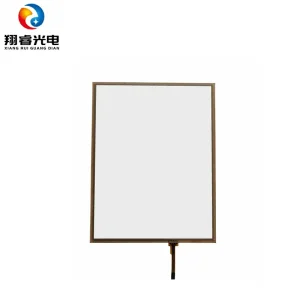
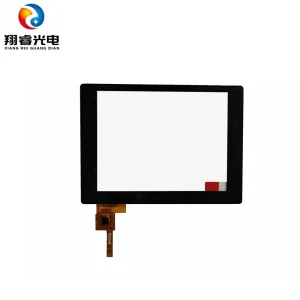
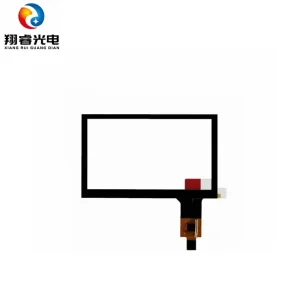
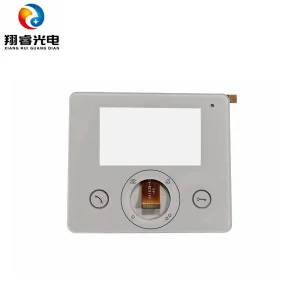
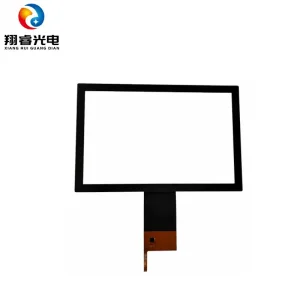
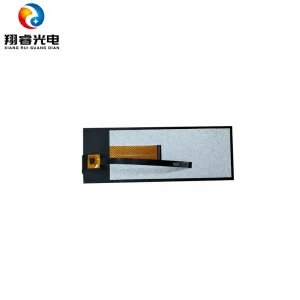
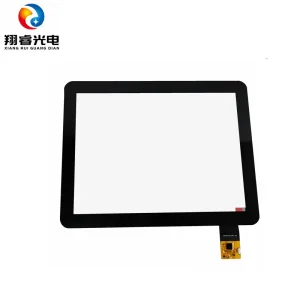
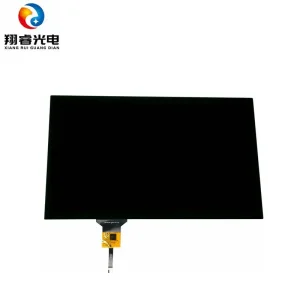
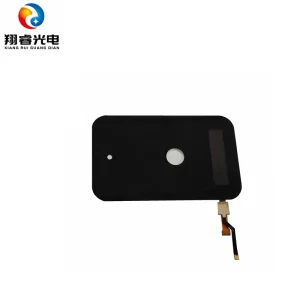
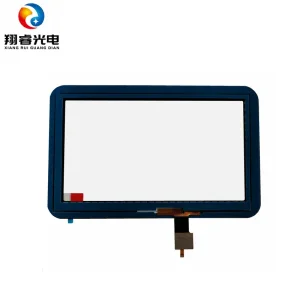
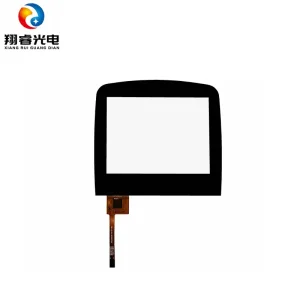
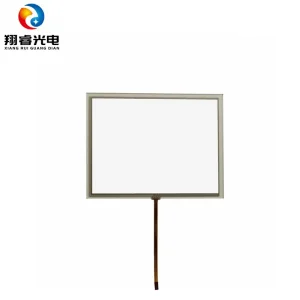
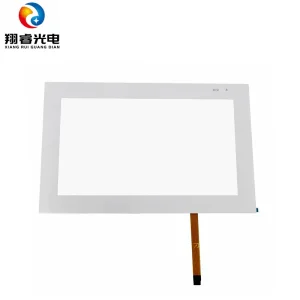
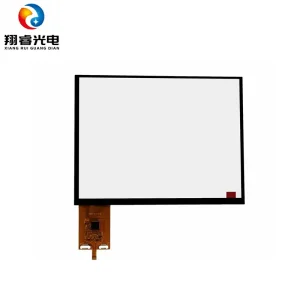
Explore our core product lines featuring industry-grade reliability, multi-touch capabilities, and optical bonding options.
An in-depth analysis of structural advances, surface physics, and market forces shaping modern human-machine interfaces.
The 24-inch form factor has emerged as a cornerstone sizing standard in modern commercial, medical, and industrial sectors. Providing the optimal balance between high-density data visualization and ergonomic human-machine physical footprint, it allows software engineers to design rich graphical user interfaces (GUIs) without compromising readability or physical space constraints.
Historically, industrial HMI systems relied on smaller 7-inch to 15-inch displays. However, with the rapid deployment of Industrial Internet of Things (IIoT) platforms and complex SCADA architectures, real-time analytics require larger visual representations. The 24-inch interface addresses this by hosting multi-window control panels alongside live sensor feeds. Key industry transitions include:
Understanding the mechanical and physical variance between touchscreen technologies is vital for global B2B procurement decisions. The following comparative data displays structural behaviors under heavy usage.
| Physical Property | Projected Capacitive (PCAP) | Resistive Touch Panels | B2B Procurement Advantage |
|---|---|---|---|
| Touch Points | Up to 10-Point Multi-Touch | Single Point (Pressure Sensitive) | PCAP supports gestures (zoom, swipe). |
| Optical Clarity | > 90% (Optical Bonding > 92%) | ~ 75% to 82% | PCAP reduces backlight energy consumption. |
| Surface Hardness | Mohs 7H (Tempered Cover Glass) | Mohs 3H (PET Film overlay) | PCAP eliminates scratch-induced touch failures. |
| Working Lifetime | Virtually unlimited (Glass surface) | ~ 1 to 5 Million actuations per point | PCAP reduces field replacement costs. |
| Environmental Protection | Fully sealed glass, up to IP67/IP69K | Susceptible to flex-fatigue/water ingress | PCAP excels in extreme sanitation zones. |
Operating from Guangzhou, Guangzhou Xiangrui Optoelectronics Technology Co., Ltd. (established in 2010) represents the evolution of China's advanced manufacturing capabilities. Our production facilities maintain state-of-the-art standards to address international OEM and ODM demands.
With a dedicated facility size of 3,000 square meters (and an extensive overall footprint of approximately 10,000 square meters), our plant houses class 100, class 1,000, and class 10,000 dust-free cleanrooms. This pristine manufacturing environment is necessary to prevent airborne particle contamination during high-precision optical bonding (LOCA/OCR) processes.
"By integrating precision automation, automated optical inspection (AOI), and strict ISO 9001:2015 and ISO 14001:2015 protocols, we guarantee batch-to-batch structural integrity, making us a strategic component supplier globally."
Our core focus addresses the risks faced by global supply chains: component lead-time stability and strict compliance verification. By sourcing premium raw materials directly and maintaining localized vertical integration (from cover glass cutting, chemical tempering, screen printing, to ITO sensor layout and module lamination), we shield overseas buyers from supply fluctuations.
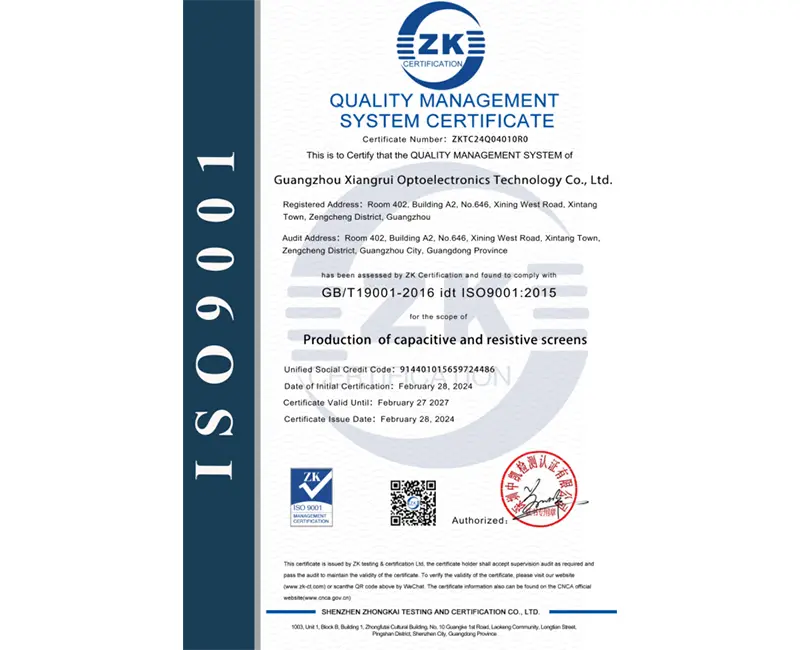
Proven engineering excellence, international compliance, and scaled production capabilities.
How custom-tailored 24-inch touchscreens perform under diverse, demanding real-world conditions.
In hot-rolling mills, chemical manufacturing, and heavy assembly floors, electromagnetic interference (EMI) can trigger false touch activations. Our custom PCAP controllers utilize hardware-level filtering and frequency-hopping software to maintain precision control. The outer layer supports up to 6mm cover glass to protect against tools and physical impacts.
Operating rooms demand zero tolerance for input lag or fluid-induced touch failures. By applying specialized controller tuning, our 24-inch medical touchscreens support gloves (latex, nitrile, neoprene) and remain responsive when exposed to saline solutions or surgical fluids. The flat-panel glass housing simplifies disinfection and cleanup protocols.
Self-service payment terminals operate in variable weather and high-humidity environments. To address these demands, our optical bonding service seals the air gap between the touchscreen and LCD display. This configuration eliminates internal condensation, enhances mechanical strength, and reduces light reflections under direct sunlight.
To meet specific industrial applications, we offer customized options across the entire physical stack of the touch system:
Crucial technical insights to guide your touchscreen sourcing and systems integration processes.
Explore our broader selection of high-performance touchscreens designed to support custom industrial hardware setups.
 Xiangrui Optoelectronics