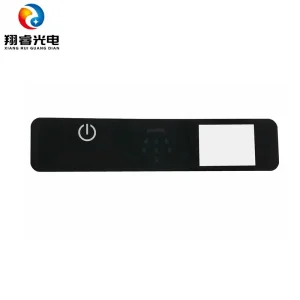
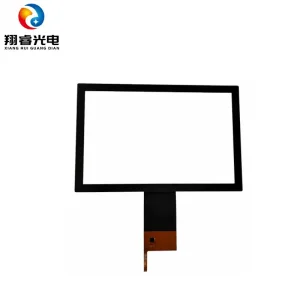
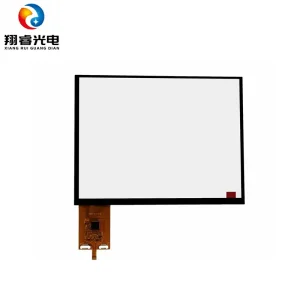
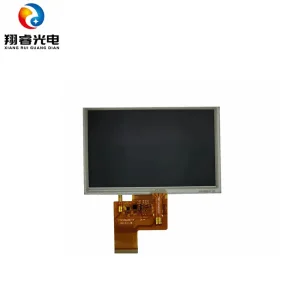
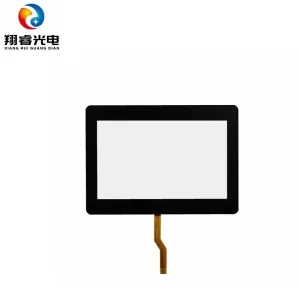
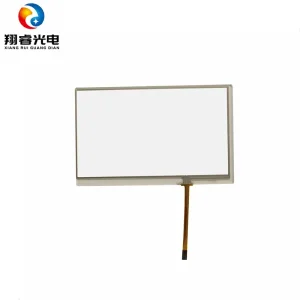
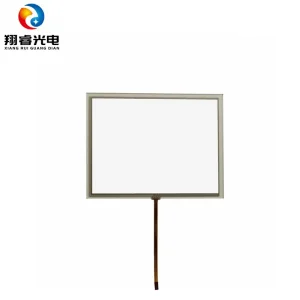
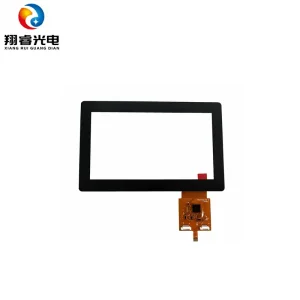
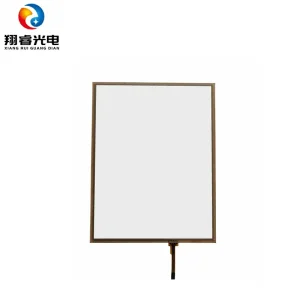
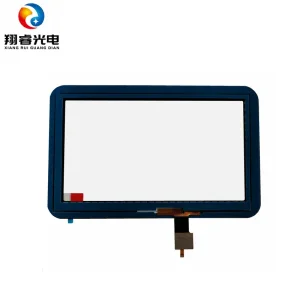
High-performance industrial, medical, and domestic touch control arrays engineered to standard specifications.
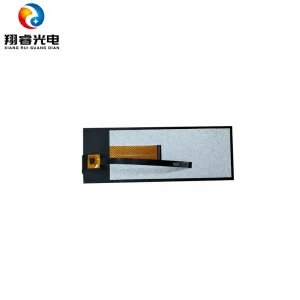
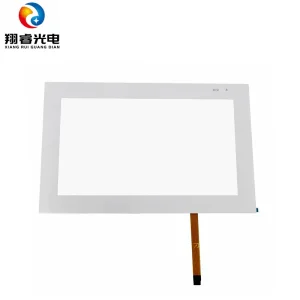
Modern product design demands the abandonment of traditional flat, rectangular interfaces. As physical buttons give way to capacitive touch integration, the shape of the interface itself must adapt to ergonomic surfaces, vehicle consoles, medical control units, and customized home appliances. This is where Special-Shaped Touch Buttons step in.
Unlike standard rectangular sensors, special-shaped capacitive panels are engineered with custom circular profiles, concave curvatures, interior cutouts, and 3D shapes. They utilize advanced localized sensitivity controls to ensure high signal-to-noise ratios (SNR), even in non-traditional geometric layouts.
Deciding between Projected Capacitive (PCAP) and Resistive layers for custom, non-standard mechanical layouts.
| Feature Parameter | Projected Capacitive (PCAP) Buttons | Resistive Touch Assemblies | Guangzhou Xiangrui Hybrid Capability |
|---|---|---|---|
| Geometric Flexibility | Excellent; supports complex shapes, circular outer lines, and 2.5D/3D curved cover glass structures. | Moderate; primarily flat profiles but can be adapted for custom rectangular cutouts. | CNC glass milling allows custom 0.5mm to 10mm borders with complex profiles. |
| Durability & Impact | Extremely High; scratch-resistant cover glass (up to 7H Mohs hardness). IP65 configurations. | Moderate; requires a flexible overlay but offers excellent chemical resilience. | IK08/IK10 impact protection, chemical-tempered and anti-glare custom cover glass. |
| Environmental Resistance | Wide operational temps with specialized ICs. Works through glove, water, and debris layers. | Inherent immunity to EMI/RFI and liquid droplets. Activated by physical pressure. | Custom wide-temp sensors operational from -30°C to +85°C, matching IP65 standard. |
| Bonding Options | Optical bonding (LOCA/OCR) for display integration; standard double-sided frame fitting. | Frame fitting / air bonding; optical bonding under strict environmental control. | Full in-house cleanroom optical bonding to eliminate air gaps and moisture ingress. |
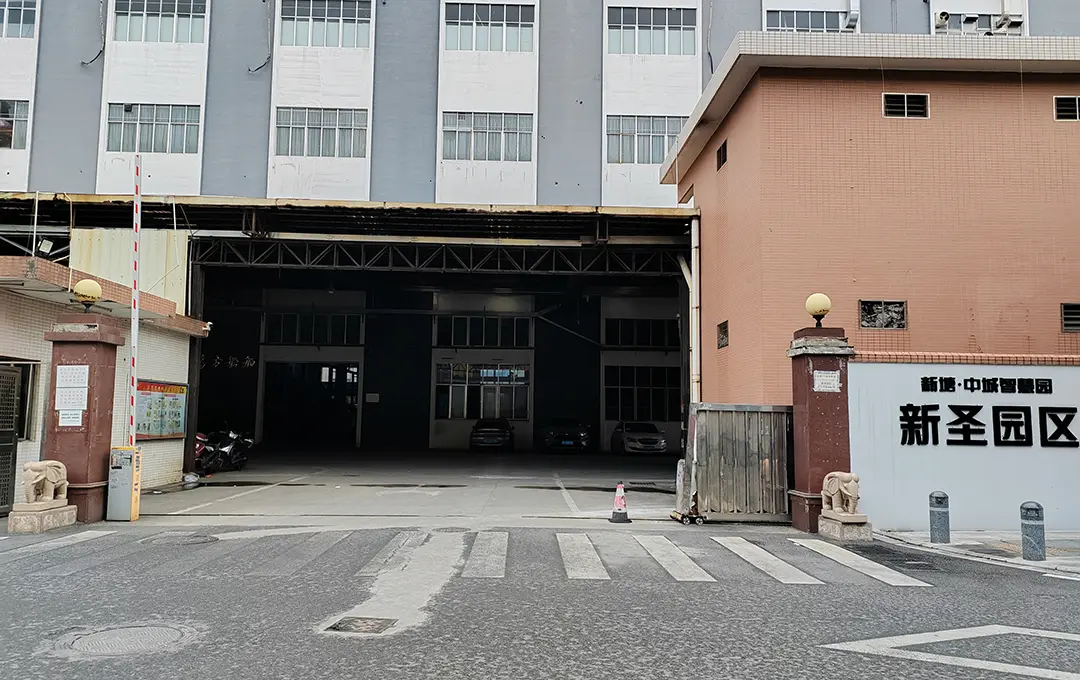
Founded in 2010 and strategically located in Guangzhou, China, we are a premier manufacturer dedicated to the research, development, production, and custom integration of high-performance resistive touch panels, capacitive touch panels, cover glass assemblies, and optical module bonding.
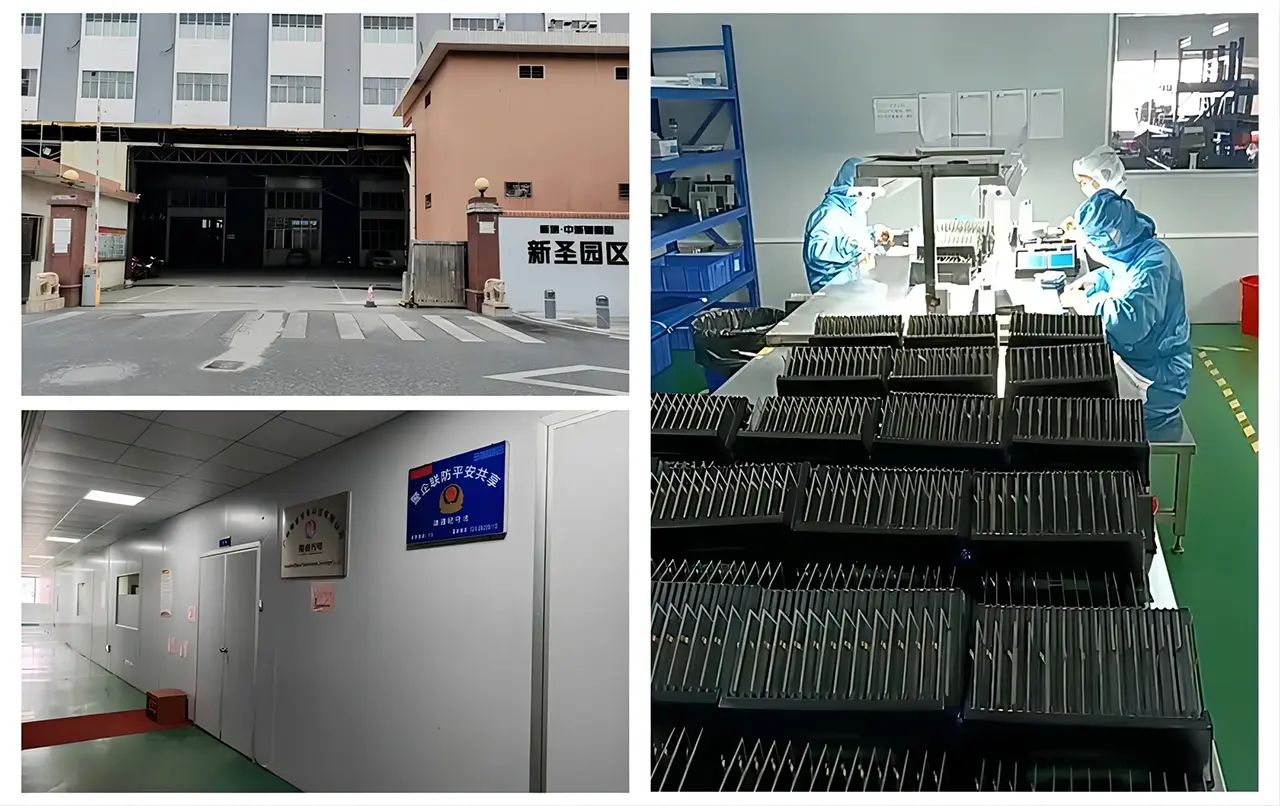
Equipped with Class 100, Class 1000, and Class 10000 dust-free workshops, we handle precision sensor fabrication and display integration under strict quality protocols. We are ISO 9001 and ISO 14001 certified, providing comprehensive OEM/ODM services for demanding applications in industrial automation, medical device interfaces, smart home networks, marine displays, and bio-recognition payment systems.
Maximizing efficiency, manufacturing precision, and design flexibility through vertical supply chain integration.
Developing custom-contoured cover glass requires precise diamond CNC milling. Guangzhou factories offer rapid tooling turnaround, permitting quick iterations of custom sensor routing (FPC layouts) and glass profiles without prohibitive upfront development costs.
Operating under ISO 9001 and ISO 14001, we ensure that raw materials—from Indium Tin Oxide (ITO) films to optical adhesives and controllers—fully comply with RoHS, REACH, and other environmental requirements for export markets.
Dust particles cause high-impedance shorts and visual defects. By keeping sensor alignment, cover glass lamination, and display integration within Class 100 cleanrooms, we minimize optical distortion and keep yield rates high.
Special-shaped capacitive touch buttons and displays are finding applications across highly specialized industries. We design custom panel architectures for:
Circular smart dials, flush-wall thermostat rings, and customized kitchen appliances with built-in capacitive sliders that resist water spray and culinary oils.
IP65 dust- and waterproof-rated touch keypads with wide temperature tolerance ranges (-30°C to +85°C) to withstand vibration, shocks, and industrial chemical washes.
Hermetically sealed, chemical-resistant cover glass interfaces that support hand sanitizer washes, nitrile glove touch activations, and palm-print optical modules.
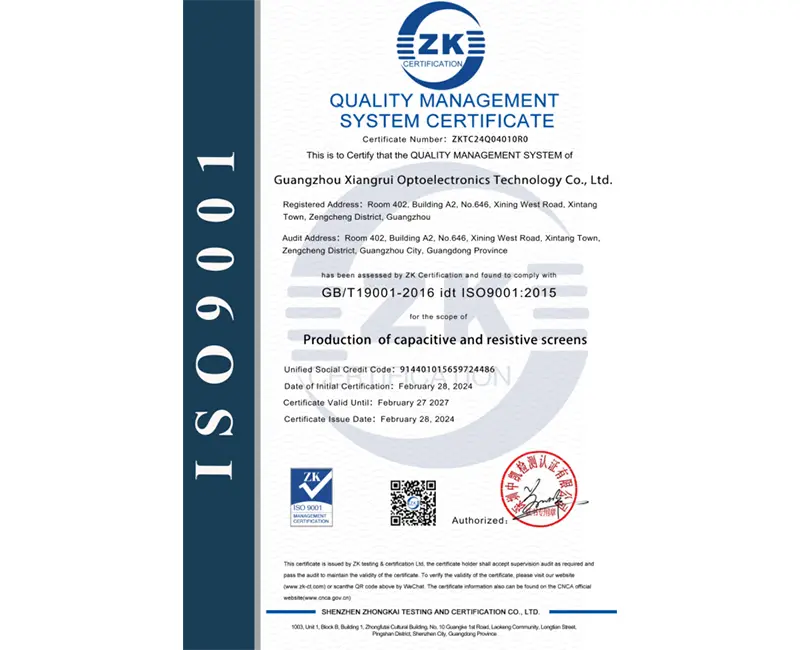
At Guangzhou Xiangrui Optoelectronics Technology Co., Ltd., we combine technical expertise with production scale to deliver reliable solutions for global OEMs.
Addressing long-term system life cycles, chemical stability, and cross-border transport requirements.
Ensure your touch screen design utilizes optical bonding to combat thermal expansion differences. Optical bonding keeps display layers integrated under UV and solar exposure without bubble formation or yellowing.
Avoid design obsolescence. By selecting standard controller chipsets (such as Ilitek, EETI, and Cypress) with reliable long-term supply paths, we guarantee form-fit-function replacements over 7 to 10-year periods.
Custom touch screens with fragile cover glass require dedicated anti-static trays and vacuum-sealed vapor barriers. This protective packaging prevents moisture build-up and mechanical damage during air or sea shipping.
Expert technical answers regarding capacitive sensor customization, cover glass decoration, and optical bonding options.
Durable resistive and capacitive control panels optimized for high-reliability systems and outdoor use.
 Xiangrui Optoelectronics