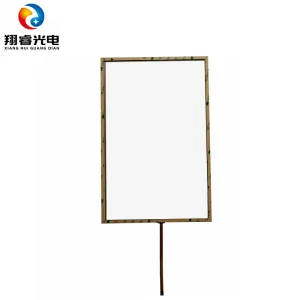
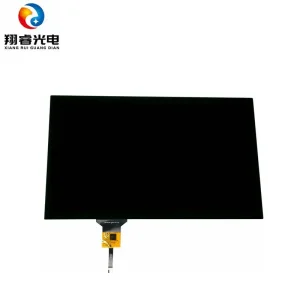
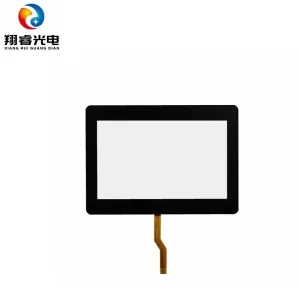
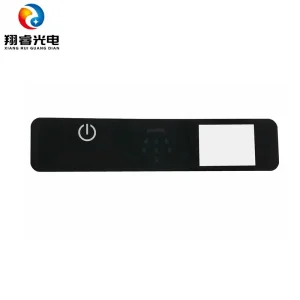
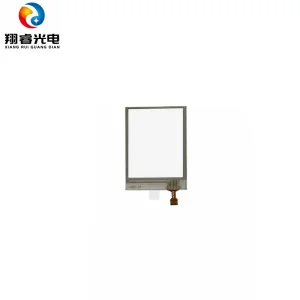
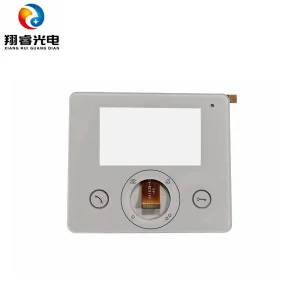
Specifically selected hardware optimized for robust deployment, featuring high environmental resistance and touch sensitivity tailored for Metro Manila's infrastructure projects.
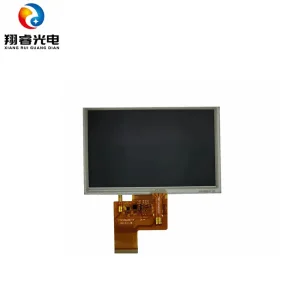
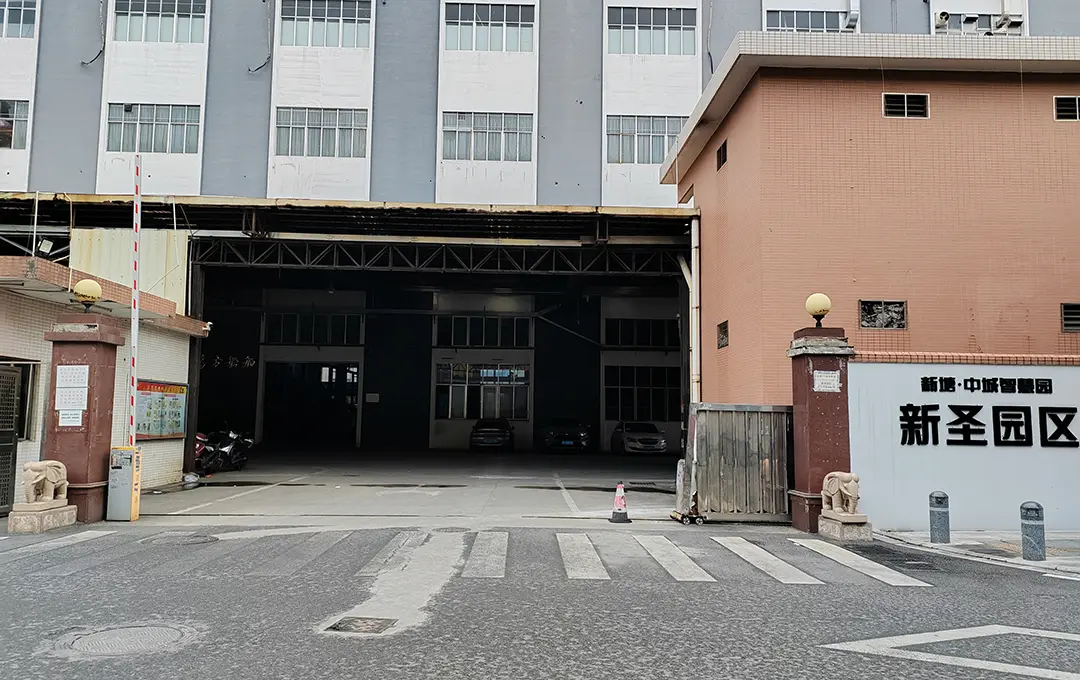
Founded in 2010 and located in Guangzhou, China, we are a high-technology enterprise dedicated to the research, development, production, and sale of industrial-grade resistive touch panels, capacitive touch screens, custom cover glass, and liquid crystal display module bonding products. Over the past decade, we have honed our production processes to support both large-scale OEM runs and custom ODM configurations.
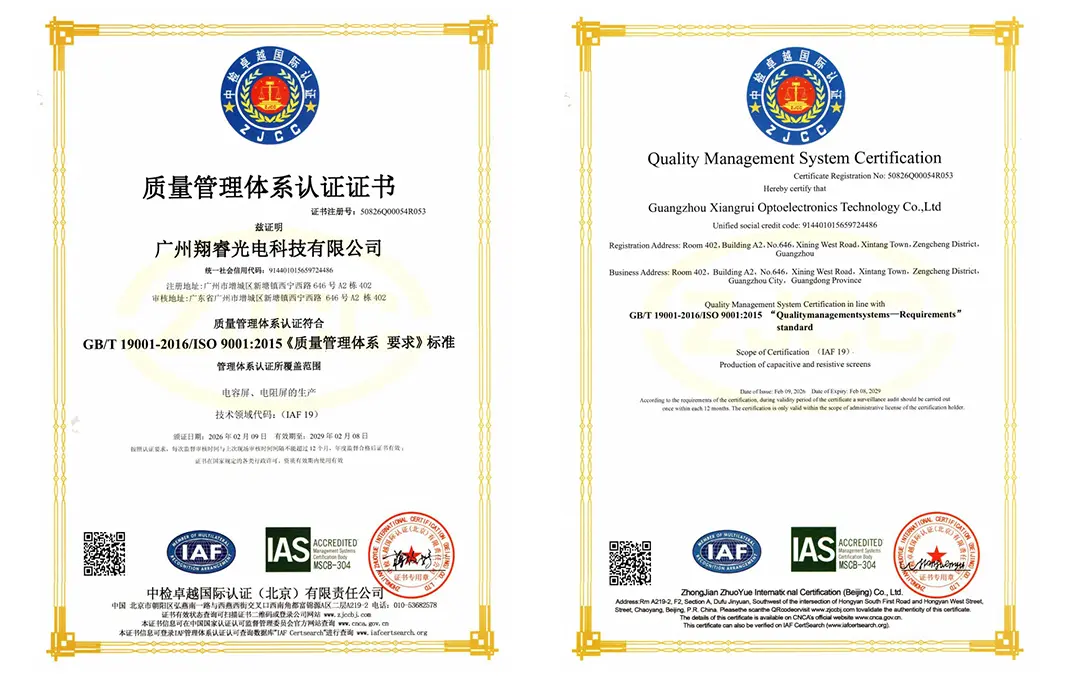
Our manufacturing practices are backed by rigorous ISO 9001 and ISO 14001 certification frameworks, ensuring that every touch screen and frame assembly that ships to the Manila industrial hubs conforms to globally recognized reliability criteria. Our products excel in challenging sectors including factory automation, medical equipment interfaces, smart household systems, high-brightness outdoor terminals, and security palm-print payment systems.
Metro Manila, the economic heartbeat of the Philippines, presents a challenging environment for precision electronics. Local industrial processes and commercial sectors operate under high humidity, high ambient temperatures, and intermittent voltage fluctuations. In coastal districts around Manila Bay, airborne salinity acts as a corrosive catalyst for sensitive contact layers. These microclimate constraints mean standard touchscreen panels quickly succumb to early delamination, silver migration, trace corrosion, and mechanical bonding failures.
For systems integrators working in the National Capital Region (NCR), Calabarzon, and Central Luzon, choosing between Frame Fitting (Tape Bonding) and Optical Bonding is critical. Standard consumer electronics cannot withstand the daily thermal cycle of Manila's tropical climate. At Guangzhou Xiangrui Optoelectronics Technology Co., Ltd., we configure frame-fitting interfaces specifically to meet these local conditions. Our manufacturing lines run specialized bonding protocols using heat-stabilized pressure-sensitive adhesives, preventing moisture pooling and mitigating display condensation.
Industrialization across the Philippines, driven by major projects like "Build, Better, More", has increased local demand for human-machine interfaces (HMIs) in warehouses, assembly lines, smart logistics, and public transport ticketing. Modern logistics firms in Pasig, Quezon City, and Parañaque rely on rugged tablets and terminals to handle high volumes of data. If a screen fails due to humidity or poor frame fitting, it causes supply chain downtime.
Our company bridges this gap by offering customized OEM/ODM frame fitting components with short production lead times. Because we manage the raw cover glass processing, custom sensor designs, and cleanroom assembly in-house, we can scale our deliveries to meet the fast-moving installation deadlines of Manila’s project contractors.
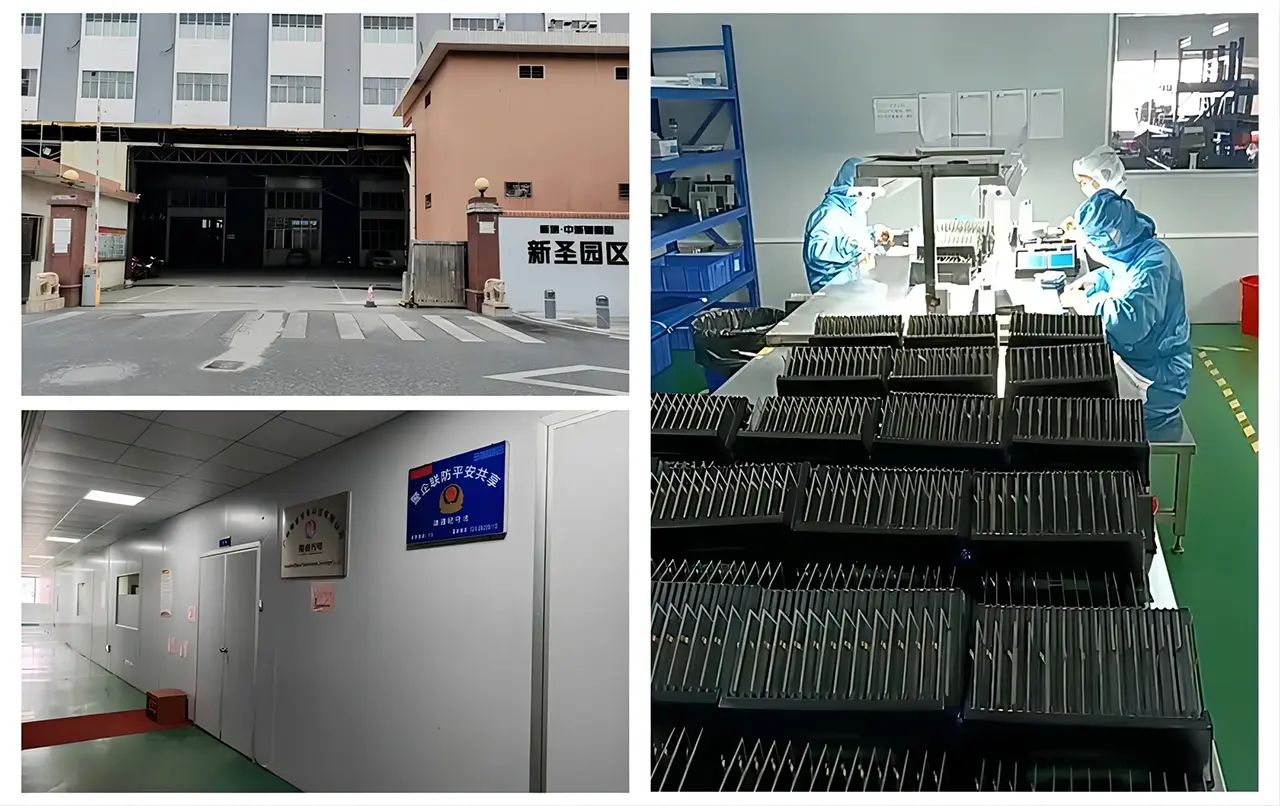
Touch panel assembly and frame fitting require strict environmental control. Even a microscopic dust particle trapped in the air gap of a resistive or capacitive panel can cause visual defects or lead to touch sensor failures over time. To prevent this, our factory operates a 3,000 square meter plant layout configured with specialized Class 100 (ISO 5), Class 1,000 (ISO 6), and Class 10,000 (ISO 7) dust-free workshops.
Our Class 100 zones are dedicated to optical bonding and critical sensor lamination stages, while our Class 1,000 and 10,000 cleanrooms are optimized for frame fitting and cover glass assembly. By matching specific production steps to controlled cleanroom classes, we maintain high yields and keep pricing competitive for our partners in the Manila market.
Engineered performance, certified reliability, and a customer-first approach to touch display hardware manufacturing.
We maintain a reputation-first, quality-driven operation. By adhering to ISO 9001 quality management and ISO 14001 environmental management frameworks, we ensure all components, from raw glass to finished frames, meet rigorous performance standards.
Led by our specialized R&D department, we continuously develop utility patents and custom touch panel designs. We were recognized as a High-Tech Enterprise in Guangdong Province in 2022, highlighting our commitment to materials research.
We provide fast dispatch, technical support, and component replacement services optimized for the Philippines. Our engineering team assists with display calibration, gasket selection, and moisture-prevention strategies for Manila projects.
How our customized touch screen panels are integrated into the daily logistics and commercial landscape of the Philippines.
Self-service ordering screens in Manila’s fast-food outlets face continuous operation and physical wear. Our custom capacitive touch panels, configured with chemical-strengthened glass and anti-glare coatings, resist micro-scratches and remain highly responsive.
Manufacturing zones in Laguna, Cavite, and Batangas use automated systems that require robust interfaces. Our IP65 resistive touch screens withstand oil, dust, and electrical noise from heavy machinery, providing reliable long-term performance.
Public ticketing systems in transit hubs must endure high temperatures, bright sunlight, and seasonal rainfall. Our frame-fitting assemblies utilize UV-resistant gasket materials to prevent yellowing and maintain structural bond integrity in outdoor settings.
OEM touch controllers, sensors, and optical interfaces designed for custom instrumentation and smart display retrofitting projects.
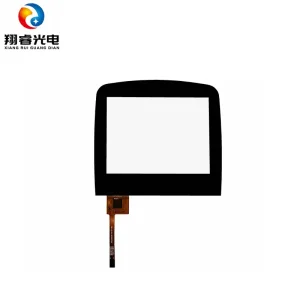
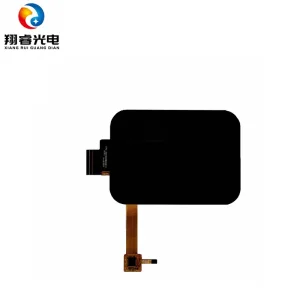
In touch screen module design, bonding structural layers requires balancing optical clarity, mechanical durability, heat dissipation, and budget targets. Designers in the Manila market generally choose between two core integration methods:
Frame fitting, or air bonding, secures the touch panel to the LCD module frame using a high-adhesion double-sided tape. This leaves a small air gap between the active touch layer and the LCD polarizer.
Optical bonding fills the air gap between the touch sensor and the display using Liquid Optically Clear Adhesive (LOCA) or solid Optically Clear Adhesive (OCA) sheets. This eliminates internal reflective interfaces.
To ensure our touch panels withstand Manila's high humidity and warm temperatures, each batch undergoes strict stress-testing protocols at our production facility. We evaluate material degradation and structural stability under accelerated aging conditions before shipping to customer hubs.
Assemblies are placed in an environmental chamber at 60°C with 90% Relative Humidity for 240 continuous hours. This confirms the frame tape adhesive remains stable and doesn't delaminate under tropical conditions.
Modules are cycled rapidly from -40°C to +85°C over 100 cycles to evaluate durability, ensuring the differences in thermal expansion between the glass, plastic, and adhesives do not cause stress fractures.
Through our quality control system, we monitor and record manufacturing data for every production run, including gasket compression forces, lamination temperatures, and sensor resistance profiles. This provides trace verification for our industrial and commercial partners.
Explore our full selection of resistive and capacitive touch components, offering reliable performance for diverse commercial and industrial setups.
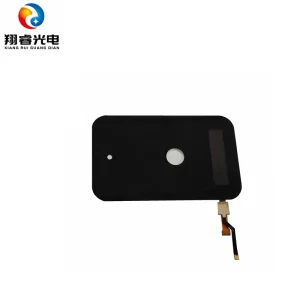
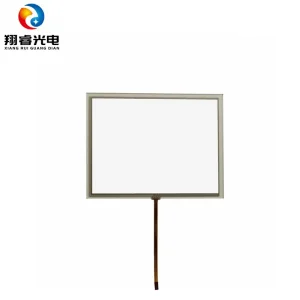
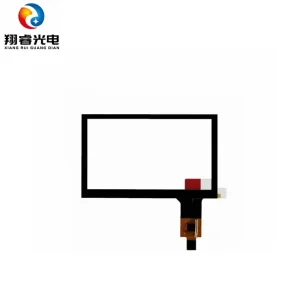
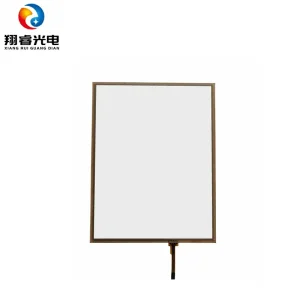
As touch technology evolves, Guangzhou Xiangrui Optoelectronics Technology Co., Ltd. is continually updating our manufacturing procedures. We are focusing on two key technology trends that will shape the next generation of touchscreens in Metro Manila:
In busy commercial spaces like Bonifacio Global City (BGC) and Ortigas Center, interactive screens are touched by thousands of users daily. We are developing cover glass solutions with permanent antimicrobial surface coatings to improve public hygiene. In addition, we are transitioning to ultra-fine metal mesh sensors to support narrow bezel layouts and clean aesthetic designs.
Deploying touchscreens outdoors in direct tropical sunlight requires high visibility. We are engineering frame assemblies that integrate anti-reflective circular polarizers. This design reduces glare and ensures the display remains legible, even to users wearing polarized sunglasses.
Detailed technical answers to help guide your touchscreen integration and sourcing decisions.
Contact our engineering team to discuss custom sizes, cleanroom lamination steps, cover glass modifications, or localized delivery options for the Philippines.
 Xiangrui Optoelectronics