Tailored for Czech Republic Automotive, Heavy Industry, and Medical Engineering Standards
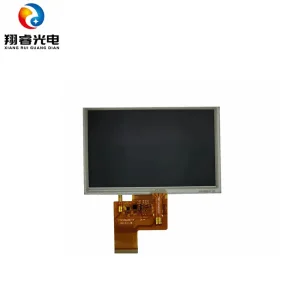
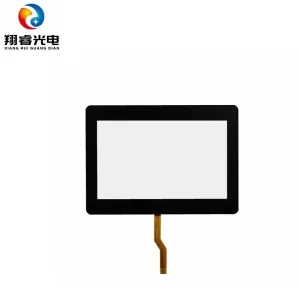
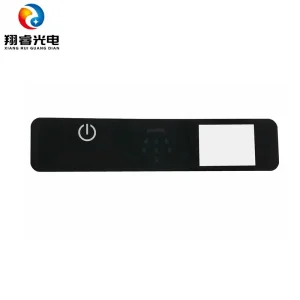
The Czech Republic stands as a central pillar of the European automotive and machinery industries. With heavy clusters in Prague, Brno, Pilsen, and Ostrava, local tier-1 suppliers and OEMs demand the highest standards of reliability for HMI (Human-Machine Interface) hardware. Display integration—specifically frame fitting technology—plays a critical role in local assembly lines, railway systems, medical devices, and smart energy grids.
In the modern manufacturing landscape, frame fitting (or air bonding) remains a highly cost-efficient and structurally sound method for sealing displays to protective bezels. As Czech factories move toward Industry 4.0 automation, display durability, ESD protection, electromagnetic compatibility (EMC), and glove-compatible interfaces have transitioned from simple upgrades to mandatory operational requirements.
Guangzhou Xiangrui Optoelectronics Technology Co., Ltd. serves as an overseas technology partner to Czech system integrators, providing precision-bonded display configurations that bridge Eastern manufacturing capacity with Central European engineering rigor.
Selecting the optimal display assembly method for harsh industrial environments
Frame fitting utilizes ultra-strong industrial adhesive tape applied around the perimeter of the touch panel and display bezel. By maintaining a precise, engineered air gap, this assembly technique protects the LCD panel from localized mechanical stress and pressure points, mitigating the risk of display discoloration and micro-cracking in heavy industrial environments.
In applications where high-luminance backlight units are deployed, temperature regulation is critical. The air gap inherent in frame fitting acts as a thermal buffer and insulation layer. Coupled with targeted venting, frame-fit assemblies prevent panel overheating and localized hot-spots, ensuring continuous operation in ambient temperatures exceeding 60°C.
Unlike optical bonding, which encapsulates the display stack in resin (LOCA/OCA), frame-fitted modules can be disassembled and repaired. This is particularly advantageous for high-value industrial systems operated by municipal services or heavy industrial facilities in the Czech Republic, lowering the total cost of ownership (TCO) through field repairability.
| Performance Parameter | Frame Fitting (Tape / Air Bonding) | Optical Bonding (OCA / LOCA) | Czech Industrial Use-Case Recommendation |
|---|---|---|---|
| Direct Component Material Cost | Low to Medium (Optimized BOM) | High (Specialized Polymers/Resins) | Frame Fitting is ideal for high-volume automotive & commercial kiosks. |
| Field Repairability & RMA | Excellent (Cover glass can be separated) | Difficult (Requires complete component replacement) | Frame Fitting saves cost in remote rail or transit systems. |
| Vibration & Shock Dampening | Good (Leverages perimeter isolation) | Superior (Eliminates internal air gap completely) | Optical bonding for heavy mining; Frame Fitting for factory HMIs. |
| Refractive Index Matching | 1.0 (Air Gap) | 1.49 - 1.51 (Matching Glass/Polymer) | Optical Bonding is preferred for high-ambient outdoor sunlight displays. |
| Moisture / Condensation Resistance | Requires Sealed Perimeter Bezel (IP65) | Inherently Resistant (No air gap to trap moisture) | Frame Fitting with high-grade structural adhesive is ideal for dry factory floors. |
How our custom display integrations serve regional production facilities
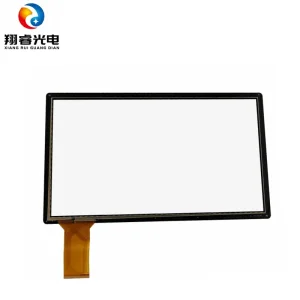
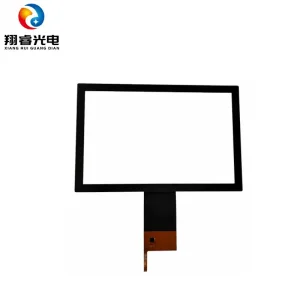
High-performance touch modules engineered for reliability, safety, and performance
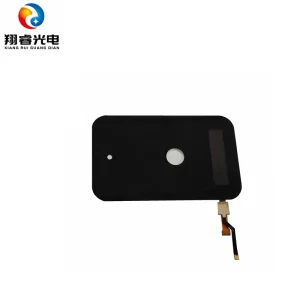
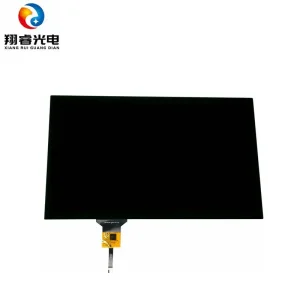
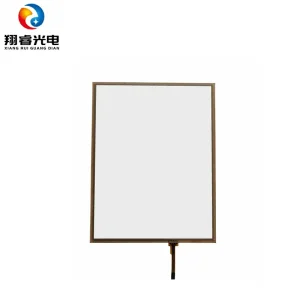
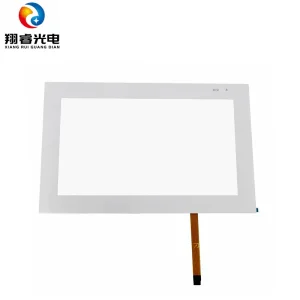
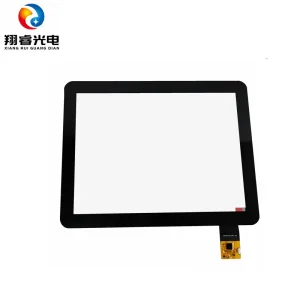
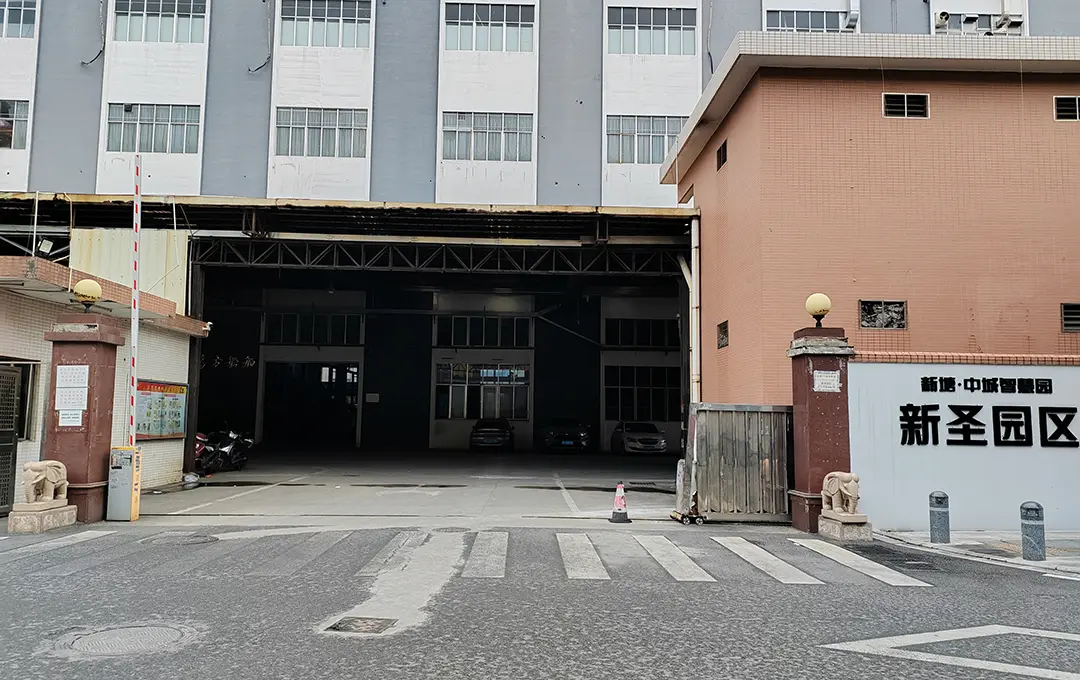
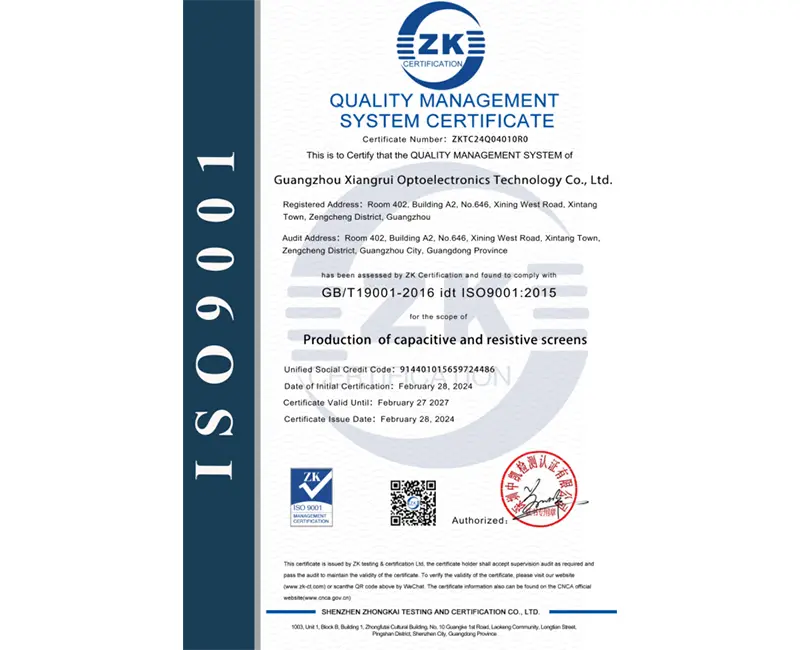
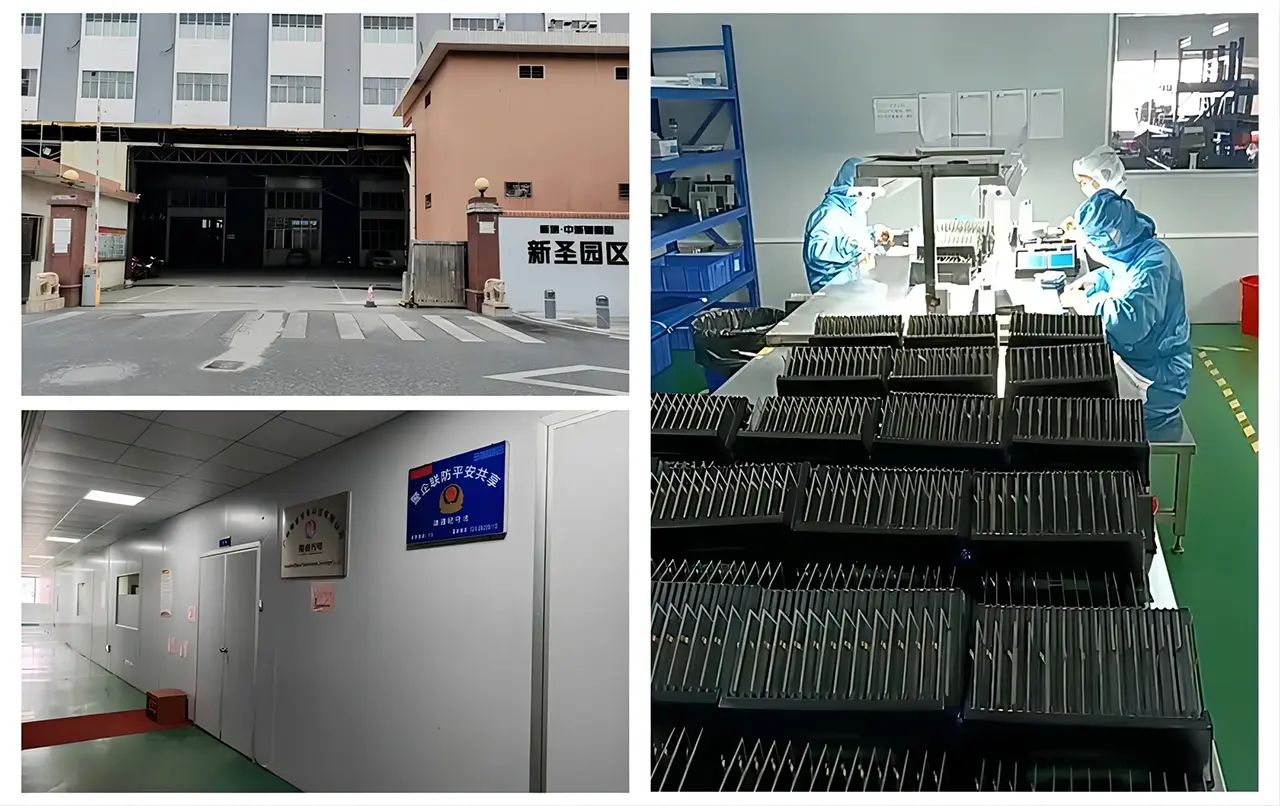
As a technology company focused on international display distribution, Guangzhou Xiangrui Optoelectronics Technology Co., Ltd. operates under strict quality standards. Our manufacturing processes conform to ISO 9001:2015 (Quality Management Systems) and ISO 14001:2015 (Environmental Management Systems).
Each frame-fitted touch panel assembly undergoes testing in our Class 100, Class 1000, and Class 10000 dust-free cleanrooms. This ensures that the air gap is free from microscopic particulates that could impair optical transmission or lead to sensor short-circuits.
Furthermore, our designs are optimized for industrial electromagnetic immunity (EMI) and electrostatic discharge (ESD) resistance, protecting against systemic disruptions in complex industrial environments.
Addressing technical concerns regarding display assembly, supply chain resilience, and environmental integration
 Xiangrui Optoelectronics