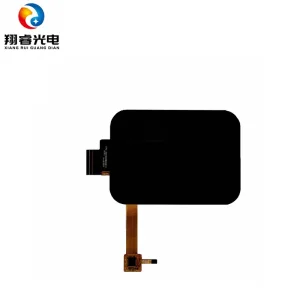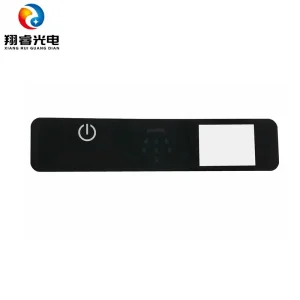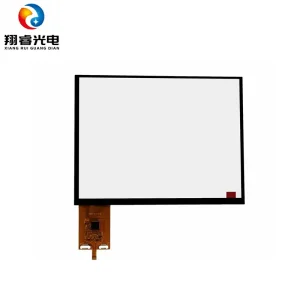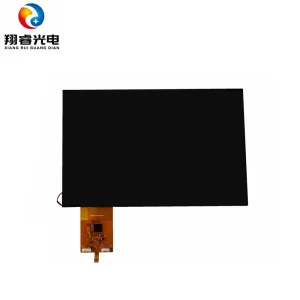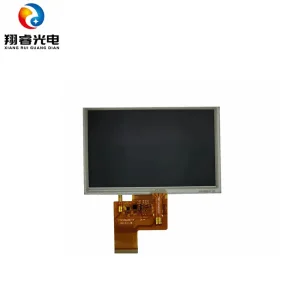
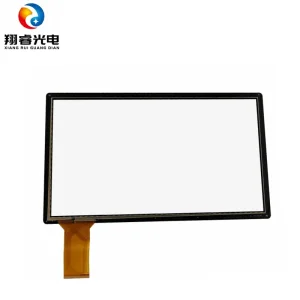
The United Kingdom's manufacturing landscape is witnessing an aggressive shift toward Industry 4.0 automation, digital transformation in healthcare (NHS systems), and precision aerospace installations. From the automotive hubs in the Midlands to advanced marine instrumentation clusters along the North Sea, the demand for highly reliable Human-Machine Interfaces (HMIs) has never been more critical.
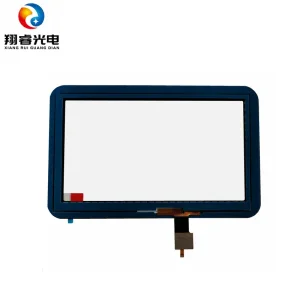
Frame fitting—often referred to as air bonding—remains a cornerstone technology for integrating protective cover glass, capacitive touch sensors, and rugged LCD modules. Unlike direct optical bonding, precision-engineered frame fitting utilizes advanced pressure-sensitive adhesives (PSAs) along the outer perimeter (frame) of the touch panel. This creates a mechanical stack-up that balances thermal cycling resistance with cost-effectiveness, enabling easier repairability and component disassembly—features highly prized by UK system builders and maintenance engineering groups.
Furthermore, post-Brexit regulatory revisions demand strict alignment with UKCA (UK Conformity Assessed) standards alongside classic CE marking. For local OEMs, choosing a manufacturing partner who understands both design mechanics and localized regulatory compliance is essential for preventing long-term operational liabilities.
In high-reliability applications, UK engineering departments frequently weigh the pros and cons of air-gap frame fitting versus optical bonding (OCA/LOCA). Understanding these micro-structural differences determines the long-term field endurance of the touch display assembly.
Frame fitting leaves a thin air gap (0.1mm - 0.5mm) between the LCD polariser and the sensor. In indoor industrial setups, this performs exceptionally. However, in direct sunlight, the index mismatch (Glass ref. index 1.5 vs. Air 1.0) can cause reflections. Anti-Reflective (AR) coatings help mitigate this effect.
In variable temperatures (such as offshore wind turbine HMIs or steel mills), dissimilar materials expand at different rates. The air gap in a frame-fitted display acts as a natural buffer, absorbing mechanical stress and preventing optical artifacts or panel cracking.
Frame-fitted modules offer superior reworkability. If the outer cover glass breaks during field operations, the sensor and LCD can be separated and replaced without destroying the display, dramatically decreasing lifetime operating costs (TCO).
For outdoor kiosk deployments across rainy or humid British landscapes, our cover glass treatments utilize chemical vapor deposition (CVD). This optimizes light transmission up to 98% while ensuring sweat, moisture, and rainwater run off the surface without triggering false touch inputs on capacitive ICs.
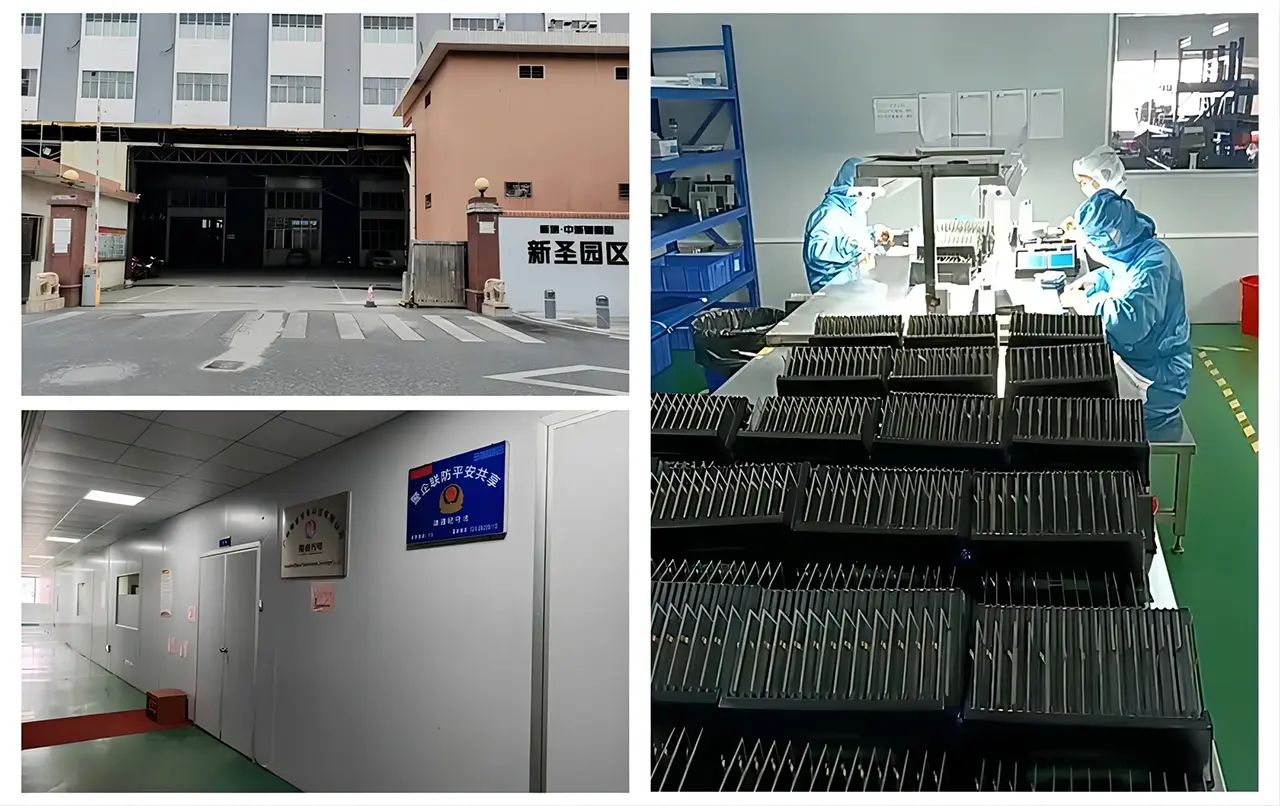
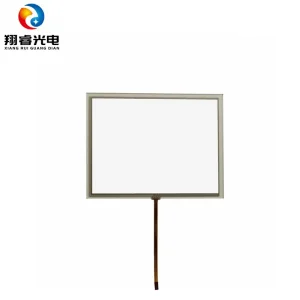
Founded in 2010 in Guangzhou, China, we are an industry-leading designer and manufacturer specialized in the development, production, and custom engineering of resistive touch screens, projected capacitive touch panels, cover glass assemblies, and advanced module bonding products.
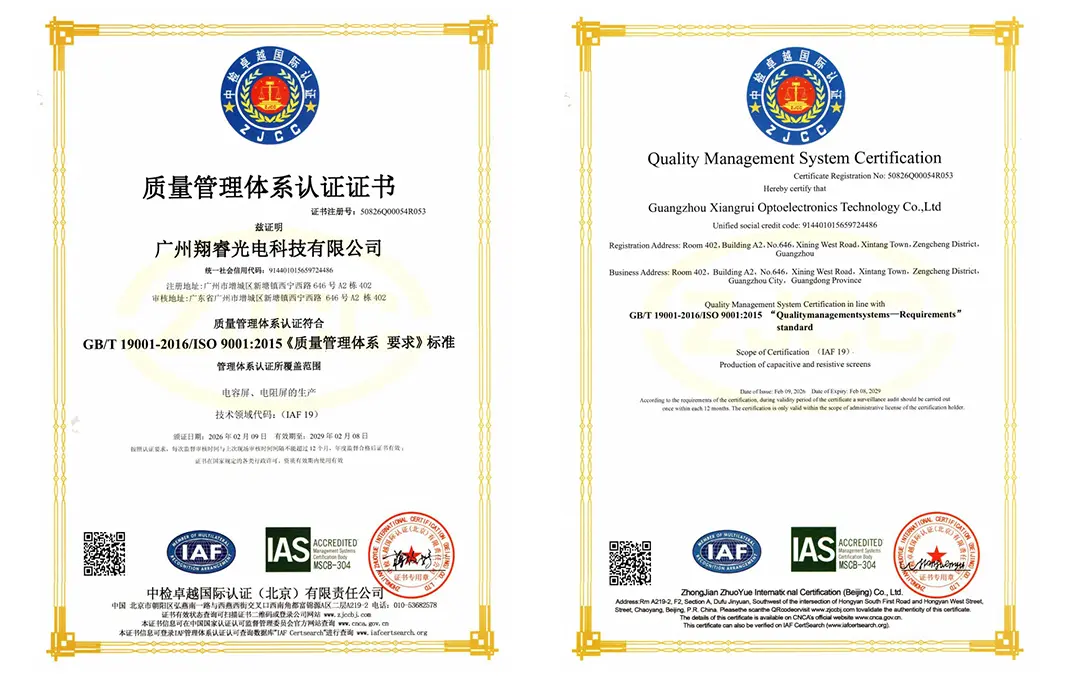
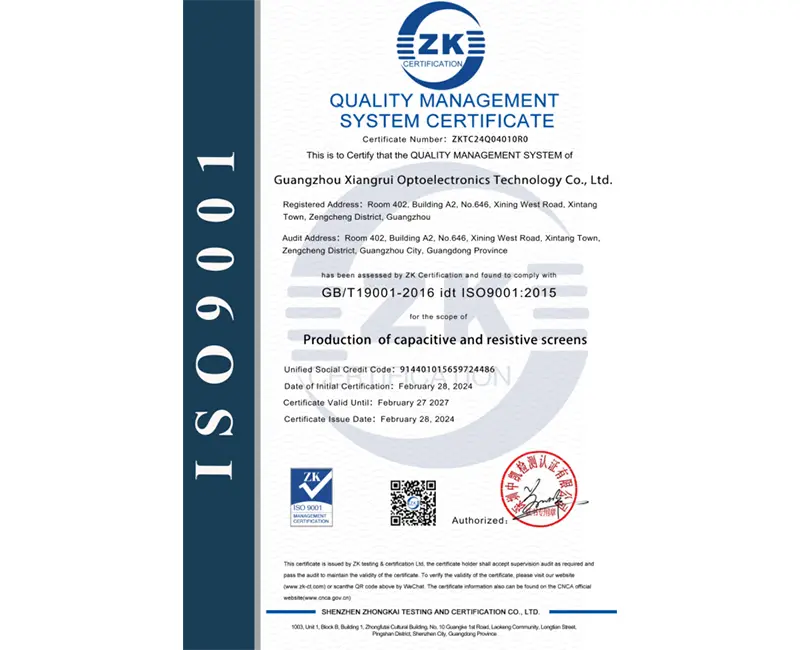
With cleanroom facilities optimized to Class 100, Class 1000, and Class 10000 standards, we guarantee particle-free assembly required for zero-defect frame fitting. Over the past decade, we have secured more than 30 utility patents and achieved ISO 9001 and ISO 14001 certifications. Our products support high-intensity sectors including medical imaging, industrial machine controllers, intelligent smart homes, rugged outdoor terminals, and palm-print payment systems worldwide.
Frame-fitted display modules are highly sensitive to particulate contamination during assembly. A single dust particle trapped in the air gap acts as an optical defect, refracting light and causing display anomalies. At Guangzhou Xiangrui Optoelectronics, we address this vulnerability through rigorous climate and particle controls.
Our facility houses Class 100 dust-free workshops dedicated to sensor placement, ensuring the inner glass surfaces are pristine before applying structural tapes. Our advanced manufacturing equipment allows us to maintain tight tolerances down to ±0.1mm on frame alignment, preventing cover glass mismatch and optimizing bezel integration for custom UK enclosures.
Our quality department subjects every batch to environmental stress testing including thermal cycle chambers (-40°C to +85°C), high humidity aging (95% RH at 60°C), and electrostatic discharge (ESD) immunity testing, meeting standard industrial requirements across European territories.
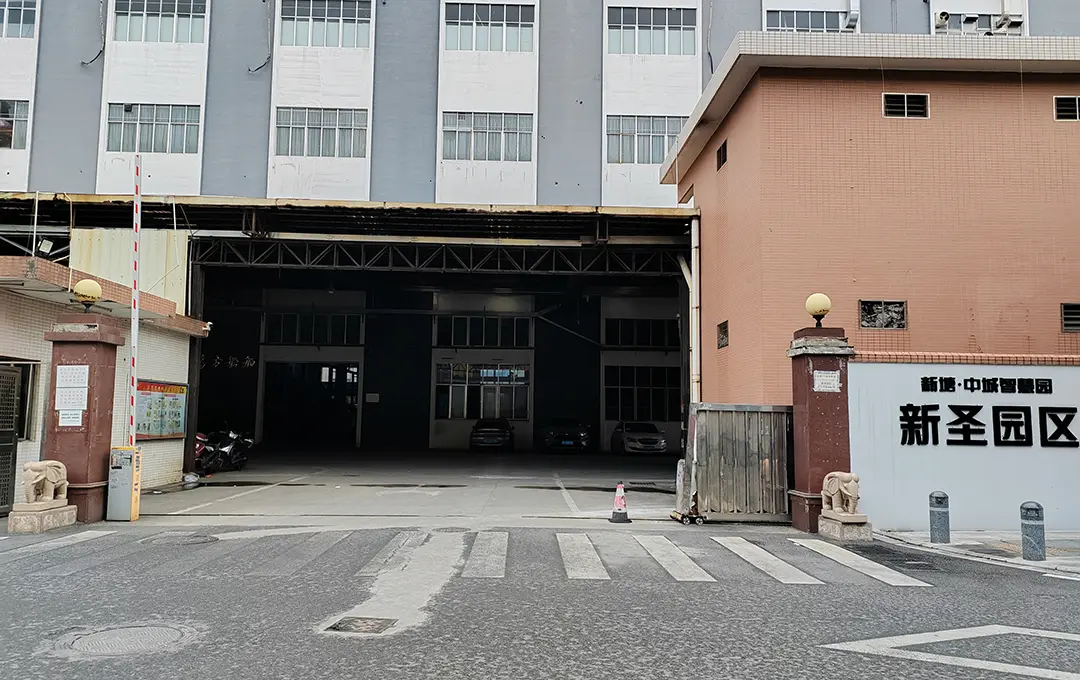
Procuring displays for the UK market requires compliance with stringent regulatory frameworks. All products leaving our ISO-certified facilities are engineered to comply with the RoHS (Restriction of Hazardous Substances) directive and REACH regulations. This guarantees that no hazardous chemicals are present in the adhesive tapes, touch sensors, or cover glass substrates used in our assemblies.
For UK healthcare integrations, we support compliance with BS EN ISO 60601-1 (Medical Electrical Equipment) by utilizing high-isolation materials and custom touch controller tuning (using EETI or ILITEK ICs) that withstand high electromagnetic interference (EMI) levels common in hospital environments. We provide comprehensive compliance documentation, material data sheets, and certificates of conformity with every commercial consignment.
Integrating optical scanning arrays directly behind the touch matrix for access control, high-security facilities, and point-of-sale (POS) systems across Europe.
Developing capacitive firmware capable of tracking coordinates accurately under heavy moisture, condensation, or direct contact with salt water.
Advanced tuning profiles supporting industrial gloves up to 5mm thick (leather, neoprene, rubber) for heavy manufacturing and outdoor transport applications.
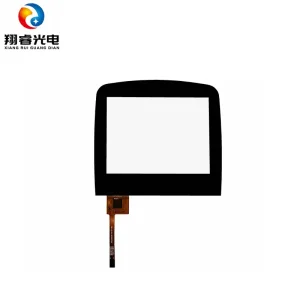
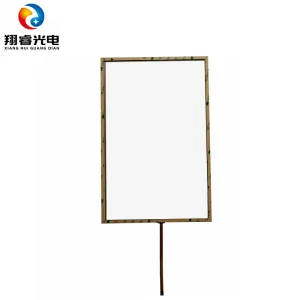
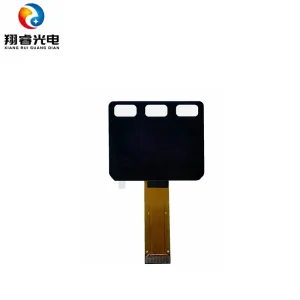
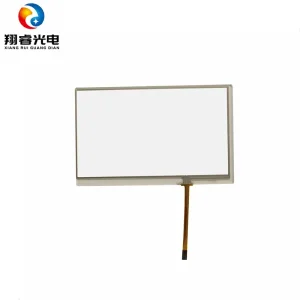
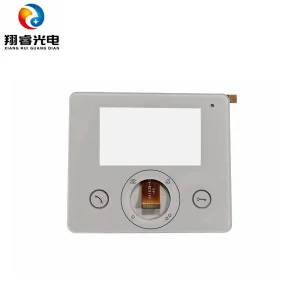
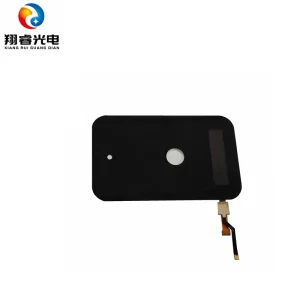
Get in touch with our design engineers for detailed drawings, optical stack recommendations, or standard frame fitting inquiries tailored to the United Kingdom and international industrial specifications.
 Xiangrui Optoelectronics