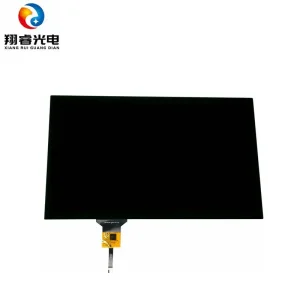
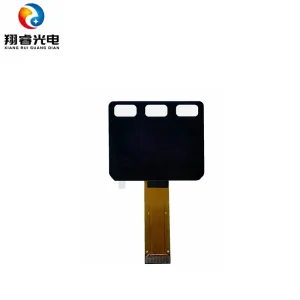
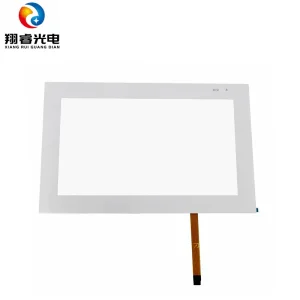
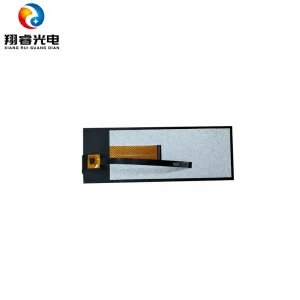
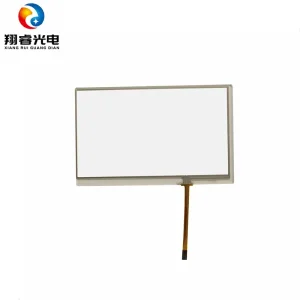
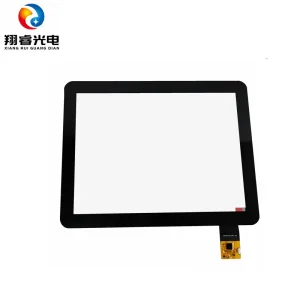
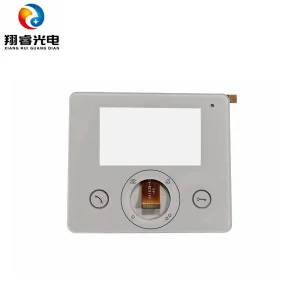
Frame Fitting Suppliers & Product in United States

High-reliability resistive and capacitive touch panel integration, tailored optical bonding, and frame fitting manufacturing solutions for demanding industrial, medical, and aerospace markets.

Send Inquiry Now

Premium Frame Fitting & Touch panel Solutions

Engineered for high performance, mechanical integrity, and harsh environmental resilience across American industrial networks.
Guangzhou Xiangrui Optoelectronics Technology Co., Ltd.

Founded in 2010, we are a leading global enterprise dedicated to the research, development, and high-precision manufacture of resistive touch panels, capacitive touch panels, customized cover glass, and complete optical bonding/frame fitting modules. With advanced cleanroom infrastructure, we serve specialized sectors including industrial control, medical diagnostics, smart home ecosystems, palm print recognition security, and rugged marine equipment.

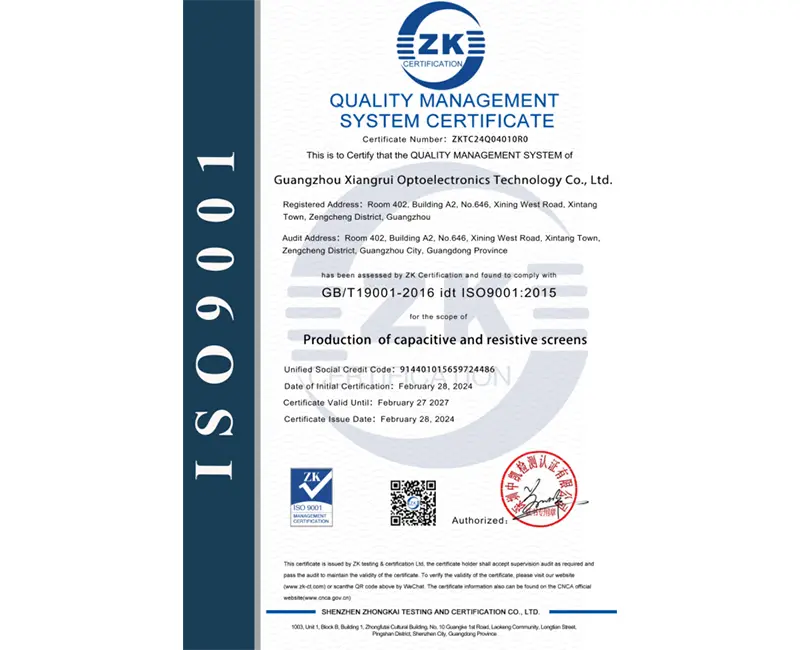
Our operation is fully certified under ISO 9001 and ISO 14001, proving our adherence to high quality control standards. Through custom ODM/OEM solutions, we bridge advanced touch sensor performance with robust mechanical housings, helping developers in the United States and global markets bring premium human-machine interfaces to life.

Learn About Our Services
Xiangrui Optoelectronics Manufacturing Cleanroom
10+ Years
R&D and Manufacturing
Over 30 design and utility patents acquired globally.
3,000+ sqm
Dust-Free Workrooms
Class 100, 1,000, and 10,000 cleanroom environments.
100+
Product Breakdowns
Serving critical industries in 40+ countries and regions.
ISO Certified
Quality Management
ISO 9001 & ISO 14001 certified for maximum reliability.

Industrial HMI Trends in the United States: Demanding Heavy Customization & Mechanical Durability

The industrial and commercial market in the United States is undergoing a rapid transition toward digital, high-definition, and multi-touch HMI (Human-Machine Interface) terminals. As Internet of Things (IoT) technologies and automated manufacturing systems scale across states like Texas, California, Ohio, and Michigan, the integration methods of touch panels inside device frames have become key metrics for hardware developers.

Historically, basic displays utilized simple mechanical mounts. Today, industrial instrumentation, smart medical hardware, and outdoor self-service kiosks require precise integration. The selection between frame fitting (air bonding) and optical bonding is no longer just a budget decision—it is a core engineering factor that directly determines optical clarity, product lifetime, impact resistance, and electromagnetic compatibility (EMC).

Comparing Technical Standards: Frame Fitting vs. Optical Bonding

For US system integrators, selecting the appropriate panel assembly type requires an understanding of mechanical and environmental limitations:

  • Frame Fitting (Air Bonding): The touch panel is fixed to the LCD bezel using high-adhesion double-sided tape (typically 3M or custom industrial adhesives). This leaves a physical air gap between the touch sensor and the display active area. It is highly cost-effective, easy to maintain or rework during production, and offers excellent performance in controlled indoor environments.
  • Optical Bonding (LOCA/OCA): The air gap between the cover glass, touch sensor, and LCD panel is completely filled with Liquid Optically Clear Adhesive (LOCA) or Optically Clear Adhesive (OCA) film. This eliminates internal reflections, enhances high-brightness sunlight readability, prevents internal condensation, and enhances overall shock and vibration resistance.
USA Market Focus: Outdoor EV charging stations, rugged marine navigation systems, and portable military field tablets require optical bonding to survive direct sunlight and temperature fluctuations. In contrast, indoor medical monitors, retail point-of-sale (POS) systems, and smart home control displays frequently choose specialized frame fitting to manage costs while retaining rugged multi-touch features.

Why US Buyers Trust China-Based Manufacturers & Optical Facilities

North American electronics designers and procurement departments look to trusted Chinese manufacturers for several clear reasons:

First, unparalleled supply chain integration. A touch display consists of cover glass, sensor layers, FPC tail routing, controller chipsets, and optical film stackups. Chinese hubs like Guangzhou bring these components under one production roof. For example, Xiangrui Optoelectronics integrates cover glass cutting, chemical tempering, silk-screen printing, and dust-free cleanroom bonding in a streamlined facility.

Second, advanced cleanroom infrastructure. A single speck of dust inside an air gap or optical layer can ruin a display. By employing Class 100, Class 1000, and Class 10000 cleanrooms, our facilities keep yields high and performance stable.

Third, flexible customization and low tooling costs. Many industrial projects require custom cover glass shapes, anti-glare (AG) coating, anti-reflective (AR) treatments, or extra-thick safety glass to meet UL 60950/IK08 impact tests. China's tooling ecosystems allow developers to test prototypes in weeks instead of months.

Macro Application Profiles in North America

Custom touch modules are applied across several primary industries in the United States:

  • Healthcare & Diagnostic Terminals: High-resolution capacitive touch panels with frame fitting or optical bonding. Must withstand repeated sterilization and cleaning with chemical solutions like isopropyl alcohol.
  • Industrial Automation and SCADA Systems: Displays featuring wide operating temperatures (-30°C to +85°C) and IP65 sealing, designed for steel mills, oil fields, and distribution warehouses.
  • Outdoor Kiosks and Smart Cities: High-brightness LCDs matched with optical bonding to avoid internal condensation, fogging, and Newton ring distortion under sunlight.
  • Smart Home and IoT Control Units: Cost-efficient, high-yield frame fitting assemblies configured with high-definition capacitive buttons and custom cover glass prints.

Sourcing Checklist for United States Engineering and Procurement Managers

When specifying a touch display partner, US-based hardware engineers should verify these credentials:

Verify that the facility utilizes ISO 9001 and ISO 14001 certified production lines to ensure stable quality metrics across production batches. Ask for details on cover glass performance, including chemical tempering depth, anti-fingerprint (AF) coatings, and shock testing. Make sure to check the driver integration compatibility, verifying support for standard USB/I2C controllers (e.g., EETI, Ilitek) across Windows, Linux, and Android operating systems.

Technical Q&A: Touch Panel Integration & Frame Fitting

Clear answers to help engineers choose the best touch panel configuration for their project environment.

1. What is the difference between frame fitting and optical bonding?
Frame fitting utilizes industrial double-sided tape applied along the perimeter to attach the touch panel to the LCD module, creating an air gap between them. Optical bonding fills this entire gap with a specialized liquid or film gel (LOCA/OCA), which eliminates internal light reflection, improves display clarity under high ambient light, and strengthens the overall structural integrity of the module.
2. When is frame fitting preferred over optical bonding?
Frame fitting is ideal for indoor applications like smart home hubs, office appliances, standard POS terminals, and large displays where direct sunlight, humidity, and extreme vibrations are not significant factors. It offers a more cost-effective assembly process and makes future rework or repair of the LCD or touch sensor easier.
3. Can a frame fitting panel withstand washdowns and dust?
Yes, if it is integrated correctly. By using high-performance gasket adhesives and a custom flush cover glass design, frame fitting assemblies can achieve IP65 and NEMA 4 ratings. However, if internal condensation or high vibration is expected, optical bonding remains the recommended choice.
4. Do you support multi-touch gestures on customized touch panels?
Our projected capacitive (PCAP) touch modules support up to 10 points of multi-touch, enabling gestures like zoom, rotate, and swipe. These systems are compatible with popular industrial controllers such as EETI and Ilitek.
5. What cover glass customization options are available?
We provide deep physical customization including custom cover glass thickness (ranging from 0.55mm to 6mm+ for vandal-resistant applications), chemically strengthened Gorilla glass, specialized print logos, anti-reflective (AR), anti-glare (AG), and anti-fingerprint (AF) coatings.
6. How does wide-temperature capacitive touch perform in industrial environments?
Our industrial-grade panels utilize specialized ITO sensors and temperature-tolerant adhesives. They operate reliably between -30°C and +85°C, ensuring stability in extreme industrial plants, outdoor terminals, or cold-chain logistics hubs.
7. Can your touch screen modules be operated with gloves or in wet conditions?
Yes, our capacitive touch sensors can be tuned via firmware to support touch with latex, leather, or heavy work gloves. We also offer water-rejection settings that allow the panel to ignore water droplets while registering intentional touches.
8. What certifications do your manufacturing lines carry?
Our factory runs under strict ISO 9001:2015 quality management and ISO 14001:2015 environmental standards. Our materials comply with RoHS and REACH regulations, making them ready for importing into the United States and European Union markets.
9. How does the factory manage dust contamination during bonding?
Our 3,000 square meter facility uses cleanrooms rated for Class 100, Class 1,000, and Class 10,000 clean air. Staff wear cleanroom suits and use specialized static-dissipative tools to ensure all panels are assembled without particles or lint.
10. What is your lead time for prototype samples and tooling?
Standard prototype adjustments or sample configurations typically ship within 2 to 3 weeks. Custom cover glass designs and specialized tooling configurations usually require 3 to 5 weeks, depending on materials and design complexity.

Ready to Build Your Custom HMI Display Interface?

Consult with our optoelectronic design team. We offer customized sizing, optical tuning, cover glass treatments, and frame fitting modules tailored for your system integration.

Send Inquiry Now