Engineered for high-reliability applications, offering seamless mechanical integration and superior optical performance for Seattle's demanding environments.
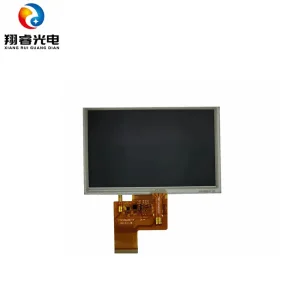
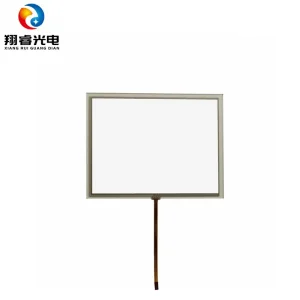
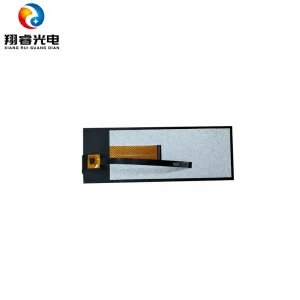
Seattle, Washington, is a global hub for technological innovation, aerospace engineering, maritime commerce, and advanced biomedical research. The Pacific Northwest industrial ecosystem demands hardware components that can withstand extreme environmental conditions—ranging from the high-humidity, salt-spray environments of Puget Sound maritime operations to the rigorous sterilization protocols of Seattle's world-class healthcare facilities. In these high-stakes applications, the mechanical integration of display modules via frame fitting and optical bonding is a critical engineering factor.
Frame fitting refers to the precise physical alignment, sealing, and mounting of a touch panel (resistive or capacitive) onto a display's bezel or frame. Without high-quality frame fitting, displays are vulnerable to dust ingress, moisture condensation, parallax errors, and mechanical failure under vibration. For Seattle's aerospace manufacturers and marine electronics suppliers, sourcing components that meet IP65, IP67, or even NEMA standards is non-negotiable.
The global supply chain for optoelectronics has shifted towards highly integrated, specialized manufacturing clusters. While design and system integration often occur locally in Seattle's tech corridors, the raw manufacturing efficiency, cleanroom scaling, and material sourcing advantages reside in Southern China, particularly in the Guangzhou industrial zone.
Guangzhou Xiangrui Optoelectronics Technology Co., Ltd. bridges this gap by offering Seattle-based enterprises the perfect combination of Western engineering standards and Chinese manufacturing efficiency. By operating Class 100, Class 1000, and Class 10000 dust-free workshops, we eliminate the primary failure point in touch screen lamination: microscopic particulate contamination. This cleanroom infrastructure, combined with direct access to global raw material supply chains (such as high-grade ITO films and specialized cover glasses), allows us to deliver aerospace-grade frame fitting at a fraction of domestic prototyping costs.
When integrating a touch panel into a frame, engineers must choose between traditional tape bonding (perimeter frame fitting with an air gap) and advanced optical bonding (using Liquid Optically Clear Adhesive - LOCA, or Optically Clear Adhesive film - OCA). For Seattle's outdoor and marine applications, optical bonding is rapidly becoming the industry standard due to several key advantages:
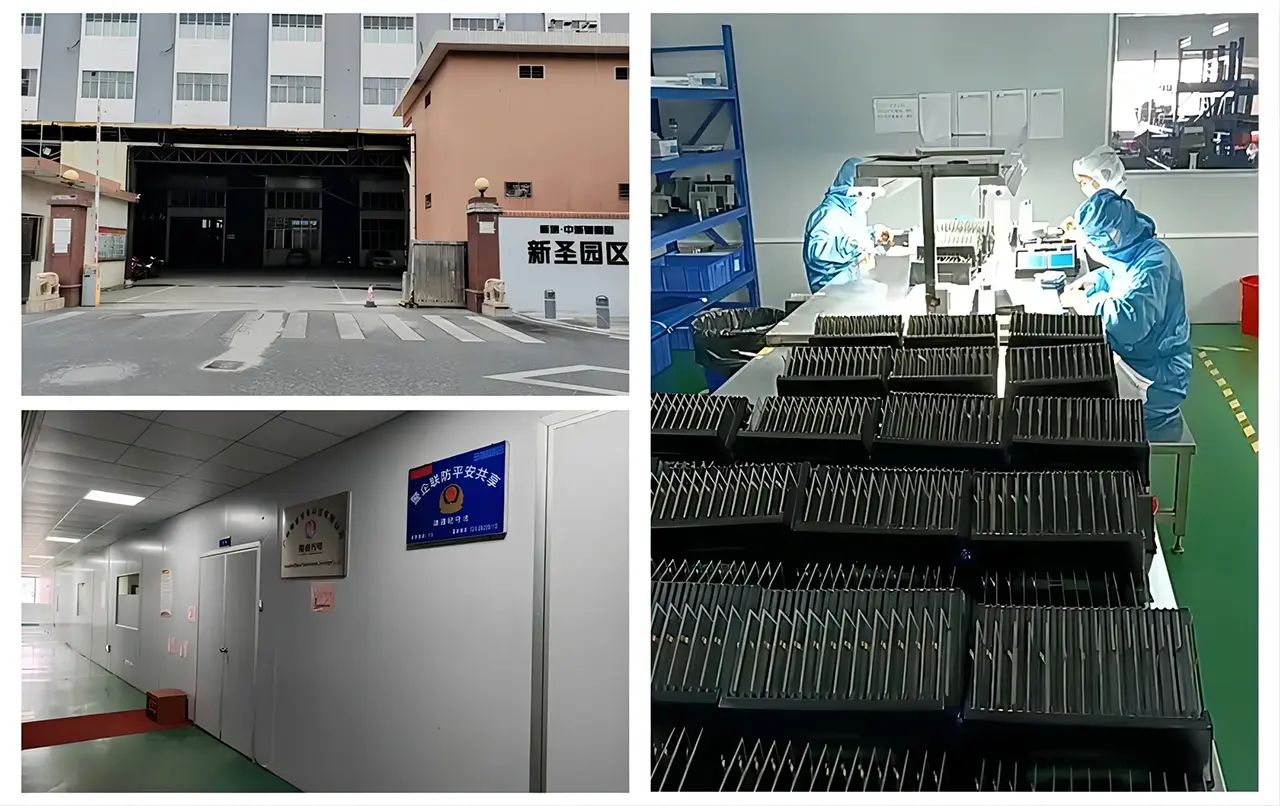
Founded in 2010 and located in Guangzhou, China, we are a company dedicated to the research and development, production, sales, and service of resistive touch panels, capacitive touch panels, cover glass, and module bonding products. We provide customized production of various touch screens, as well as OEM and ODM services.
Our company has obtained the ISO 9001 and ISO 14001 certificates. Our products are widely used in fields such as industrial control, medical equipment, home appliances, smart home, outdoor products, and palm print recognition payment systems.
We operate under the fundamental purpose of being people-oriented, honest, pragmatic, innovative, and enterprising. Our goal is to maintain long-term partnerships with top enterprises and well-known manufacturers by offering quality satisfaction, on-time delivery, and good faith cooperation.
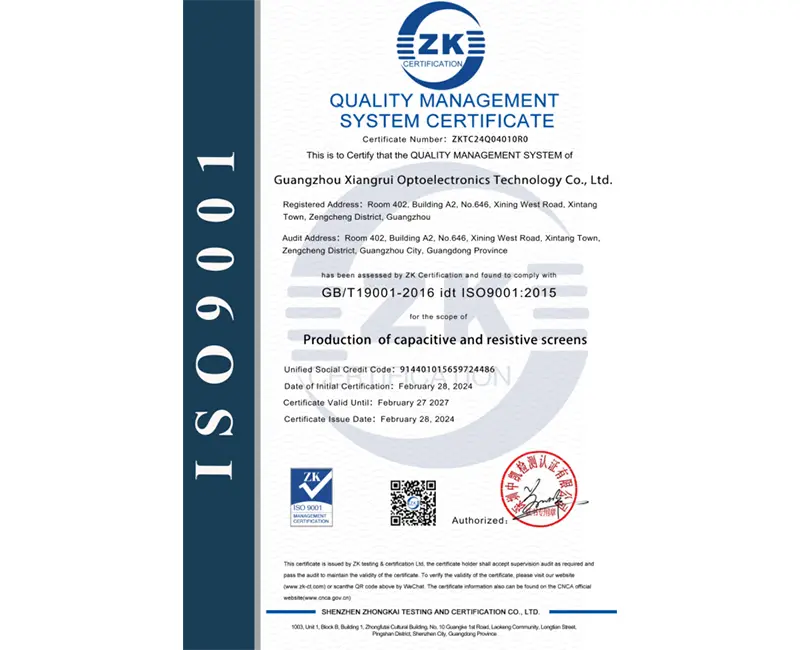
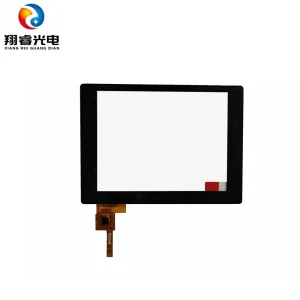
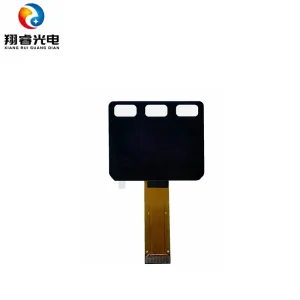
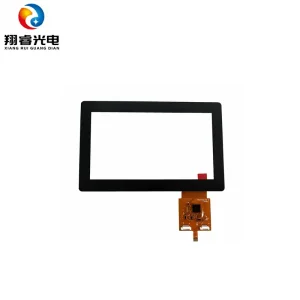
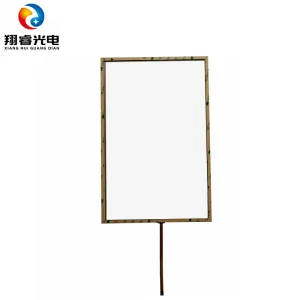
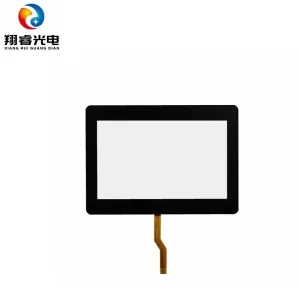
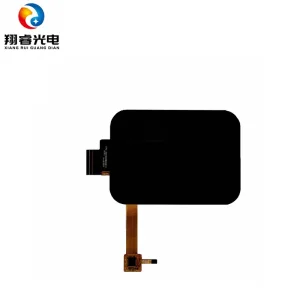
Explore our comprehensive range of resistive and capacitive touch panels, designed for seamless integration into Seattle's industrial and commercial systems.
As Human-Machine Interfaces (HMIs) become more integrated into daily industrial workflows, several key trends are shaping the future of touch panel frame fitting:
Find answers to common questions regarding touch panel frame fitting, optical bonding, and sourcing logistics for Seattle businesses.
 Xiangrui Optoelectronics