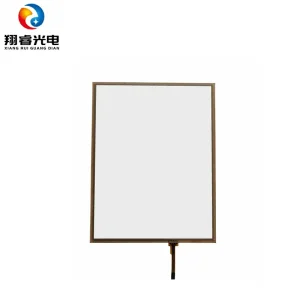
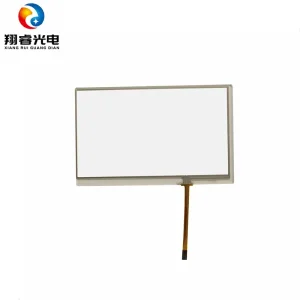
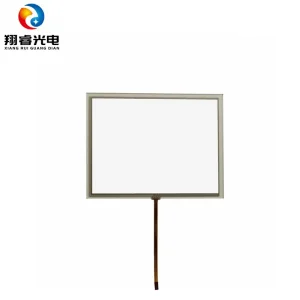
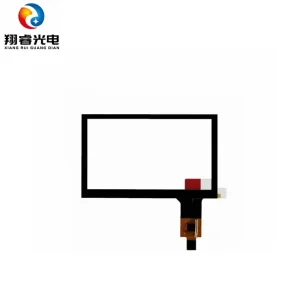
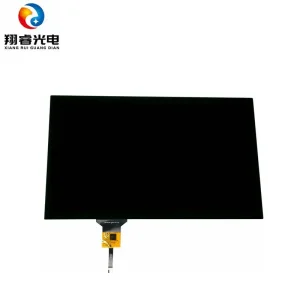
Optimized components built for standard enclosures, marine bridges, and heavy-duty machinery.
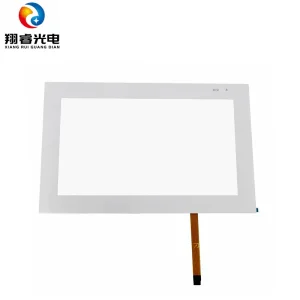
Norway's industrial landscape represents one of the most demanding environmental niches in the world. Key economic engines—including offshore oil and gas drilling in the North Sea, maritime shipping, deep-sea aquaculture, polar research vessels, and subsea mining technology—require human-machine interfaces (HMI) that can operate under sustained physical stressors.
While consumer markets have shifted almost exclusively to Projected Capacitive (PCAP) screens, critical systems operating in high-latitude environments require the unyielding reliability of industrial-grade resistive touch panels. Under Arctic cold, sub-zero operations, and constant exposure to seawater spray, capacitive systems fail due to false touches triggered by water droplets or lack of conductivity through thick thermal insulated gloves. Resistive technology, relying on mechanical pressure detection, remains the primary engineering choice for mission-critical marine bridges, offshore drilling rigs, and fish-processing factories where downtime equates to severe financial losses.
In maritime applications certified by DNV GL, reliability is non-negotiable. Resistive panels provide physical electrical circuit closure on touch, meaning water condensation or localized salt-crust accumulation cannot trigger accidental control inputs, ensuring vessel crew safety in rough seas.
Designing touch interfaces that overcome low temperatures, optical refraction, and mechanical hazards.
Equipped with specialized ITO film substrates and temperature-compensated controllers that prevent ITO cracking and liquid crystal freezing at temperatures down to -40°C.
Designed with integrated grounding and active noise-filtering controllers to prevent interference with radar, sonar, and communications hardware on vessel bridges.
Anti-Glare (AG), Anti-Reflective (AR), and Anti-Fingerprint (AF) surface coatings combined with optical bonding to combat blinding low-altitude Scandinavian winter sun and snow glare.
Utilizing high-performance gasket designs and robust outer cover films that protect internal layers from salt mist, high-pressure washdowns, and chemical cleaning agents.
Provides precise coordinate reporting when operated with thick industrial gloves, fire-retardant crew gear, or standard instrumentation styluses.
| Performance Feature | Xiangrui Rugged Resistive (Customized for Norway) | Standard Capacitive (PCAP) | Off-the-shelf Resistive Screens |
|---|---|---|---|
| Operating Temperature | -40°C to +85°C (Tested in cryogenic chambers) | -20°C to +60°C (Unstable at frost line) | -10°C to +60°C (PET degradation under cold) |
| Seawater / Rain Spray Immunity | 100% immune (No ghost-touch events) | Prone to erratic behavior / signal lock | Immune (but weak seal leads to fluid entry) |
| Glove Operation (Subsea & Winter Gear) | Flawless (Relies on mechanical actuation) | Requires conductive glove thread / loses calibration | Good, but lacks tactile micro-deformation limits |
| Salt Mist & Corrosive Resistance | Exceptional (Custom glass-film-glass structure) | High (glass surface), but vulnerable at tail bonding | Poor (corrosion of plastic top layer over time) |
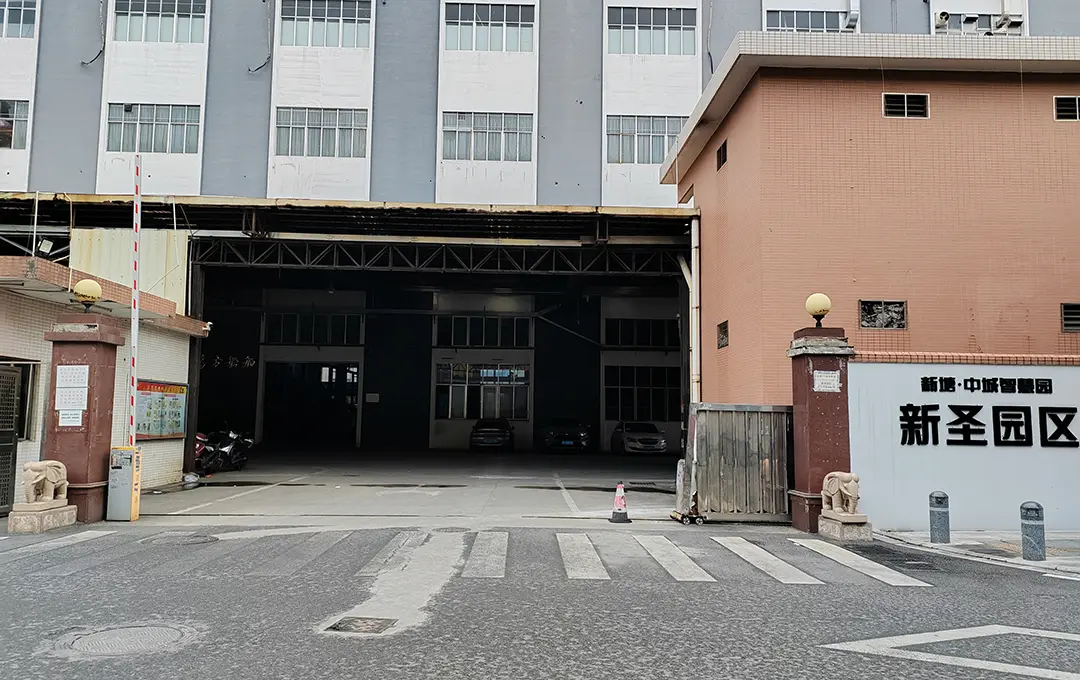
Founded in 2010, Guangzhou Xiangrui Optoelectronics Technology Co., Ltd. has established itself as an international benchmark for touch sensor engineering and production. Operating from a state-of-the-art 3,000 square meter facility in Guangzhou, China, we specialize in 4-wire, 5-wire, and 8-wire resistive screens, high-durability capacitive interfaces, custom cover lenses, and complete display optical bonding services.
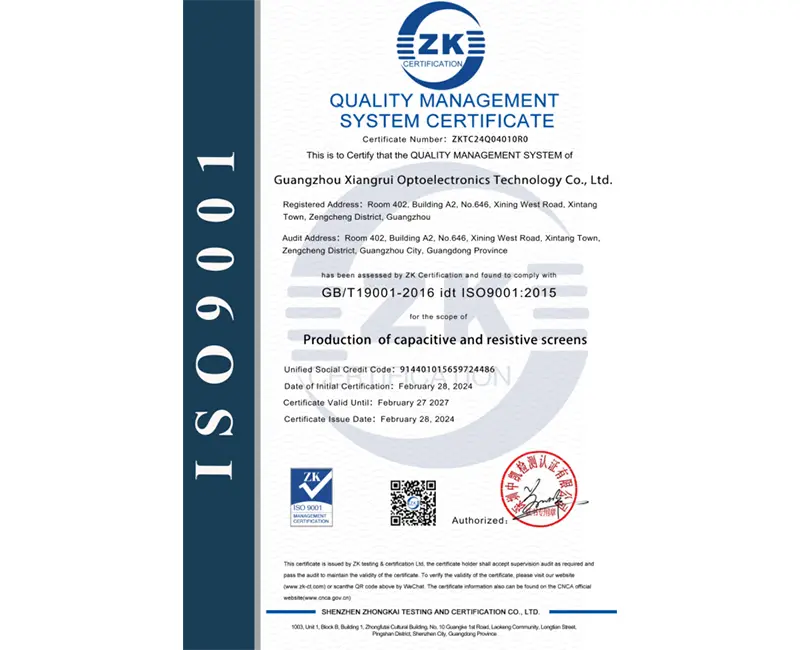
Equipped with dedicated cleanrooms ranging from Class 100 to Class 10,000, we manage critical process variables—such as dust particles, moisture control, and static dissipation—ensuring that every component meets rigorous international standards. Our manufacturing processes hold both ISO 9001:2015 and ISO 14001:2015 certifications, serving complex markets including medical diagnostics, outdoor interactive interfaces, and marine instrumentation.
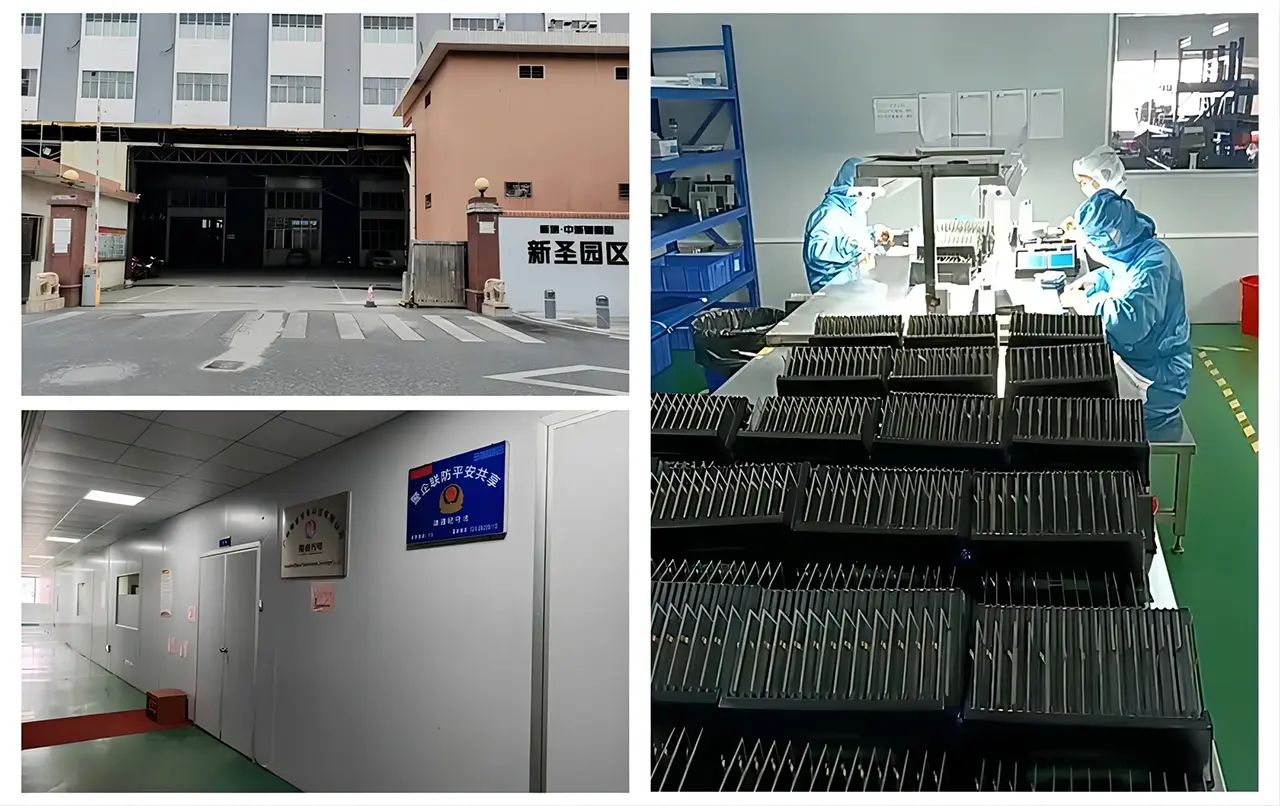
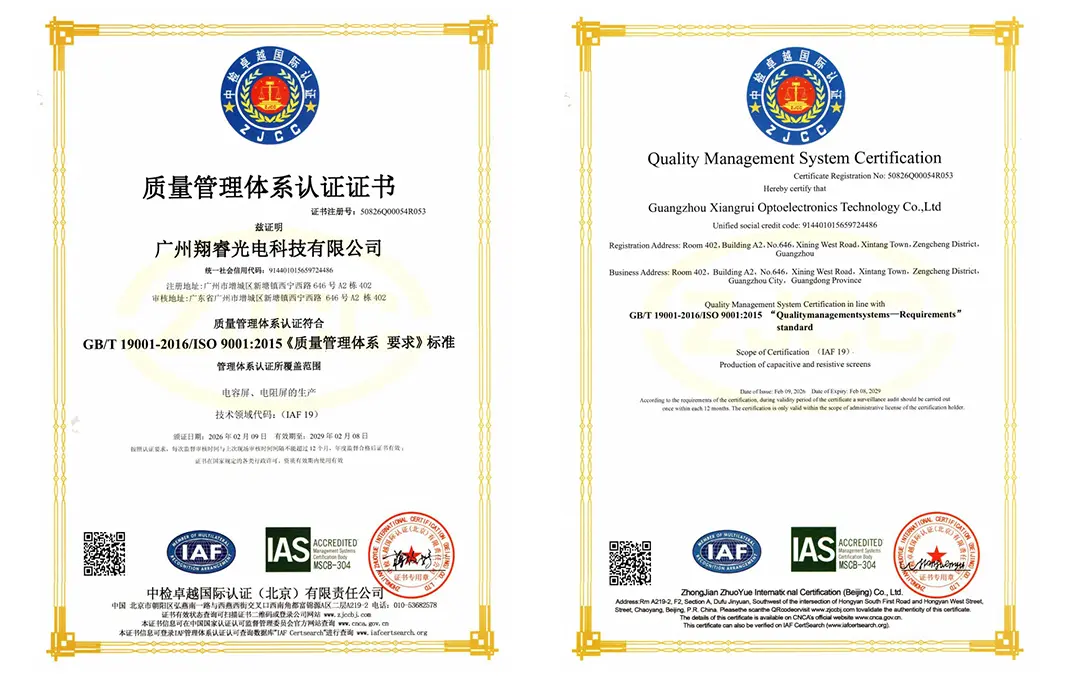
For Norwegian system integrators and electrical engineers in hubs like Oslo, Bergen, Stavanger, and Trondheim, product quality must align with stringent local regulations. Our manufacturing process conforms to all relevant European Economic Area (EEA) guidelines, guaranteeing smooth integration and trouble-free import.
RoHS & REACH Compliance: Every component—from the outer polyester film (PET) to the ITO coating and flexible printed circuit (FPC) tails—is free of restricted hazardous substances.
CE Certification & Traceability: Designed to facilitate swift CE marking on completed HMI systems and industrial computers.
Reliable Shipments to Norway: Established logistics routes ensuring safe transport to industrial regions, with options for express air freight via DHL/FedEx or cargo shipping directly to Norwegian ports.
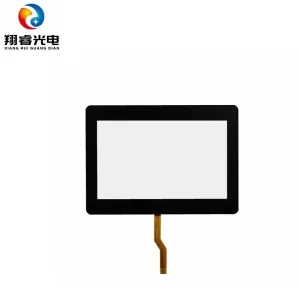
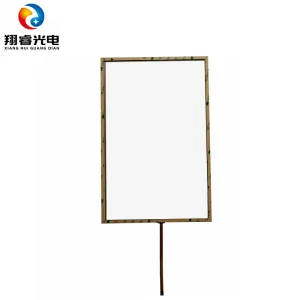
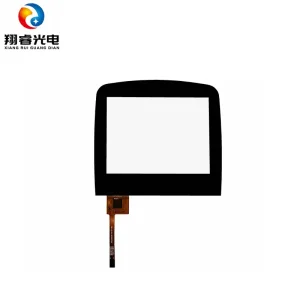
Browse our core components designed for industrial machinery, offshore platforms, and commercial installations in Norway.
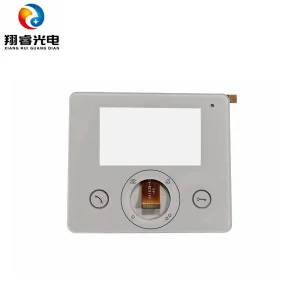
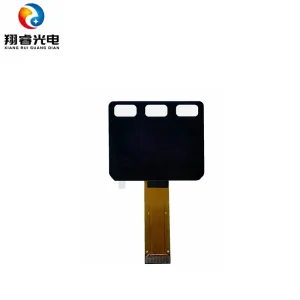
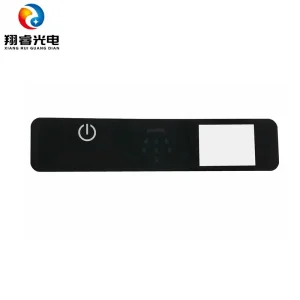
Detailed technical answers to common questions asked by industrial engineers and procurement departments in Norway.
Vessel bridge controllers, sonar readouts, and fish-processing deck monitors are constantly exposed to moisture, high relative humidity, and salt spray. Projected Capacitive (PCAP) touch screens determine touch locations based on change in electrical capacitance. Consequently, water droplets, salt spray, or condensation can trigger false touch events, or render the system unresponsive.
In contrast, resistive touch panels rely on mechanical force to close the circuit between the outer flexible film and the base glass substrate. This prevents interference from water, grease, or debris. Additionally, resistive screens work reliably with any type of glove, including heavy neoprene marine thermal gloves, which are essential for outdoor shipboard operations in high-latitude environments.
At sub-zero temperatures (e.g., -30°C to -40°C in Northern Norway or polar research runs), the PET (polyethylene terephthalate) films used in standard touch screens can become brittle, leading to stress fractures under pressure. The optical adhesives holding the layers together may also freeze, leading to delamination and optical distortion.
Our wide-temperature resistive panels utilize custom-engineered ITO films and optically clear resins (OCR/LOCA) formulated to retain elasticity down to -40°C. Additionally, the touch panel controllers feature temp-compensated driver chips that adjust coordinate algorithms as material resistivity fluctuates in cold conditions.
We provide deep OEM/ODM customization services to adapt our touch panels to specific operating environments:
Our production process is certified to ISO 9001:2015 standards, and all incoming components must pass raw materials inspection. Critical assembly steps—such as display lamination and FPC bonding—are performed inside dust-free cleanrooms rated from Class 10,000 down to Class 100.
Every touch panel undergoes 100% functional testing prior to shipment. This includes testing touch linearity, insulation resistance, mechanical actuation cycles, and thermal aging. Products bound for Europe comply with all RoHS and REACH environmental guidelines.
For standard panel designs, prototypes are typically ready within 1 to 2 weeks. Custom designs—which require customized tooling for glass cutting, FPC routing, or tail configuration—are usually delivered in 3 to 4 weeks.
Once quality control release is complete, shipments are dispatched from our Guangzhou facility. Air transport via major international carriers (such as DHL, FedEx, or UPS) typically delivers components to major Norwegian transport hubs in 5 to 8 business days, fully tracked.
Connect with our engineering application team to discuss your project requirements. Whether you need standard replacement panels, marine-grade certifications, or customized cover glass lamination, our team will provide a comprehensive quote and technical drawing review within 24 hours.
Send Inquiry Now Xiangrui Optoelectronics