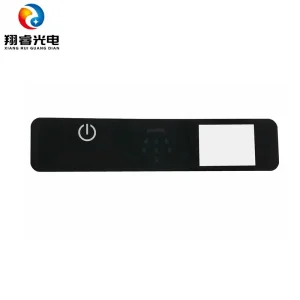
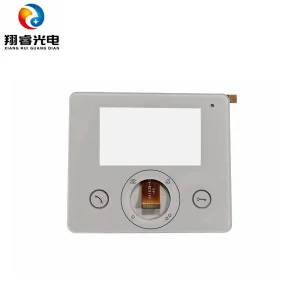
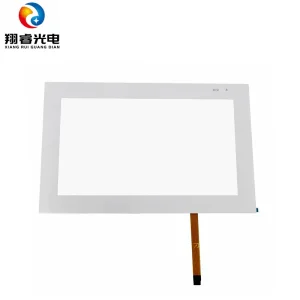
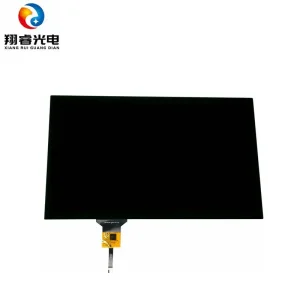
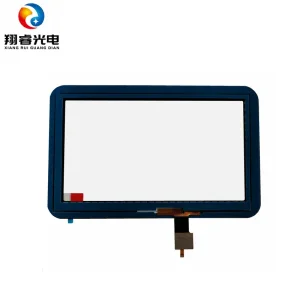
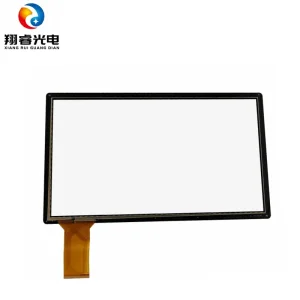
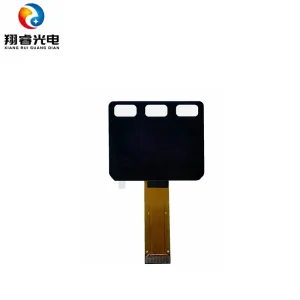
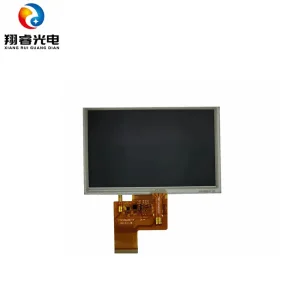
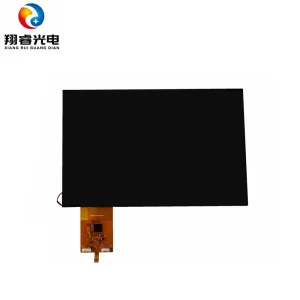
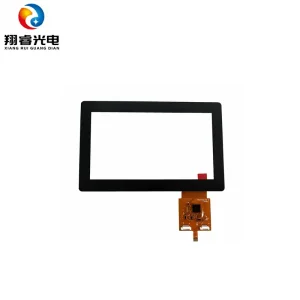
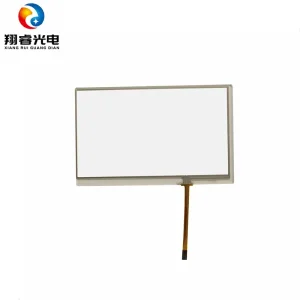
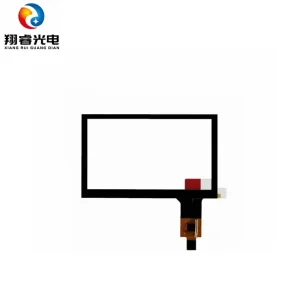
Select industrial HMI panels deployed across Japanese manufacturing systems, featuring wide-temperature thresholds and IP65-certified front protection.
In Japan's highly automated industrial and commercial landscape, the integration of touch buttons has transitioned from mechanical toggle keys to sleek, flat, and highly reliable projected capacitive (PCAP) and resistive touch systems. Whether configured in high-speed rail control consoles, automated vending terminals, cleanroom medical devices, or smart residential control panels, the demand for resilient and highly sensitive touch components is intensifying.
Japanese product design engineers adhere strictly to the philosophy of Monozukuri (the art of state-of-the-art manufacturing), requiring component suppliers to demonstrate long-term stability, zero-defect quality control, and superior noise immunity. Devices operating in complex electromagnetic environments—such as servo-motor dense factories in Aichi and Shizuoka—must bypass electromagnetic interference (EMI) issues. Standard touch buttons fall short; high-reliability controllers featuring custom firmware, active shielding layers, and tailored glass stacks are required.
Recognizing this demand, we supply capacitive touch buttons and integrated sensor layers designed to tolerate significant temperature differentials, chemical cleaners (including ethanol and isopropyl alcohol used in sterile medical environments), and high moisture or humidity conditions typical of coastal Japanese facilities.
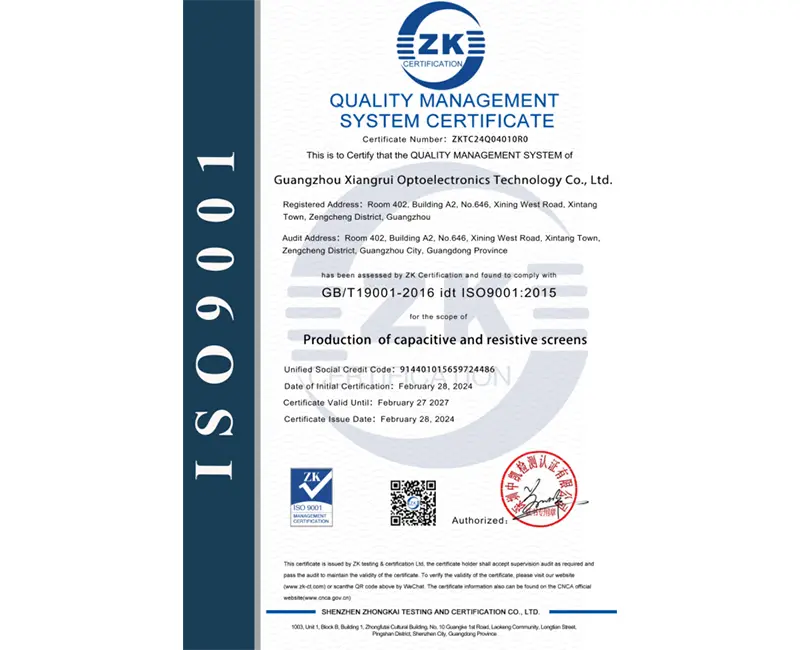
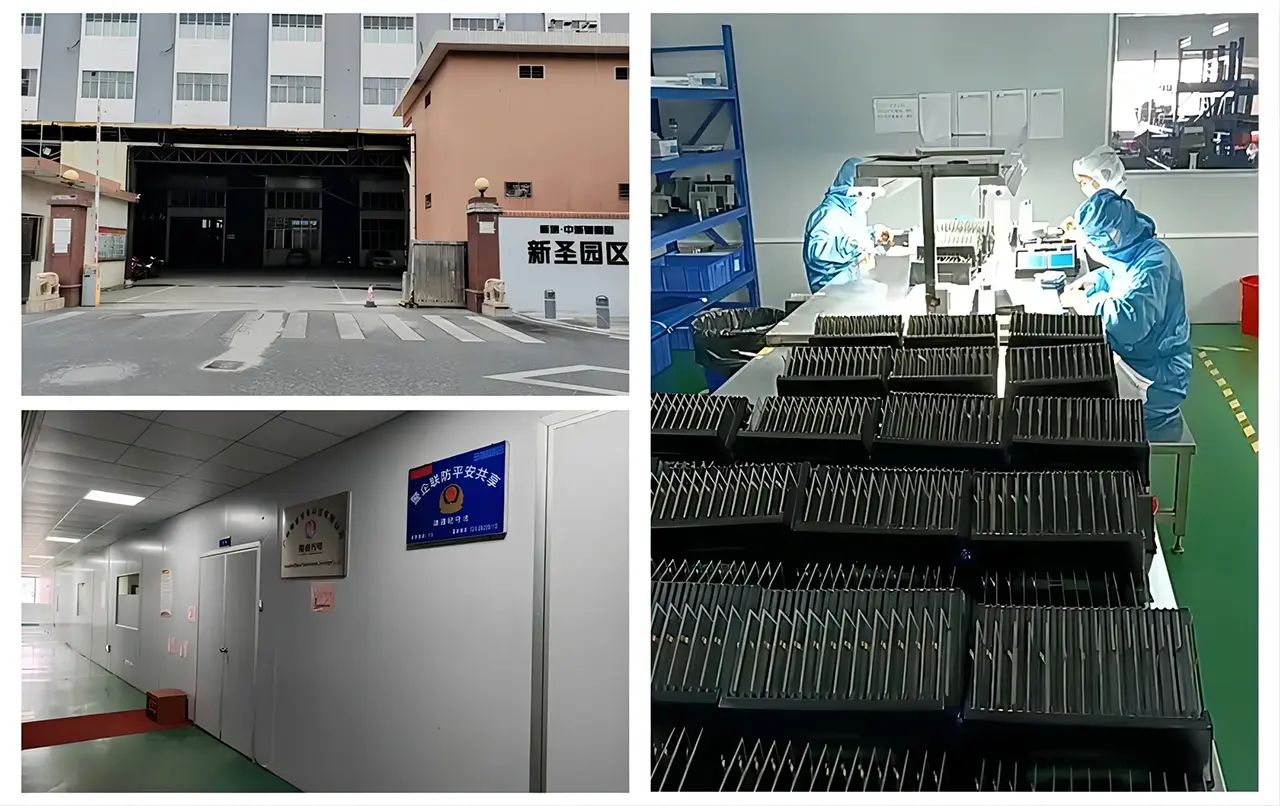
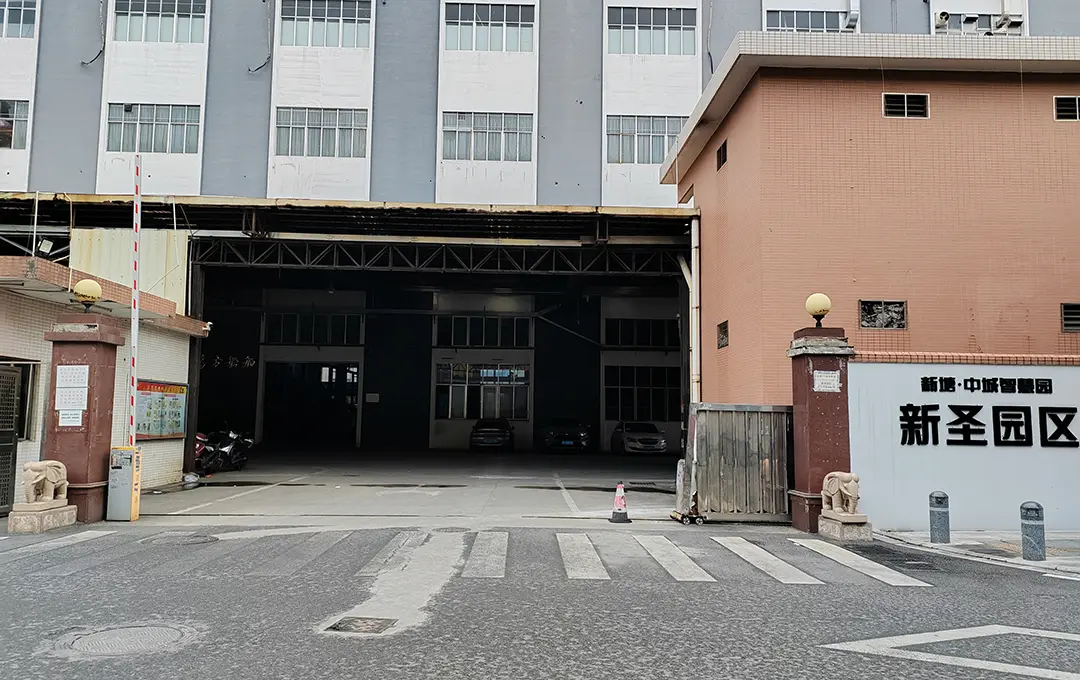
Founded in 2010 and situated in the industrial innovation hub of Guangzhou, China, we are an established enterprise dedicated to the R&D, production, sales, and service of resistive touch panels, capacitive touch panels, cover glass, and module optical bonding products. We provide customized touch screen manufacturing alongside OEM and ODM services.
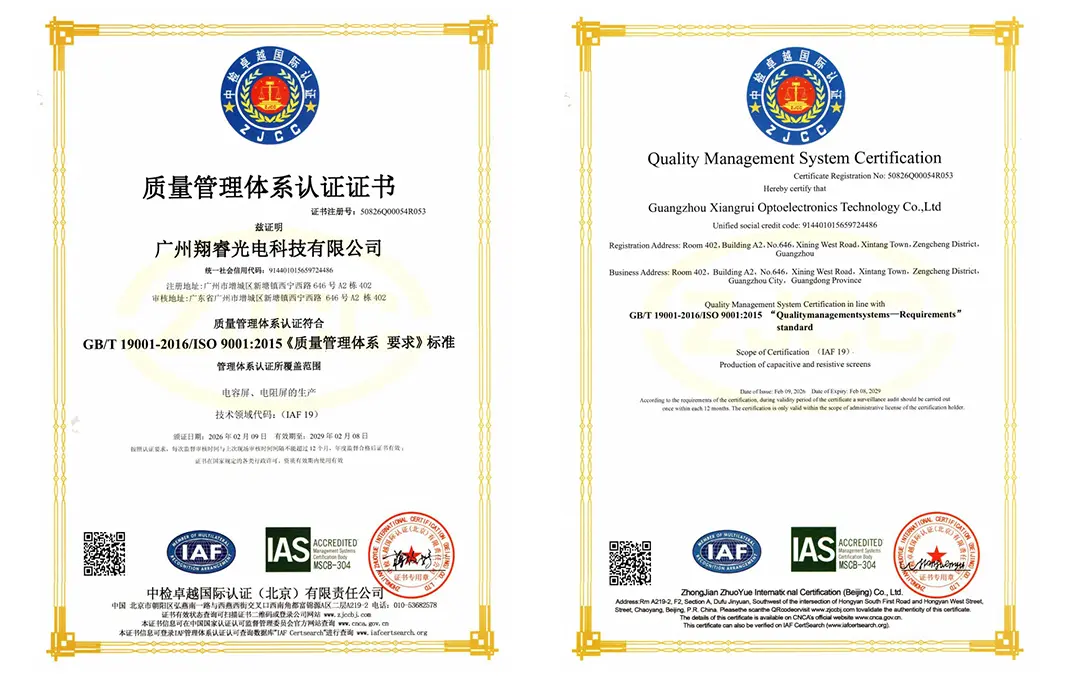
Our manufacturing facility spans approximately 3,000 square meters, featuring modern departments in R&D, Quality Control, and Assembly. We operate Class 100, Class 1,000, and Class 10,000 dust-free workshops to meet strict contamination controls required for high-yield optical bonding. With ISO 9001 and ISO 14001 certifications, our products are deployed across demanding environments like industrial control systems, medical diagnostics, smart home systems, outdoor public terminals, and contactless palm print recognition payment networks.
For the Japanese market, we provide direct engineering communication, customized firmware tuning for high electromagnetic noise environments, and structured supply chain stability to support just-in-time assembly plants.
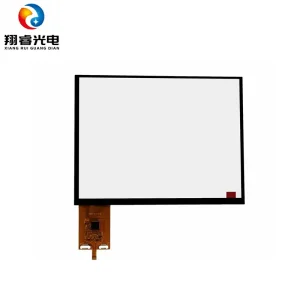
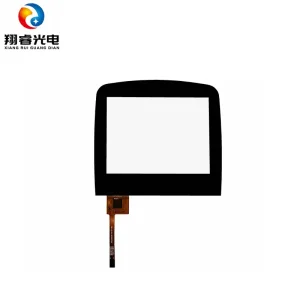
Precision-engineered capacitive touch layers designed with custom sensor tails and robust cover glass specifications.
Achieving the precision, noise immunity, and mechanical durability required for integration into modern Japanese automation.
Factories in Tokyo, Osaka, and Fukuoka rely heavily on robotics and heavy-duty AC drives. This machinery generates considerable conducted and radiated electrical noise. Our capacitive touch buttons utilize advanced controller IC solutions (such as EETI and Ilitek) programmed with custom firmware to actively filter out 50Hz/60Hz noise spikes, ensuring zero false triggers.
For outdoor terminals and medical equipment, moisture can compromise touch accuracy. Our sensors implement advanced water-rejection algorithms that distinguish between a water droplet and an intentional finger press. We also tune self-capacitance and mutual-capacitance matrices to detect touches from latex, nitrile, or heavy industrial work gloves.
To combat glare and prevent condensation under high humidity, we offer liquid optically clear adhesive (LOCA) bonding. This process laminates the touch sensor to the cover glass and LCD panel, eliminating the air gap. This enhances contrast, increases mechanical shock resistance, and prevents internal fogging.
Global procurement departments operating in Japan require high consistency, structured material compliance, and predictable logistics. We establish direct partnerships with Japanese engineering teams from the prototyping stage to mass production, providing support that aligns with local manufacturing schedules.
Every production batch undergoes testing protocols modeled after Japanese Industrial Standards (JIS):
Addressing the primary engineering, integration, and compliance questions raised by Japanese procurement agents and system integrators.
Explore our comprehensive selection of resistive and capacitive touch panels, from compact wearable screens to rugged, large-format industrial displays.
 Xiangrui Optoelectronics