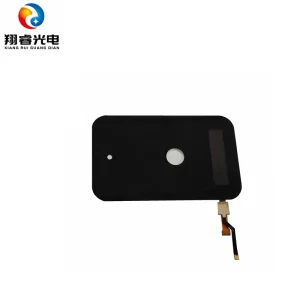
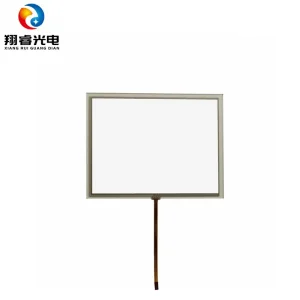
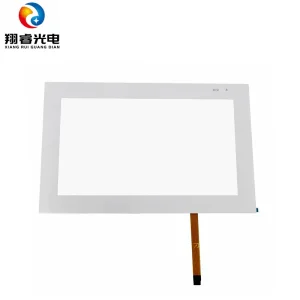
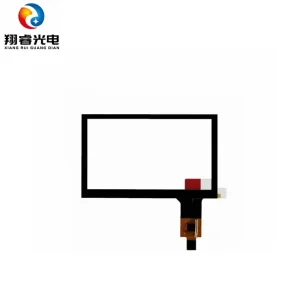
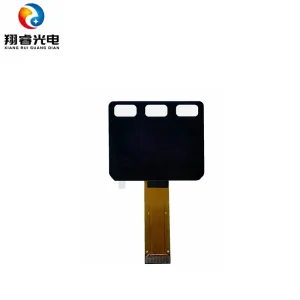
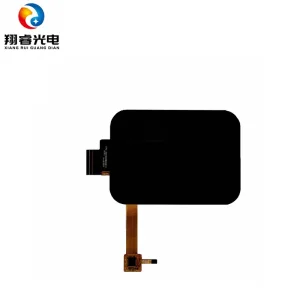
Standard & customized human-machine interface components designed to withstand severe tropical environments.
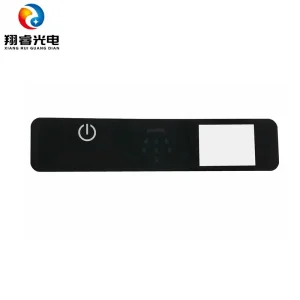
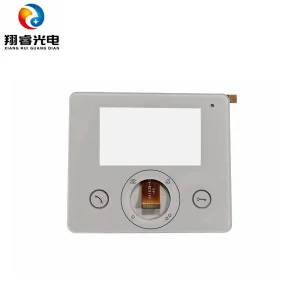
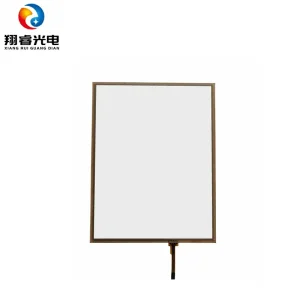
As Vietnam’s premier economic engine, Ho Chi Minh City (HCMC) is accelerating its shift toward advanced electronic manufacturing and digital transformation under its 2025 Smart City Master Plan. Leading zones such as the Saigon Hi-Tech Park (SHTP), Tan Thuan Export Processing Zone, and Binh Tan industrial areas are rapidly phasing out outdated mechanical switches. They are adopting robust, touch-enabled digital panels that optimize factory space, improve hygiene, and reduce operator error.
However, operating electronic interfaces in HCMC presents unique challenges. The Southern Vietnamese climate experiences sustained temperatures above 35°C and average relative humidity levels exceeding 80% during the monsoon season. Standard touchscreens often suffer from capacitive drift, condensation, or sensor degradation. At Guangzhou Xiangrui Optoelectronics, we engineer our touch panels with specialized ITO layer stacks and wide-temperature components specifically configured to maintain long-term signal integrity in high-humidity tropical conditions.
By using custom controller tuning and optical bonding methods, we ensure that local automation systems, public ticketing kiosks, and medical devices operate flawlessly, helping local industries maintain continuous productivity with zero unscheduled downtime.
Our proximity to HCMC allows us to offer swift shipping times and technical collaboration for customized cover glass dimensions, printed graphic logos, and localized communication interfaces.
How our custom touch buttons and panels solve real-world problems in Ho Chi Minh City's critical infrastructures.
For factory floors in Tan Thuan and Binh Duong, our capacitive & resistive touch screens support thick glove operation and resist dust, grease, and heavy chemical washdowns without triggering false inputs.
Deployed in municipal hospitals across District 10, our glass-on-glass designs support anti-microbial coatings, resist chemical cleaning agents, and provide reliable, precise feedback for surgical monitors.
Optimized for smart banking terminals and high-traffic bus transport kiosks in Thu Duc, utilizing vandal-proof, IK08-rated protective glass covers to prevent deliberate damage.
| Feature Specification | Capacitive Technology | Resistive Technology |
|---|---|---|
| Operating Temperature | -20°C to +70°C | -40°C to +80°C |
| Humidity Resilience | Up to 95% (Condensation Tuned) | Up to 90% (Glass-on-Glass) |
| Controller Integration | I2C, USB, RS232 (EETI/ILITEK) | USB, RS232 (PenMount) |
| Input Media | Bare fingers, conductive gloves | Stylus, gloved hands, any object |
| Surface Hardness | ≥ 6H Mohs Scale | ≥ 3H (Polymer), ≥ 7H (Glass) |
Designing touch-enabled user interfaces that operate reliably near the equator requires advanced electrical engineering and careful material selection. Standard capacitive circuits can fail due to shifting moisture levels on the screen surface, which mimic touch inputs. To counter this, our research team utilizes specialized touch controller ICs featuring high signal-to-noise ratios (SNR), tuned with adaptive threshold algorithms to differentiate between water drops and actual finger presses.
For outdoor and bright-ambient use, such as gas station pumps or parking meters in Ho Chi Minh City, we employ Liquid Optically Clear Adhesive (LOCA) optical bonding. By filling the air gap between the touch layer and the LCD screen, LOCA bonding provides significant advantages:
Where mechanical gloves or heavy pressure is required (such as chemical processing or cold storage facilities), we provide multi-wire resistive screens. These designs use a micro-spaced conductive layout protected by an outer glass layer, offering physical durability and resistance to wear, heat, and moisture.
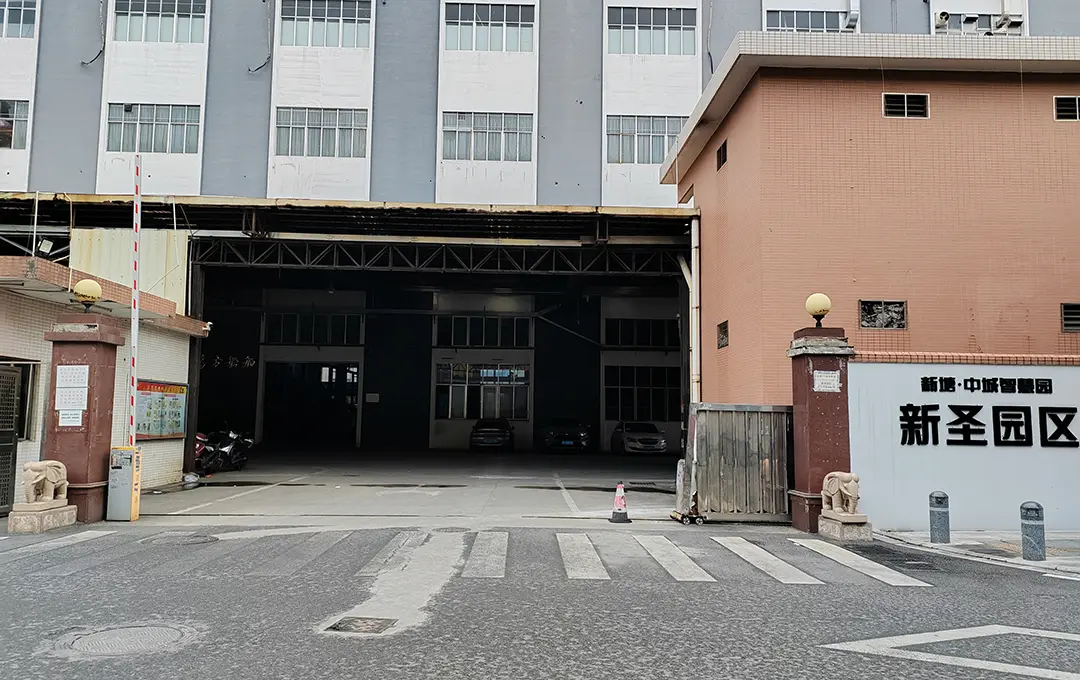
Our 3,000-square-meter modern facility delivers high-precision manufacturing, fast turnaround times, and reliable product delivery directly to Vietnam.
Established in 2010, Guangzhou Xiangrui has spent over a decade developing advanced touch panel solutions for demanding industrial markets worldwide. Our factory is equipped with Class 100, Class 1,000, and Class 10,000 cleanrooms, ensuring dust-free environments for sensitive processes like optical bonding and thin-film ITO patterning.
Our direct shipping paths from Guangzhou to the Ho Chi Minh City metro area provide reliable shipping times of under 10–14 days. This direct link helps local assemblers and manufacturers keep their warehouse inventories low while securing a consistent supply of components.
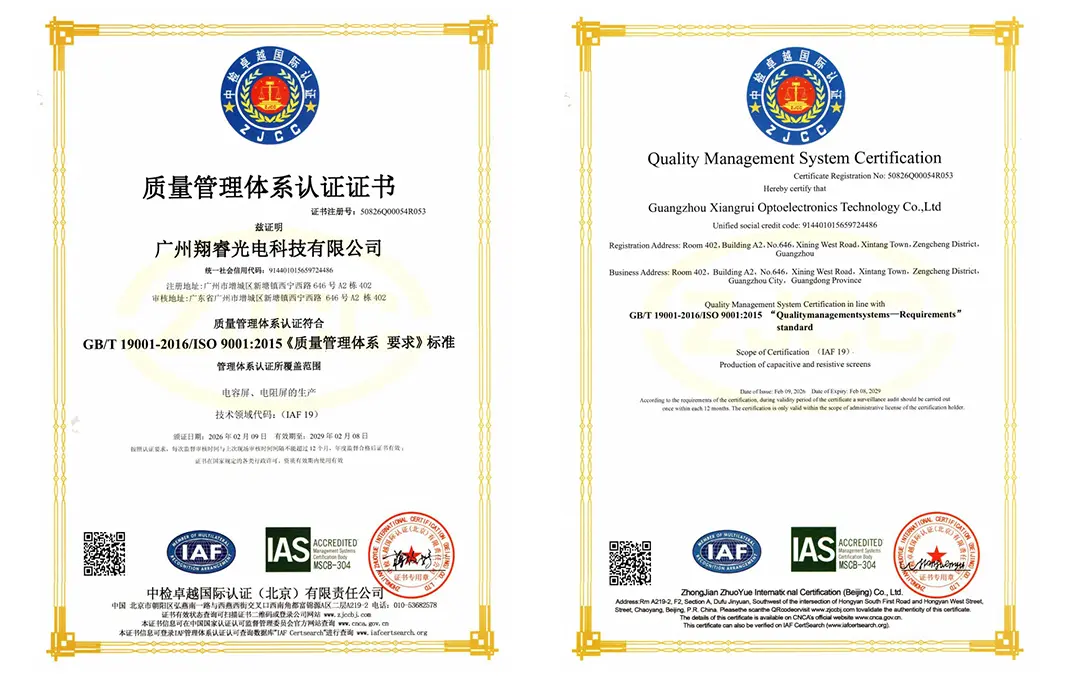
We believe in maintaining reliable production standards at every stage. We build long-term trust with our global partners by verifying that all products meet recognized environmental, functional, and safety guidelines. Our processes are certified under the ISO 9001 quality management standard and the ISO 14001 environmental management system.
Every product batch is tested for resilience against high temperatures, thermal shock, salt mist, and mechanical vibration. These quality control steps ensure our touch screens withstand the challenging operating conditions of South Vietnamese industrial facilities.
Furthermore, our designs are compliant with RoHS and CE standards, facilitating smooth system integrations and customs clearance for international exports.
We work directly with engineering teams to provide tailored touch sensor solutions, including custom cover glass shape and thickness, bespoke driver software, and targeted FPC tail designs to simplify your assembly line setup.
Select from our comprehensive list of capacitive panels, resistive overlays, and bonded display assemblies.
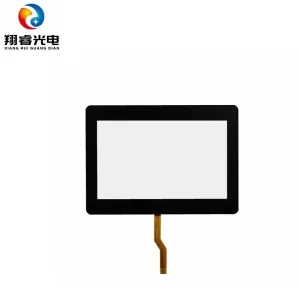
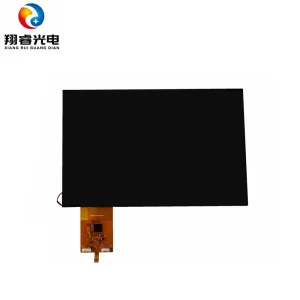
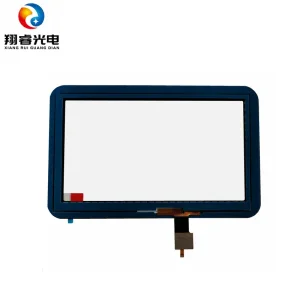
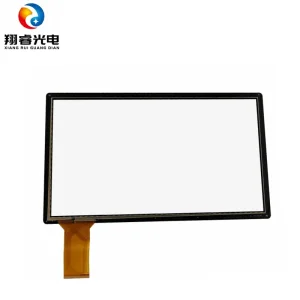
Answers to common technical, design, and integration questions for touch buttons in industrial applications.
We calibrate our capacitive touch controllers using custom water-rejection algorithms. By adjusting touch detection thresholds and scanning parameters, our screens distinguish between localized capacitive changes from a finger and uniform, high-resistance changes from humidity or condensation.
Optical bonding uses liquid adhesive to eliminate the air gap between the display and the touch panel. This prevents internal fogging in humid climates, reduces ambient light reflections by up to 90%, and increases physical impact resistance, whereas frame fitting leaves an air gap where condensation can build up.
Yes. We offer fully customizable cover glass solutions, including specific dimensions, thickness options (from 0.55mm up to 10mm for anti-vandal applications), chem-strengthening treatment, physical cutouts, and custom colored border graphics.
Our panels support standard communication protocols, including USB, I2C, and RS-232. We work with controller chips from industry-recognized suppliers like EETI and ILITEK, ensuring plug-and-play driver support across Windows, Linux, Android, and embedded platforms.
After design approval, standard tooling and prototype creation takes 2–3 weeks. Mass production is usually completed in 3–4 weeks, and shipping from our Guangzhou facility to Cat Lai Port or Tan Son Nhat Airport takes 7–10 days depending on the shipping method.
All our products are manufactured in compliance with RoHS and REACH guidelines. Our raw materials undergo strict testing, and our manufacturing processes are certified under the ISO 9001 and ISO 14001 standards to ensure reliable, high-quality, and environmentally responsible production.
 Xiangrui Optoelectronics